




Respiratory Protection for Safer Air in Demanding Environments
At SecureHeights, we supply a comprehensive range of respiratory protection equipment designed to help manage these risks across different applications. Our selection includes high-quality products from trusted brands such as 3M, BLS, Climax, and DeltaPlus. These solutions are developed to perform reliably in real working environments, supporting teams in maintaining consistent safety standards across multiple sites.
Designed for Real Working Conditions
Effective PPE respiratory protection must balance filtration performance, comfort, and usability. Equipment that is difficult to wear or causes discomfort over time is less likely to be used consistently, which can reduce overall protection levels. For this reason, selecting the right solution is not only about filtration class but also about how the equipment integrates into daily work routines.
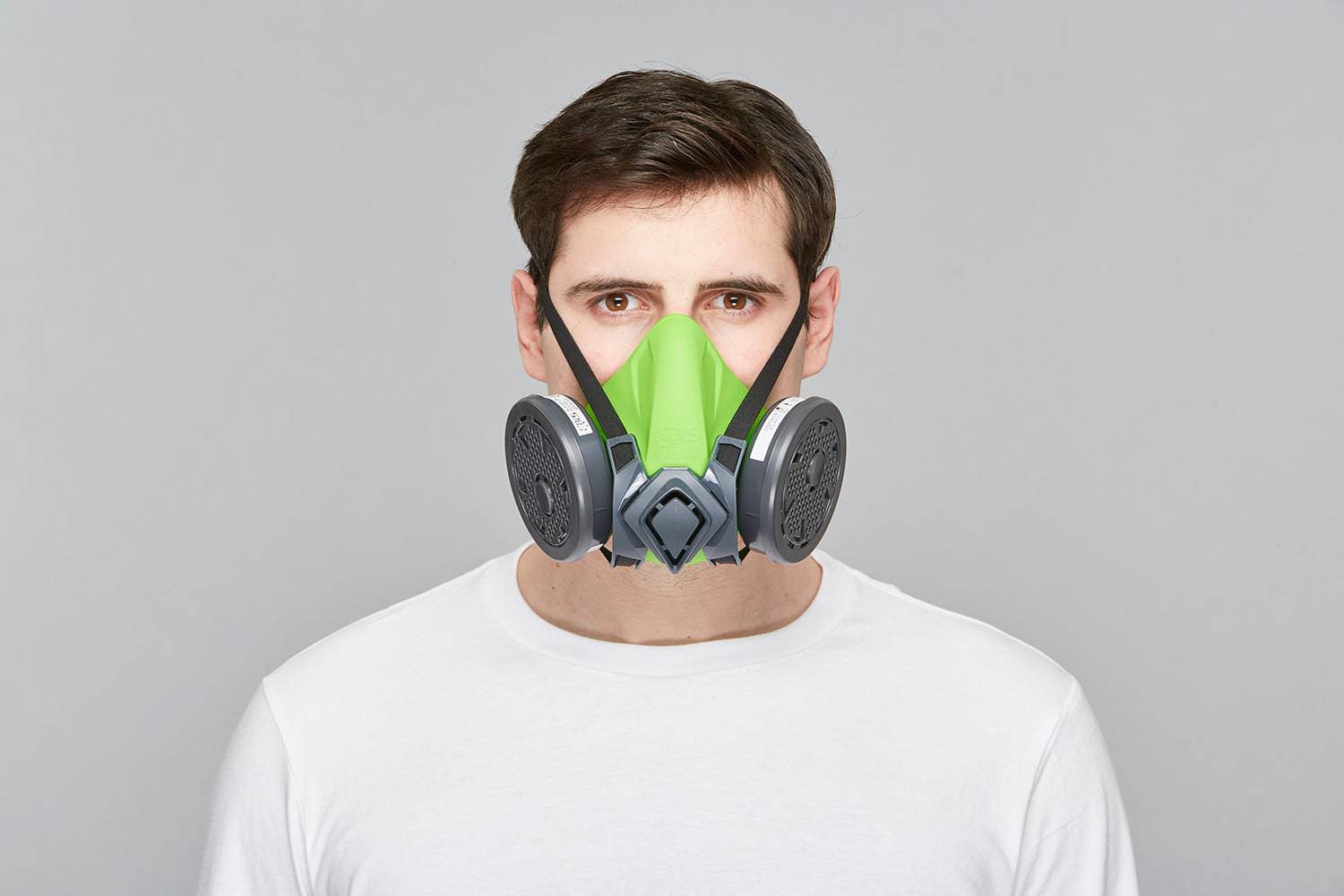
Our range of respiratory PPE includes both disposable and reusable options. Disposable masks are often used for short-duration tasks where convenience and quick deployment are important. Reusable masks, on the other hand, offer a more durable solution for ongoing use and can be combined with different filters depending on the hazard.
From lightweight masks designed for intermittent exposure to advanced powered systems that support extended wear, each solution is developed to deliver reliable breathing protection. For teams working across multiple shifts or environments, having access to dependable breathing protection equipment helps ensure consistent use and reduces variability in protection levels.
Suitable for Industrial and High-Risk Applications
In environments where airborne contaminants are present, industrial respiratory protection plays a critical role in protecting workers from both immediate and long-term risks. Activities such as cutting, grinding, welding, painting, or handling chemicals can release particles or vapours that require controlled filtration.
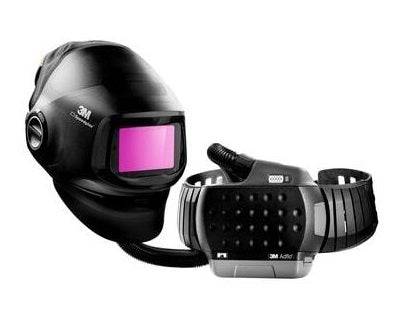
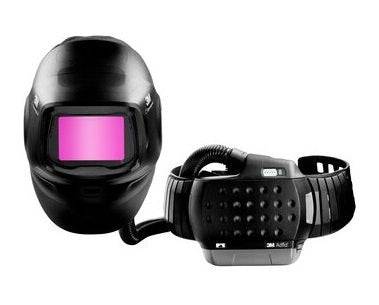
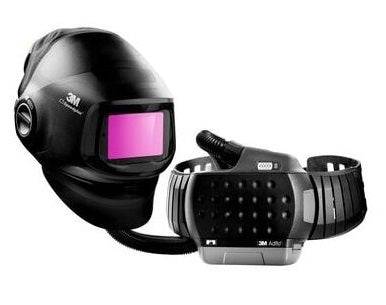
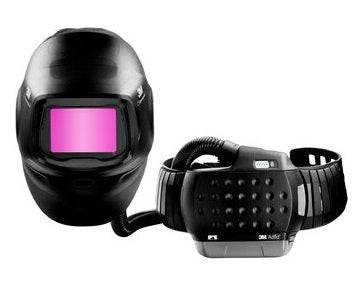
Our portfolio of respiratory protection products is designed to support a wide range of applications. Disposable and reusable half face masks provide flexibility for general use, while full face masks offer additional face and eye coverage where additional protection is required. Powered air systems support higher levels of comfort during long-duration tasks by reducing breathing resistance and delivering a continuous flow of filtered air.
Reliable breathing safety equipment is particularly important in sectors where exposure levels can vary throughout the day. Construction sites, industrial facilities, healthcare settings and maintenance operations often involve changing conditions, making adaptable solutions essential for maintaining safe working practices.
Respiratory Protection Types and Applications
Selecting the right solution depends on the type of hazard, exposure duration, and working environment. The table below outlines the main product types available and how they are typically used:
| Product Type | Description | Typical Use Case | Key Benefits |
|---|---|---|---|
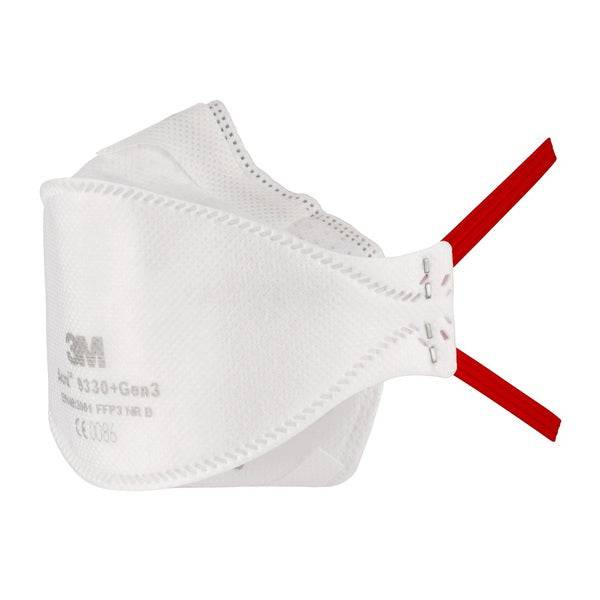
| Disposable Half Face Masks | Single-use masks designed for particulate filtration (FFP1, FFP2, FFP3) | Short-term tasks, dust and particle exposure | Lightweight, easy to use, no maintenance required |
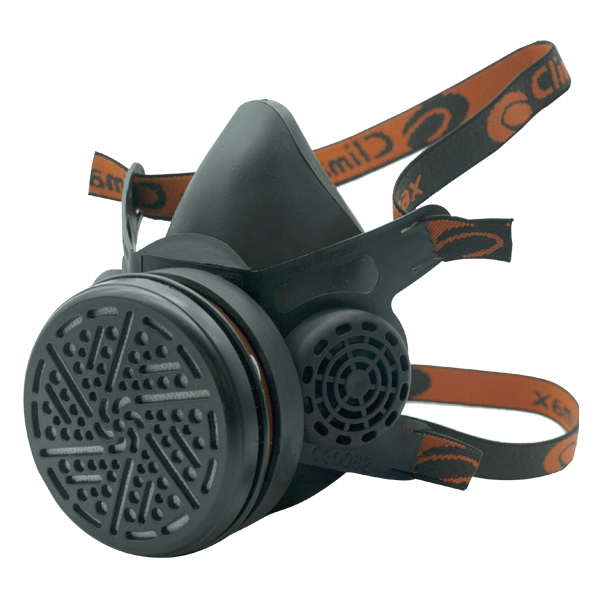
| Reusable Half Face Masks | Durable masks covering nose and mouth | General industrial applications | Reusable design, flexible filter options |
| Reusable Full Face Masks | Full coverage masks providing respiratory, face and eye protection | Chemical handling, high-risk environments | Increased protection, wider coverage |
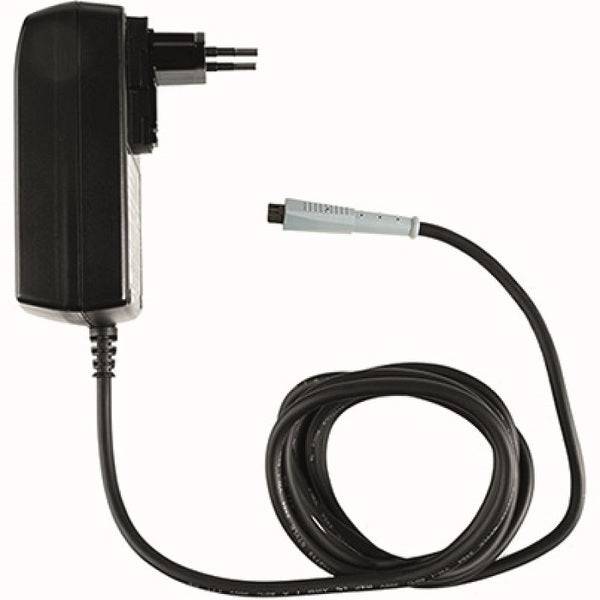
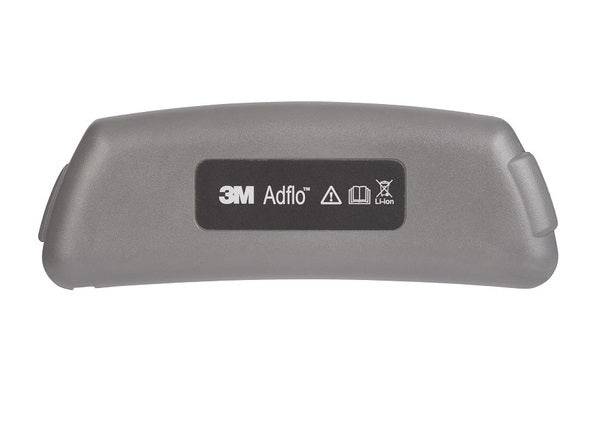
| Powered Air Systems | Motorised units supplying filtered air to the user | Long-duration or high-exposure environments | Reduced breathing effort, improved comfort |
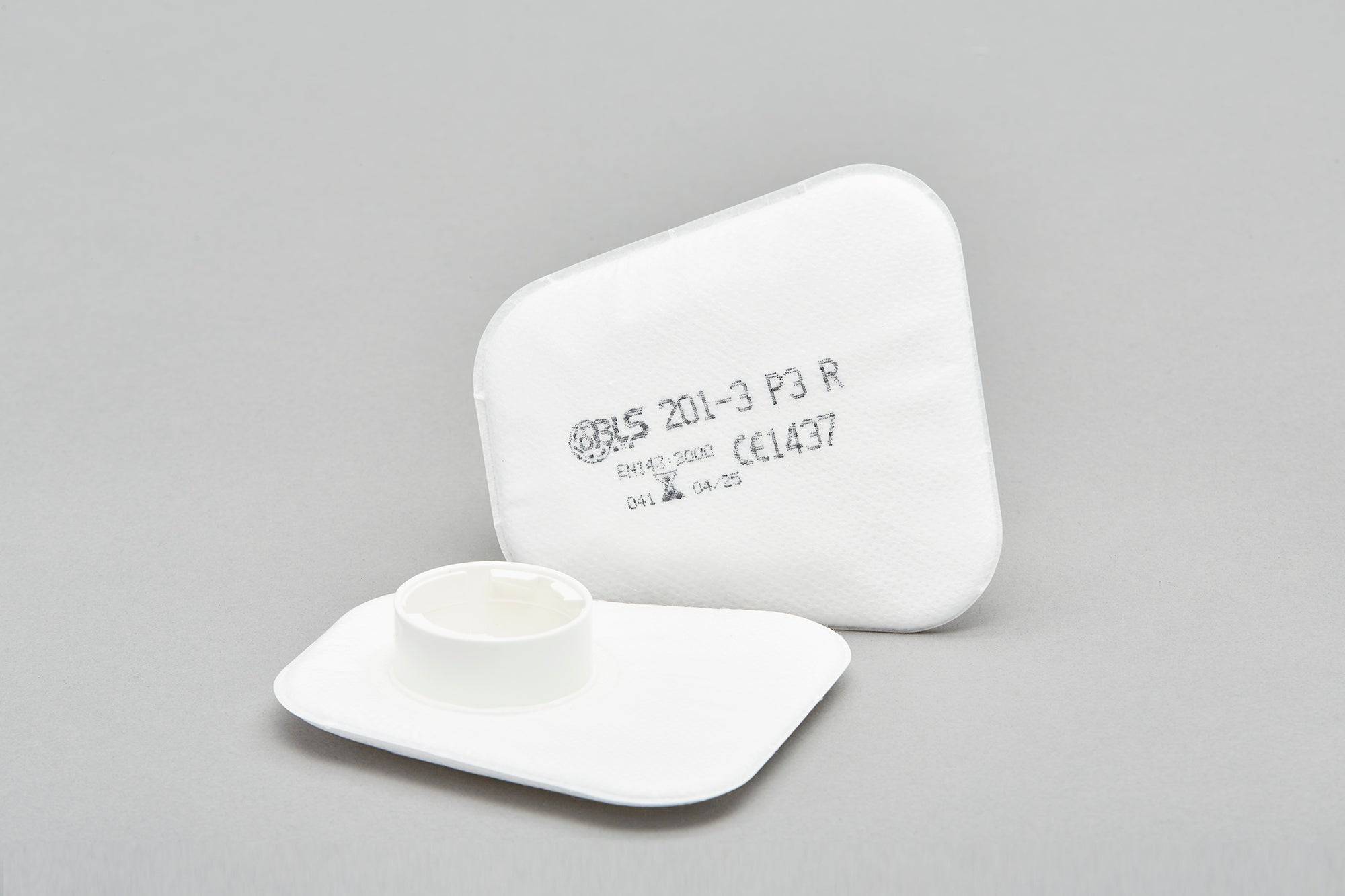
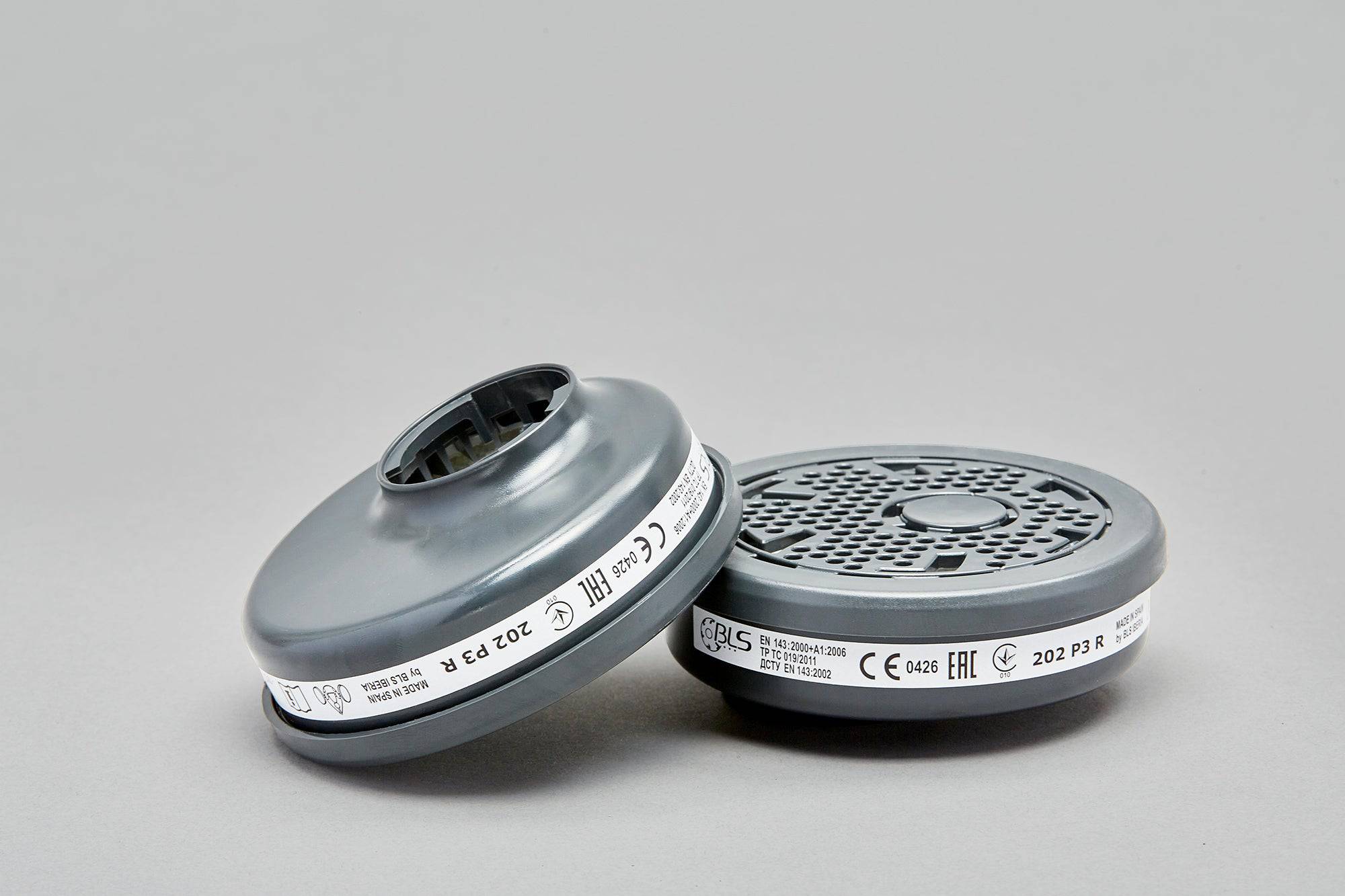
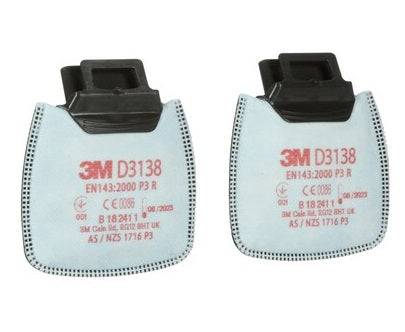
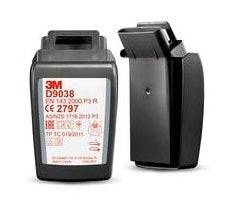
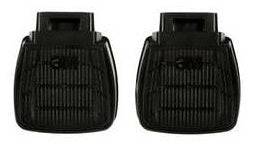
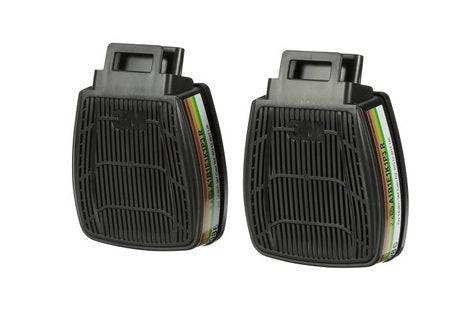
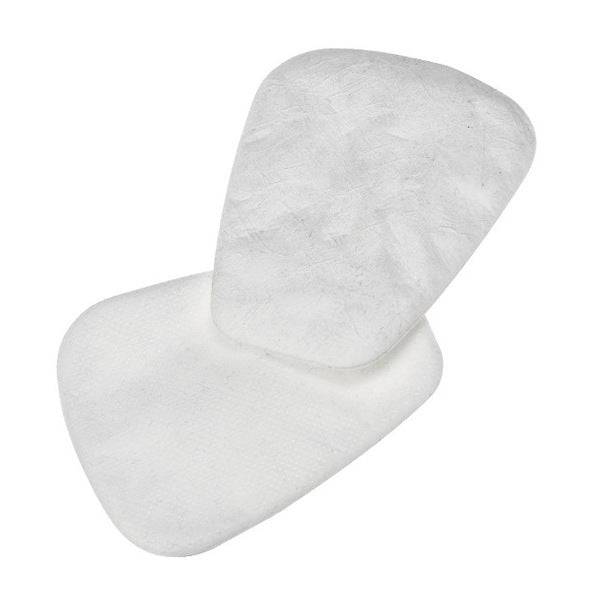
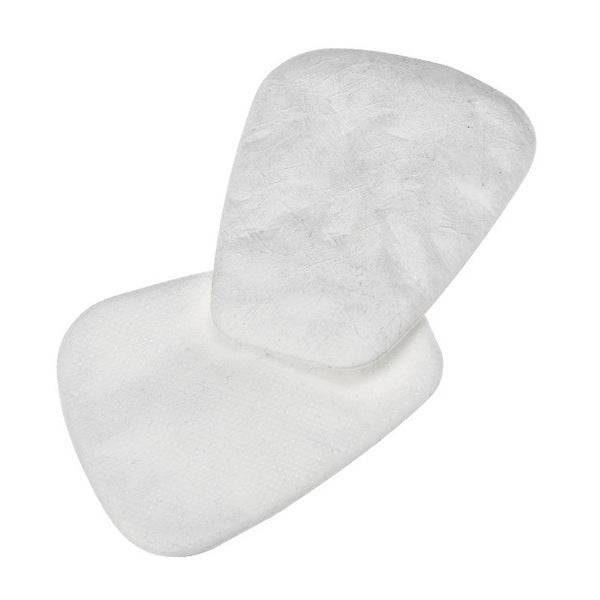
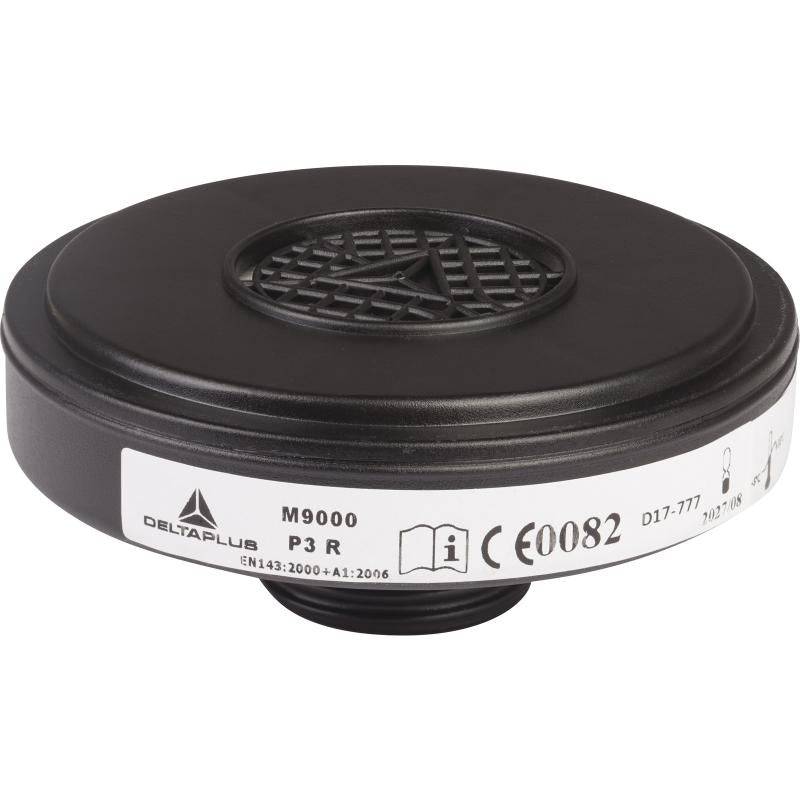
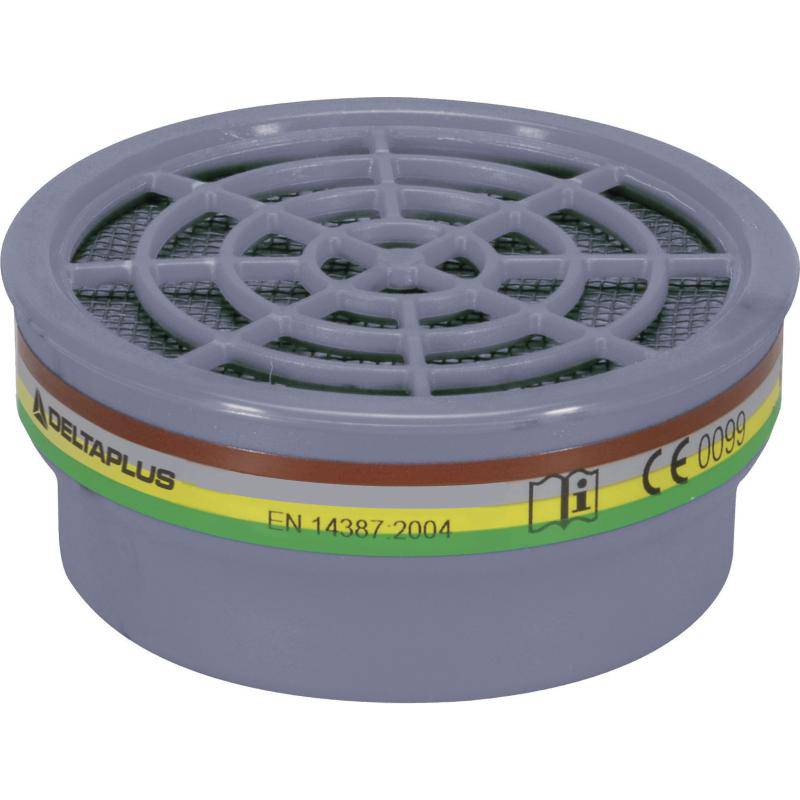
| Filters | Replaceable filters compatible with reusable masks and powered air systems | Ongoing use with half & full face masks and powered air systems | Targeted protection, adaptable to different hazards |
| Fit Test Kits | Equipment used to verify proper mask fit and seal | Compliance checks, safety validation | Ensures correct performance and user safety |
Choosing the Right Respiratory Protection
Selecting the correct respiratory protection solution requires careful evaluation of the working environment and the specific hazards present. The type of airborne contaminant is one of the most important factors. Dust and particulates require different filtration compared to gases or chemical vapours, so choosing the correct filter classification is essential.
Fit is another critical consideration. Even the highest-performing filter will not provide effective protection if the mask does not seal properly against the face. This is why fit testing is an important part of respiratory protection safety, particularly for masks used in higher-risk environments.
Duration of use also plays a role. For short, intermittent tasks, disposable masks may be sufficient. For extended exposure, reusable options or powered air systems may offer improved comfort and performance. Environmental conditions should also be considered, as temperature, humidity, and physical activity levels can affect how equipment performs over time.
Compatibility with other PPE is equally important. Respiratory equipment must work alongside head protection, eye protection, and hearing protection without interfering with fit or function. A well-integrated setup supports consistent use and reduces the likelihood of equipment being removed during tasks.
Supporting Safe and Efficient Operations
Reliable respiratory safety equipment is a key component of any workplace safety strategy. By reducing exposure to airborne hazards, these systems help protect long-term health while also supporting productivity. Clear breathing, reduced fatigue, and improved comfort all contribute to better performance across tasks.
Across construction, infrastructure, manufacturing, maintenance and healthcare sectors, respiratory protection equipment supports safe working practices in environments where conditions can change quickly. From routine maintenance to complex operations, having the correct equipment available helps ensure that teams are prepared for different exposure levels.
Our range is designed to support constant respiratory protection safety across multiple applications. Whether used by individual operators or across larger teams, these solutions help maintain controlled working environments and support compliance with safety requirements.
Buy Respiratory Protection Today
If you are looking to upgrade your respiratory protection equipment, explore our full range today. Whether you require disposable masks for short-term tasks, reusable options for ongoing use, or advanced powered systems for high-demand environments, SecureHeights offers reliable options to match your requirements.
Browse the collection now and equip your team with reliable breathing protection designed to support safer and more efficient working environments.