










Walkie Talkies for Reliable Communication on Site
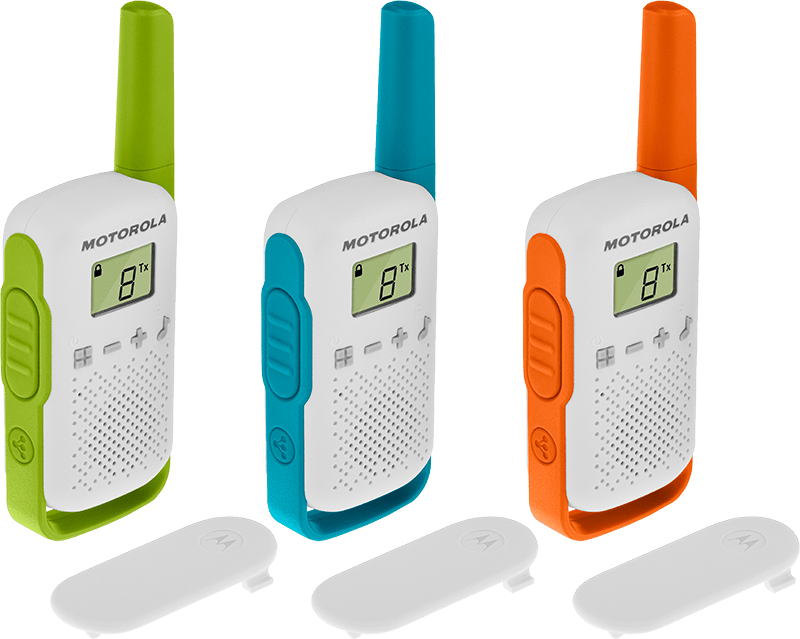
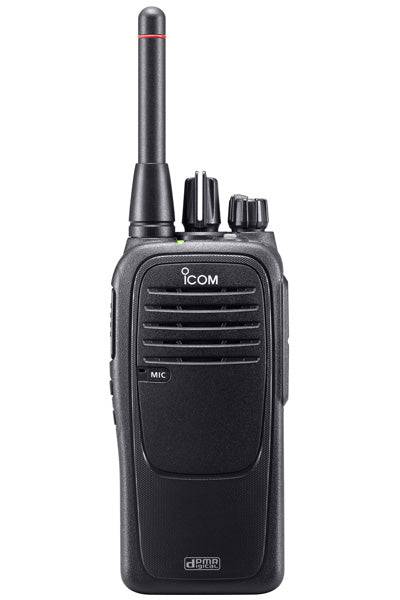
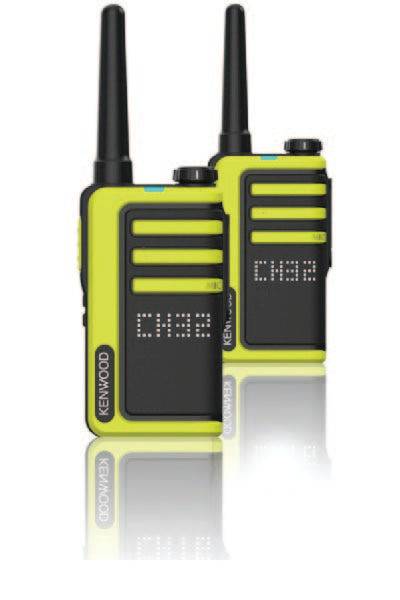
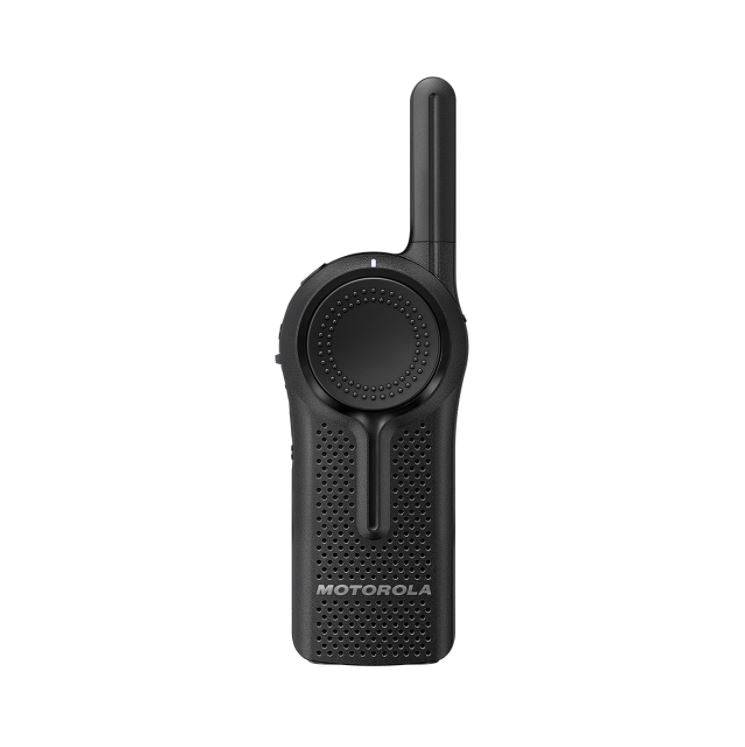
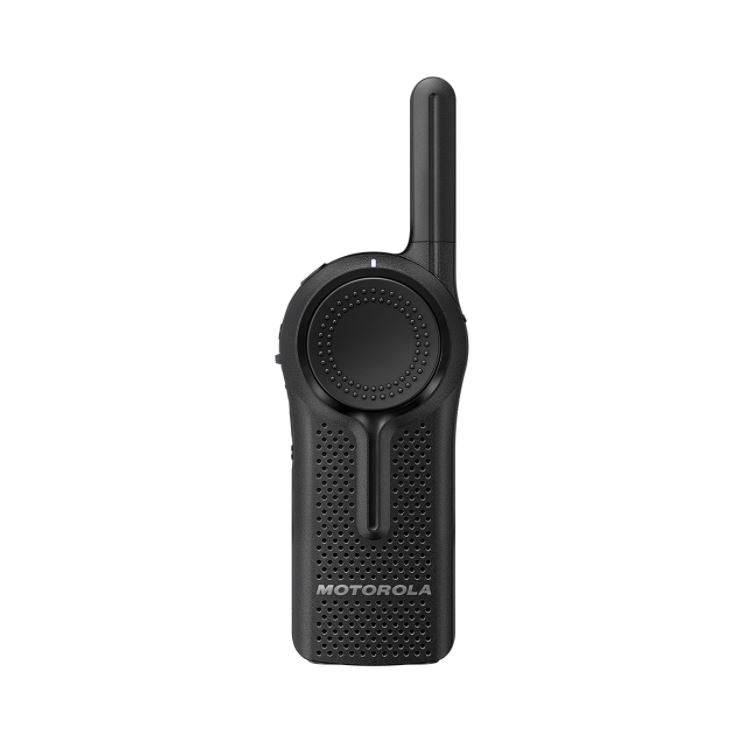
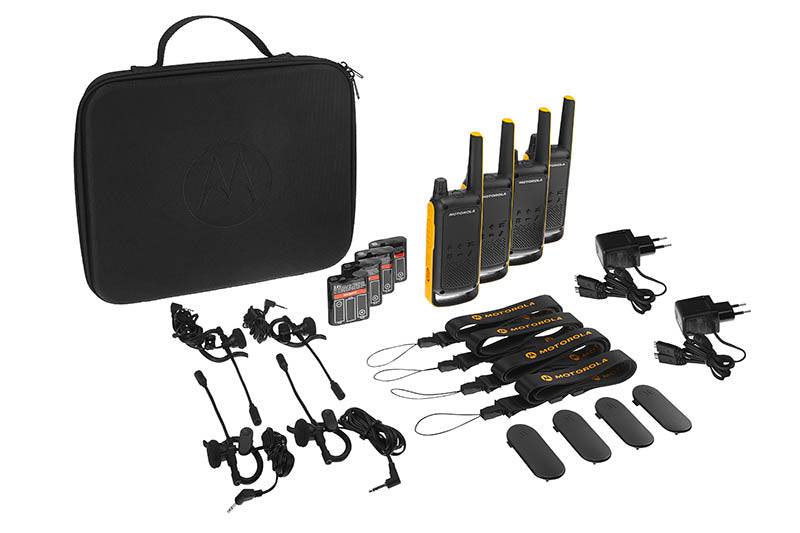
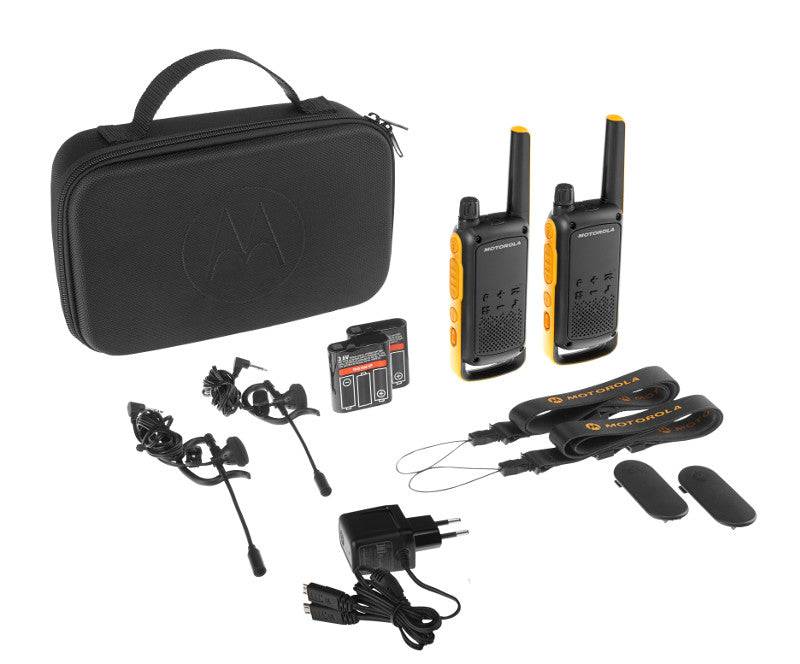
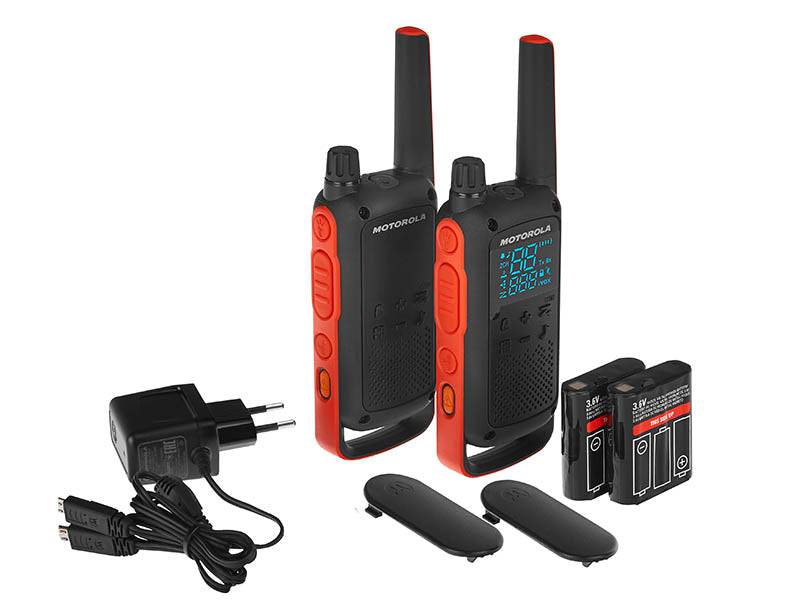
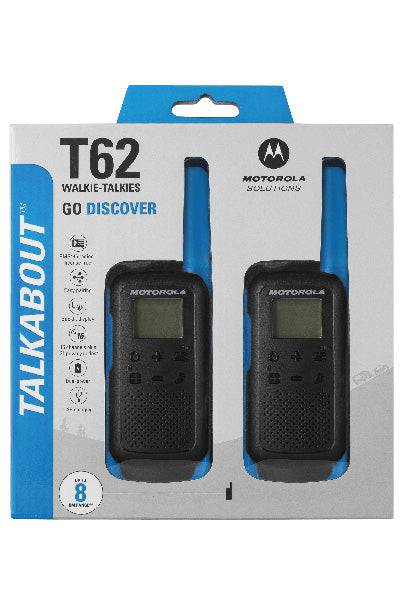
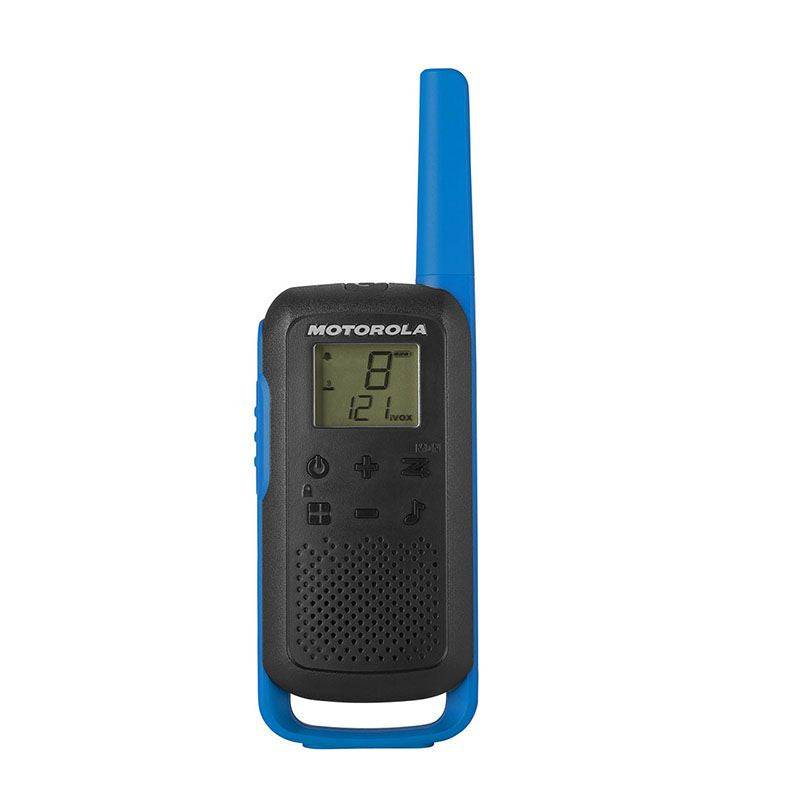
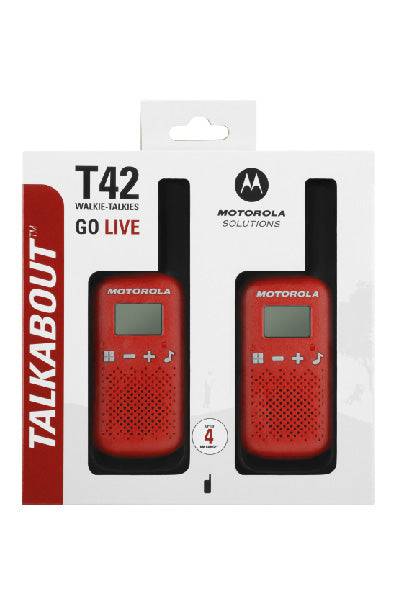
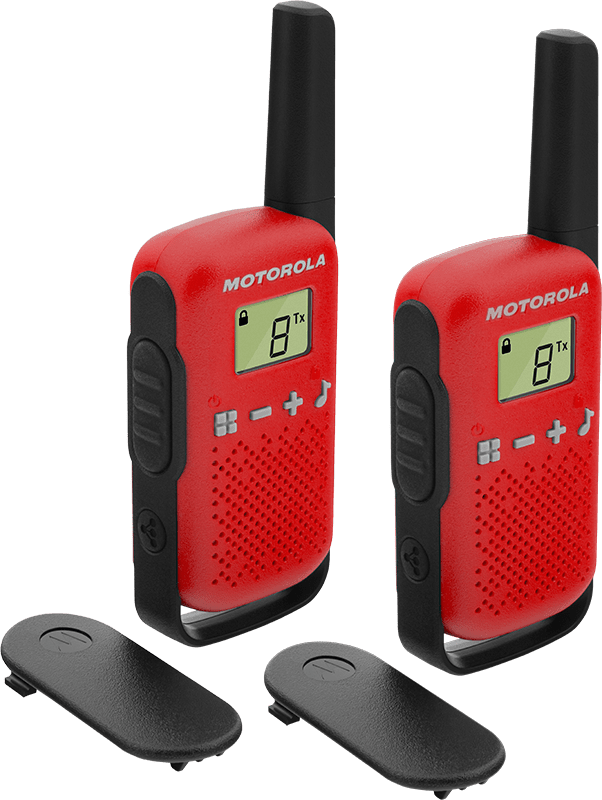
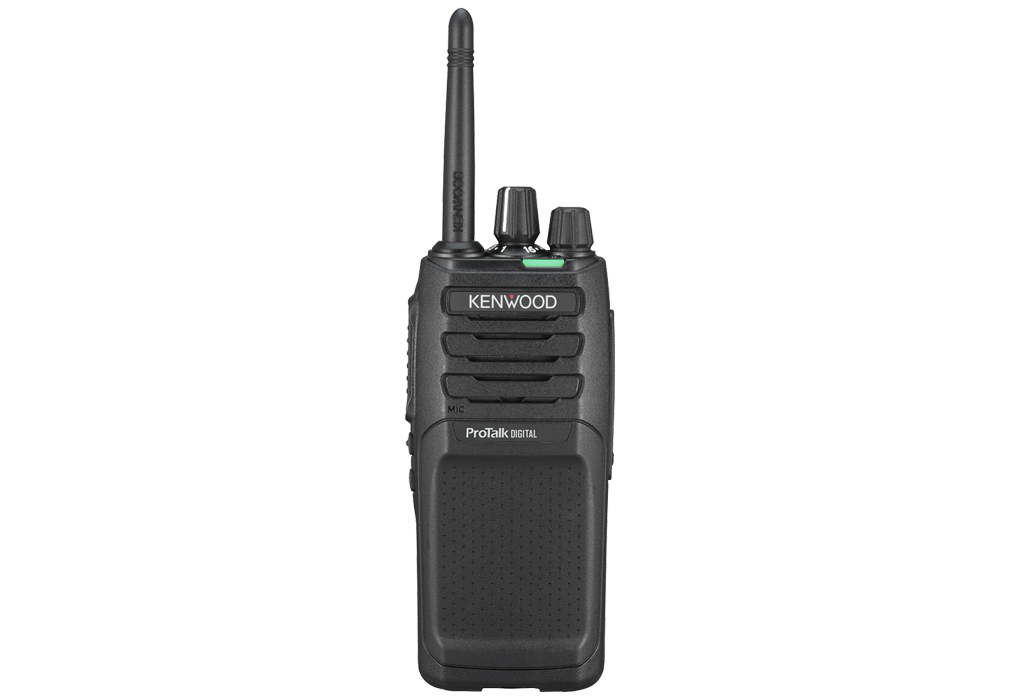
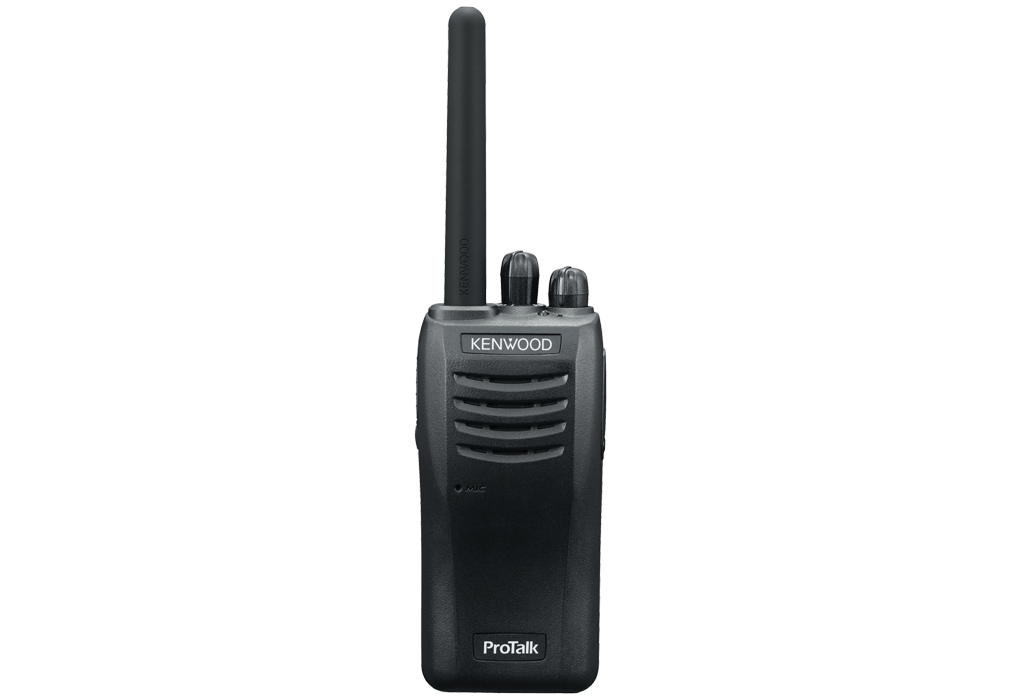
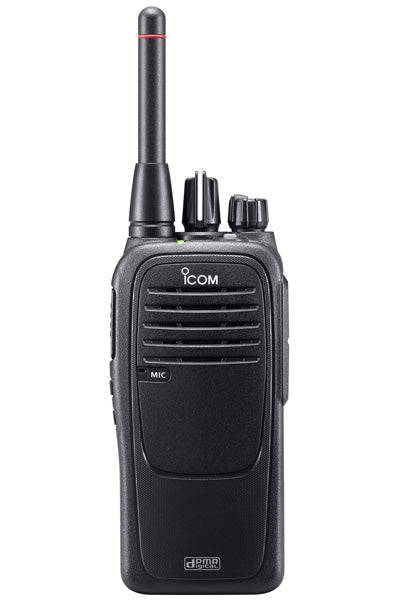
At SecureHeights, we supply a carefully selected range of walkie talkies for sale from leading brands such as Motorola, Kenwood, and Icom. All models operate on licence-free PMR446 frequencies, allowing fast deployment without additional setup requirements.
Designed for Everyday Site Use
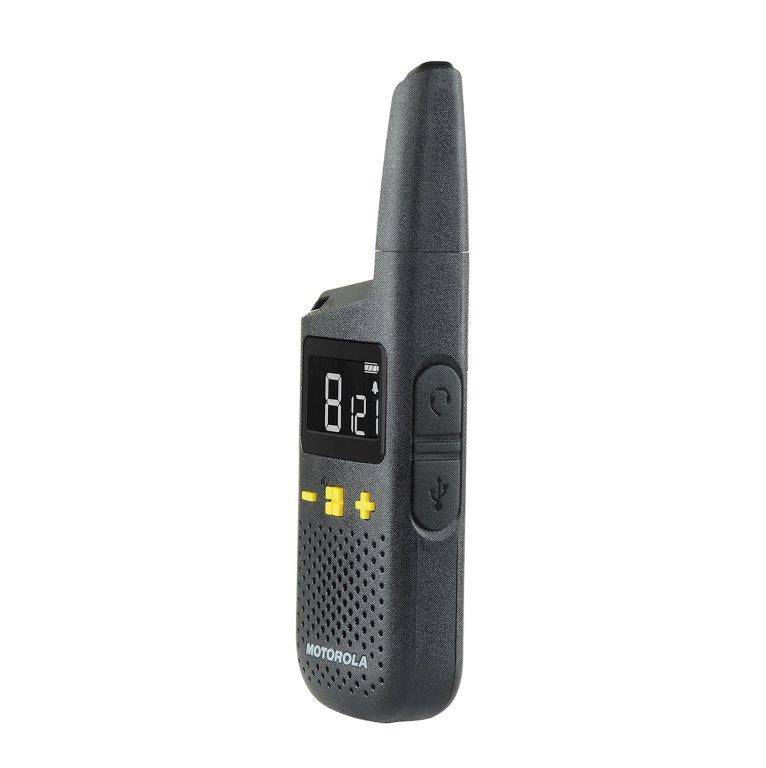
Our range of hand held walkie talkies is built for straightforward operation. Devices can be used immediately: select a channel and communicate without relying on mobile coverage or network availability.
From compact portable walkie talkies to more robust heavy duty walkie talkies, our selection supports different working environments.
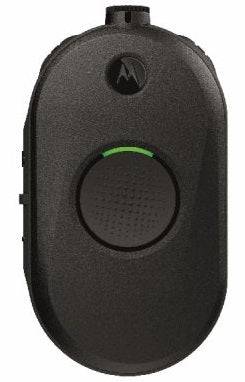
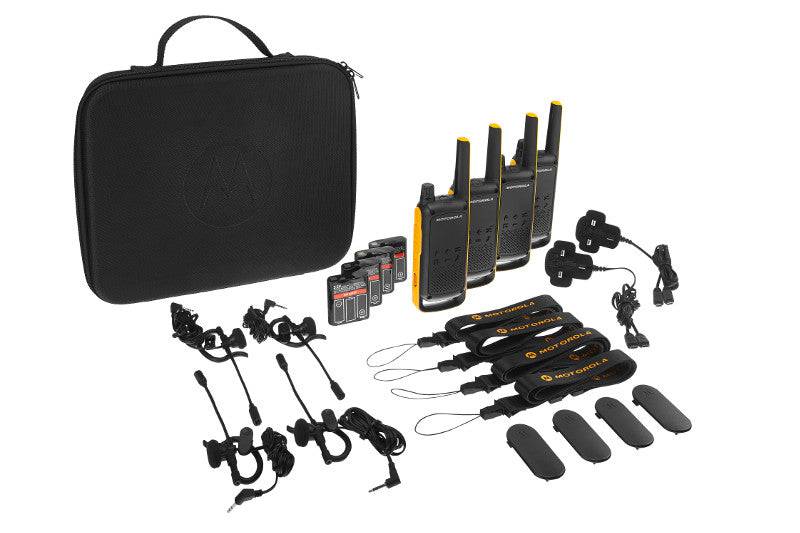
As well as this, many models offer the ability to be easily carried or attached to clothing, ensuring accessibility throughout the working day.
Performance Across Different Environments
Communication requirements vary depending on site size and layout. For larger or more complex areas, high-range and high powered walkie talkies help maintain signal clarity across wider distances and provide enhanced performance within licence-free limits.
For teams operating in demanding conditions, construction walkie talkies provide durable designs and consistent audio clarity even in noisy surroundings. In specialist scenarios such as rope access or elevated work, walkie talkies for climbing can support coordination where visibility is limited and direct communication is essential.
For mixed teams using different devices, a universal walkie talkie approach allows multiple units to operate on shared channels.
Walkie Talkie Selection Guide
| Type / Configuration | Description | Typical Use Case | Key Benefits |
|---|---|---|---|
| Compact Radios | Compact and lightweight radios | General site communication | Easy to carry, quick to deploy |
| Heavy Duty Models | Reinforced designs for demanding environments | Construction, industrial sites | Durable, reliable operation |
| High Range Radios | Enhanced signal performance | Large sites, outdoor areas | Improved coverage and clarity |
Choosing the Right Solution
When planning a walkie talkie purchase, it is important to consider the working environment, number of users, and required communication range. Indoor environments may require strong signal penetration, while open outdoor areas benefit from extended coverage.
The cost of walkie talkie devices can vary depending on features, durability, and included accessories. Selecting the right combination helps ensure long-term usability and effective communication without unnecessary complexity.
Supporting Safe and Efficient Operations
Reliable communication tools play a key role in maintaining coordination across teams. Walkie talkies for work allow instant updates, improved response times, and better situational awareness, particularly in fast-moving or high-risk environments.
Shop Walkie Talkies Today
If you are looking to buy walkie talkies that match your operational needs, explore our full range today. Whether you need compact everyday units or more robust solutions, SecureHeights provides reliable options for a variety of applications.
Shop walkie talkie solutions now and equip your team with clear, instant communication for safer and more efficient work.