
Free shipping on UK orders over £99
We provide free shipping for UK based customers on orders over £99

Dedicated customer support
Please contact us on +44 (0) 3330 470 089 or sales@secureheights.co.uk












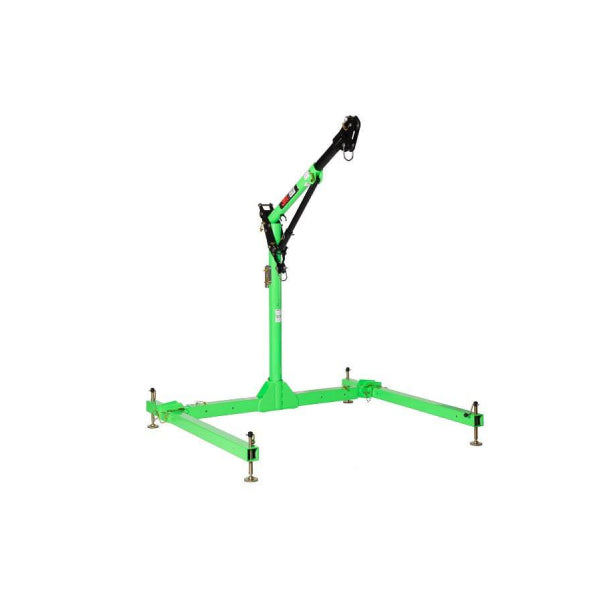
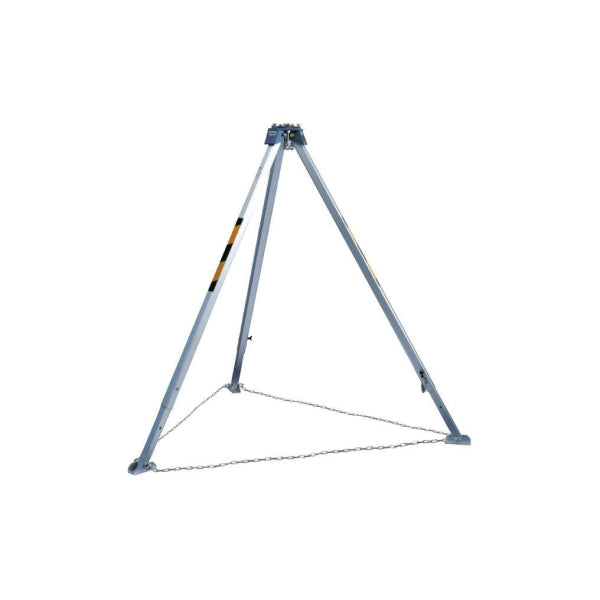
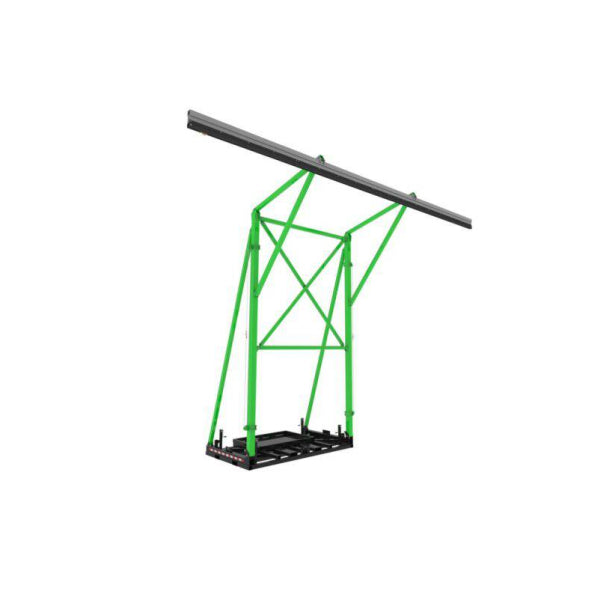
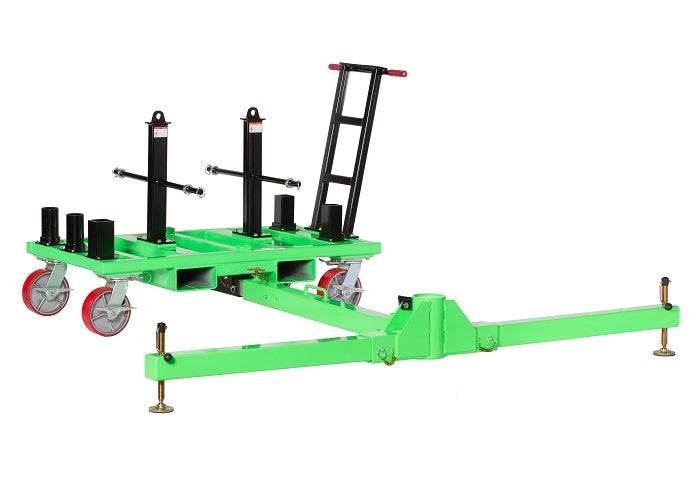
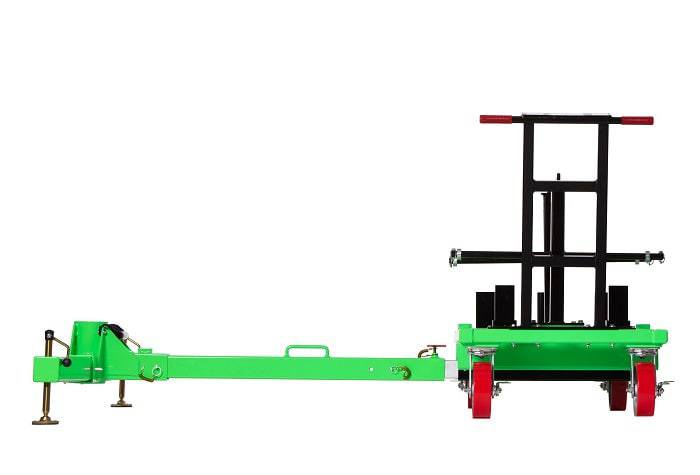
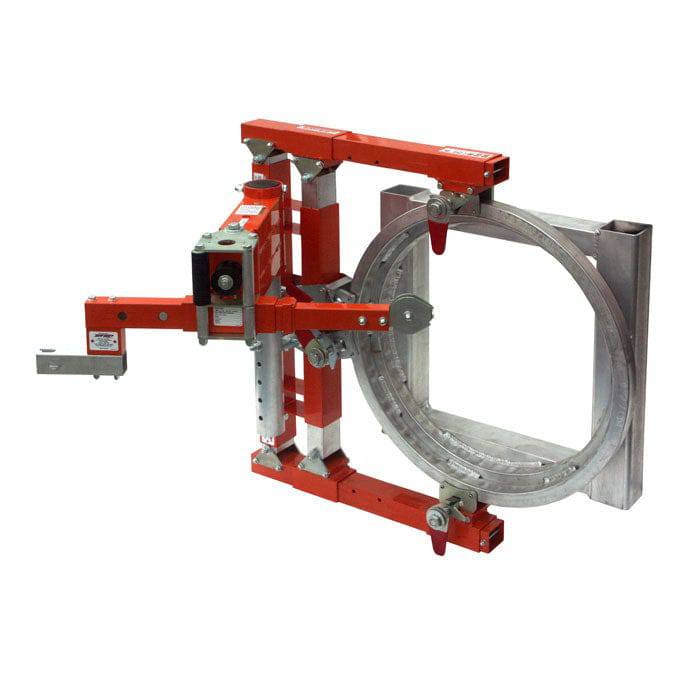
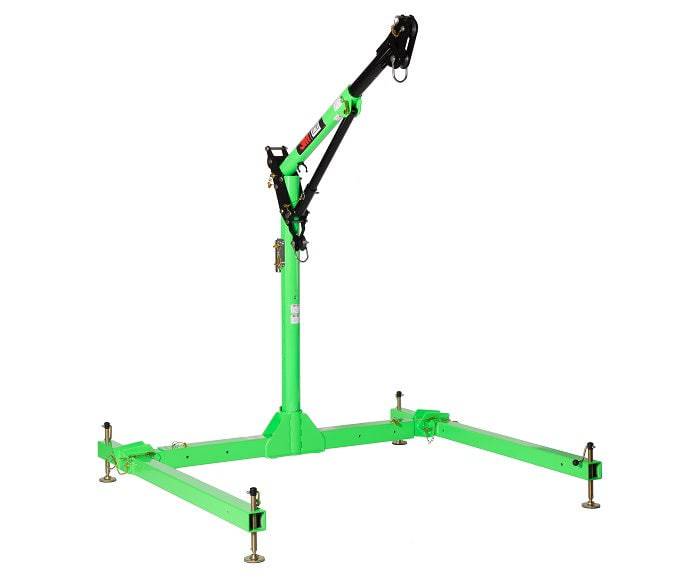
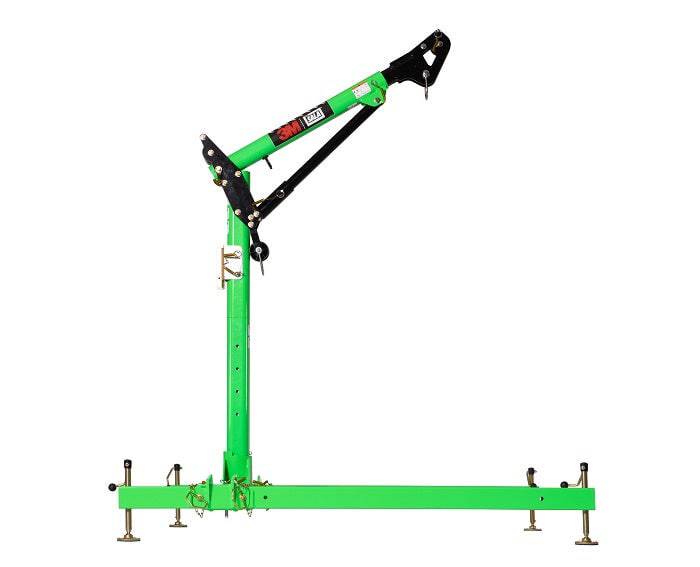
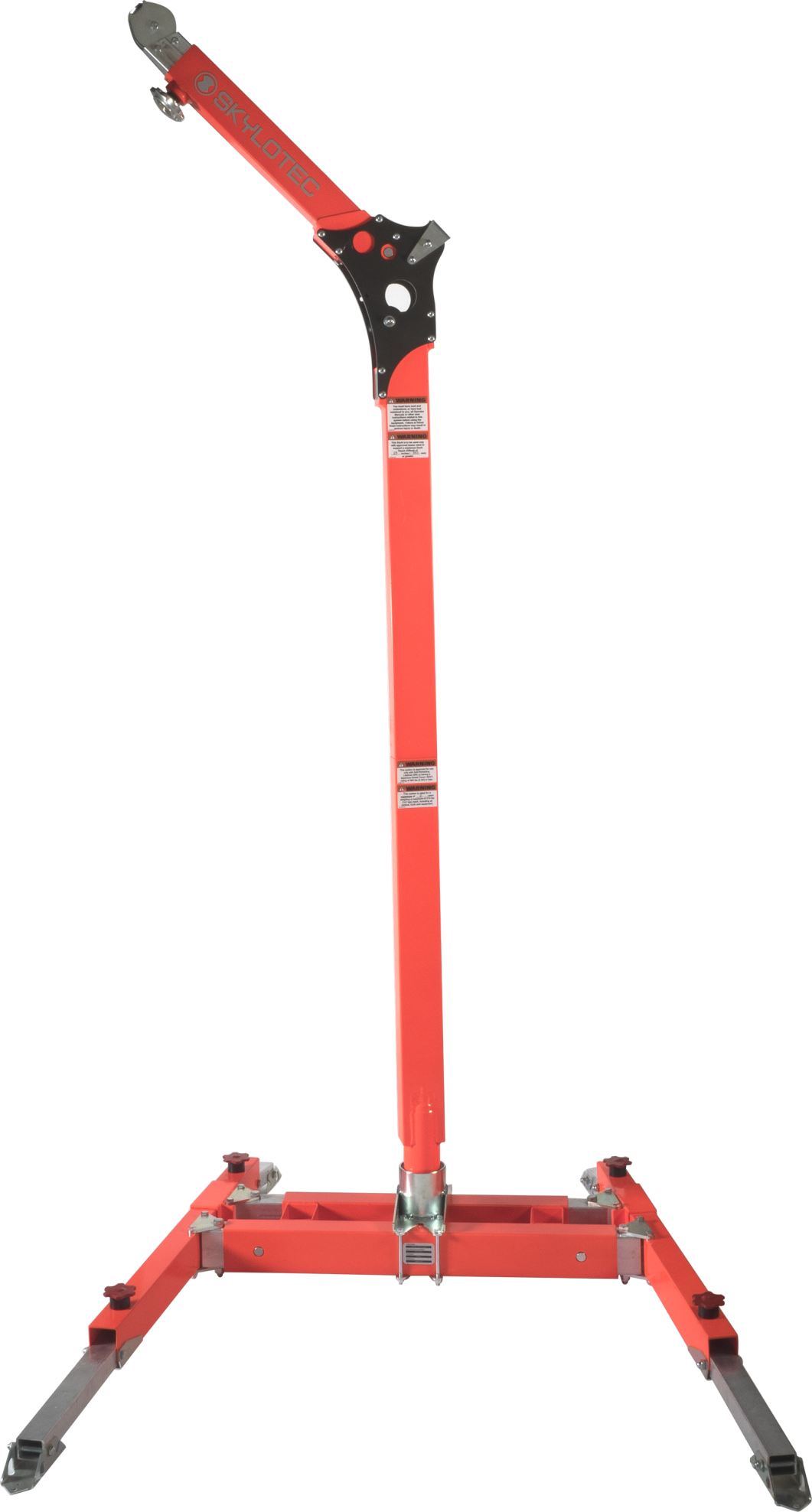
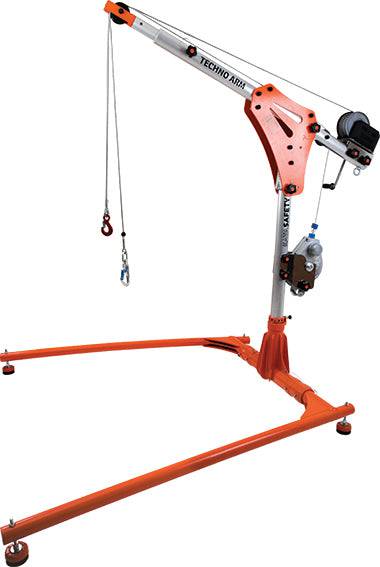
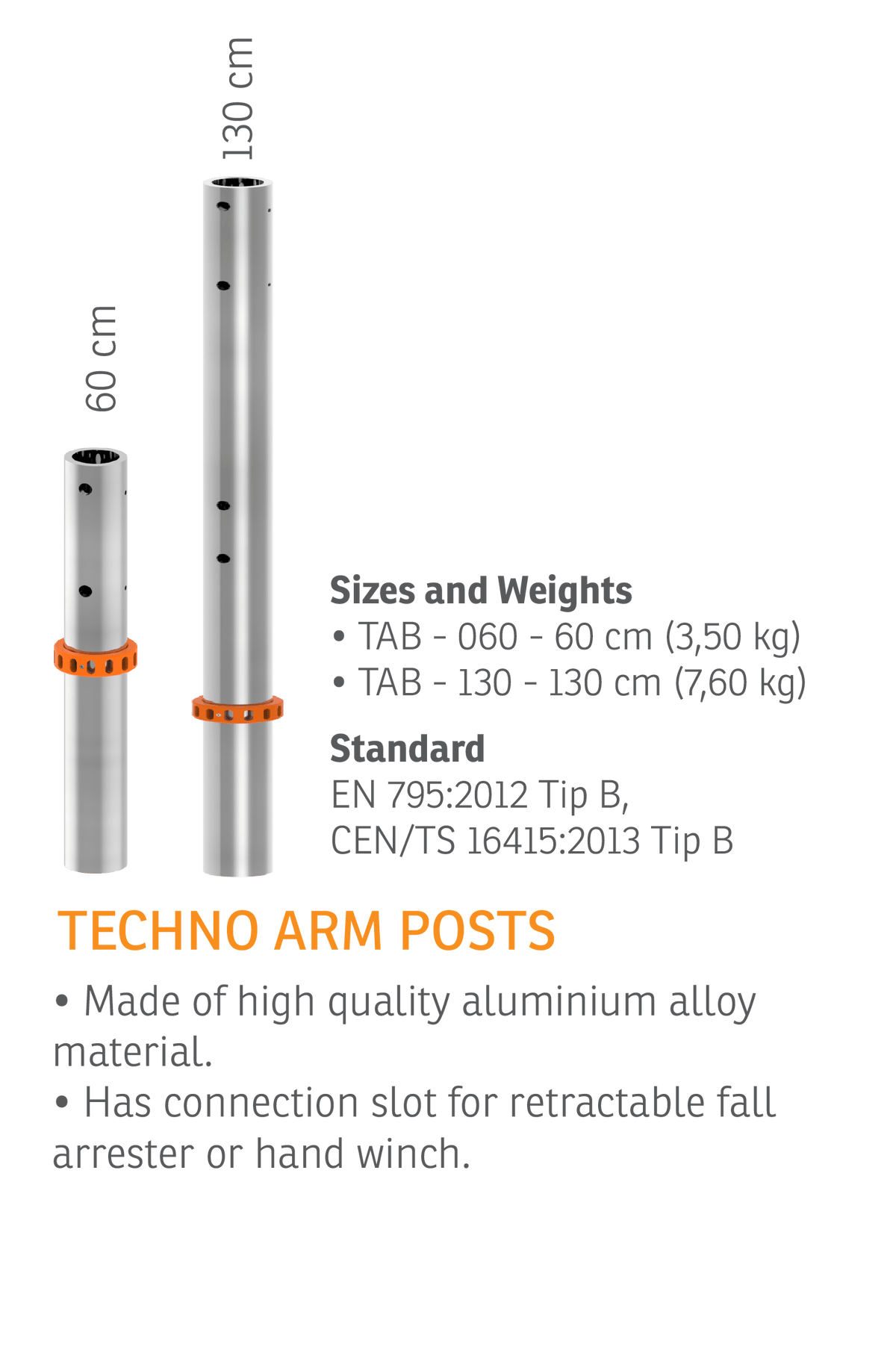
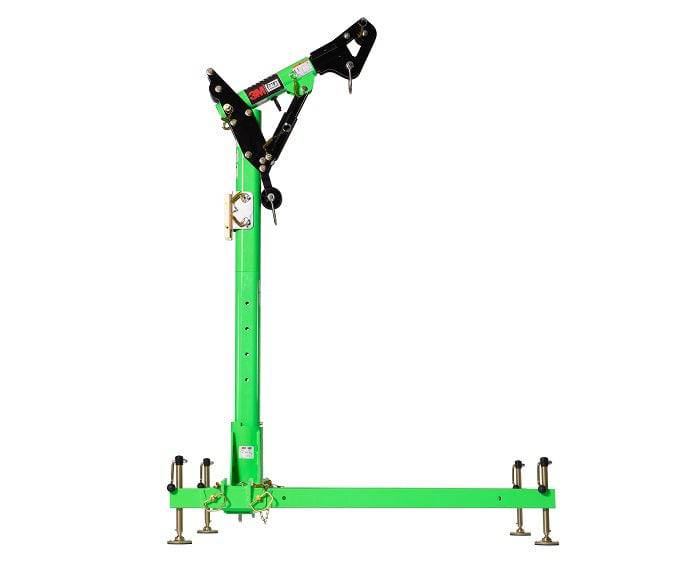
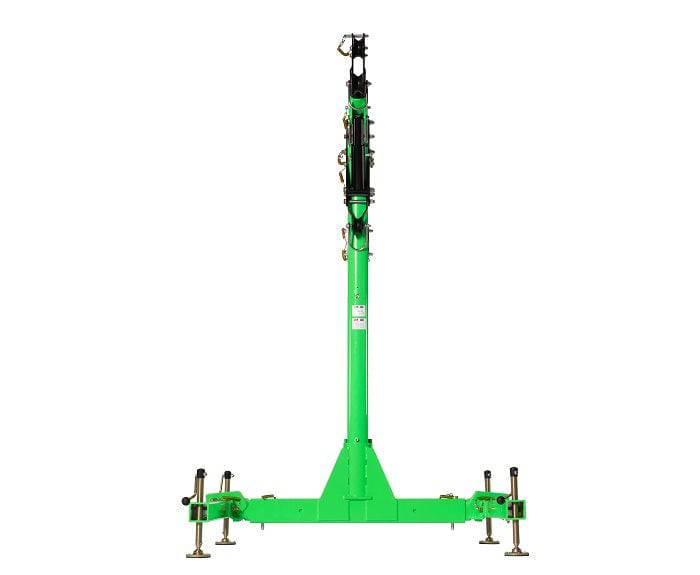
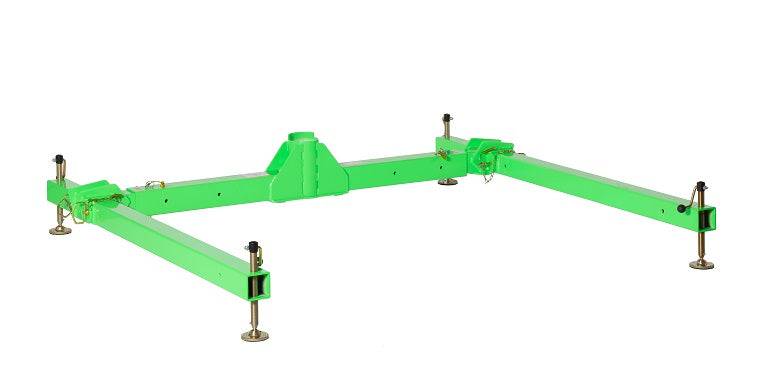
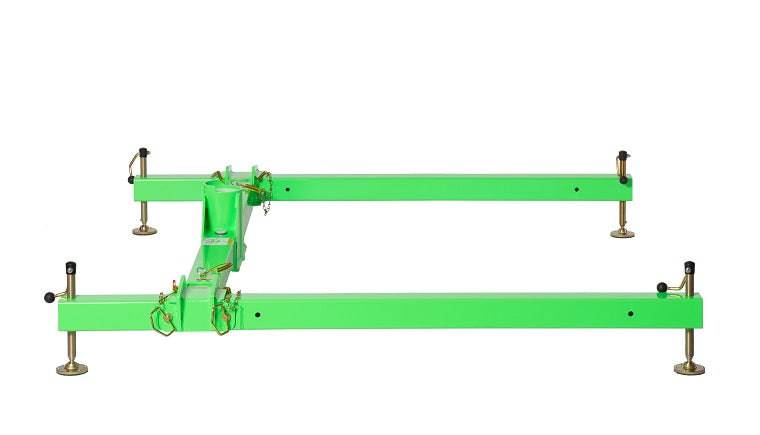
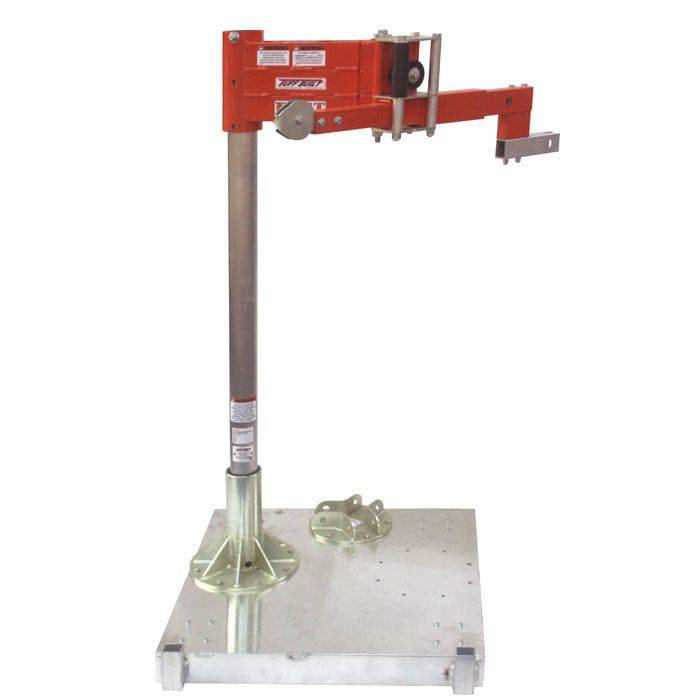
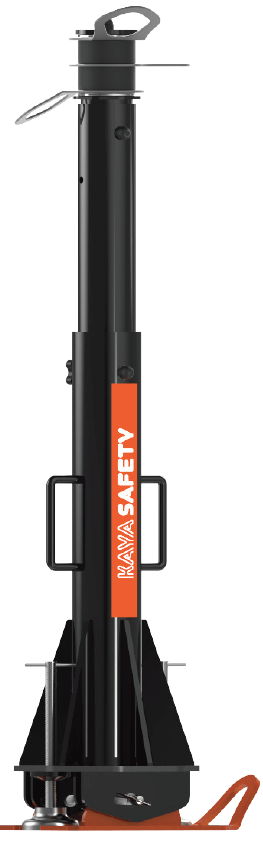
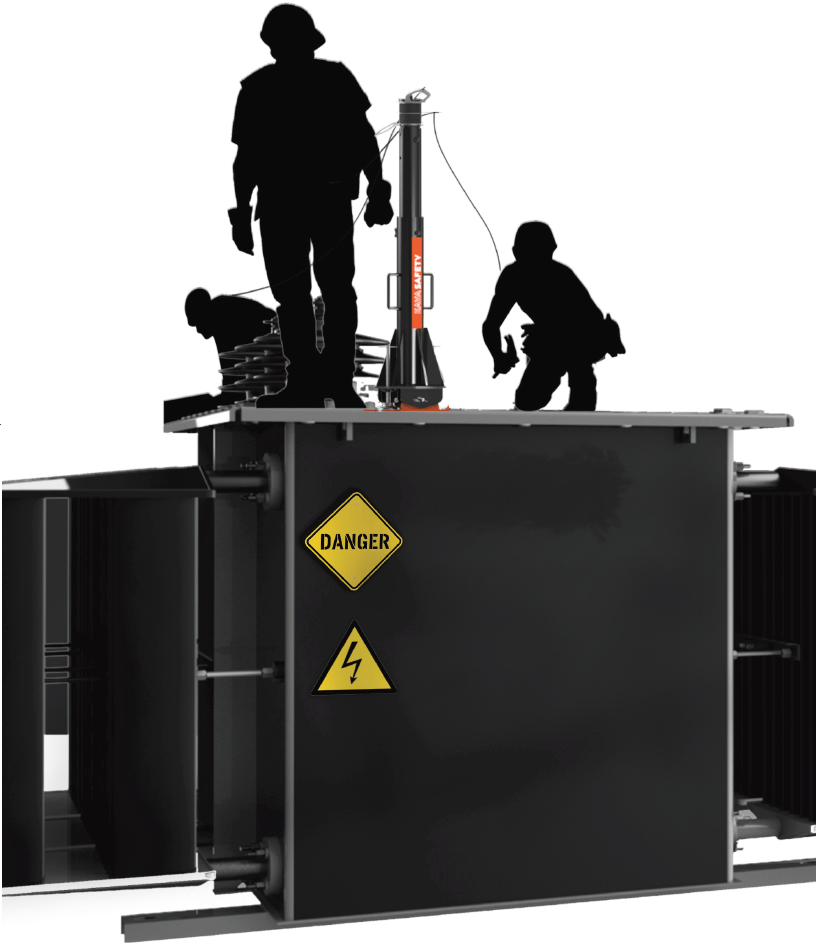
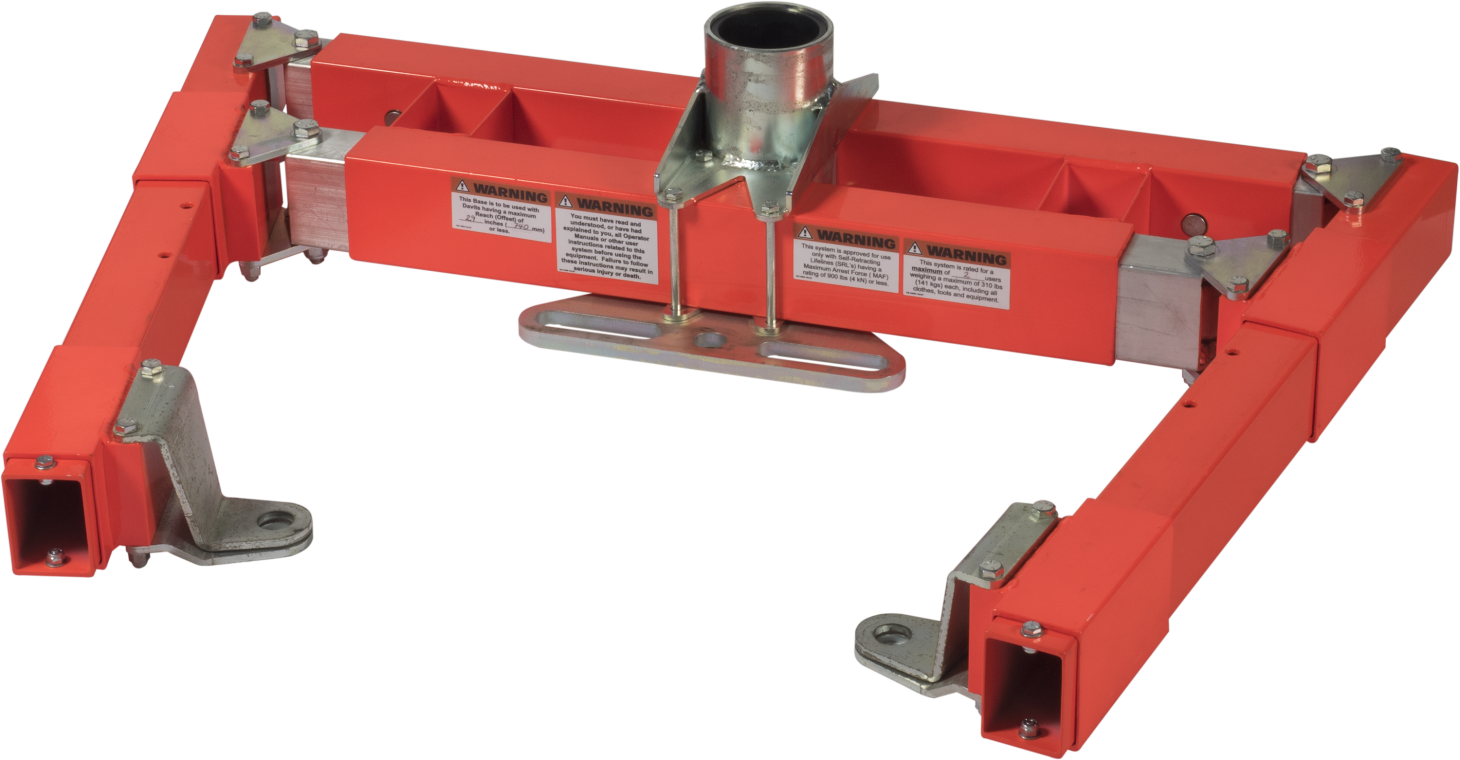
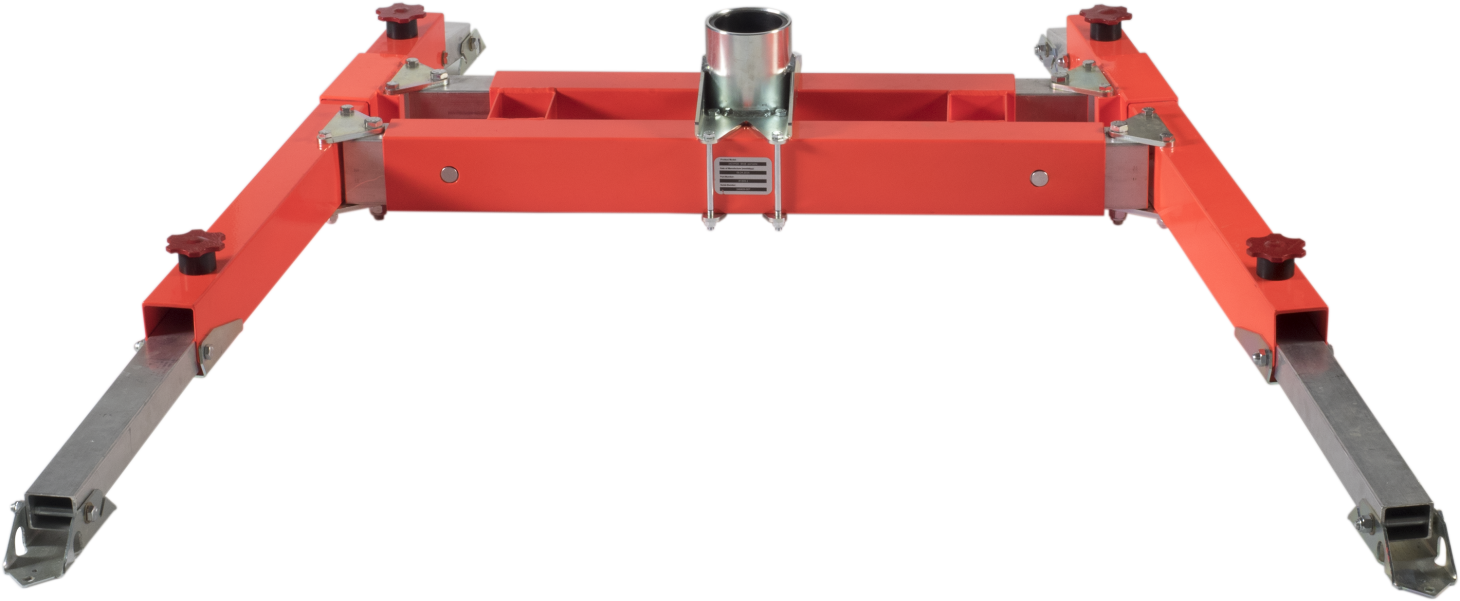
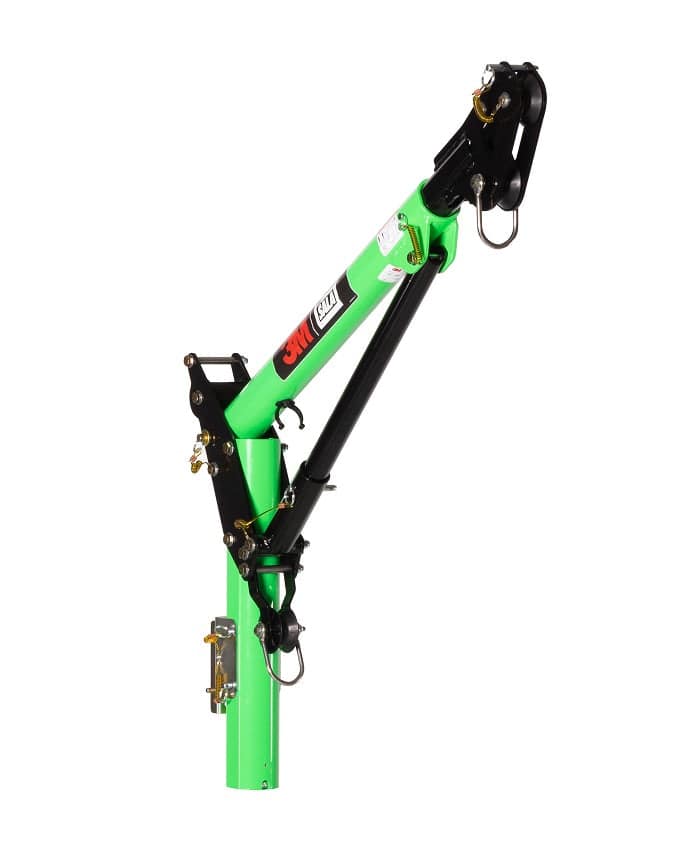
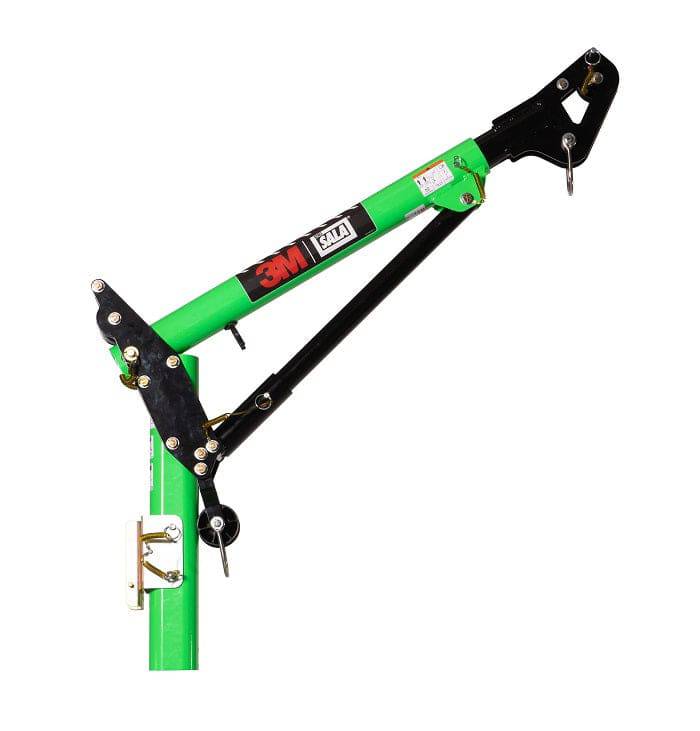
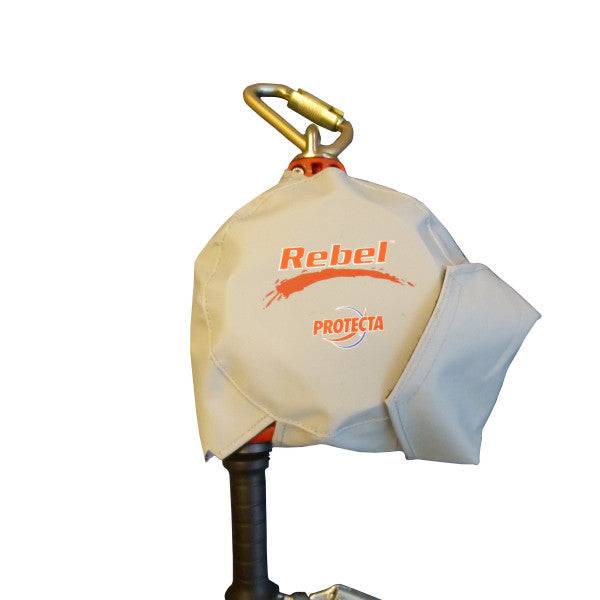
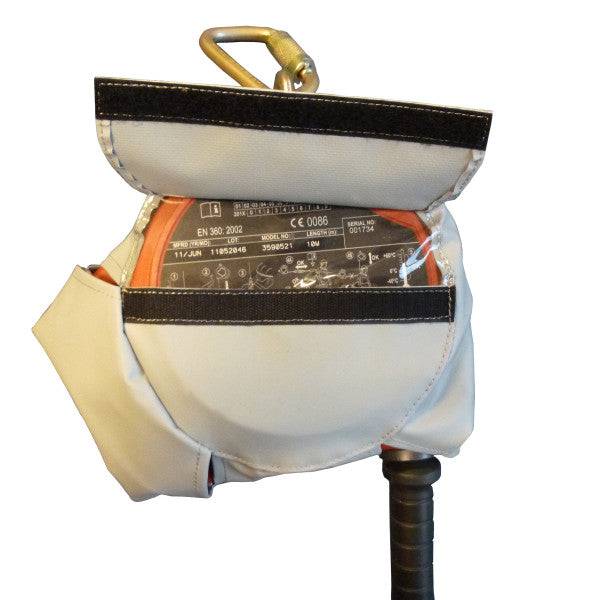
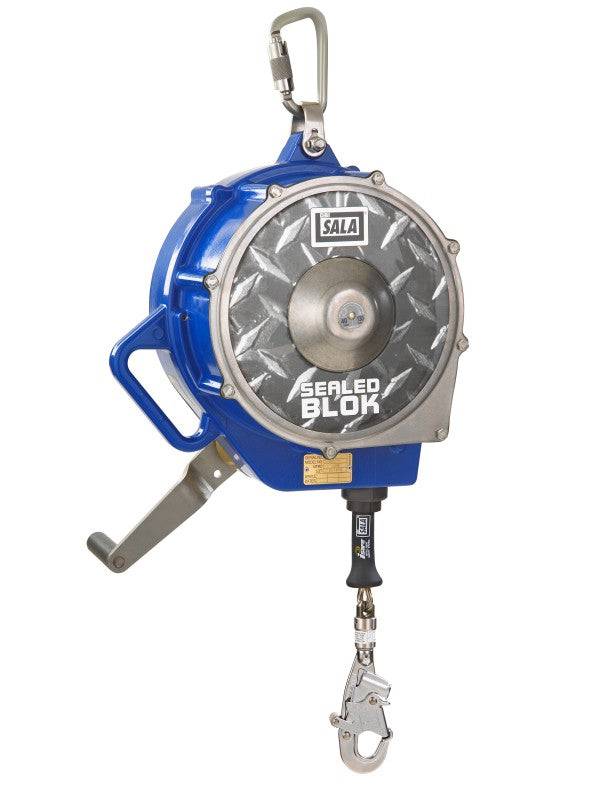
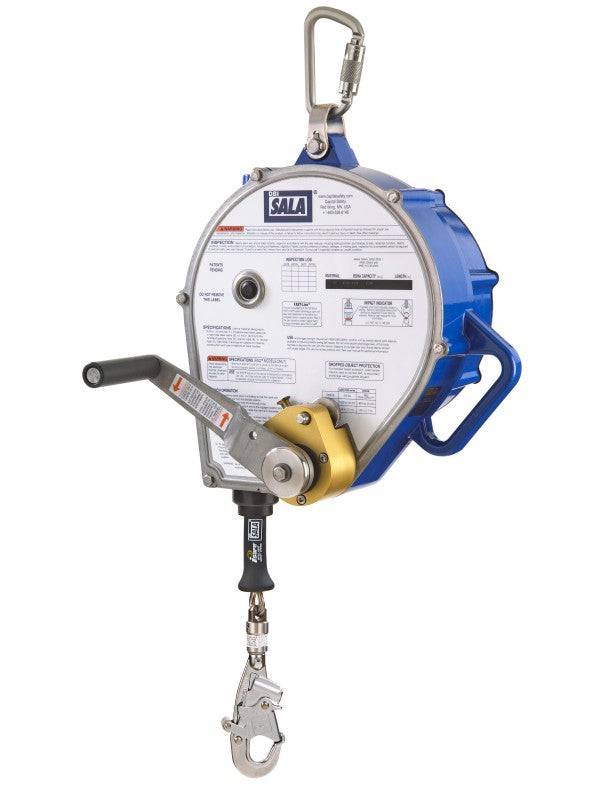
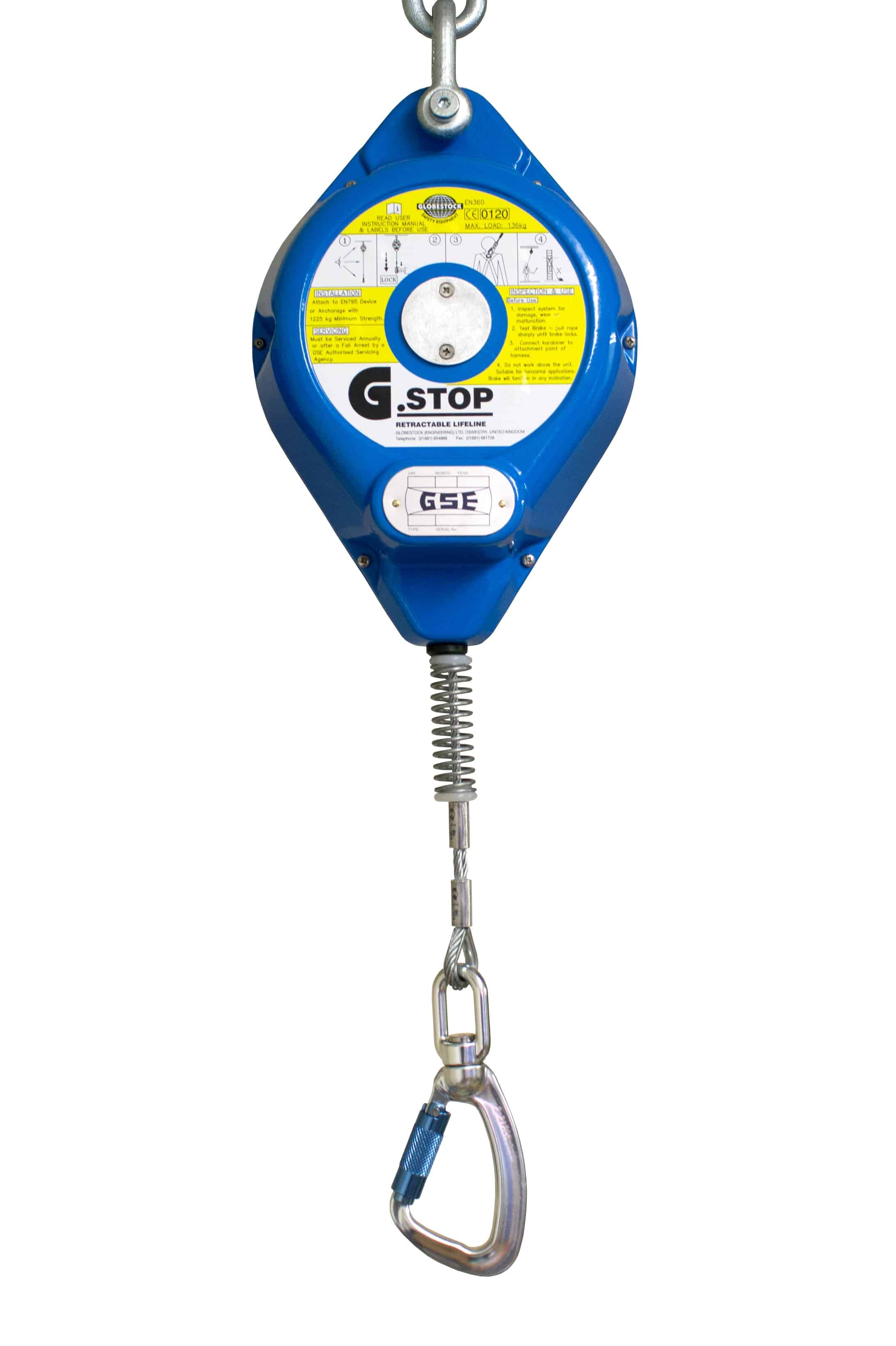
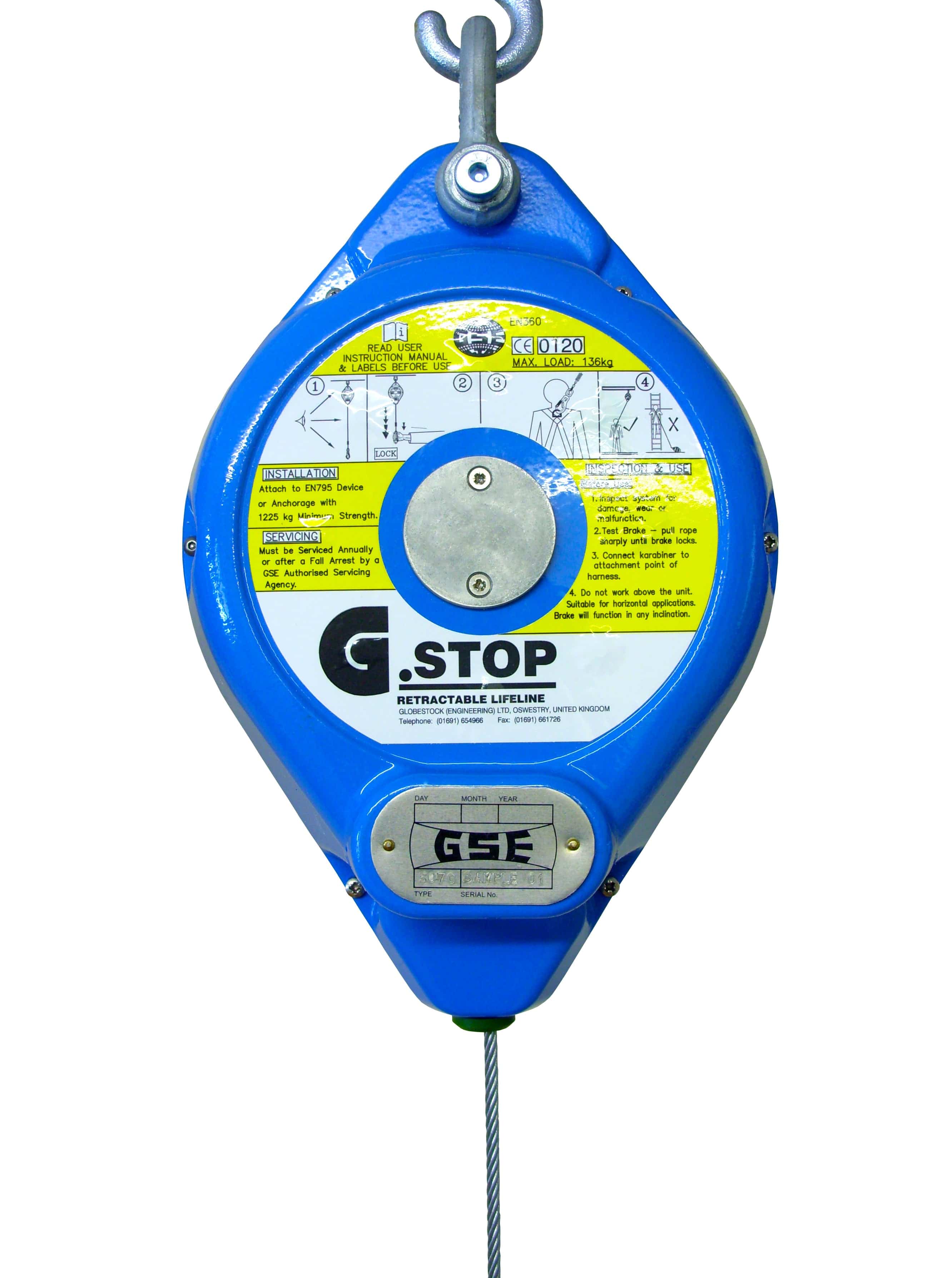
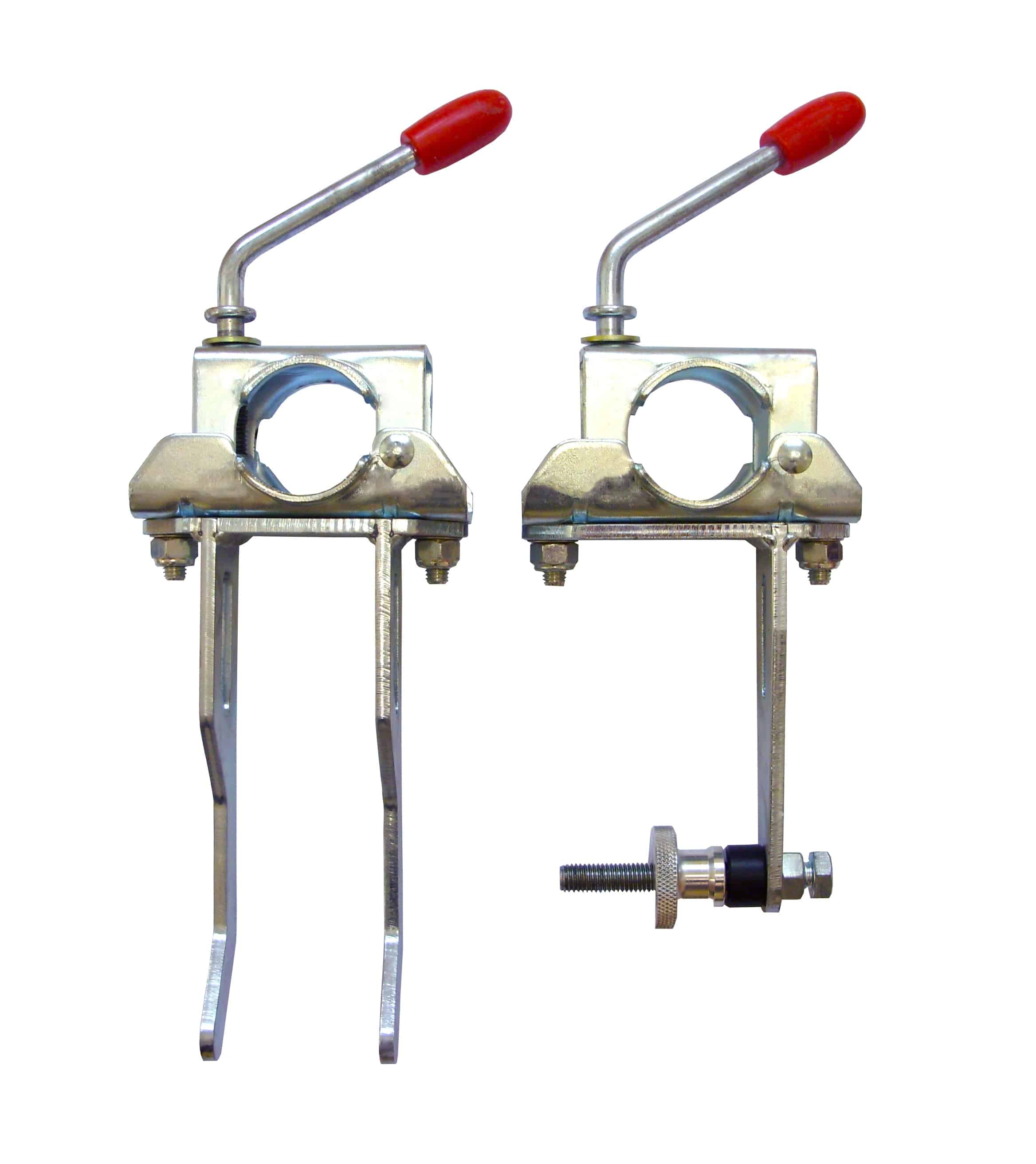
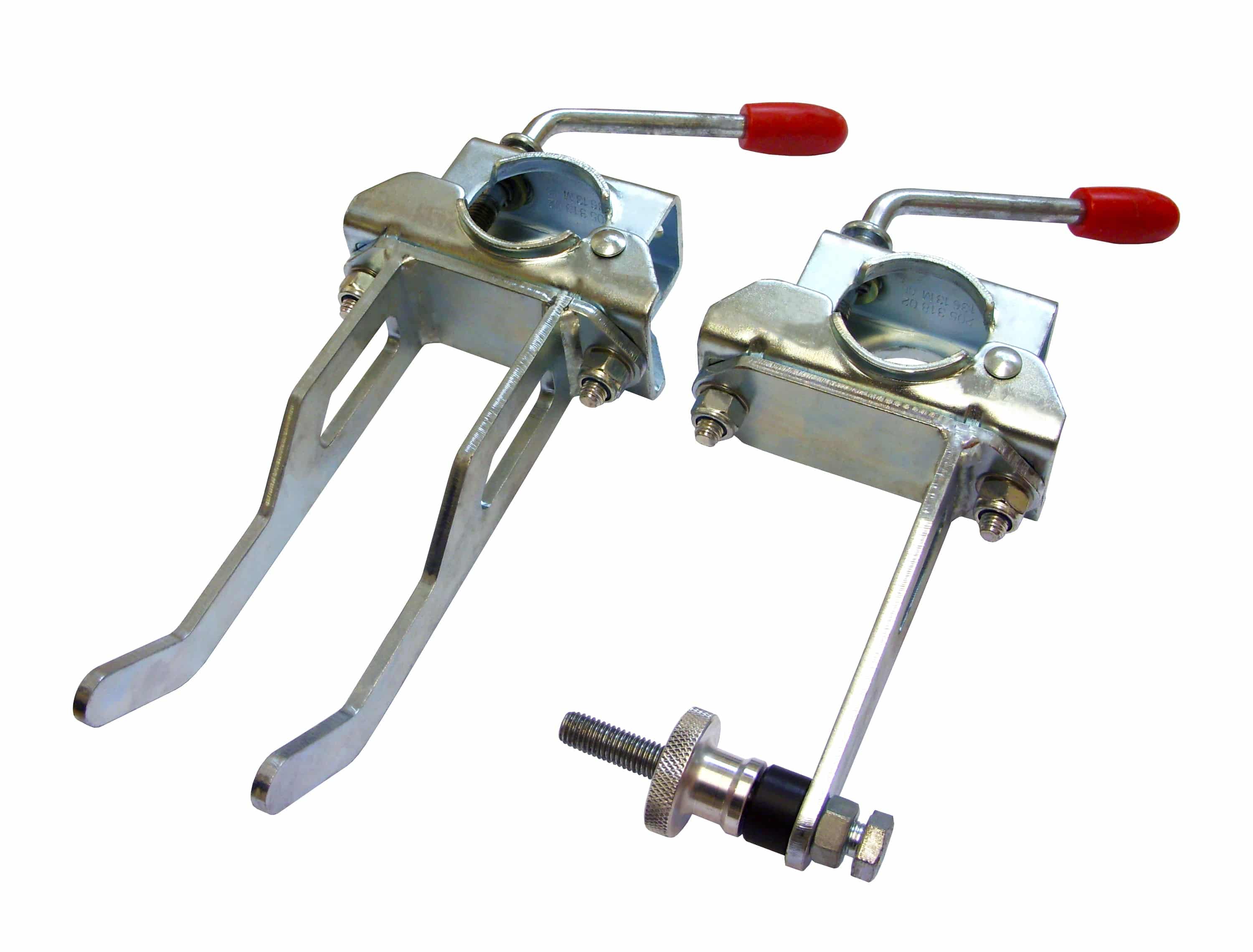
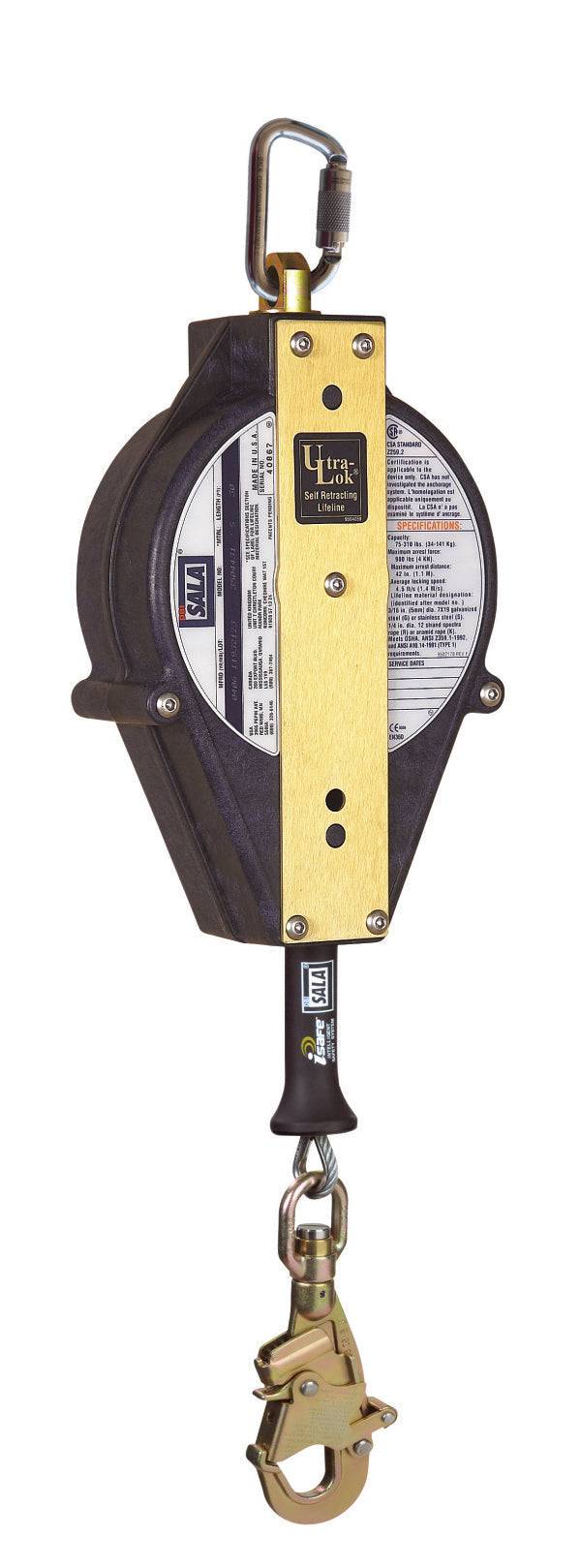
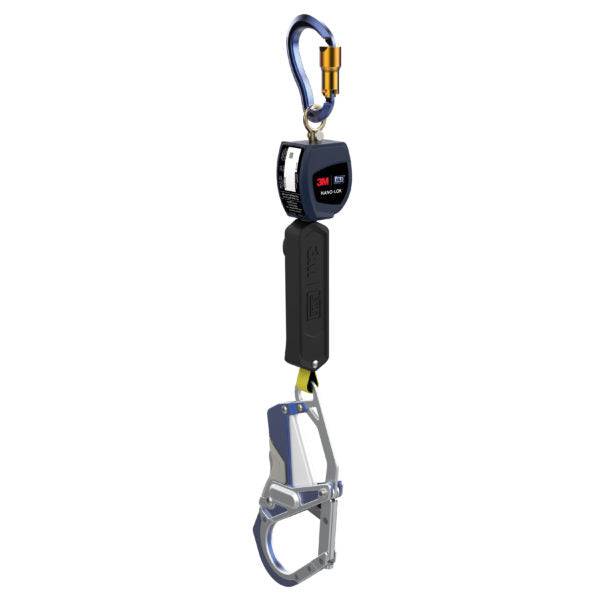
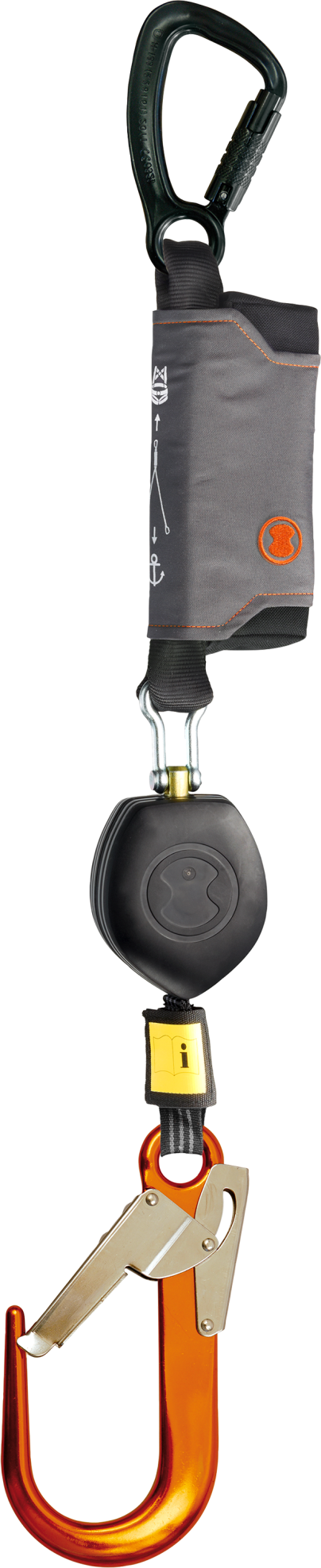
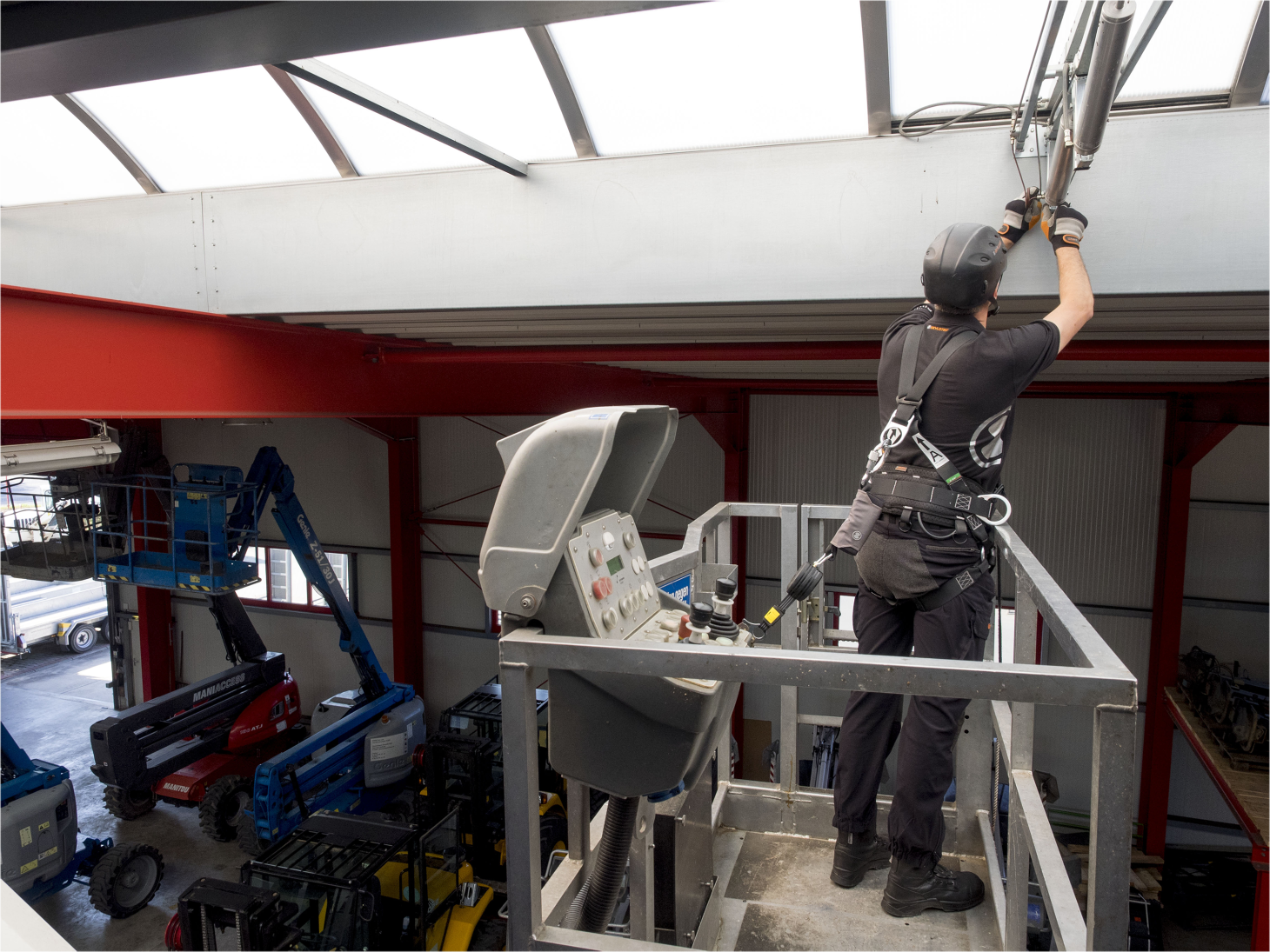
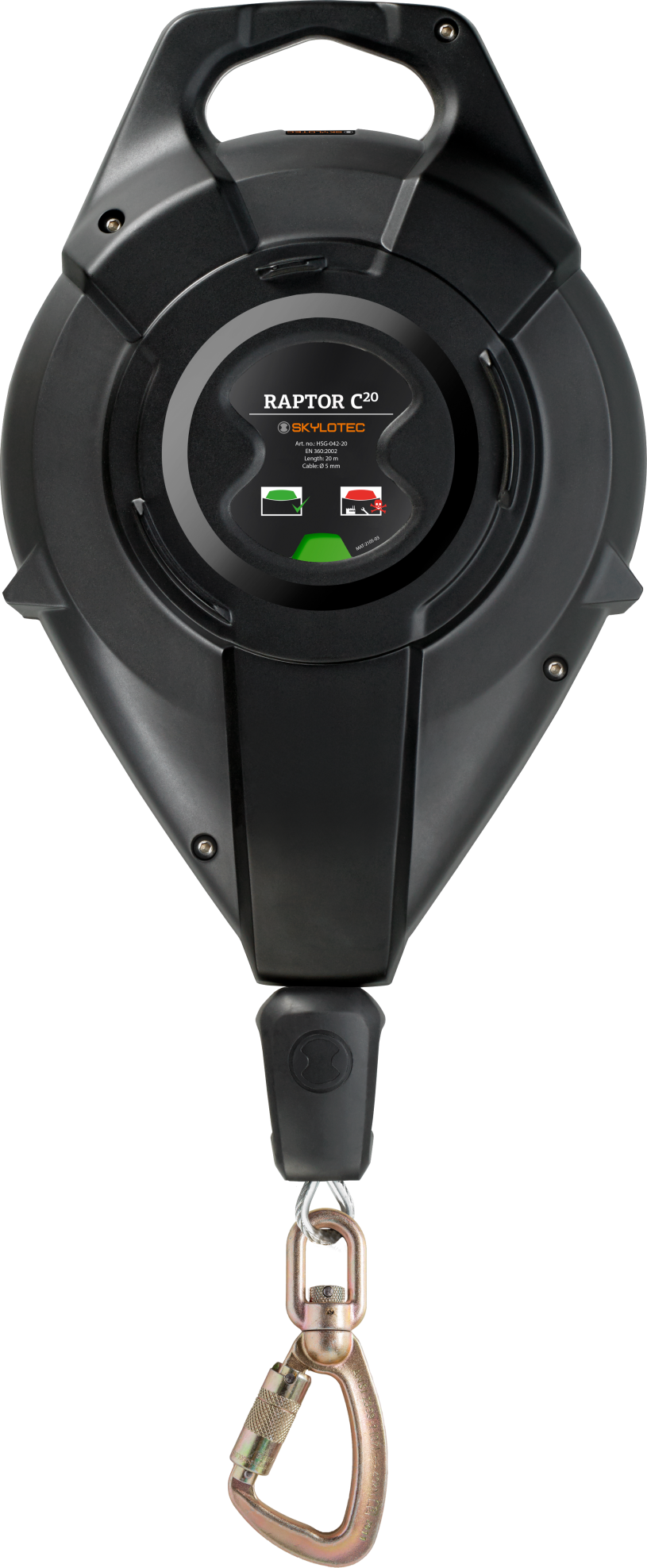
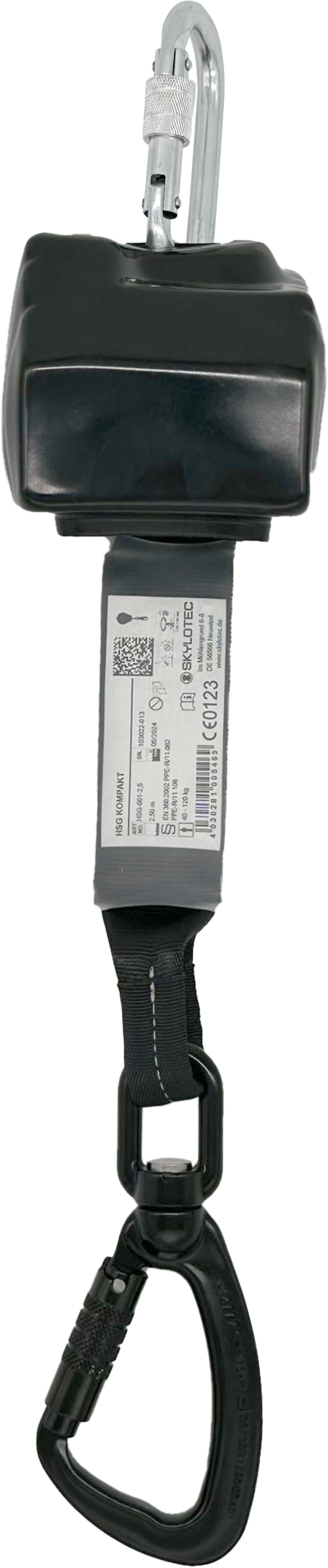
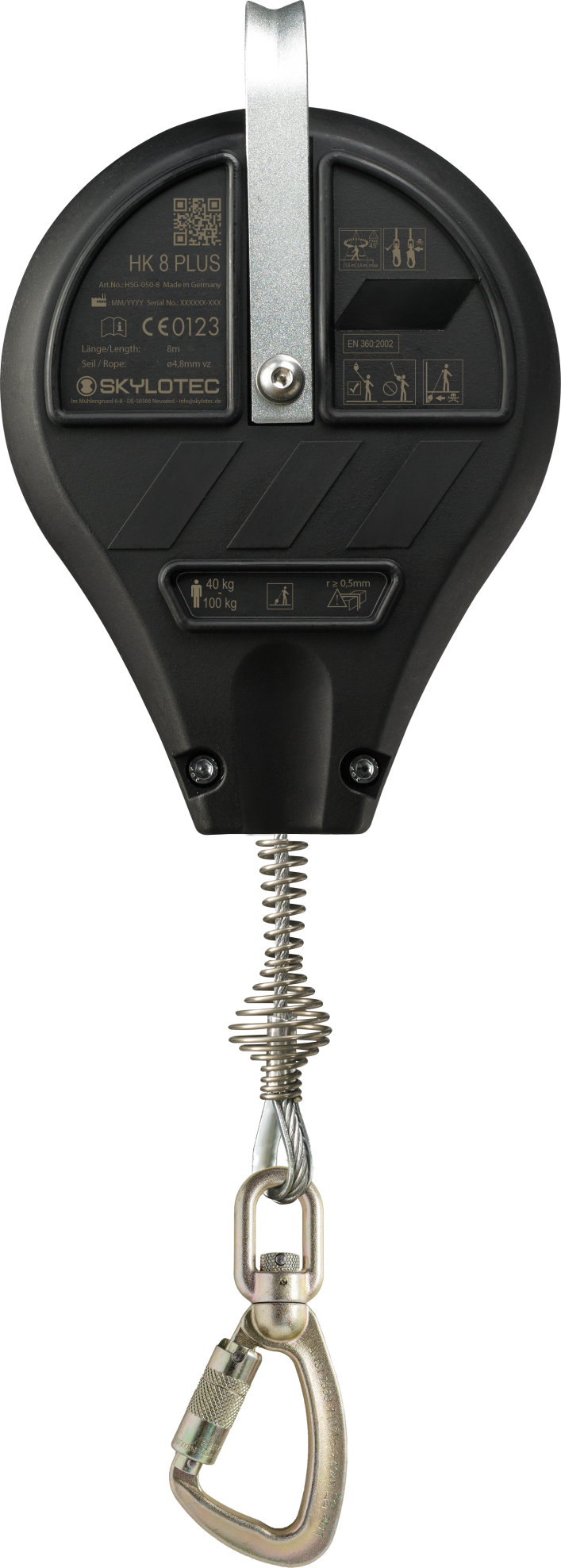
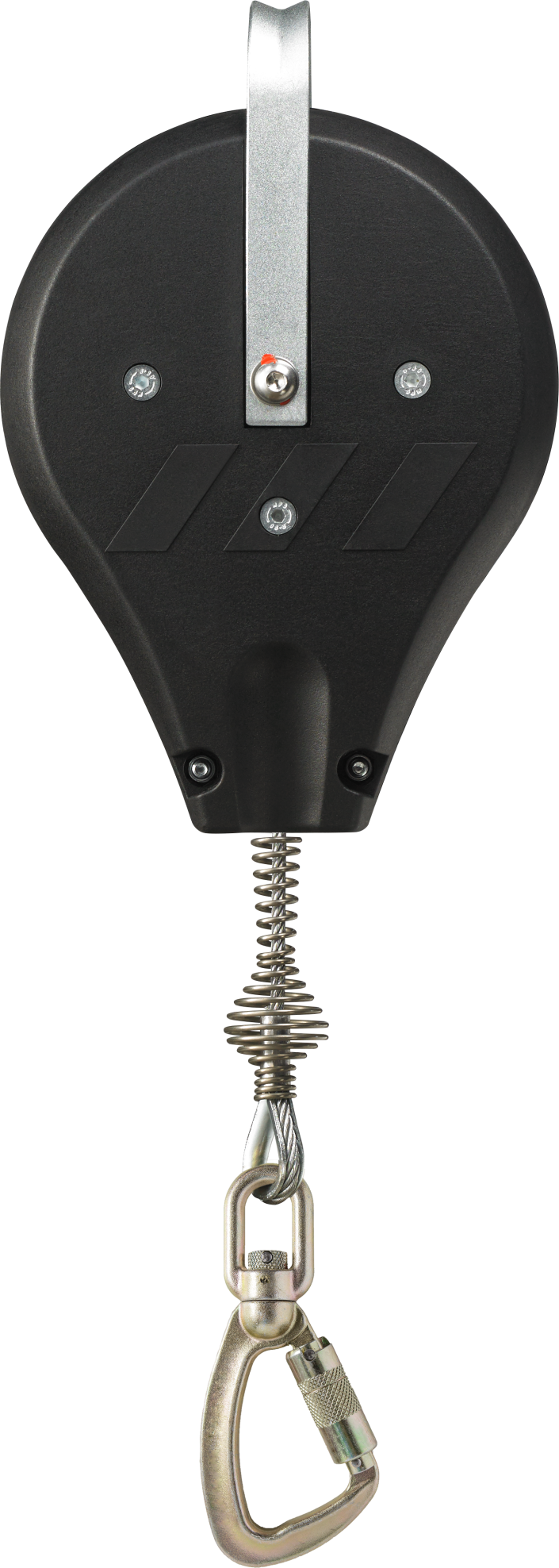
Fall Protection Equipment
NewsletterPlease subscribe to our newsletter to receive exclusive membership offers and updates on new products.
What roofer fall protection options are suitable for short-term roofing projects?
For short-term roofing work, the most effective approach depends on the roof layout, access requirements, and the tasks being carried out. Temporary measures may include portable anchorage devices, guardrails, or lifeline arrangements that help reduce exposure to edge-related hazards. The right setup should support safe movement without unnecessarily restricting productivity. A site-specific assessment is often the best way to identify the most appropriate solution for the project.
How do I choose the right fall protection equipment for my workplace?
The selection process should take into account factors such as working height, frequency of access, structural conditions, and the type of work being performed. Different environments require different approaches, particularly where access routes, rescue considerations, or user mobility vary. Equipment compatibility is also important to ensure all components function together correctly. Careful planning helps create a safer and more efficient working environment.
Why are certified anchor points for fall protection important?
A secure attachment point forms the foundation of any effective work-at-height strategy. Properly assessed and tested anchor points help ensure that connected systems perform as intended under operational loads. Their suitability depends on the structure, intended application, and expected usage patterns. Ongoing inspection and maintenance are essential to support long-term reliability.
What is the difference between a fall protection arrest system and fall restraint systems?
One approach is designed to stop a user after a fall has occurred, while the other focuses on preventing access to hazardous areas in the first place. The most suitable method depends on site conditions, available attachment points, and operational requirements. In many situations, preventing exposure to a hazard is considered preferable where practical. A detailed risk assessment can help determine which approach best suits the task.
Which height safety solutions are commonly used for roof access and maintenance?
Safe access to rooftop areas often relies on a combination of measures tailored to the building and work activities involved. These may include designated walkways, edge protection, access structures, and secure attachment provisions for workers carrying out inspections or maintenance. The goal is to create clear and controlled routes while reducing unnecessary risk exposure. Well-planned systems can also improve efficiency by making routine access more straightforward and predictable.
Certified Fall Protection and PPE for Working at Height
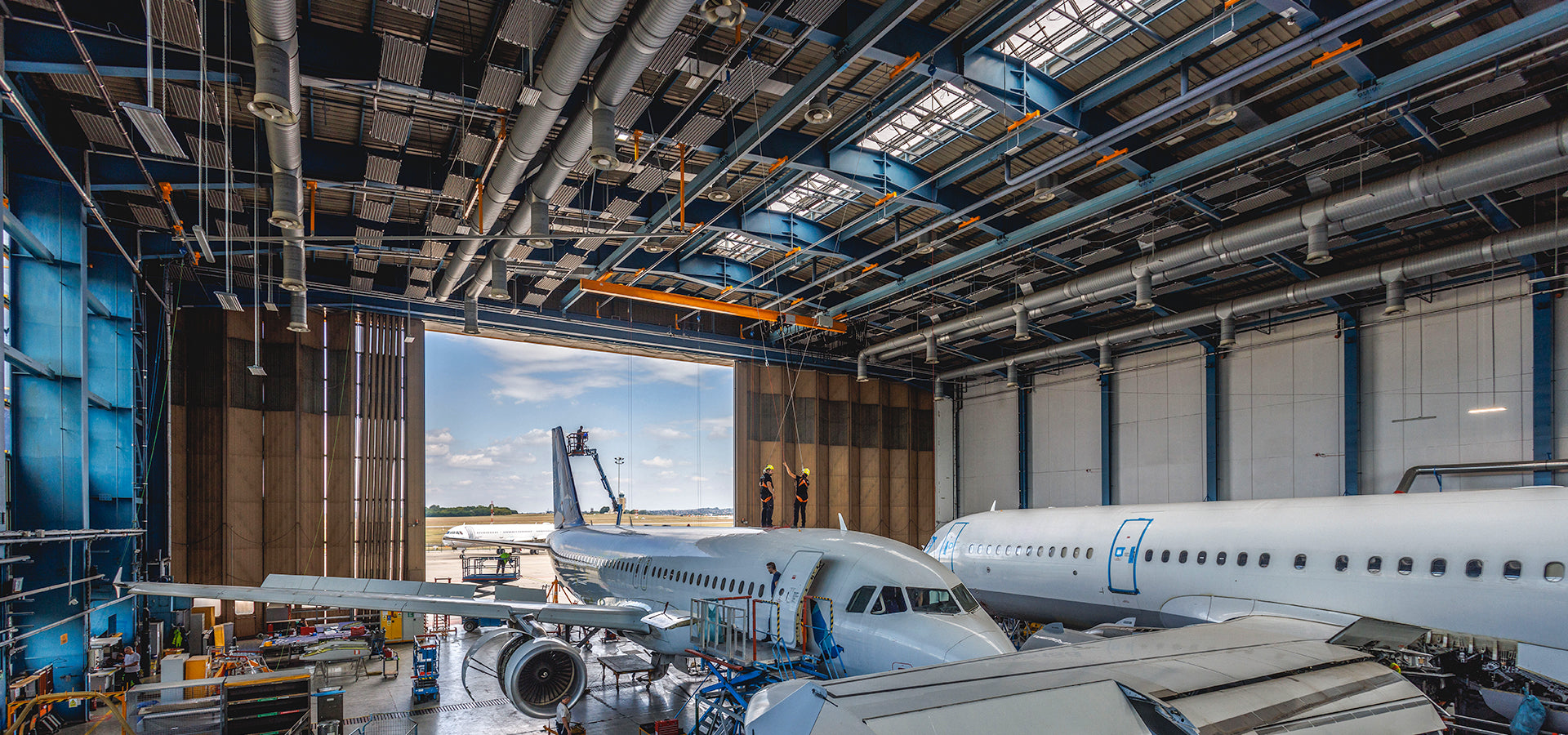
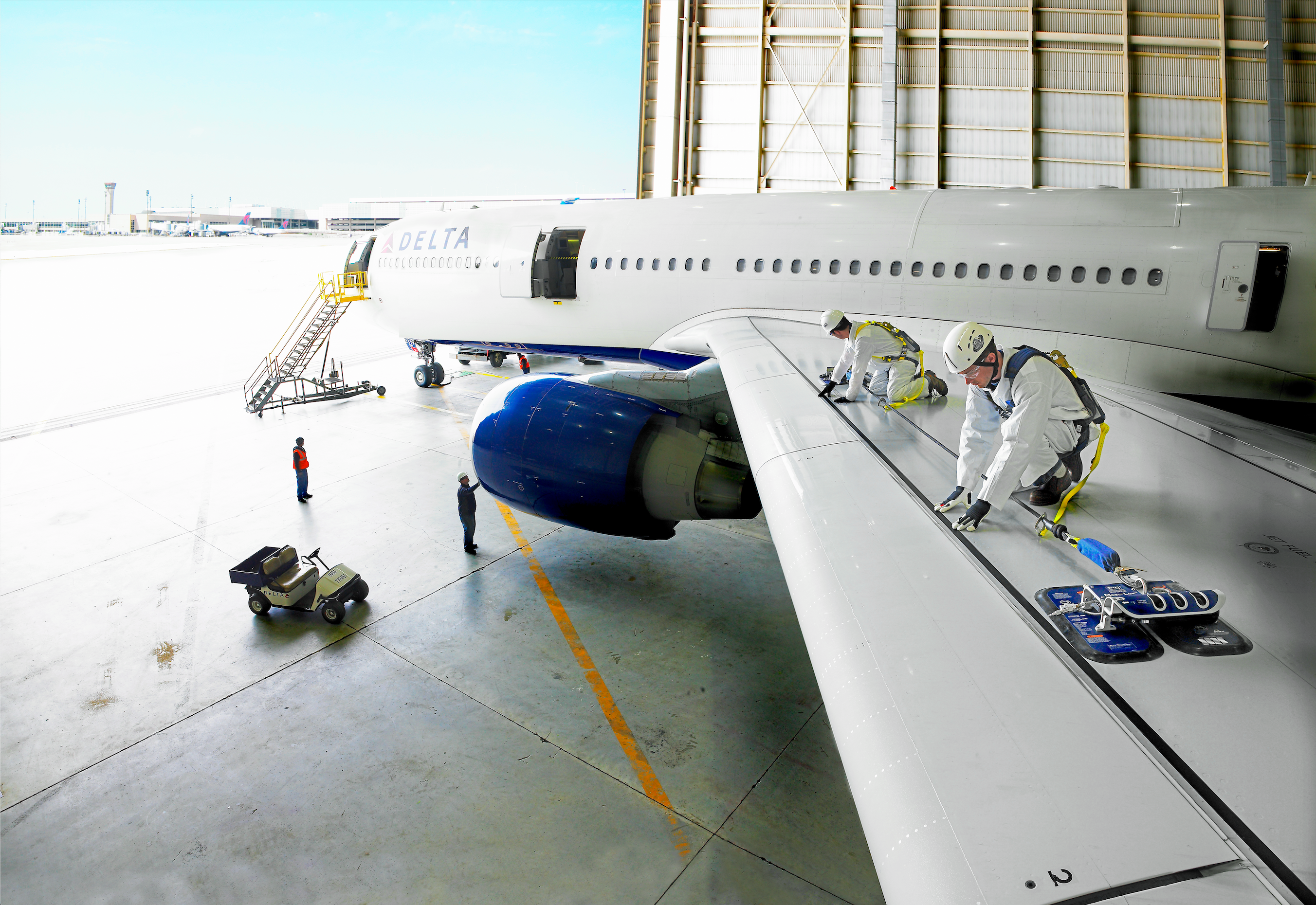
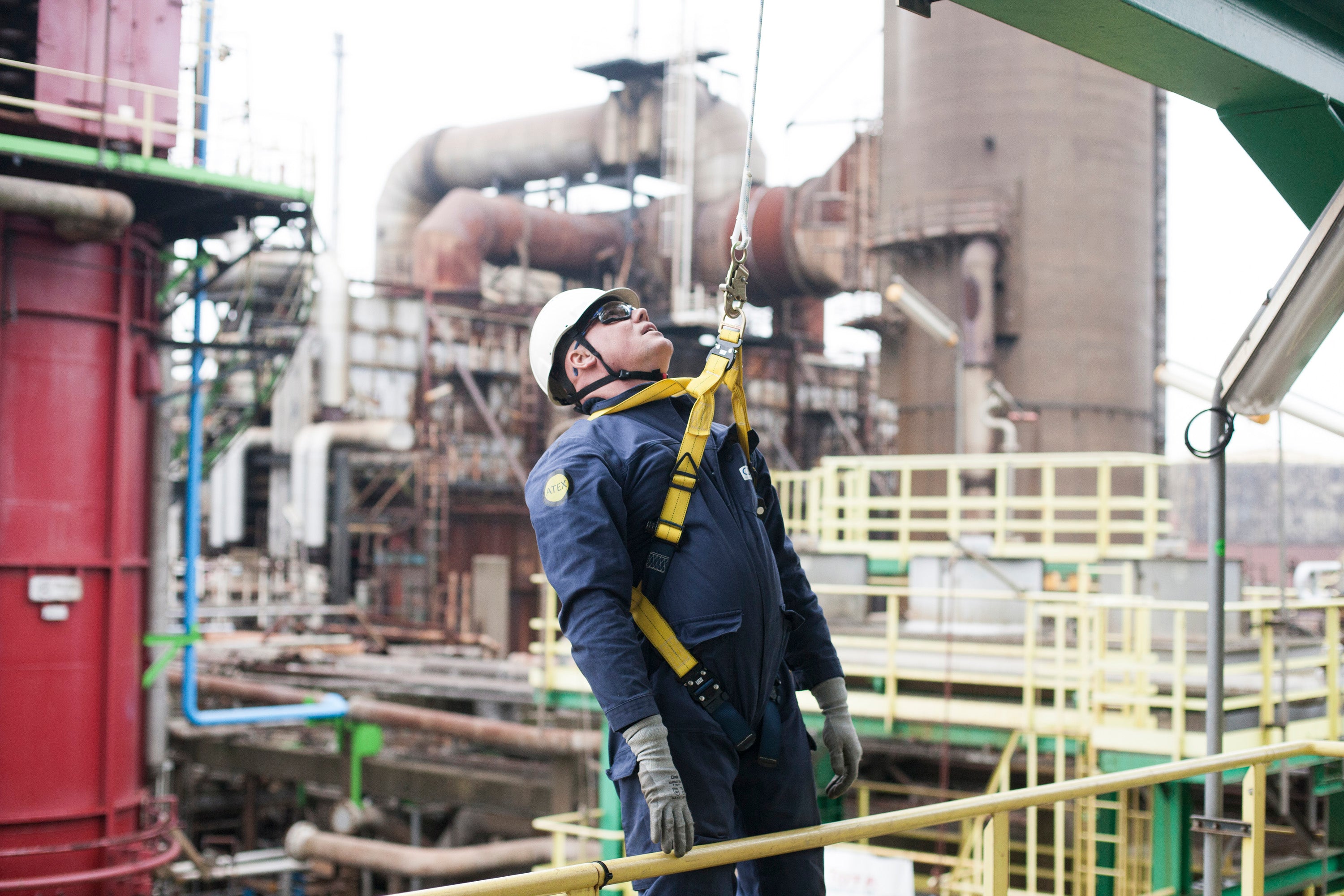
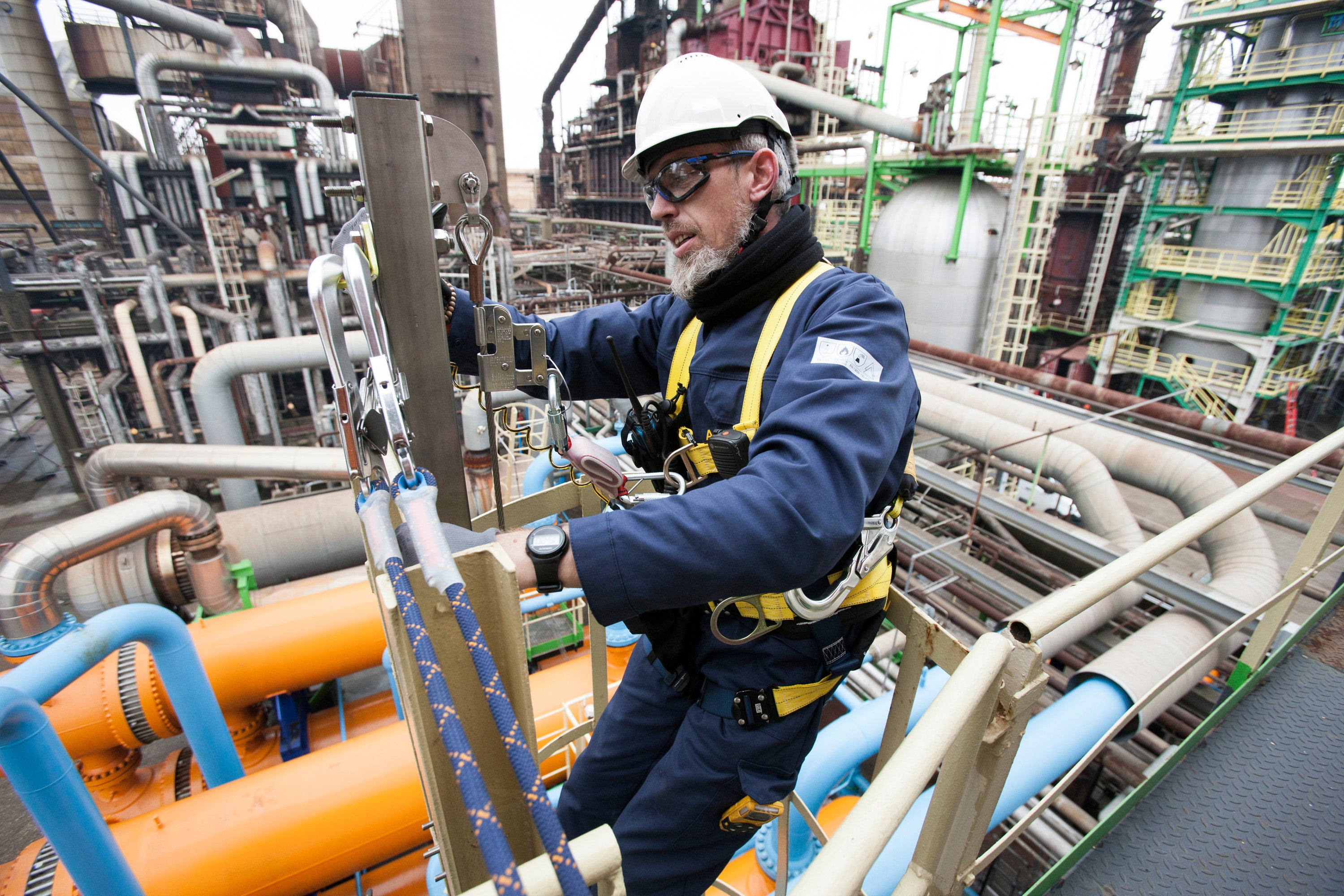
Working at height demands reliable systems, expert knowledge, and equipment you can trust. At SecureHeights, we specialise in supplying fall protection equipment designed to minimise risk, support compliance, and protect people across a range of industries including oil and gas, mining, wind energy, solar energy, hydroelectricity, utilities, aviation, aerospace, telecommunications, transportation, defence, maritime, construction, manufacturing, agriculture and general industry.
From temporary site work to permanent installations, our product range and technical expertise help organisations create safer working conditions when working at height.
Height Safety for Real-World Applications
Every site presents different challenges, which is why we deliver tailored fall protection solutions rather than a one-size-fits-all approach. Whether undertaking maintenance work, confined space entry, rescue operations, rooftop access, or structural steel work, our products and systems are selected to align with specific working environments and methods of work. These solutions are designed to support safe access, secure anchorage, and effective fall protection across both temporary and permanent installations.
Complete Setups & Technical Support
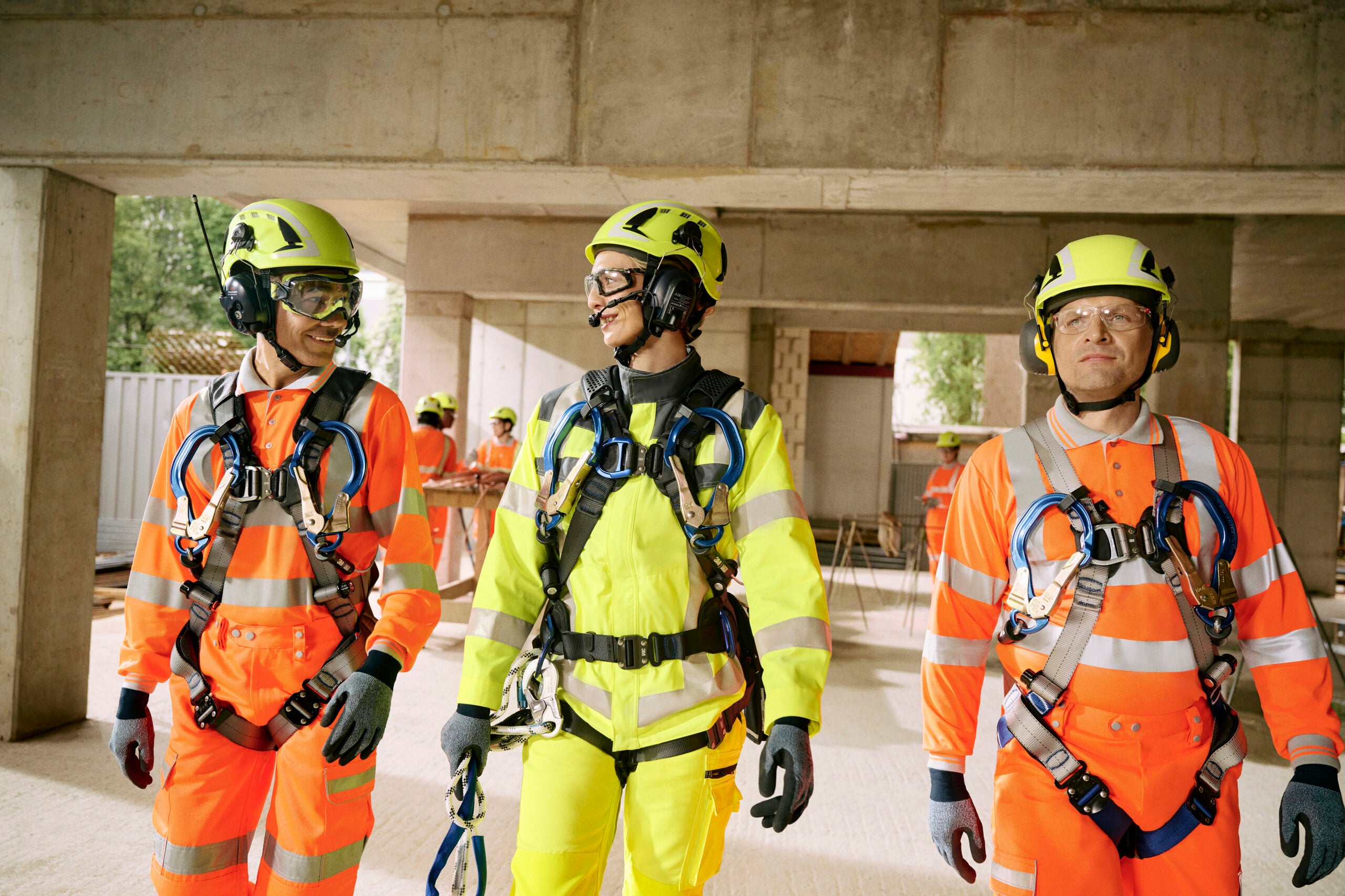
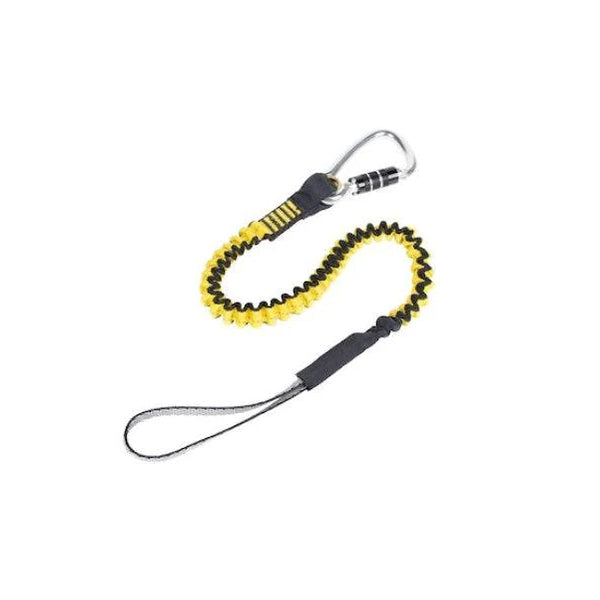
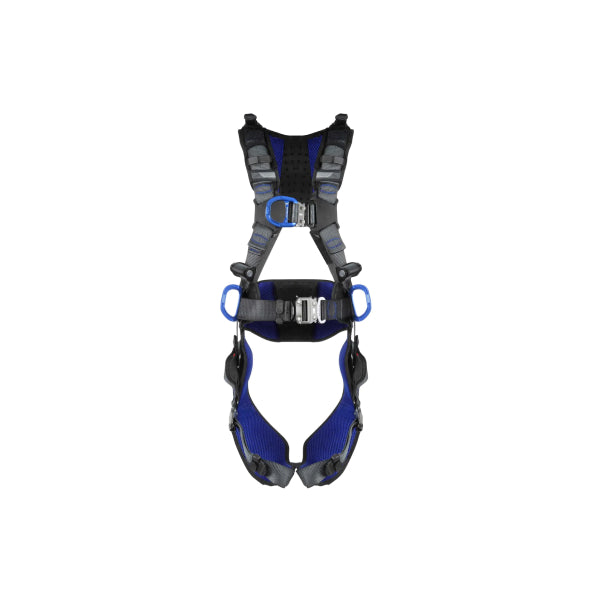
A compliant fall protection setup combines multiple components working together: harnesses, connectors, anchor points, and energy-absorbing devices, just to mention a few. Our approach focuses on providing comfortability, reliability and convenience, while always keeping safety as the number one priority.
Beyond supply, we also offer additional fall protection services, including technical guidance, product maintenance and servicing, training, site inspections, system design support, and general assistance. This ensures your safety strategy is practical, compliant, and fit for purpose.
Your Partner in Height Safety
SecureHeights delivers certified height safety solutions that support safer working environments. Whether you’re upgrading your existing setup or looking to expand your operation, our experts are here to help you make informed decisions.
Build a Safer Working Environment
Explore our full range of Fall Protection & PPE products and services at SecureHeights. Order online today or contact our specialists for expert advice on protecting people working at height across the UK and worldwide.