
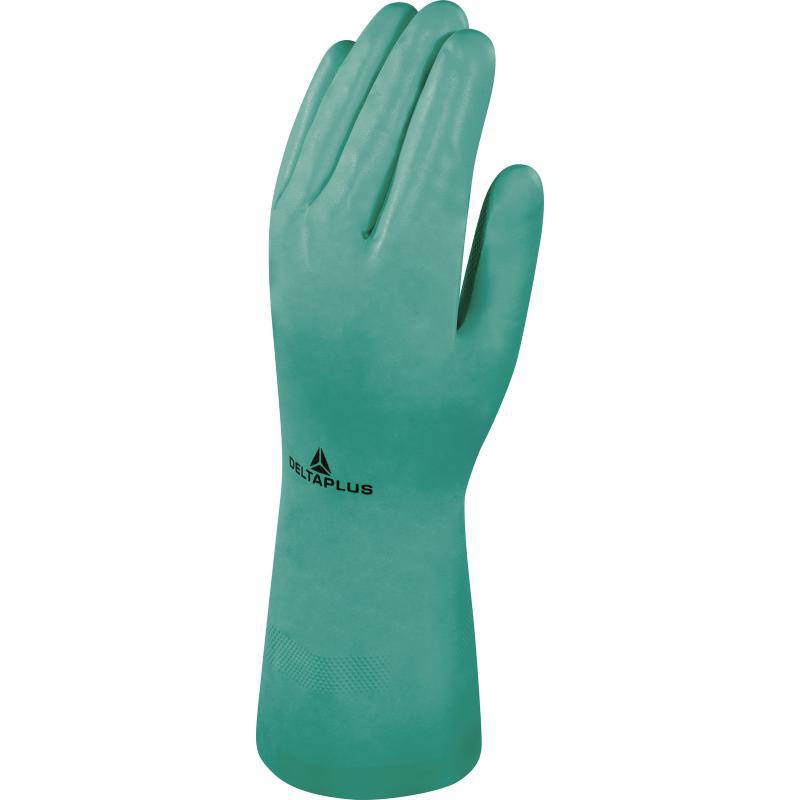

Hand Protection for Safer and More Controlled Work
At SecureHeights, we supply a comprehensive range of hand protection products from trusted brands such as DeltaPlus, Petzl, and CAMP Safety. Our selection supports both general handling tasks and specialised applications, helping ensure the correct level of protection is available for each working environment.
Designed for Real Working Conditions
Effective workplace hand protection must balance protection, grip, and comfort. Gloves that restrict movement can reduce efficiency, while insufficient protection can increase the likelihood of injury. Our range of protective work gloves is designed to provide reliable and safe handling while maintaining the flexibility needed for precise tasks.
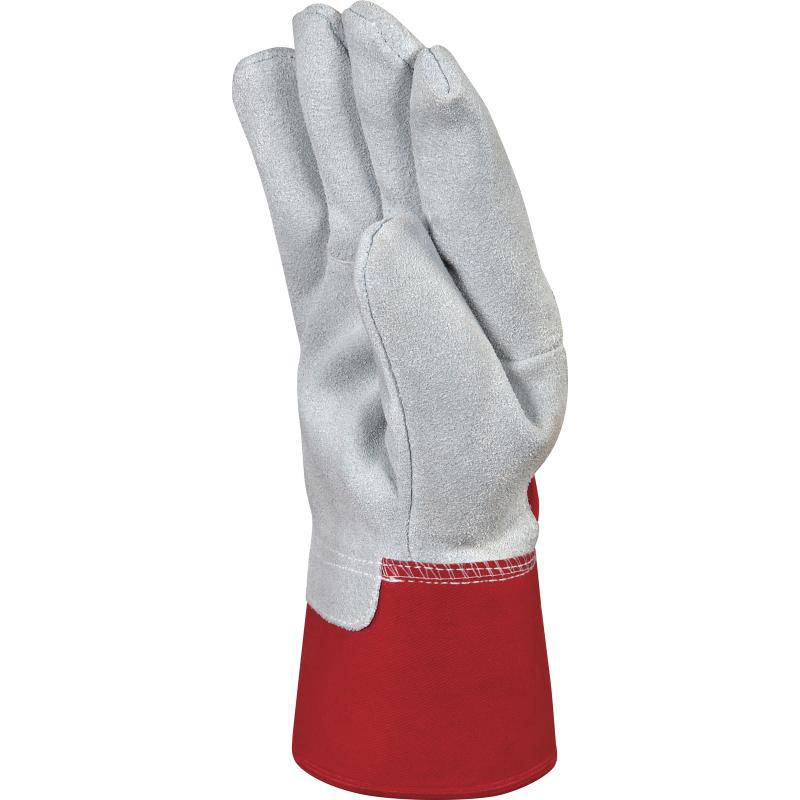
For demanding environments, hard wearing work gloves offer increased durability, helping withstand repeated use in abrasive or high-contact conditions. This makes them suitable for sectors such as construction, manufacturing, logistics, maintenance and heavy industry, where materials and tools place continuous stress on PPE.
Across a wide range of applications, reliable industrial hand protection plays a key role in supporting safe workflows and reducing disruption caused by hand injuries. This includes our broad selection of protective gloves, which ensures coverage for different industries and working environments.
Supporting a Wide Range of Hazards
Different tasks require different types of hand protection equipment, depending on the risks involved. Selecting the correct glove type ensures that users are protected without compromising performance.
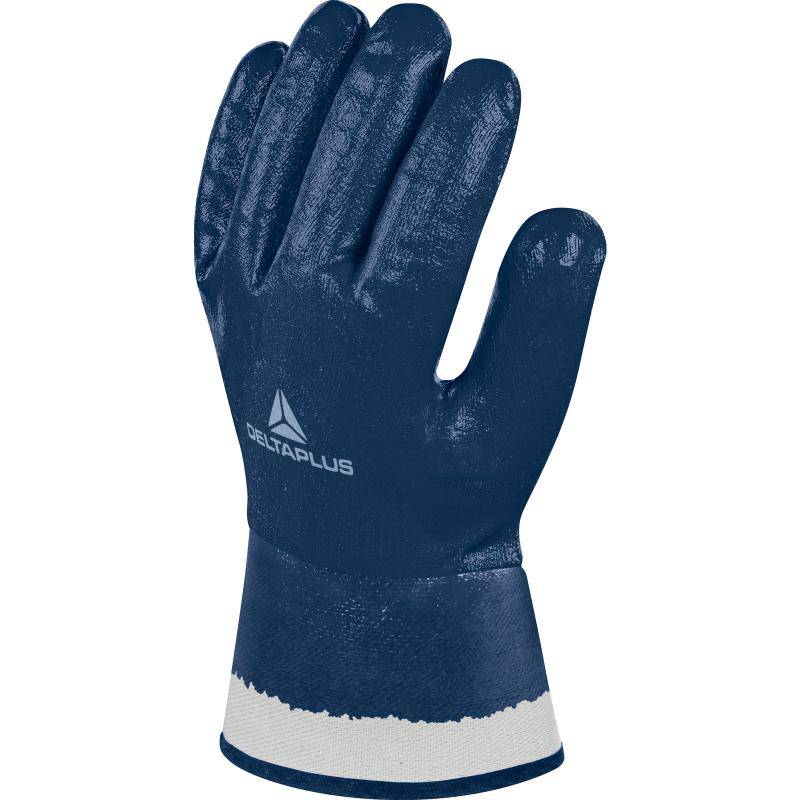
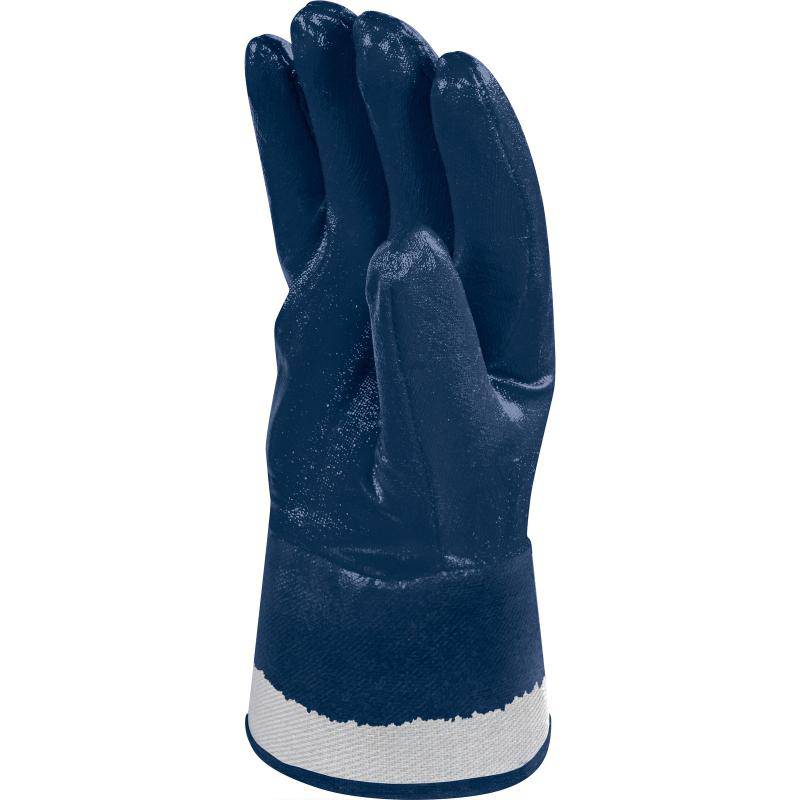
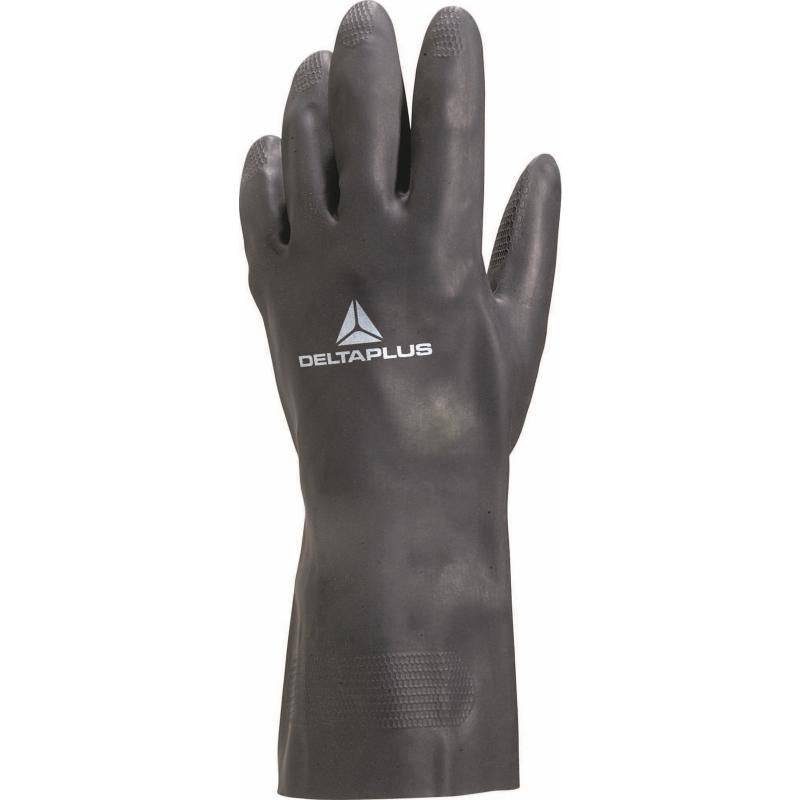
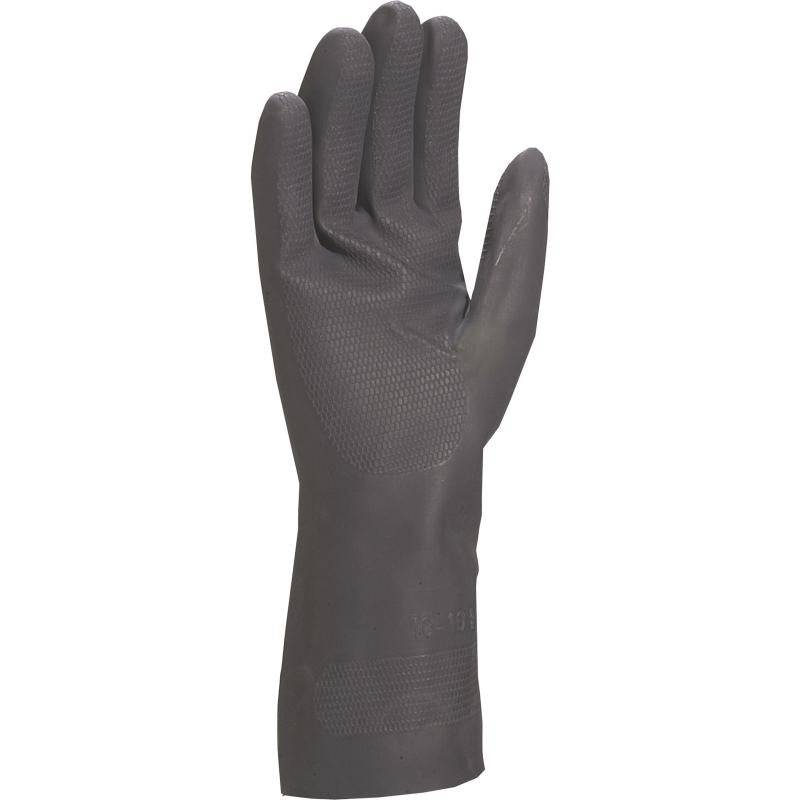
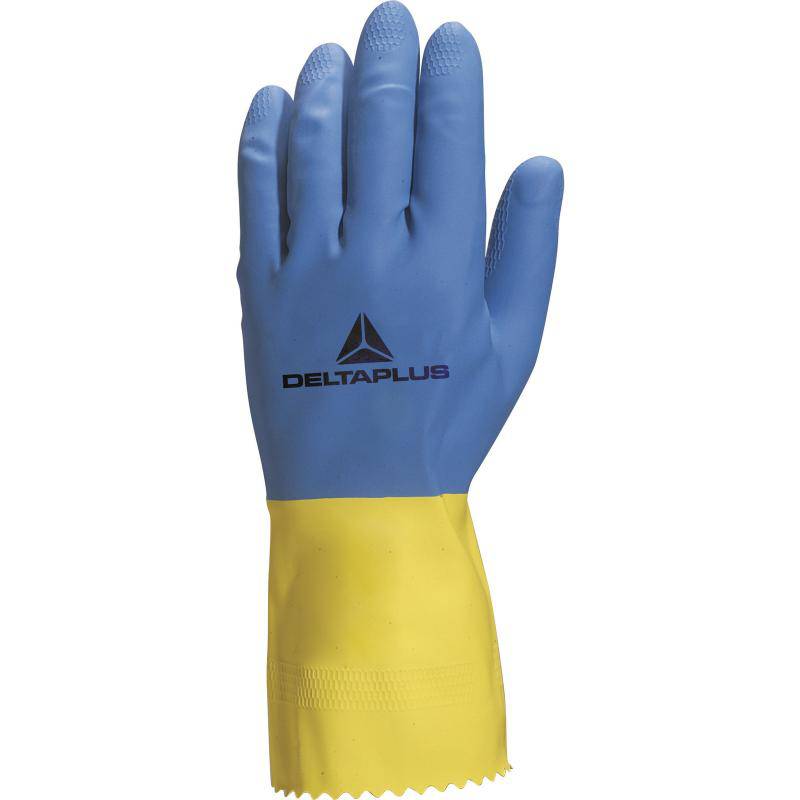
- Chemical protection gloves designed for handling liquids, cleaning products, and hazardous substances
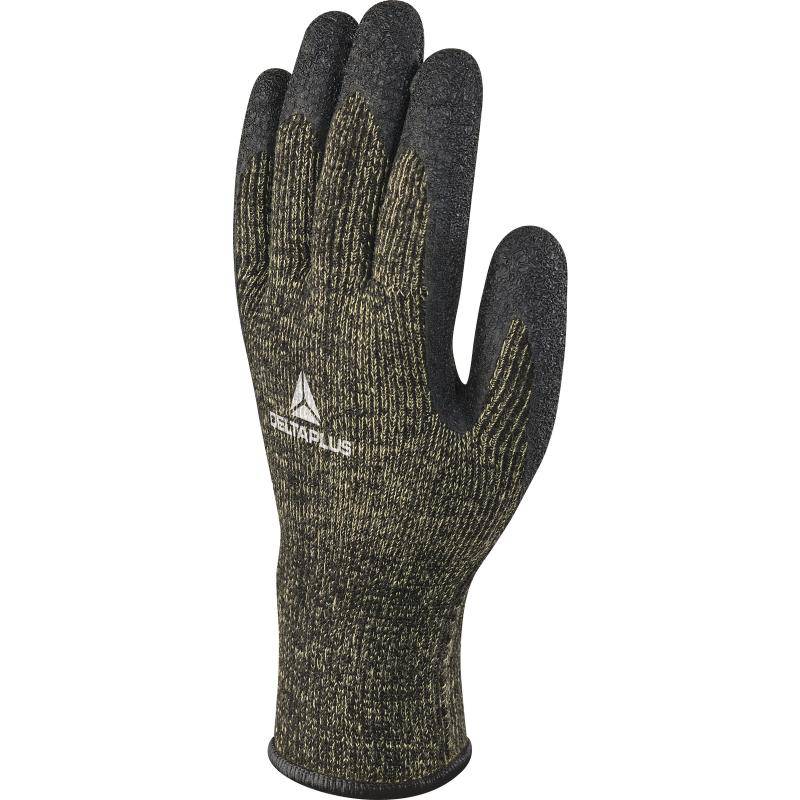
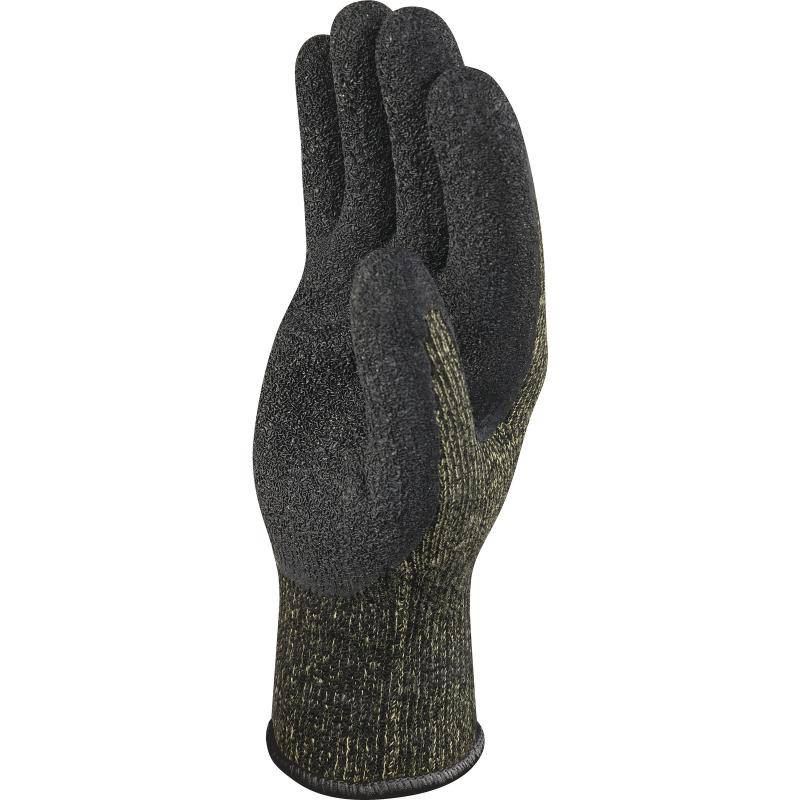
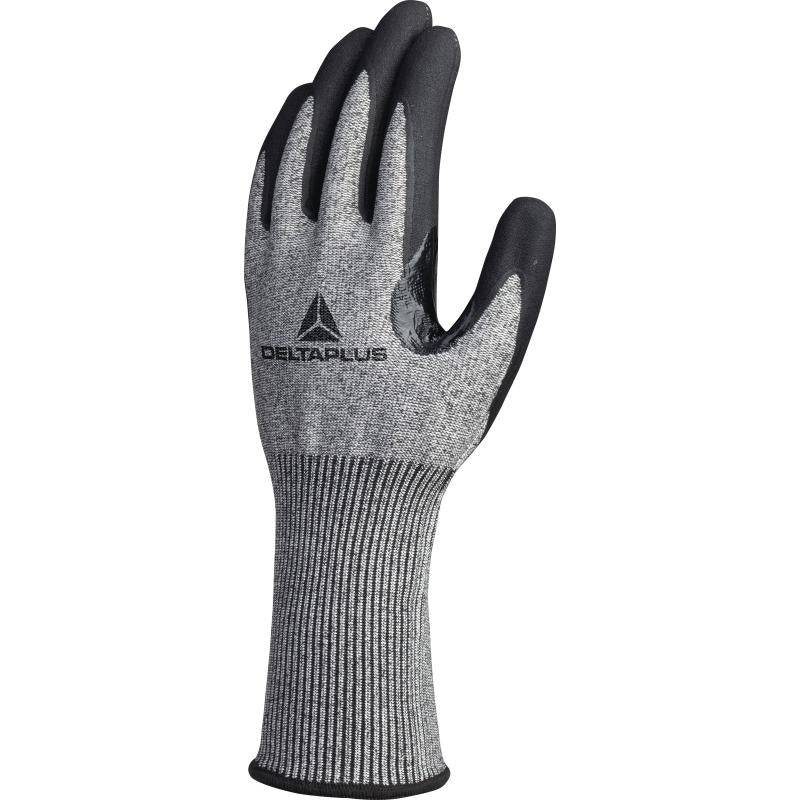
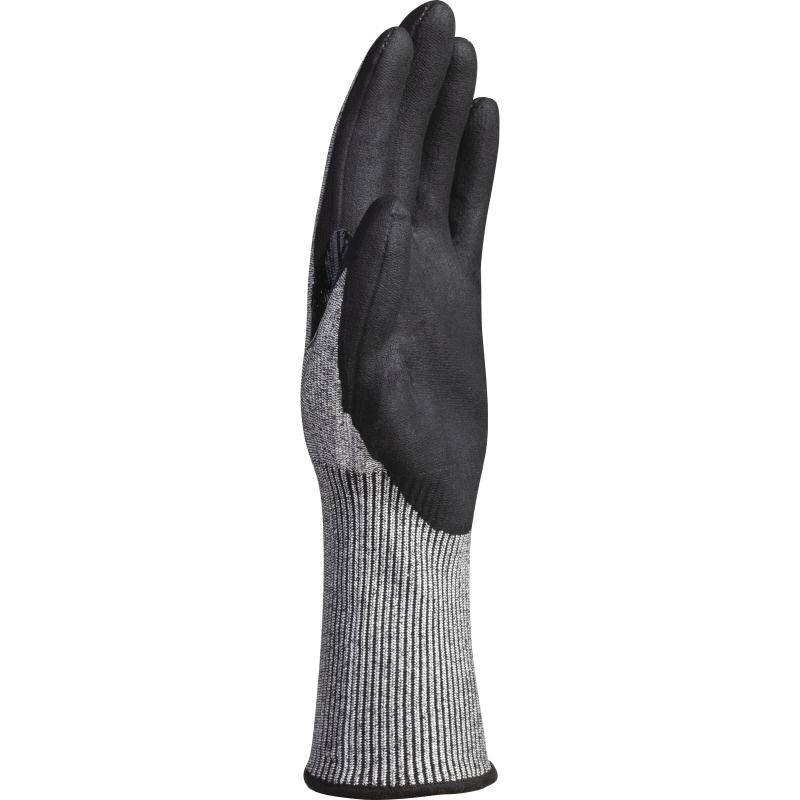
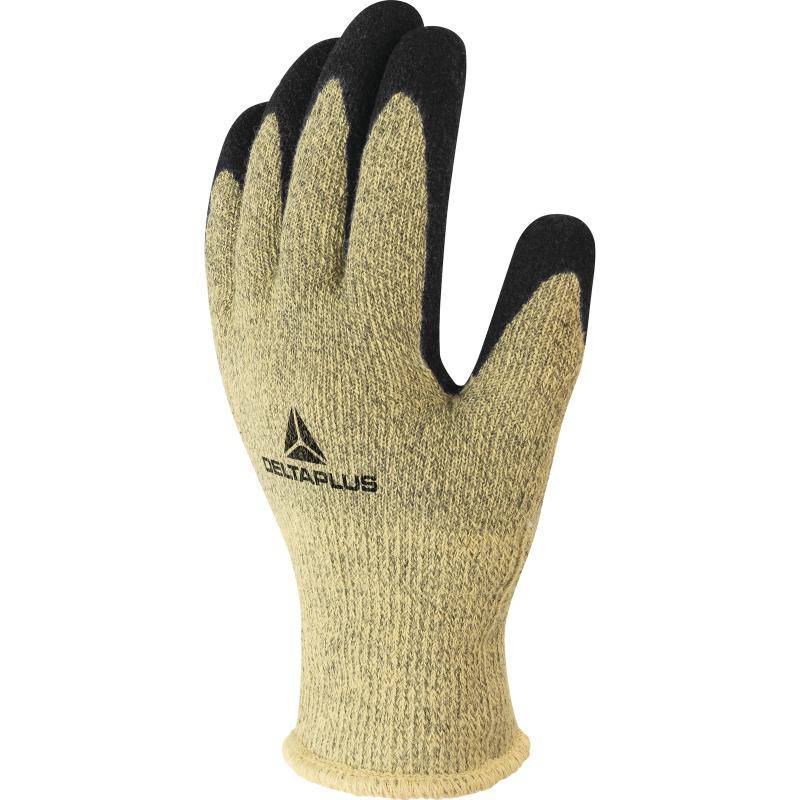
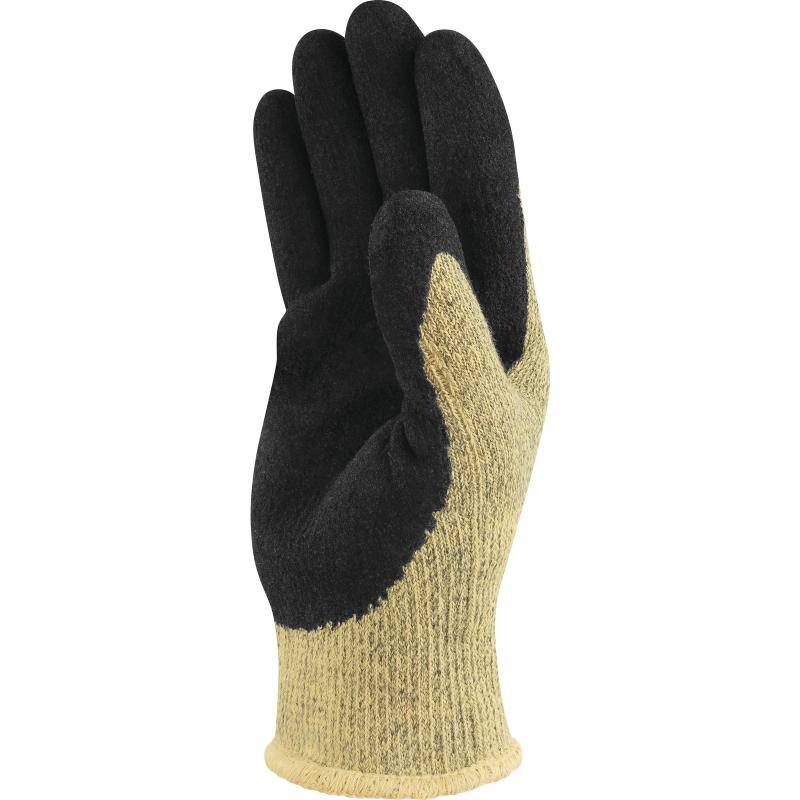
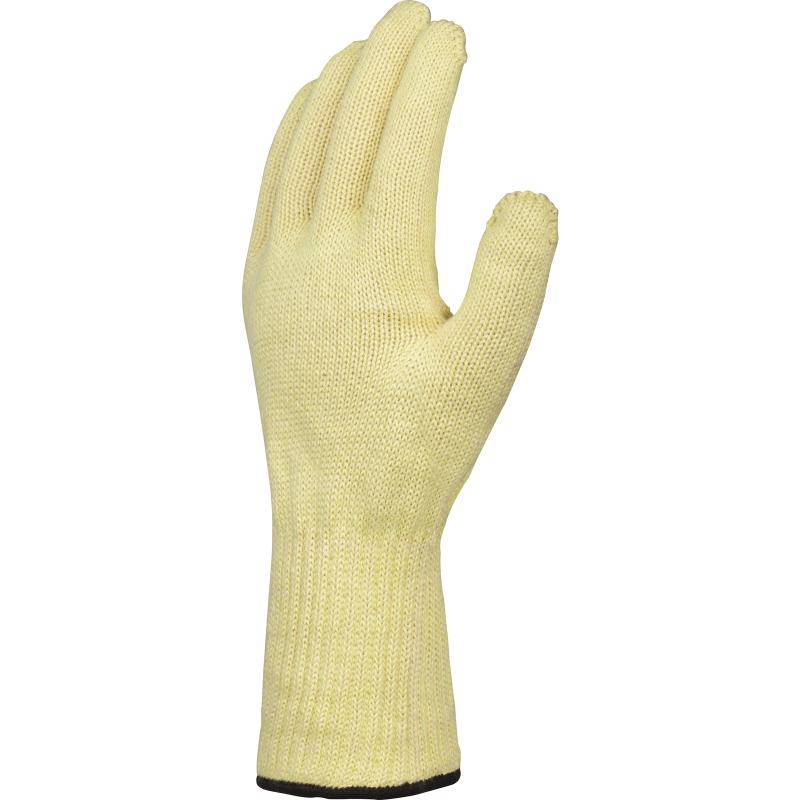
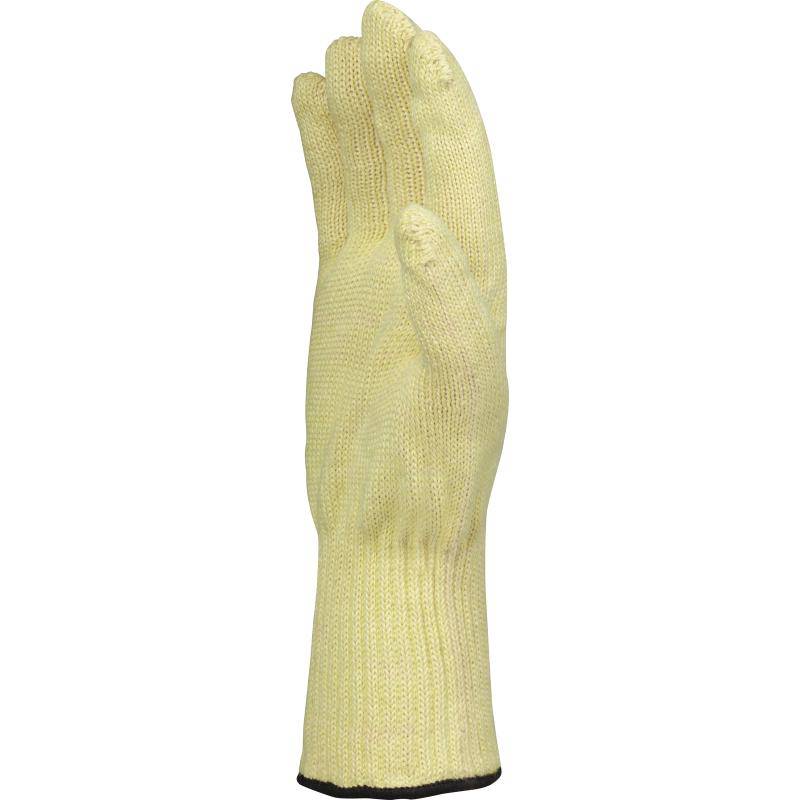
- Cut protection gloves and sleeves for tasks involving sharp tools, metal, glass, or abrasive materials
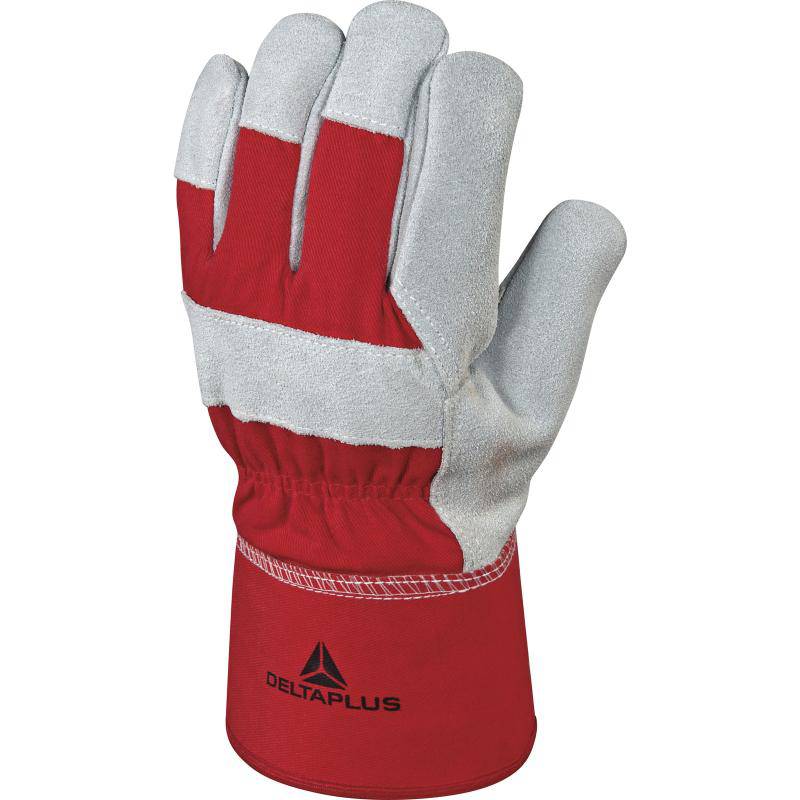
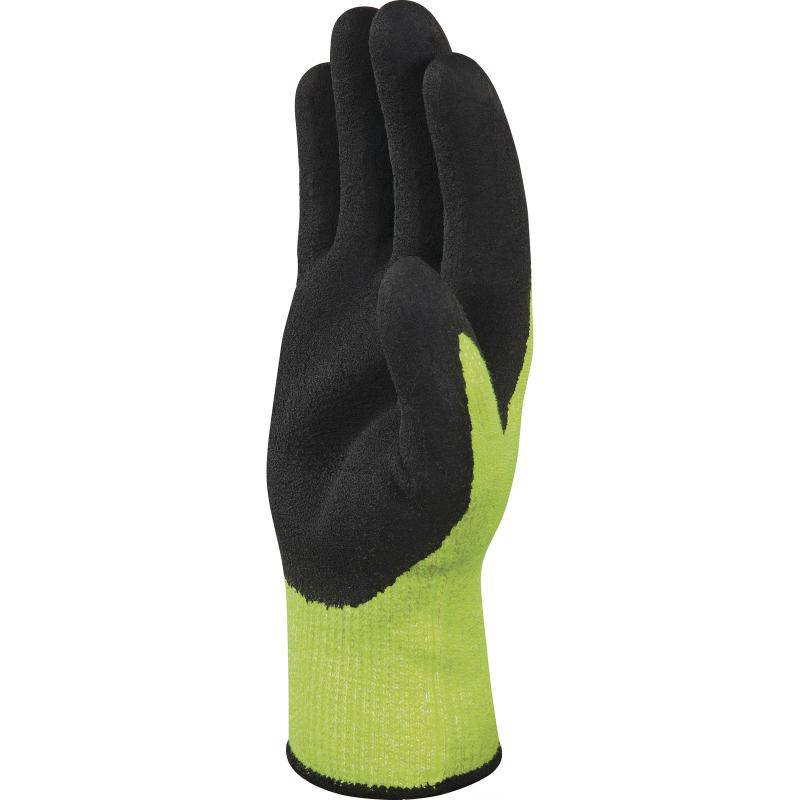
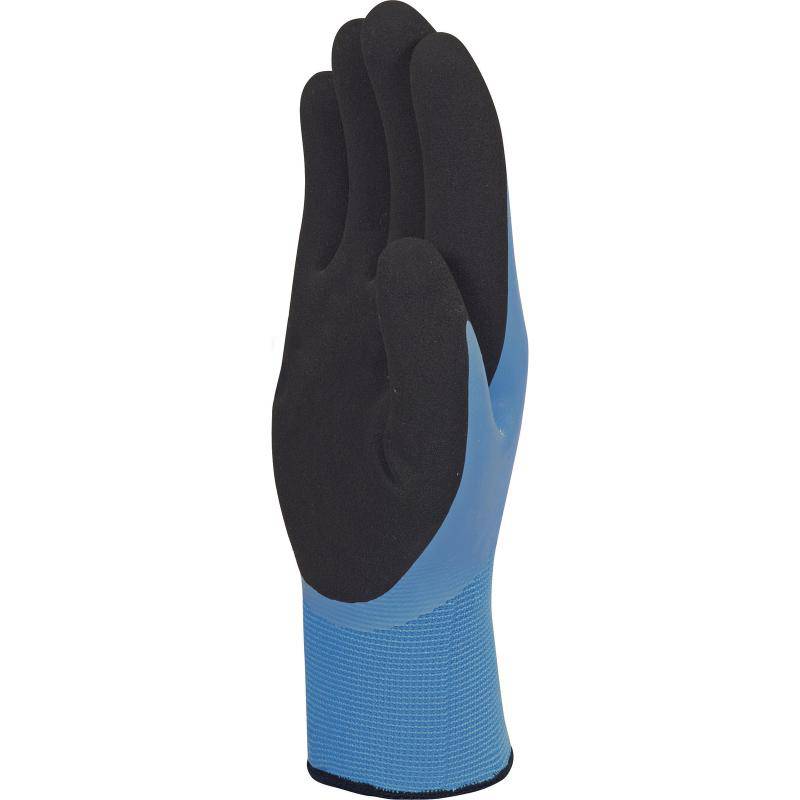
- Mechanical protection gloves for general handling, grip, and durability across construction and industrial work
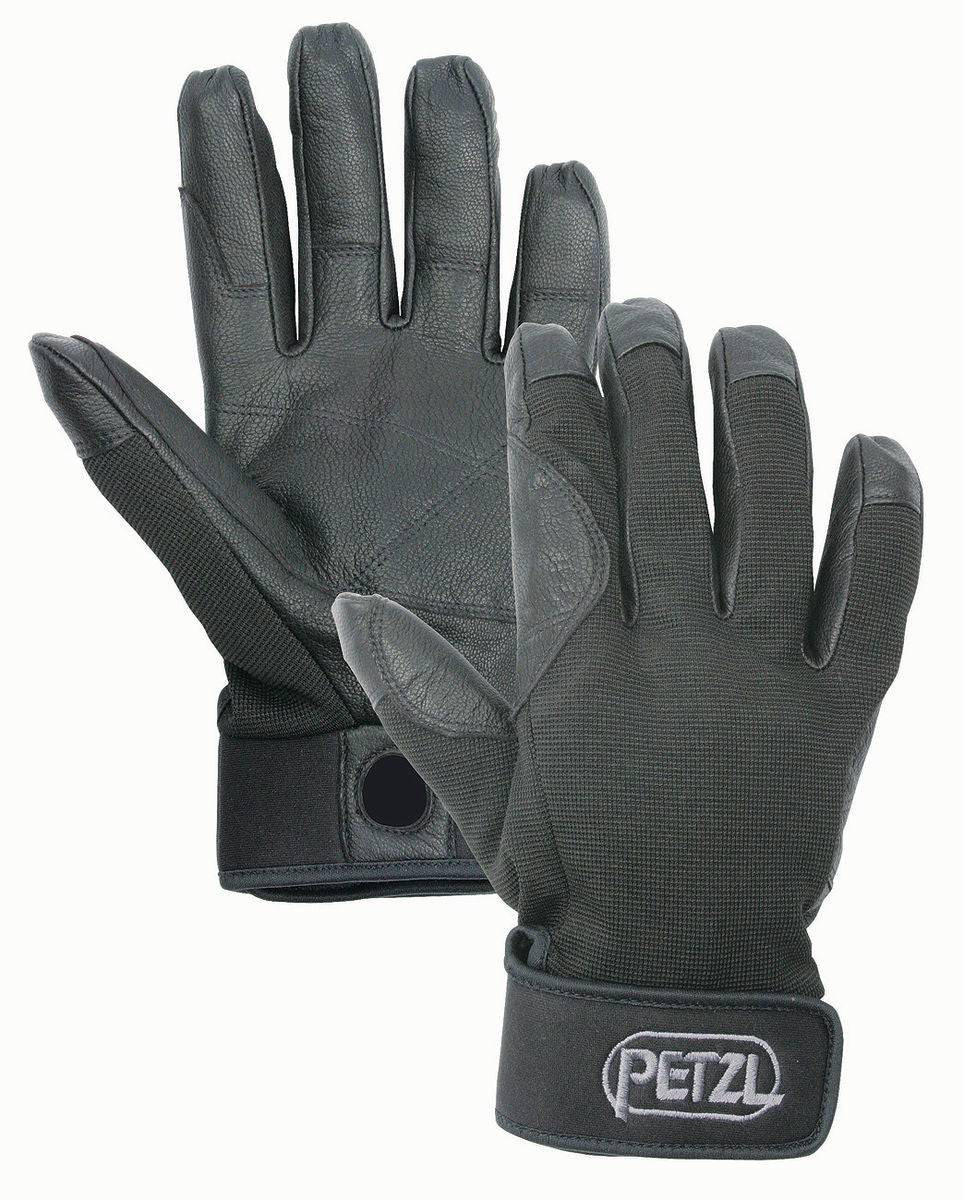
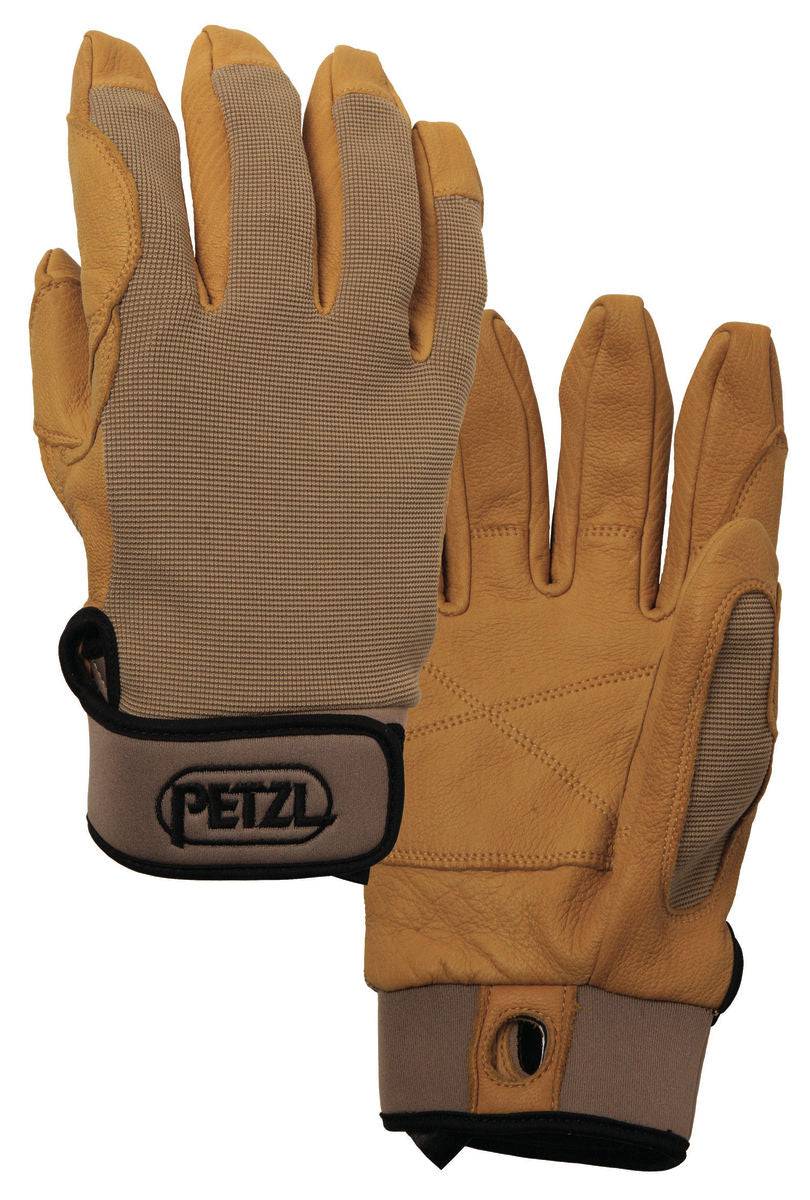
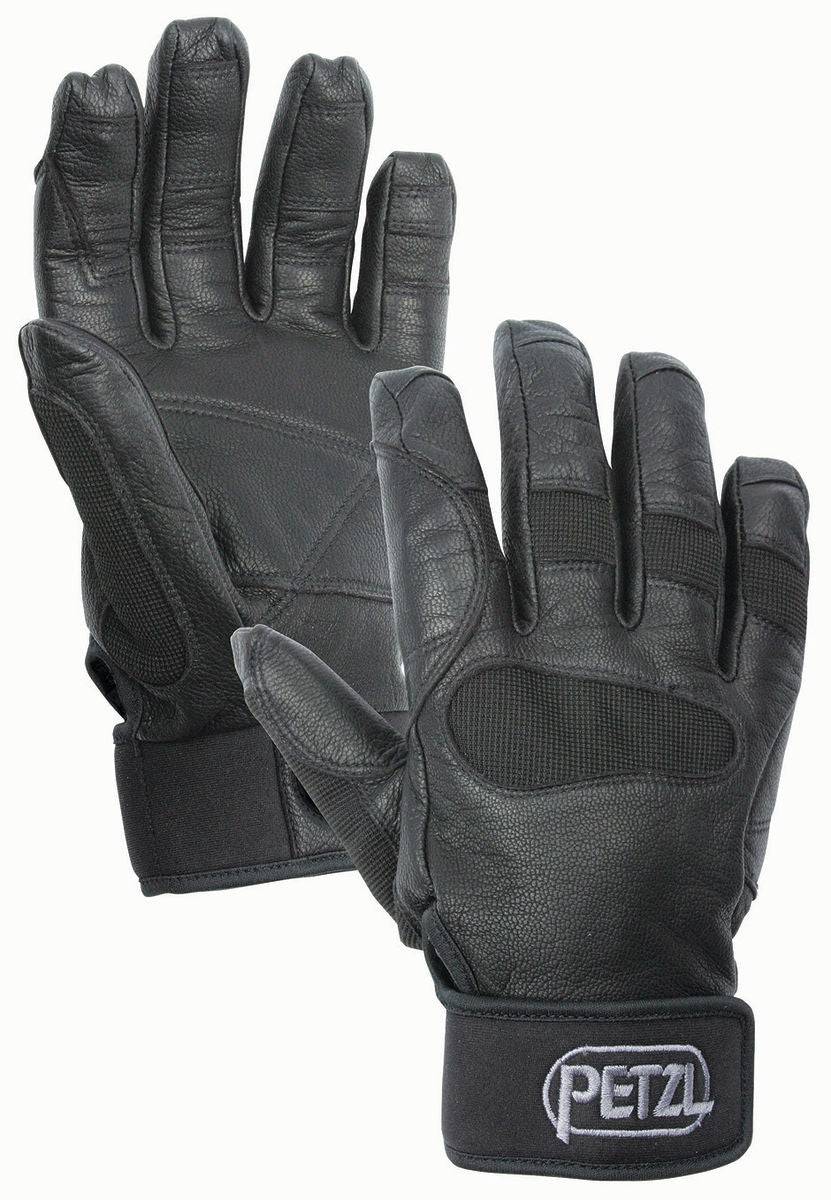
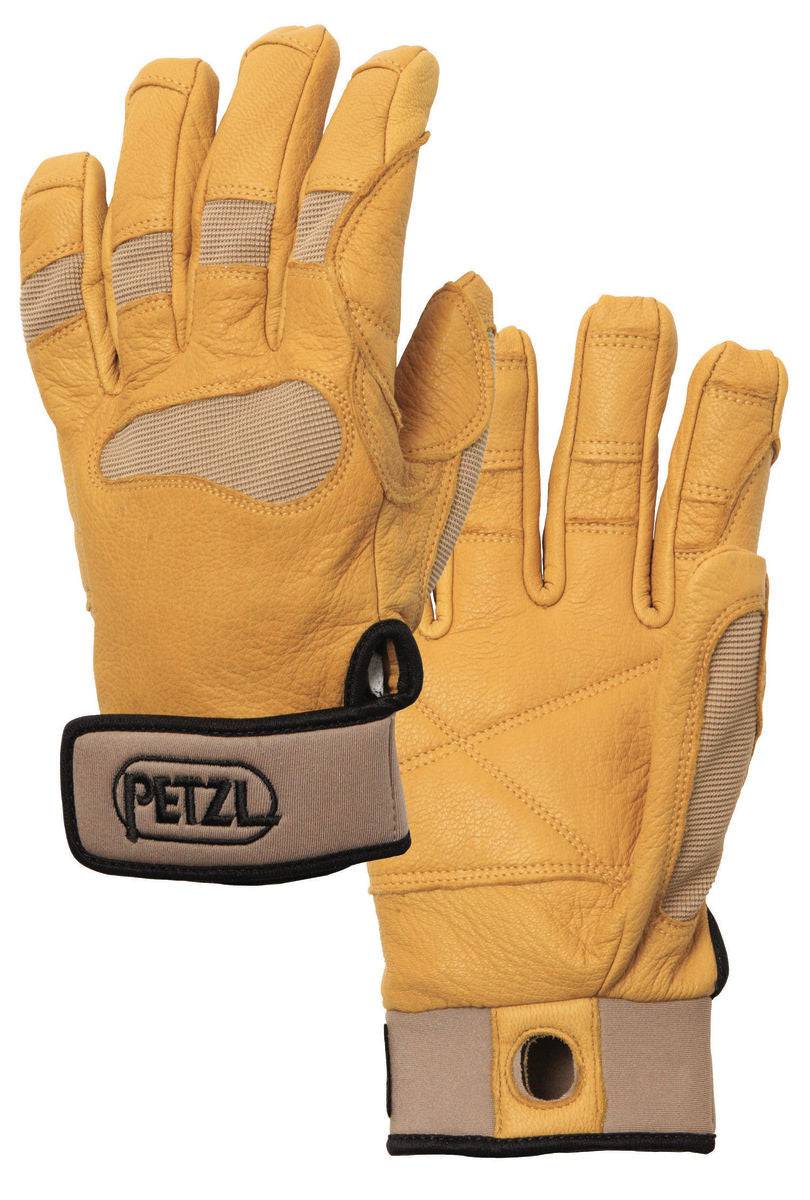
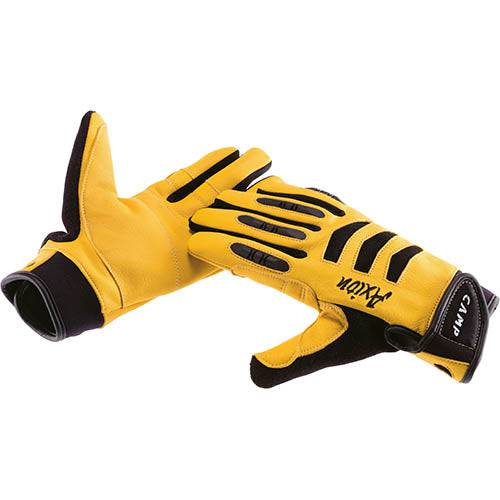
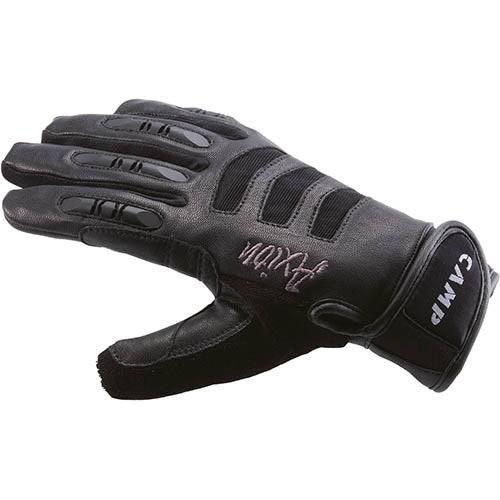
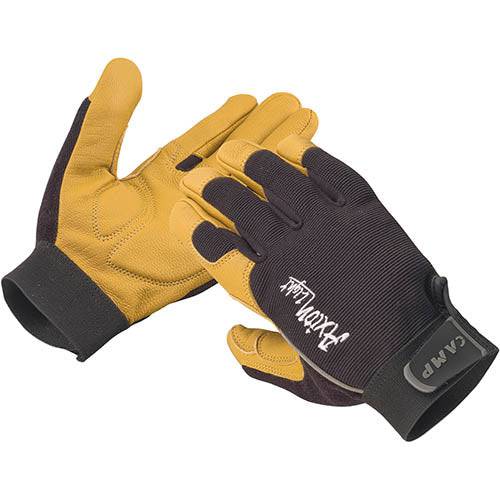
- Rope protection gloves designed to improve grip and resist friction during rope access and climbing tasks
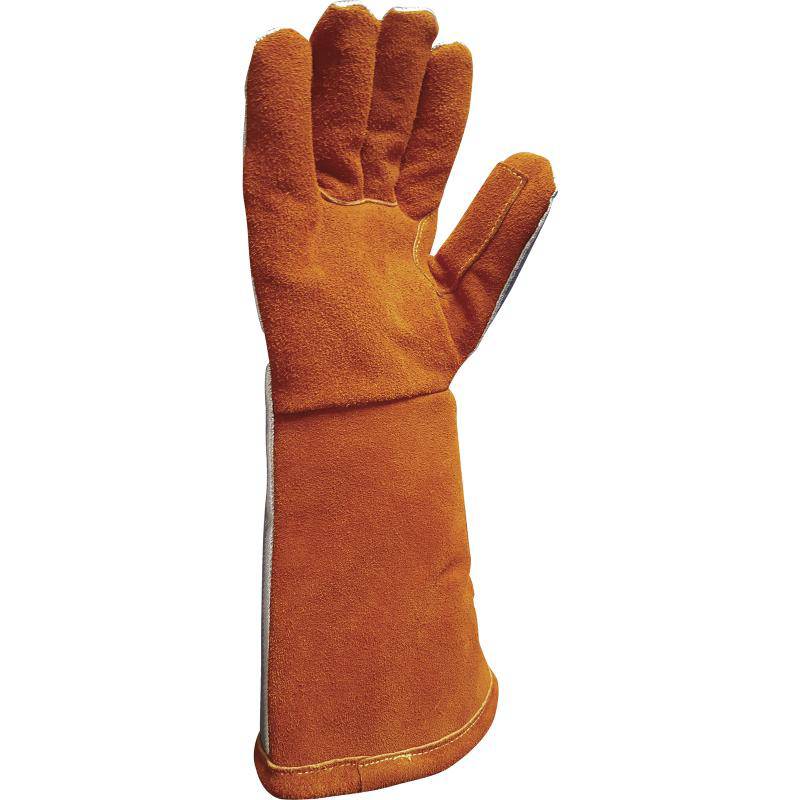
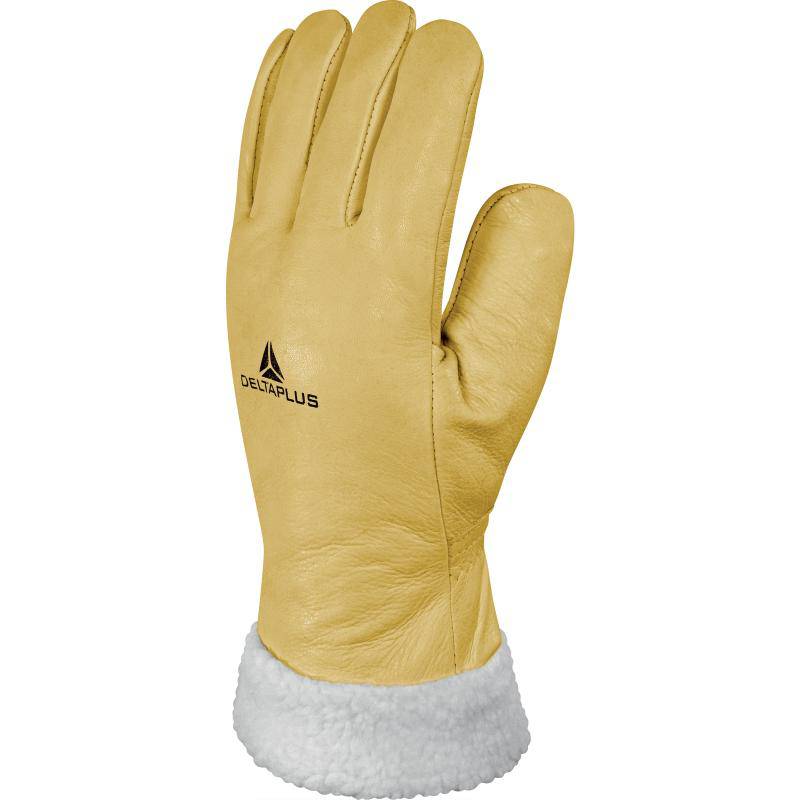
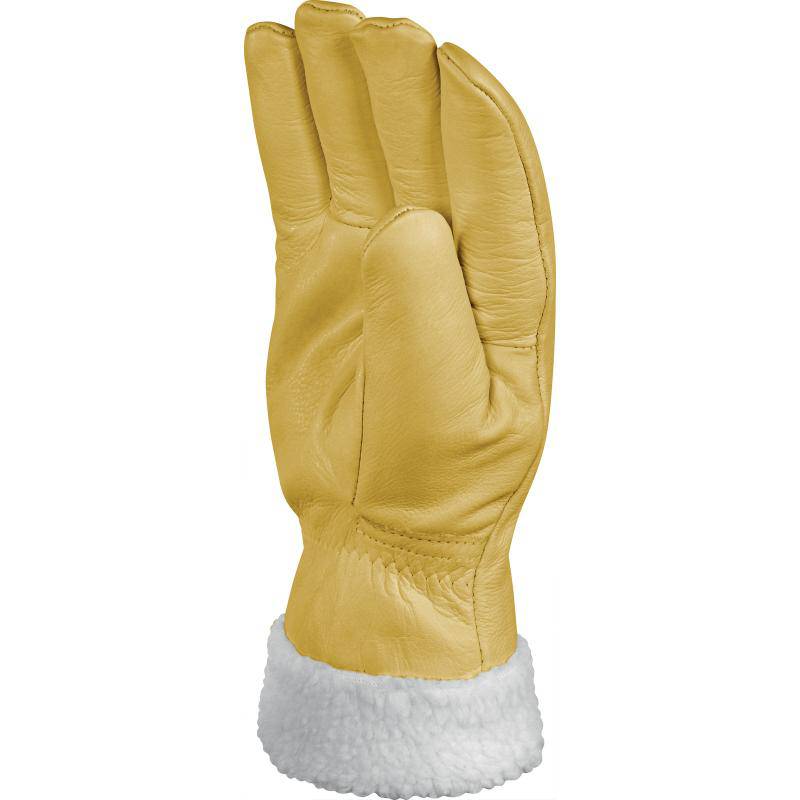
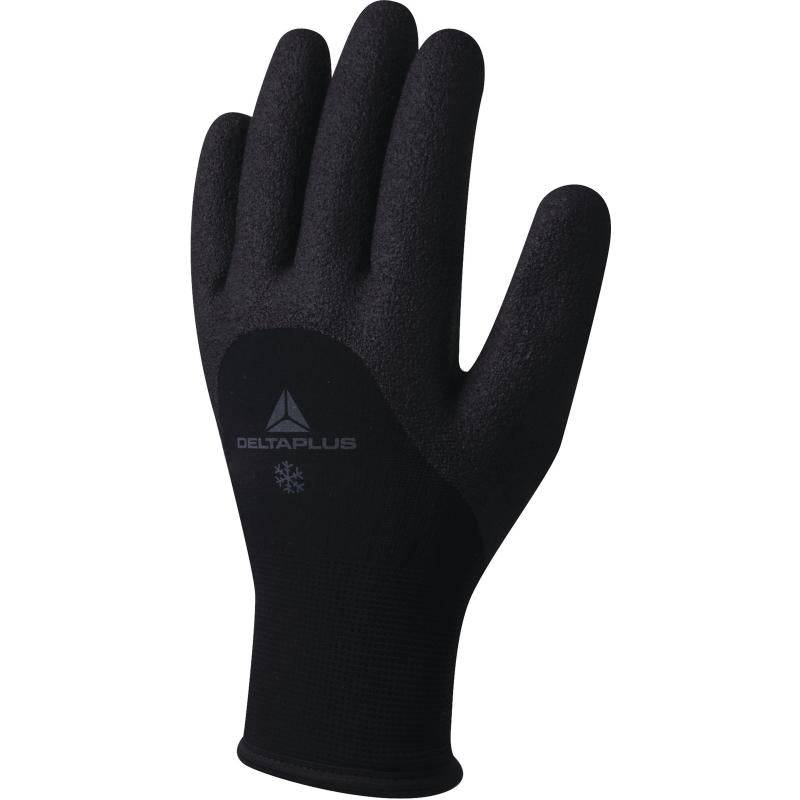
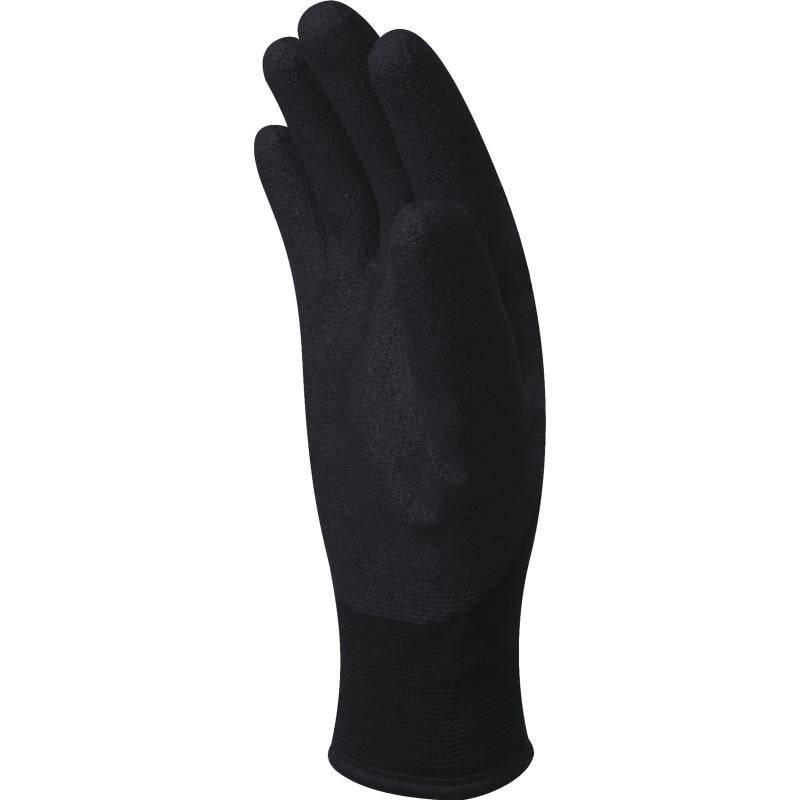
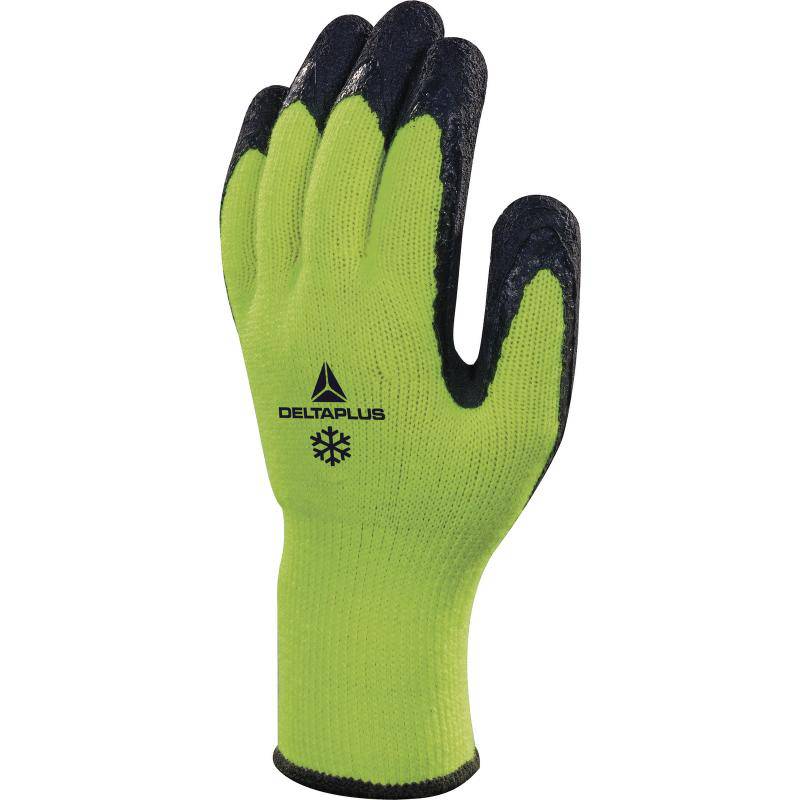
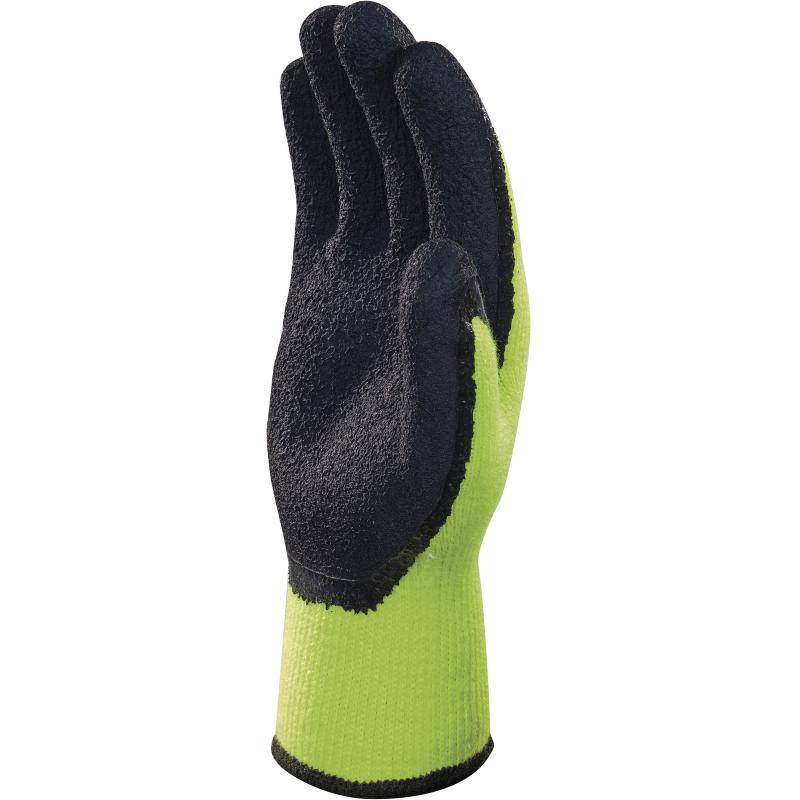
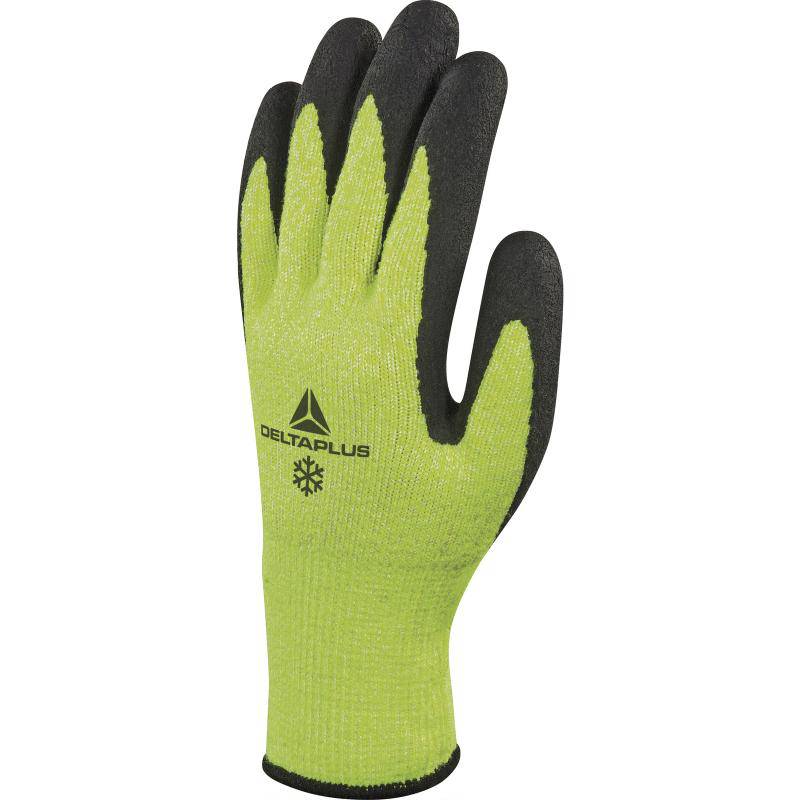
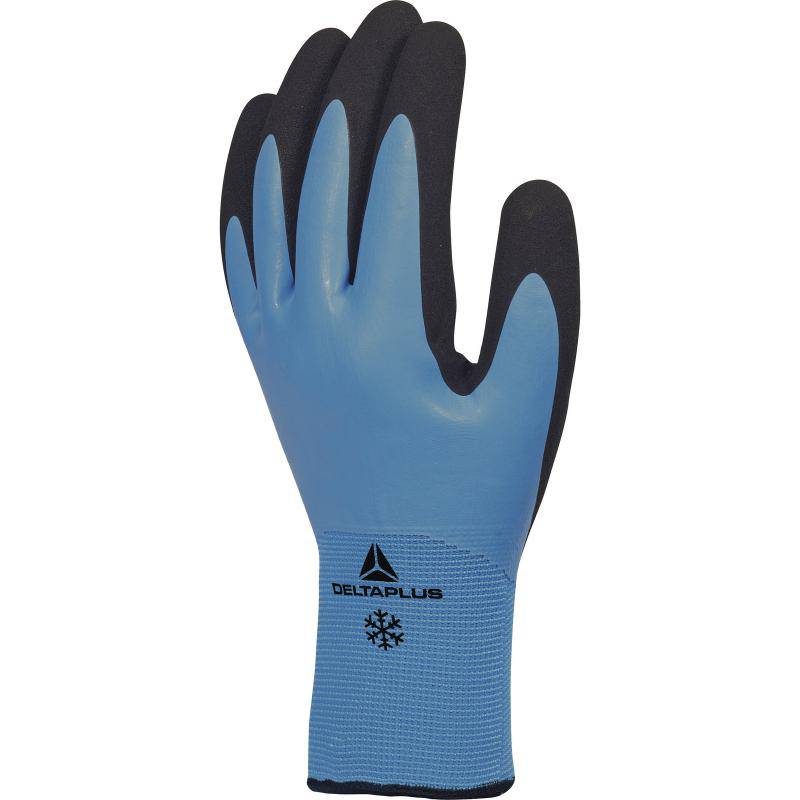
- Thermal protection gloves suitable for hot, cold, or temperature-sensitive working environments
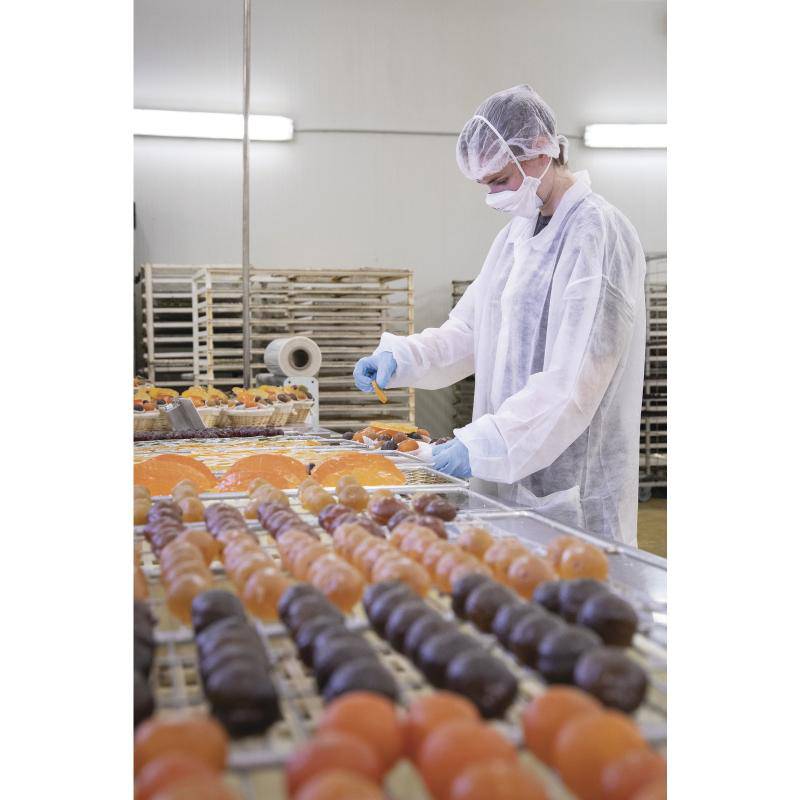
Our range of hand protection PPE is designed to support applications across construction, rope access, manufacturing, maintenance, energy, utilities, telecommunications, mining, defence, maritime, agriculture, aviation, transportation, healthcare and general industry. This ensures that teams can operate with confidence, knowing their equipment is suited to the hazards present.
Hand Protection Selection Guide
| Product Type | Description | Typical Use Case | Key Benefits |
|---|---|---|---|
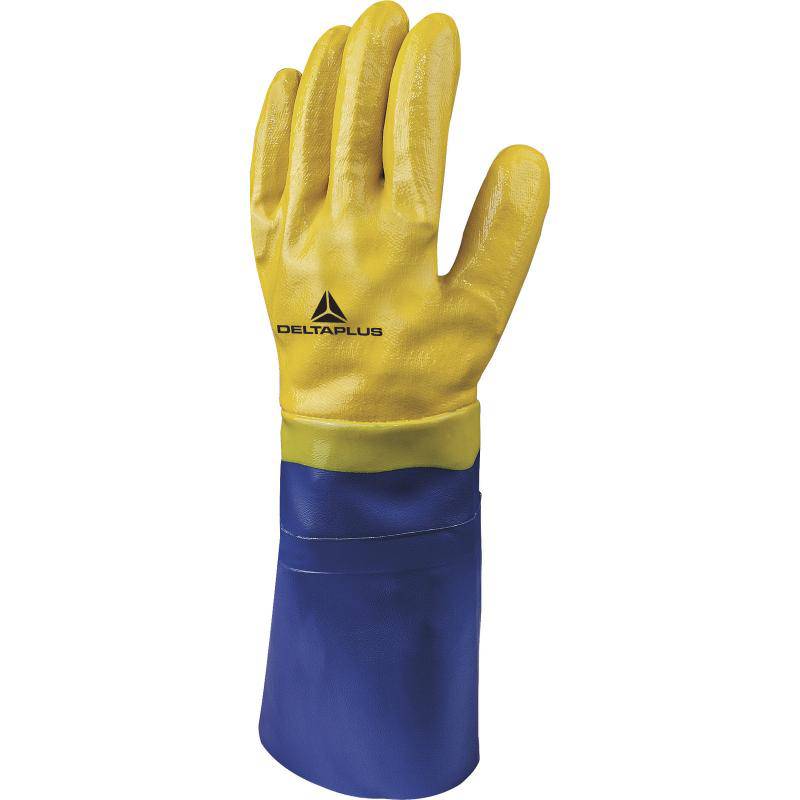
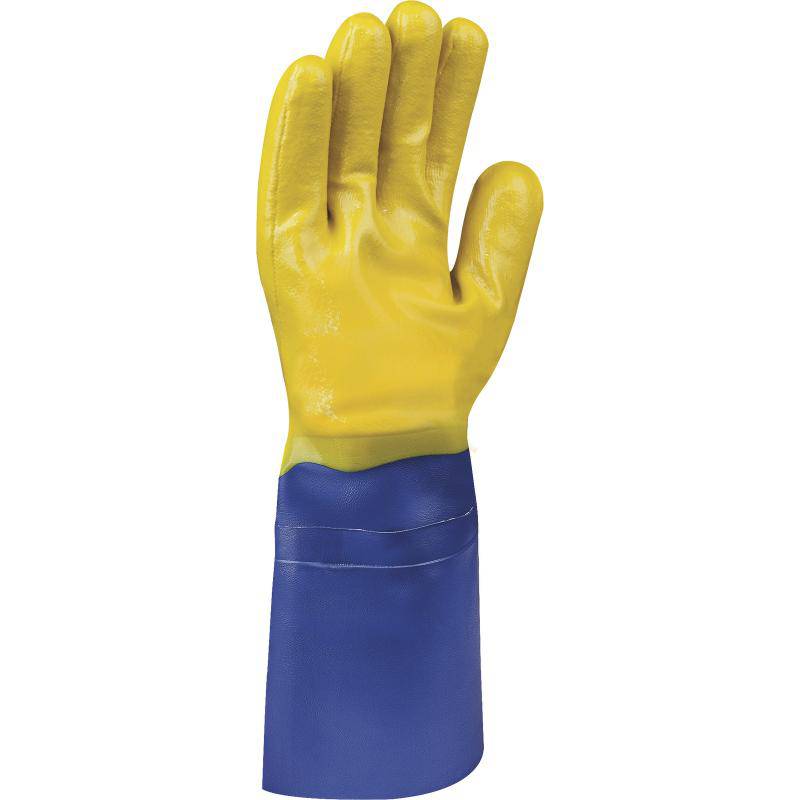
| Chemical Protection Gloves | Gloves resistant to liquids and hazardous substances | Cleaning, chemical handling | Protection against splashes and contact |
| Cut Protection Gloves | Reinforced materials to resist sharp edges | Metalwork, glass handling | Reduced risk of cuts and lacerations |
| Cut Protection Sleeves | Extended arm protection | Handling sharp materials | Additional coverage beyond gloves |
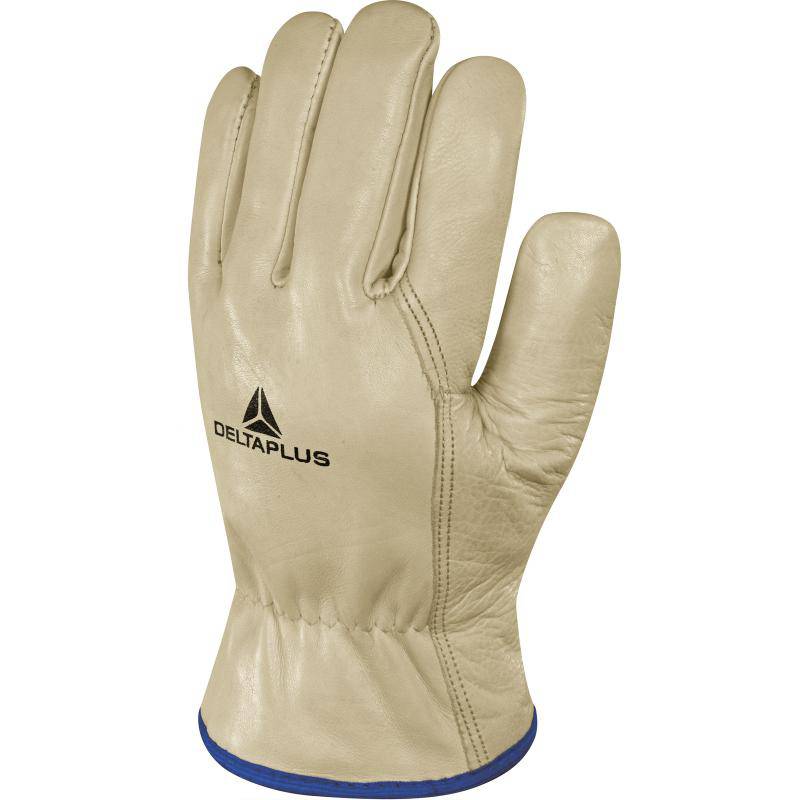
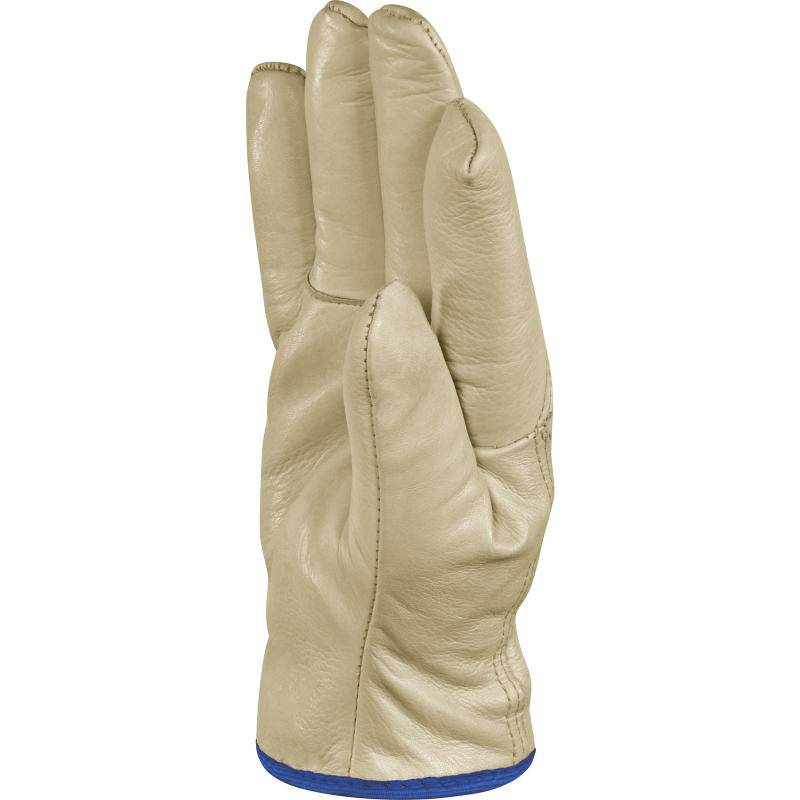
| Mechanical Protection Gloves | General-purpose gloves for handling and grip | Construction, logistics | Durability, grip, abrasion resistance |
| Rope Protection Gloves | Designed for rope handling and friction resistance | Rope access, climbing tasks | Improved grip, heat and wear resistance |
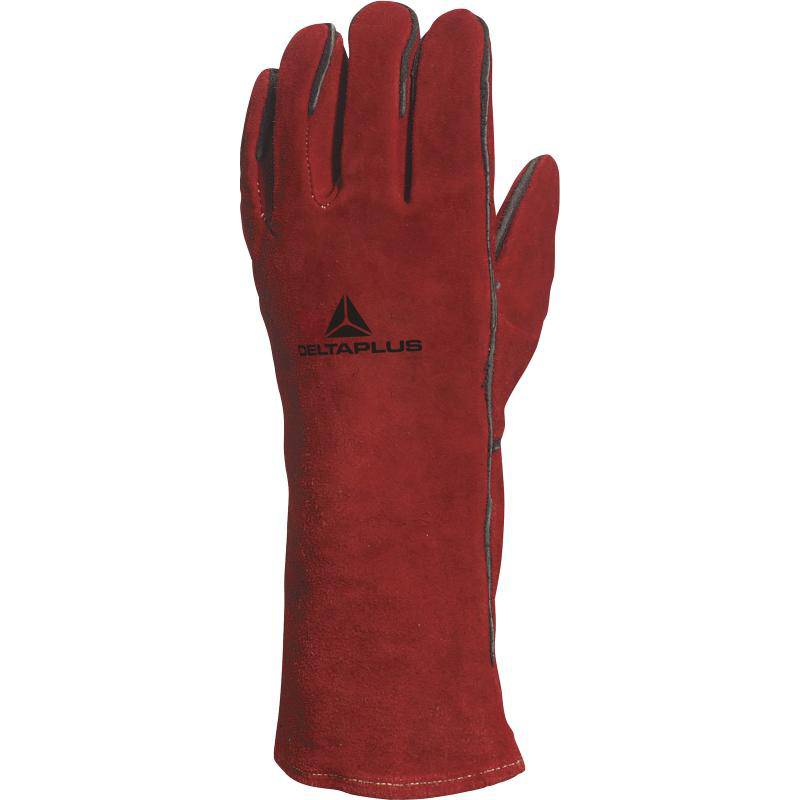
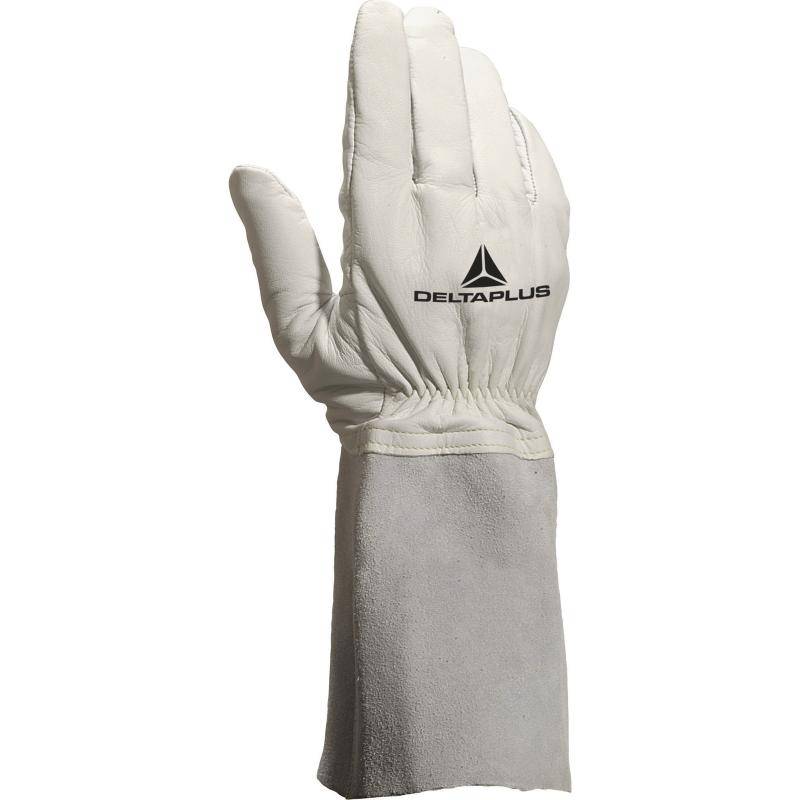
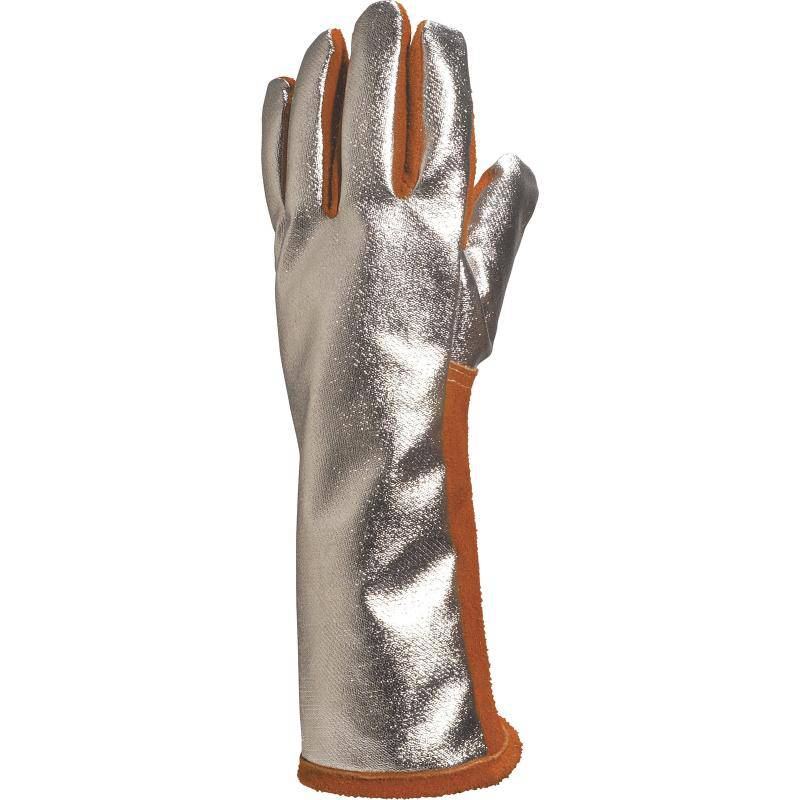
| Thermal Protection Gloves | Insulated gloves for hot or cold environments | Welding, outdoor work | Temperature resistance, user comfort |
Choosing the Right Gloves
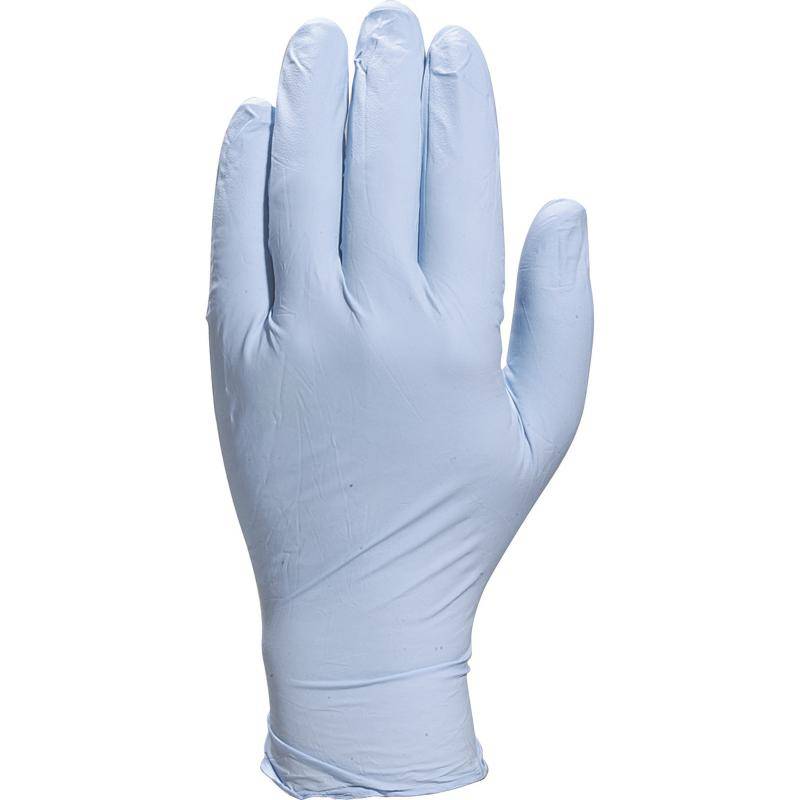
Selecting the correct hand protection equipment depends on the working environment, the type of hazard, and the level of dexterity required. Tasks involving fine handling may require lightweight gloves with enhanced flexibility, while heavy-duty work often calls for thicker materials and reinforced protection.
Environmental conditions should also be considered. Cold environments may require insulated solutions, while wet or oily conditions benefit from coated gloves that improve grip. For tasks involving repetitive handling, comfort and breathability are also important factors that can influence long-term usability.
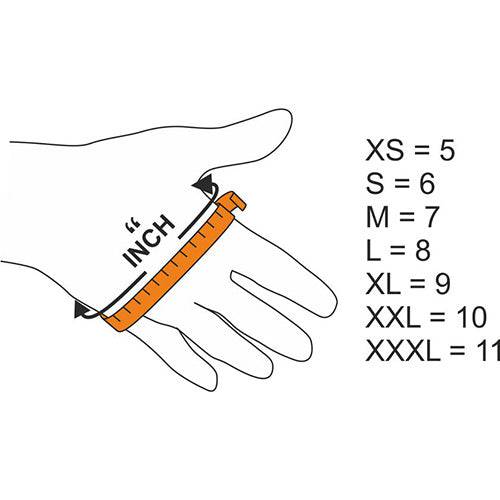
A well-chosen glove not only protects against hazards but also supports better performance by improving control and reducing fatigue. Ensuring proper fit is equally important, as poorly fitting gloves can reduce both safety and productivity.
Reliable Protection for Everyday Use
From general handling gloves to specialised solutions, our range of safety gloves for sale is designed to support safe and efficient operations across multiple industries. These products are widely used in construction, infrastructure, manufacturing, industrial and maintenance environments where hand protection is essential.
Consistent access to suitable hand protection solutions also supports site compliance and helps ensure that both workers and visitors are equipped with appropriate PPE when required.
Equip Your Team Today
Explore our full range of safety gloves and hand protection and find the right solution for your working environment. Whether you require durable everyday gloves or specialised protection for specific tasks, SecureHeights provides reliable options designed for real-world use.
Browse the collection now and equip your team with reliable hand protection for safer, more efficient work.