





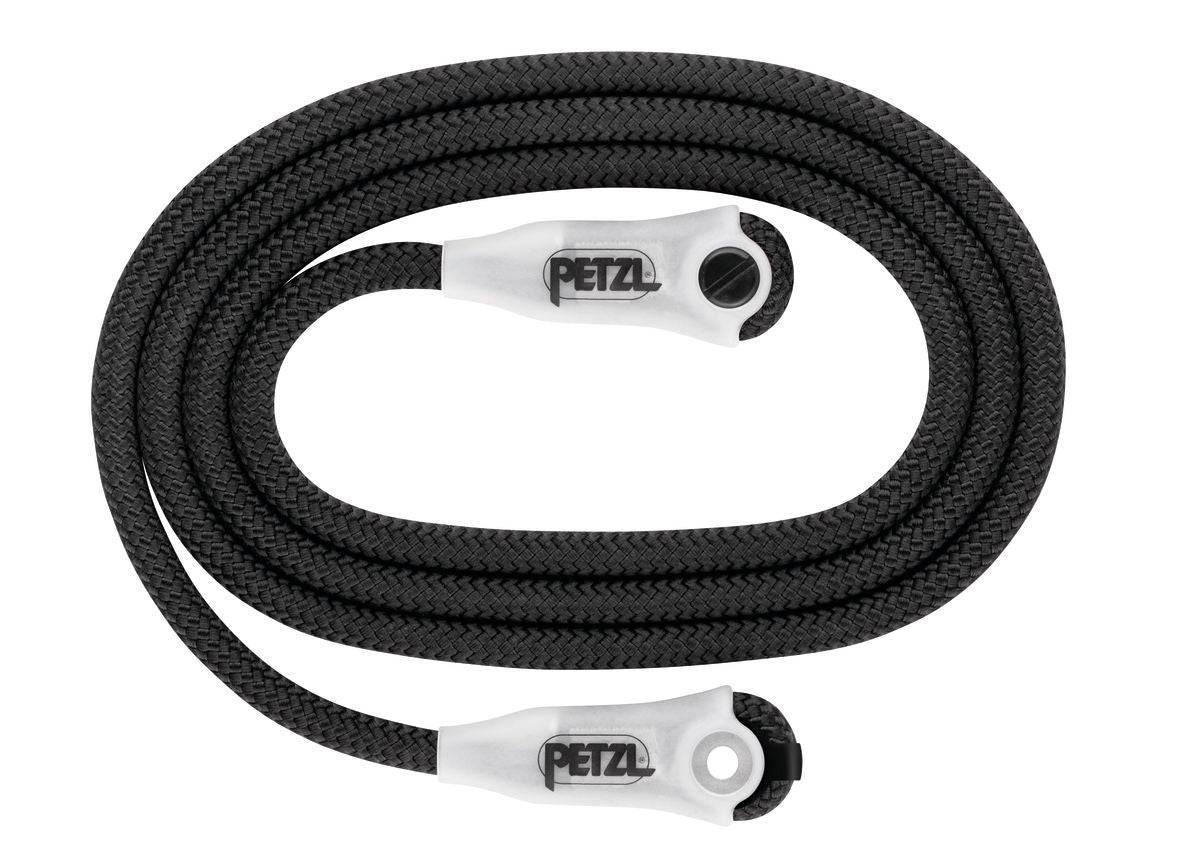
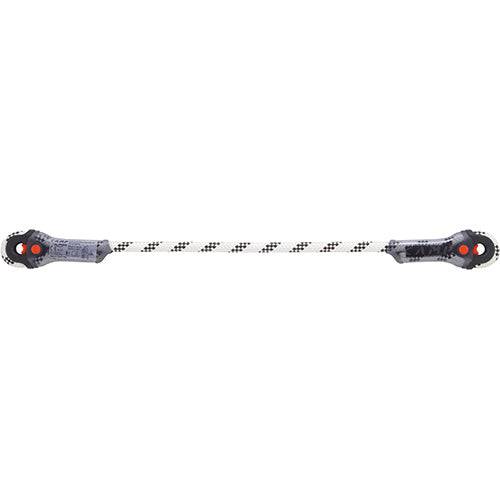
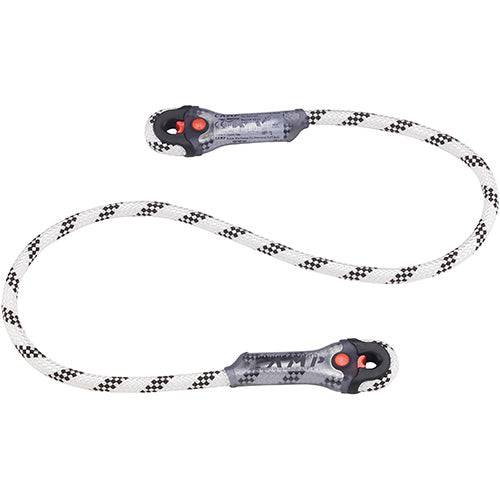
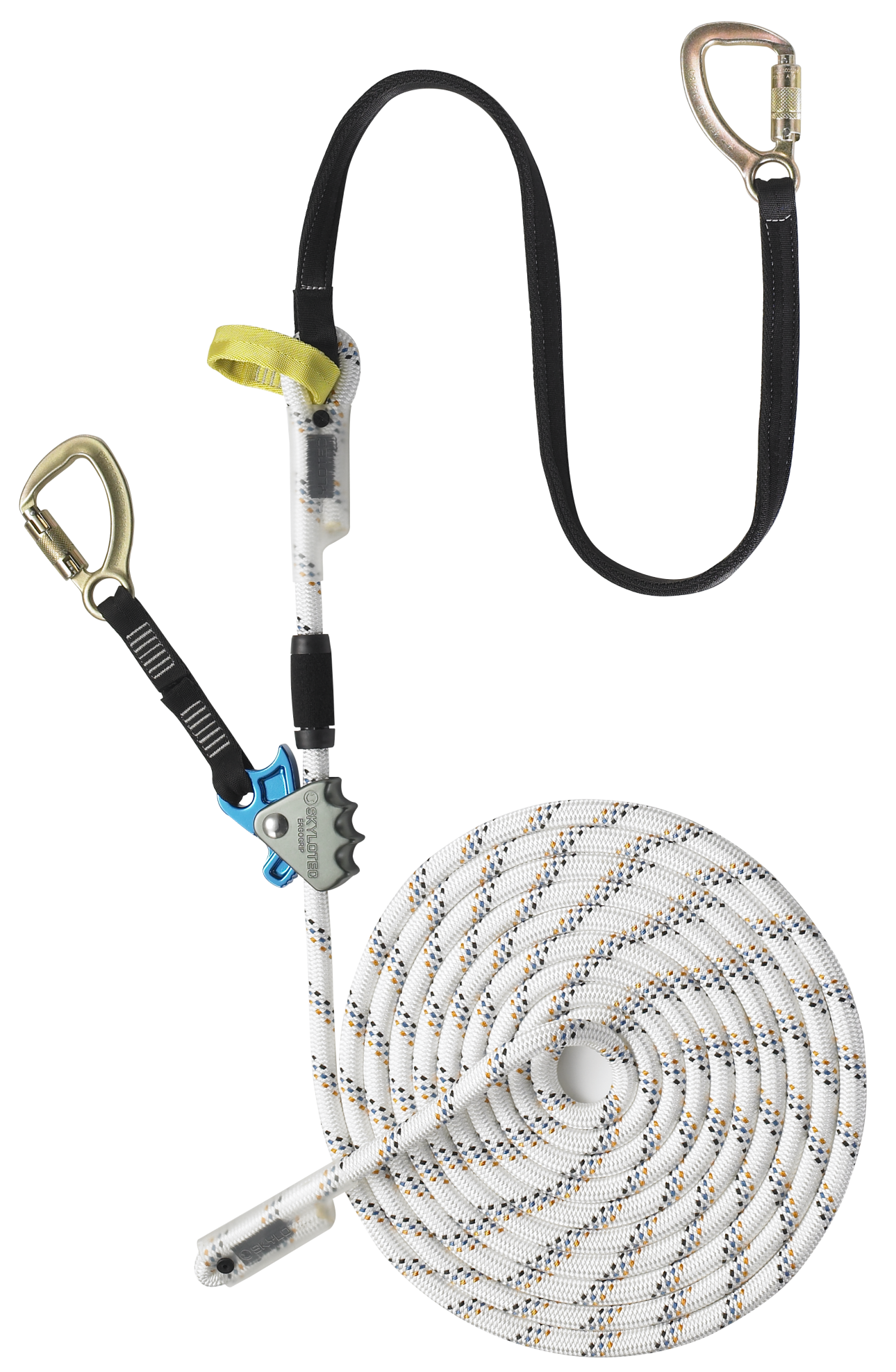
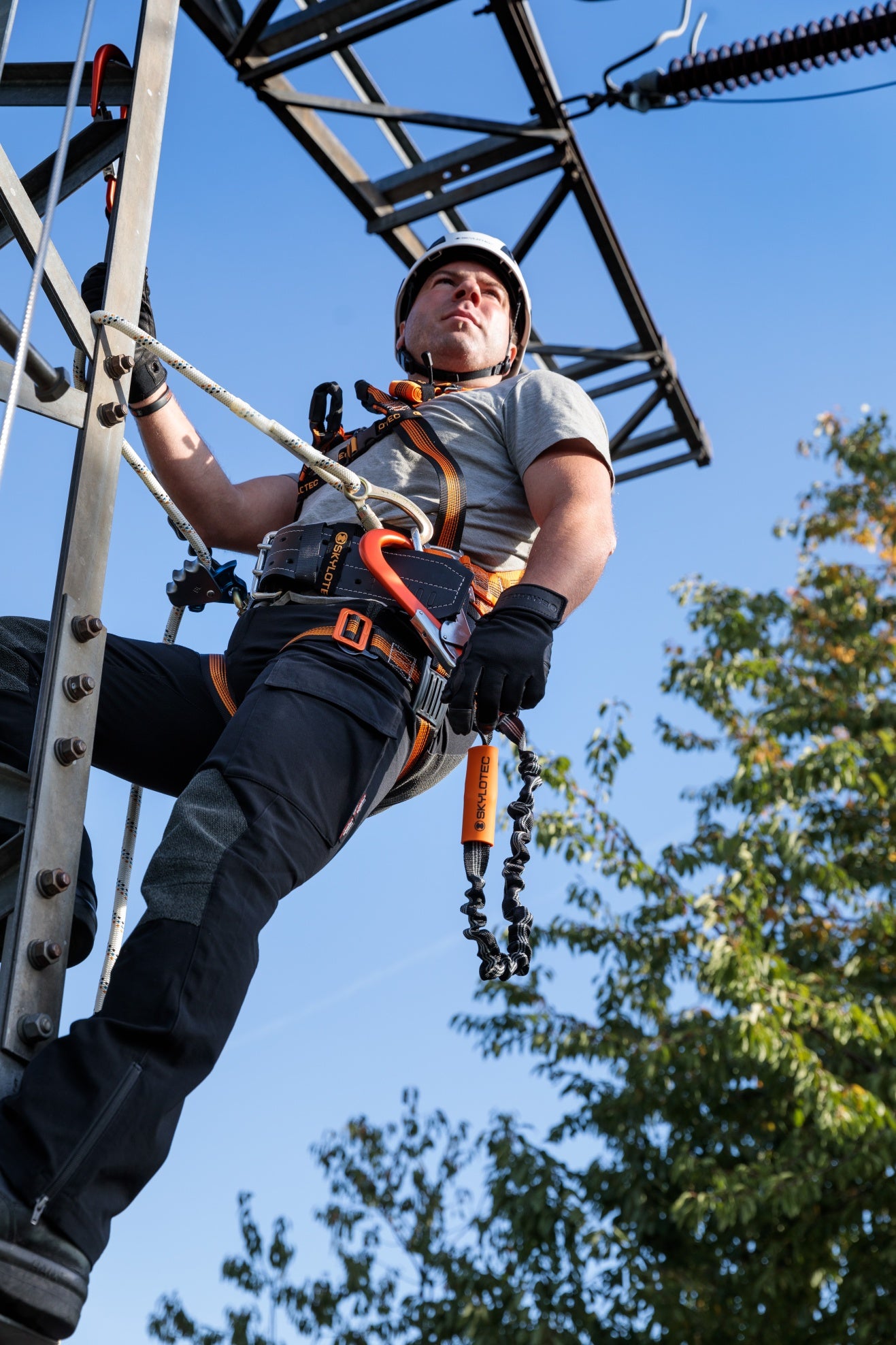
A correctly selected height safety lanyard helps ensure setup compatibility, user comfort, and compliance with site-specific risk assessments.
Safety Lanyard Types & Selection
| Lanyard Type | Configuration / Style | Key Function | Typical Connection Points | Common Applications |
|---|---|---|---|---|
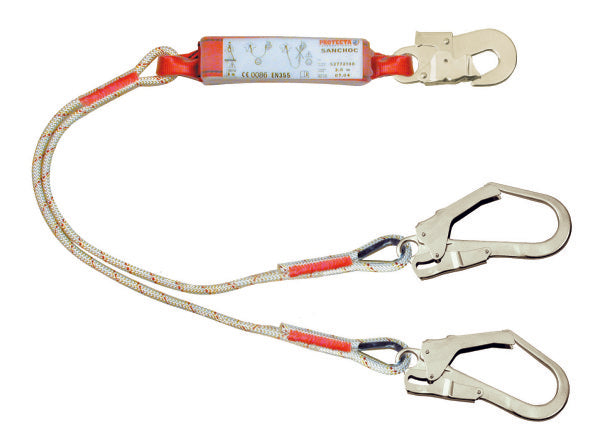
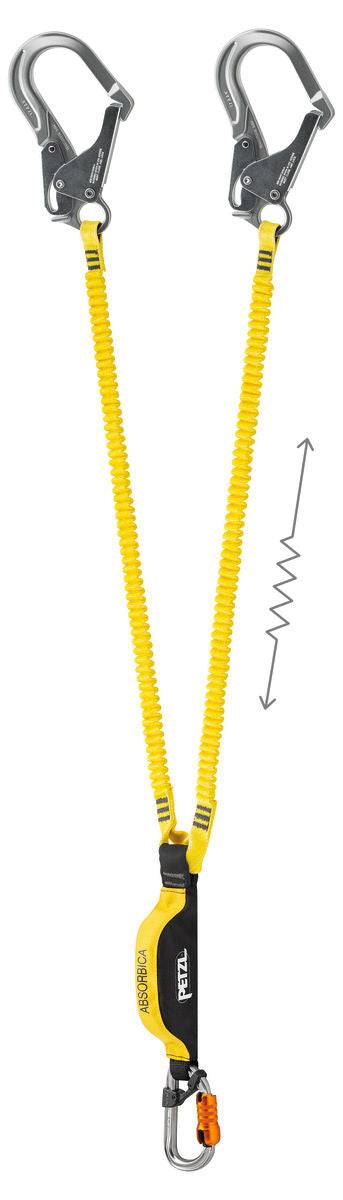
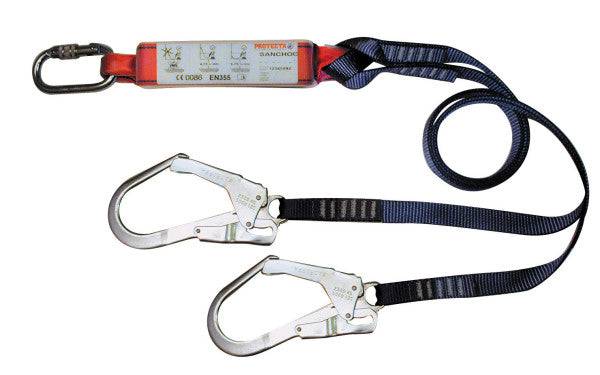
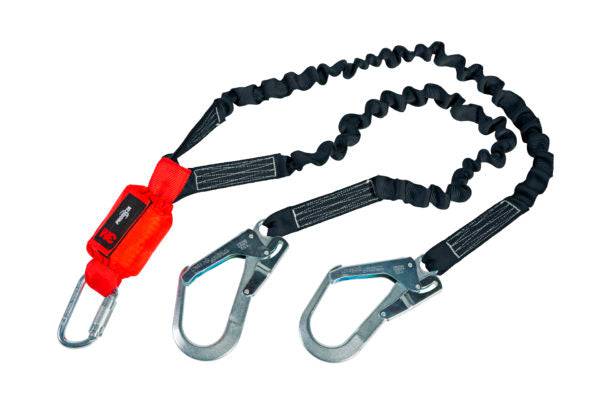
| Fall Arrest Lanyards | Single or twin leg, often with energy absorber | Stops a fall and reduces impact forces | Harness ↔ anchor / lifeline / SRL | Fall arrest and general work at height applications |
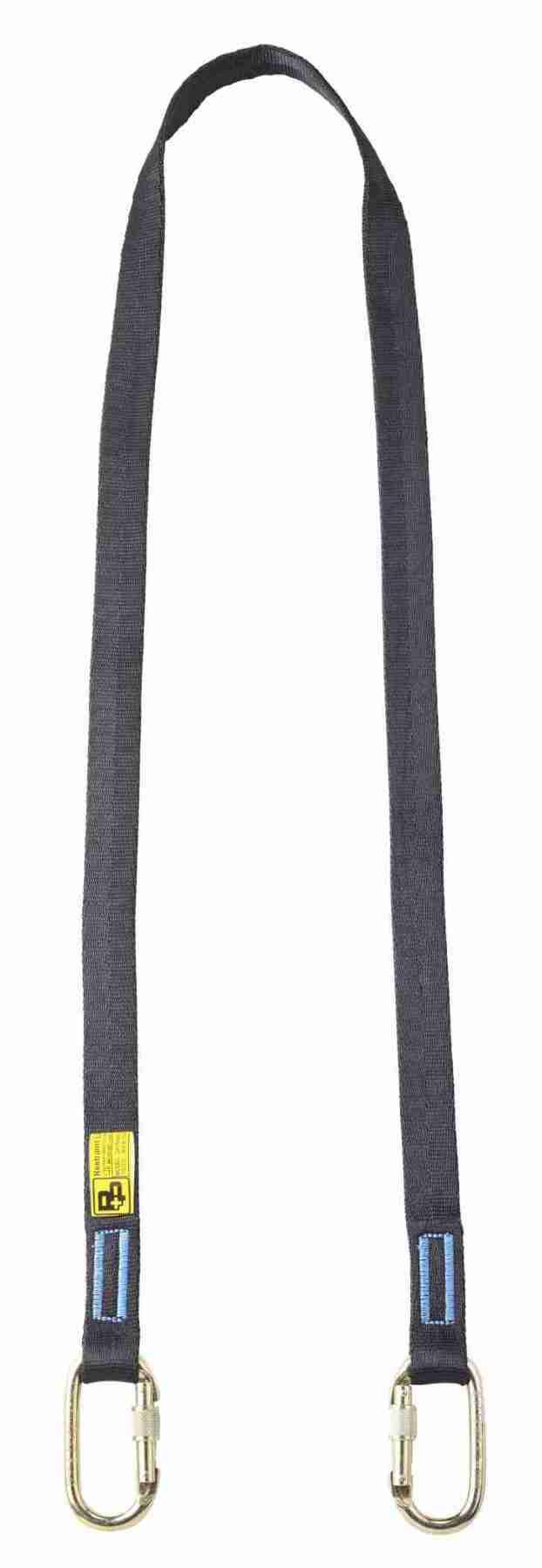
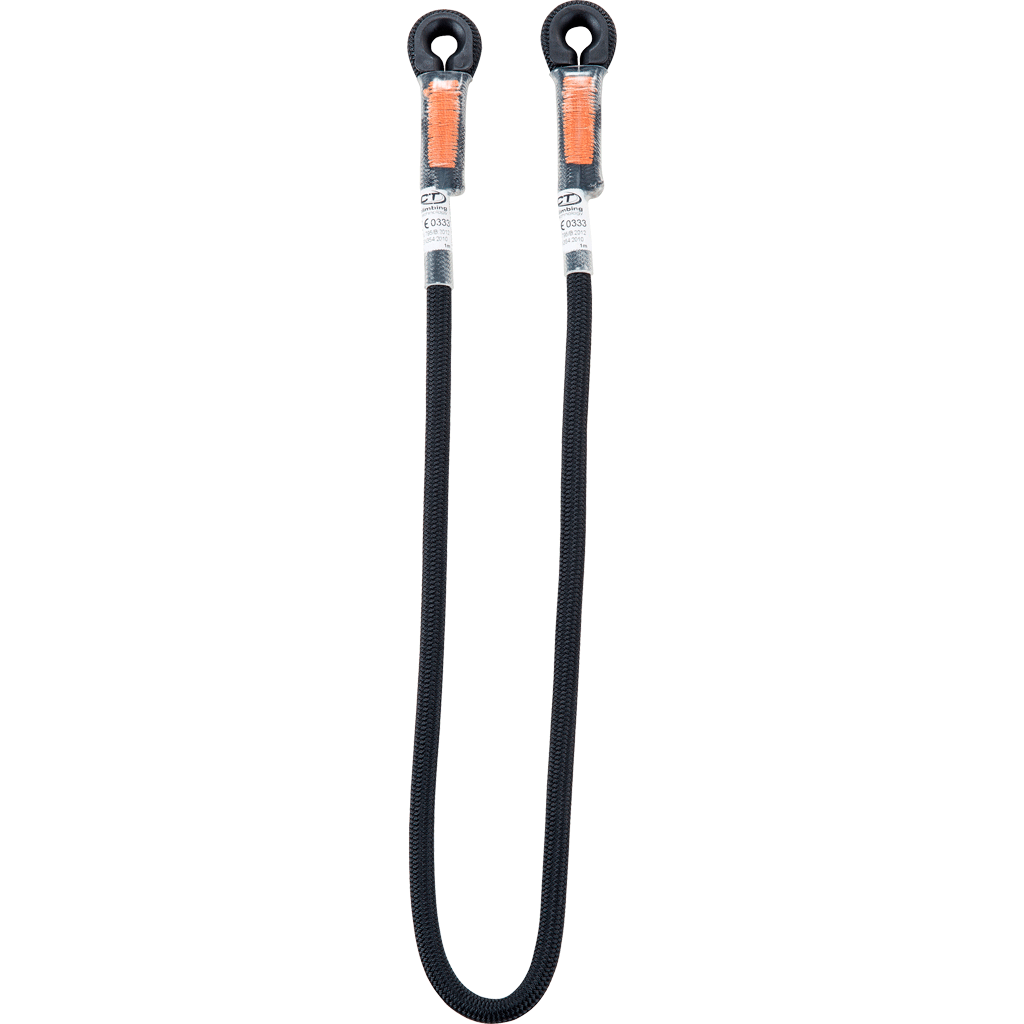
| Fall Restraint Lanyards | Fixed or adjustable length, single or twin leg | Prevents workers from reaching fall hazards | Harness ↔ anchor point | Fall restraint and restricted access applications |
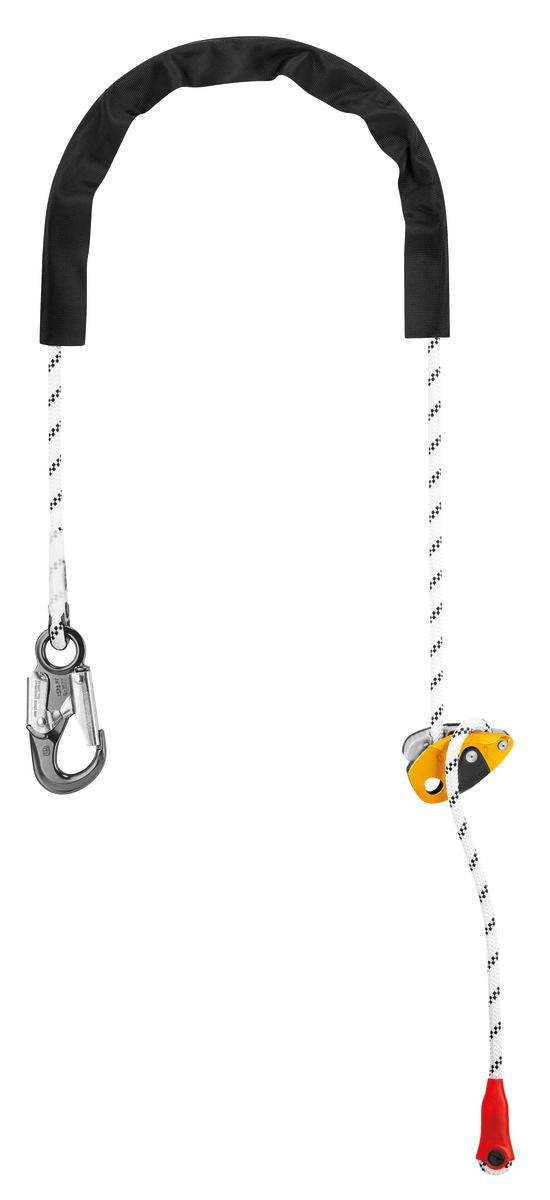
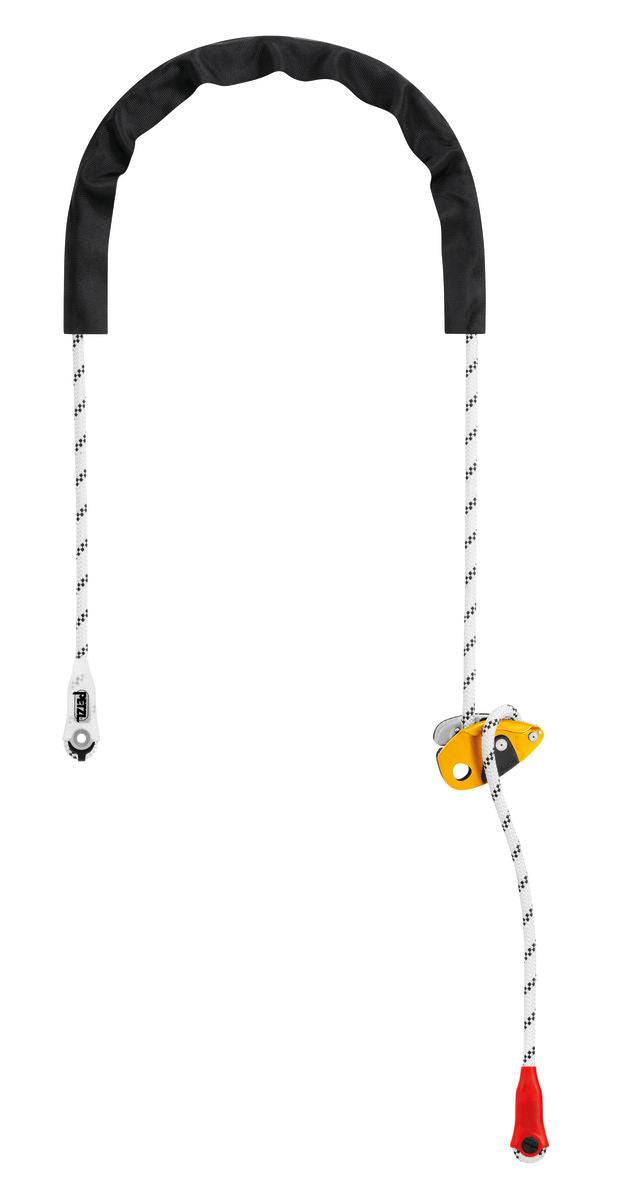
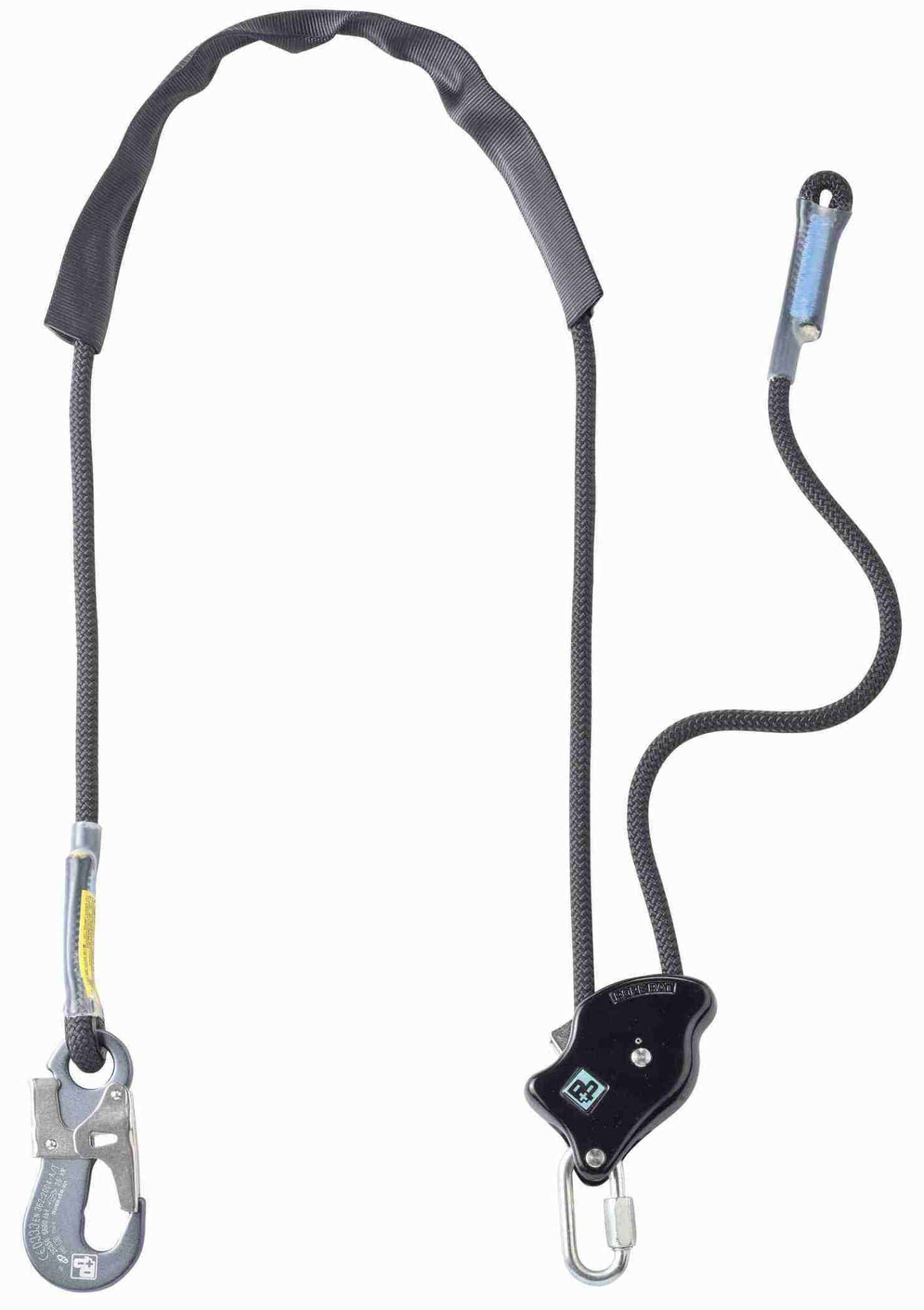
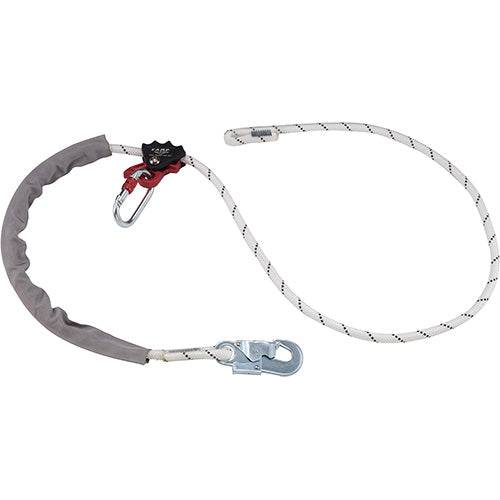
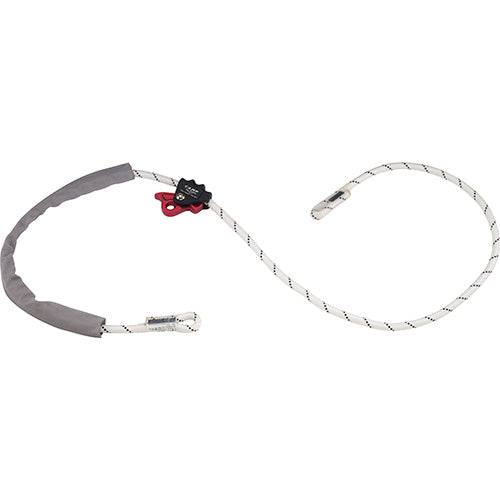
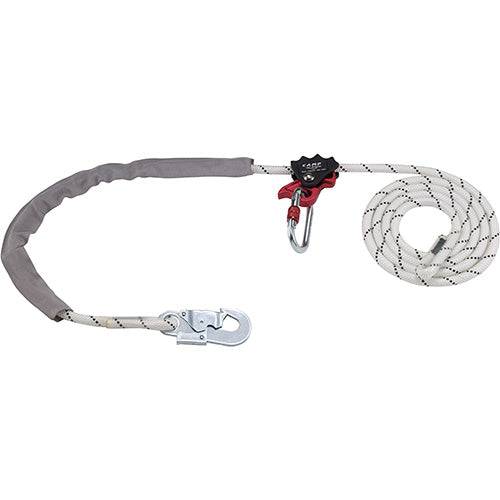
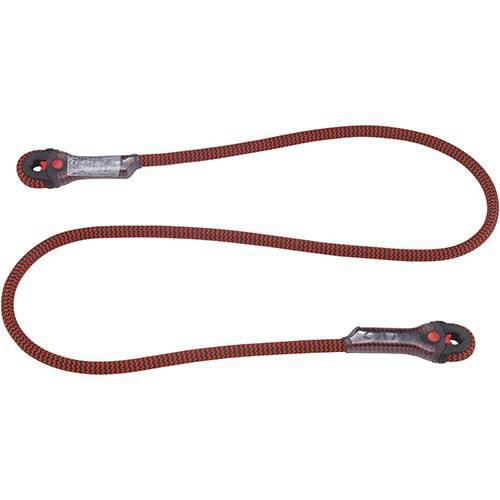
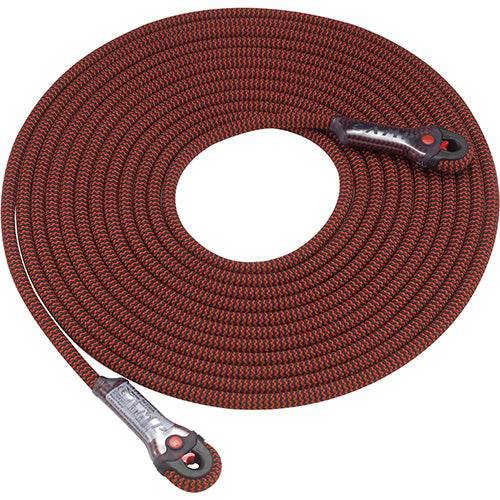
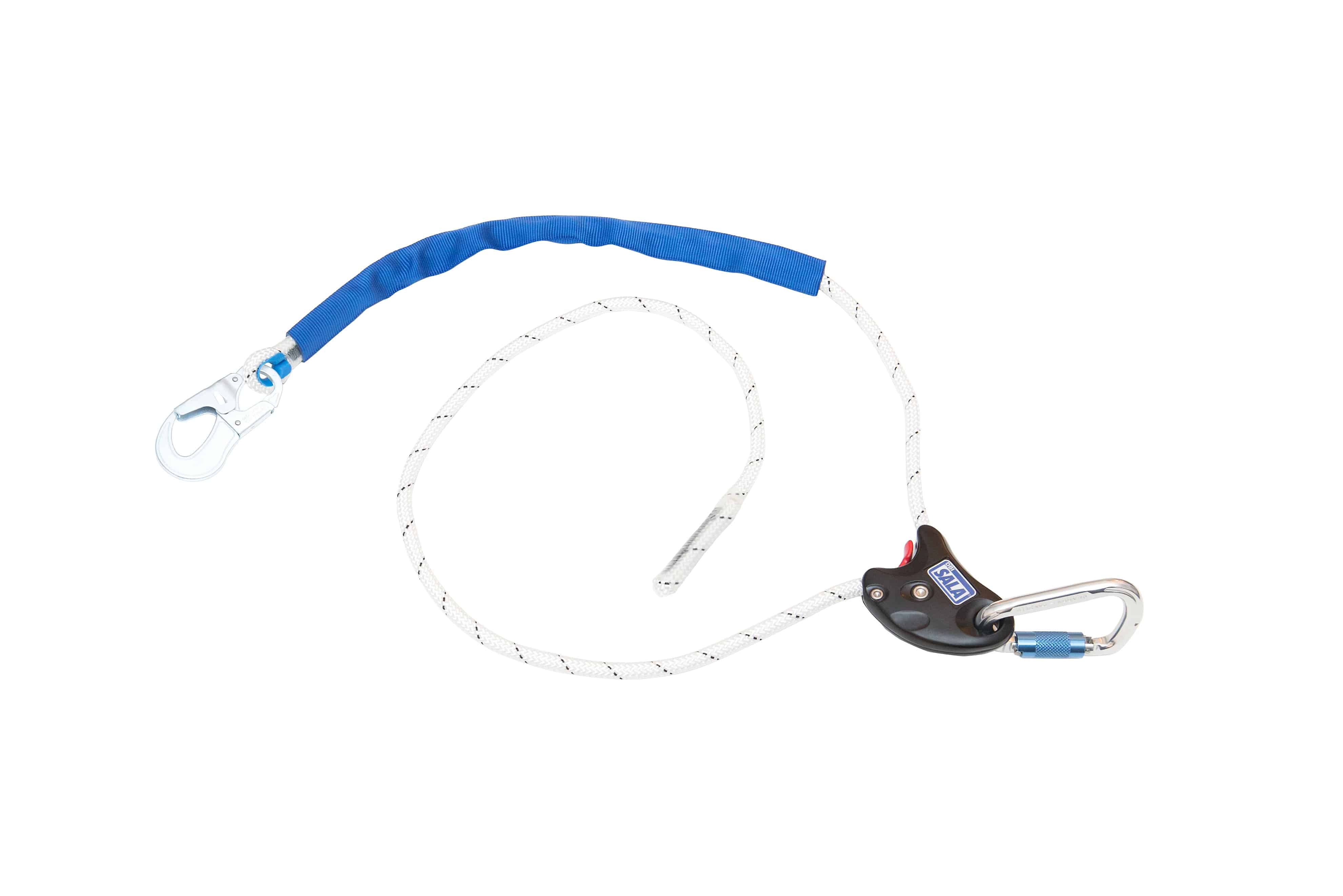
| Work Positioning Lanyards | Adjustable rope or webbing lanyards, single or twin leg | Allows stable hands-free working position | Harness side D-rings ↔ structure | Work positioning and hands-free access applications |
Lanyards for Arrest, Restraint & Positioning
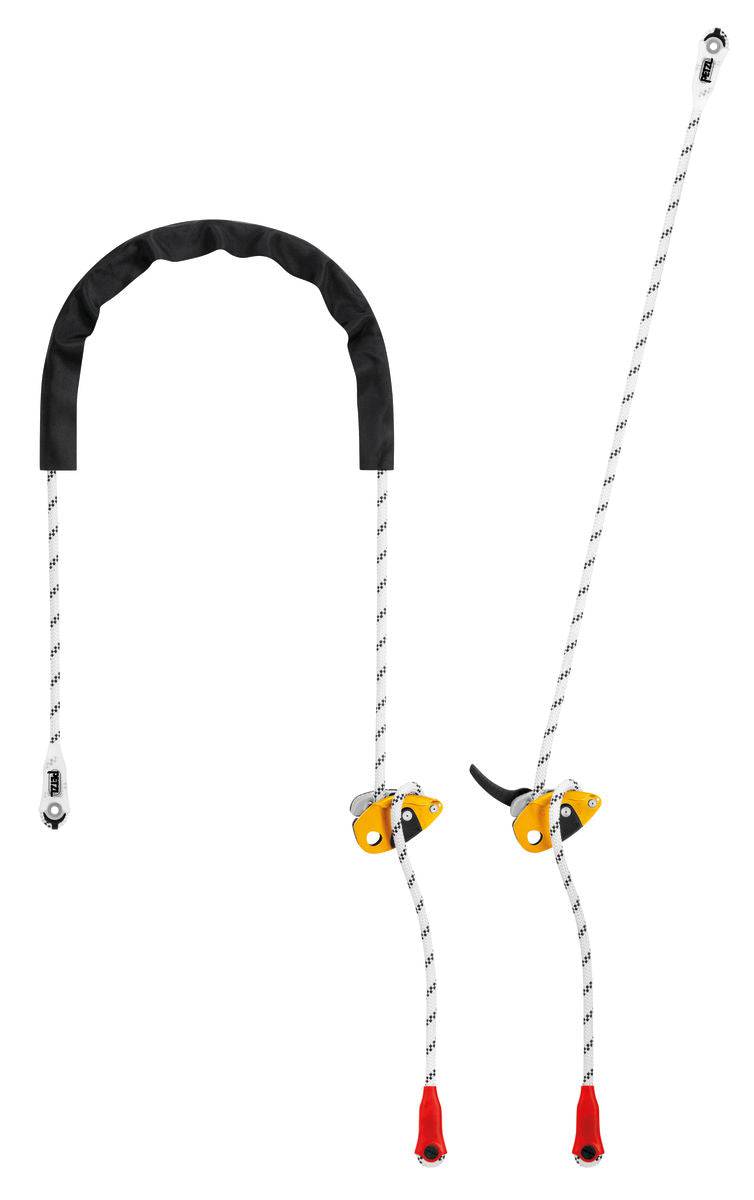
Different tasks require different lanyard functions. Our range includes work positioning lanyards that allow operatives to maintain a stable working position while keeping their hands free, ideal for structural, scaffolding, and tower-based work.
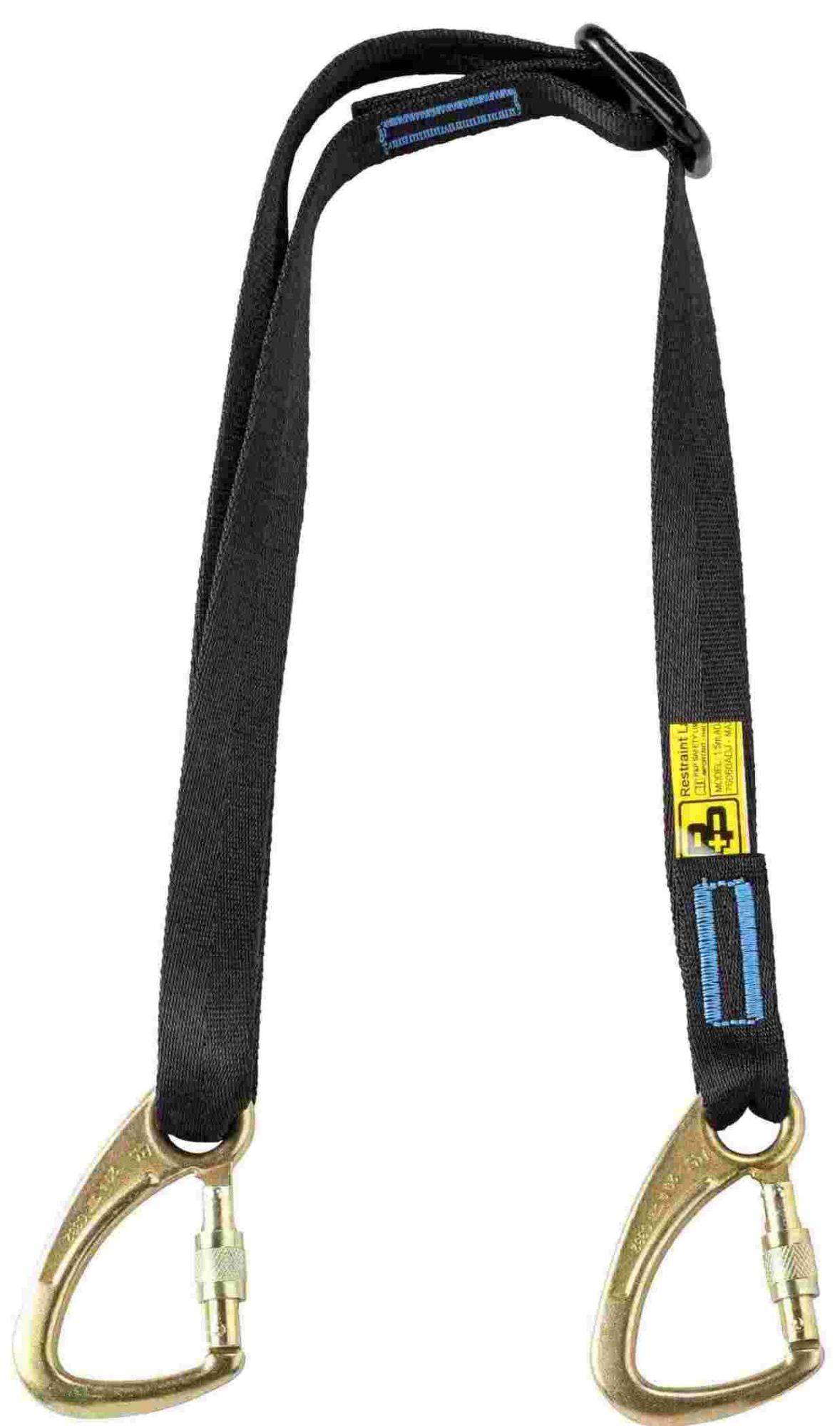
For situations where access to a fall hazard needs to be restricted, fall restraint lanyards are used to prevent the user from reaching a dangerous edge, making them suitable for roof work, maintenance, and controlled access environments.
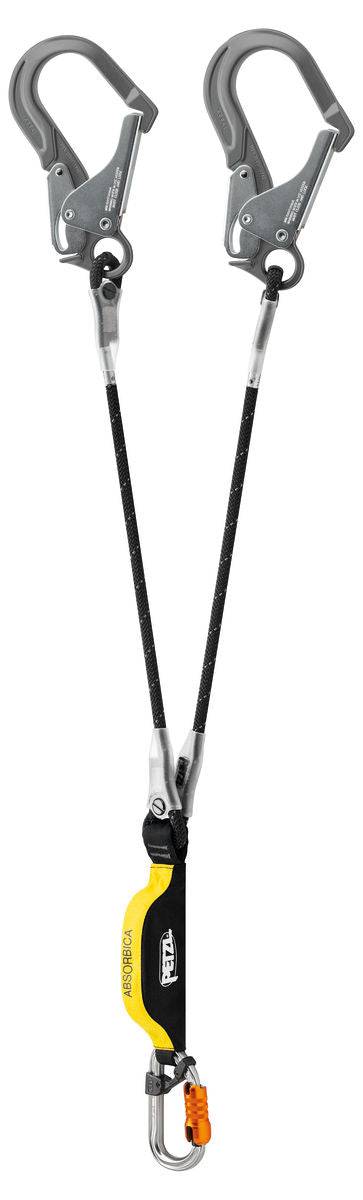
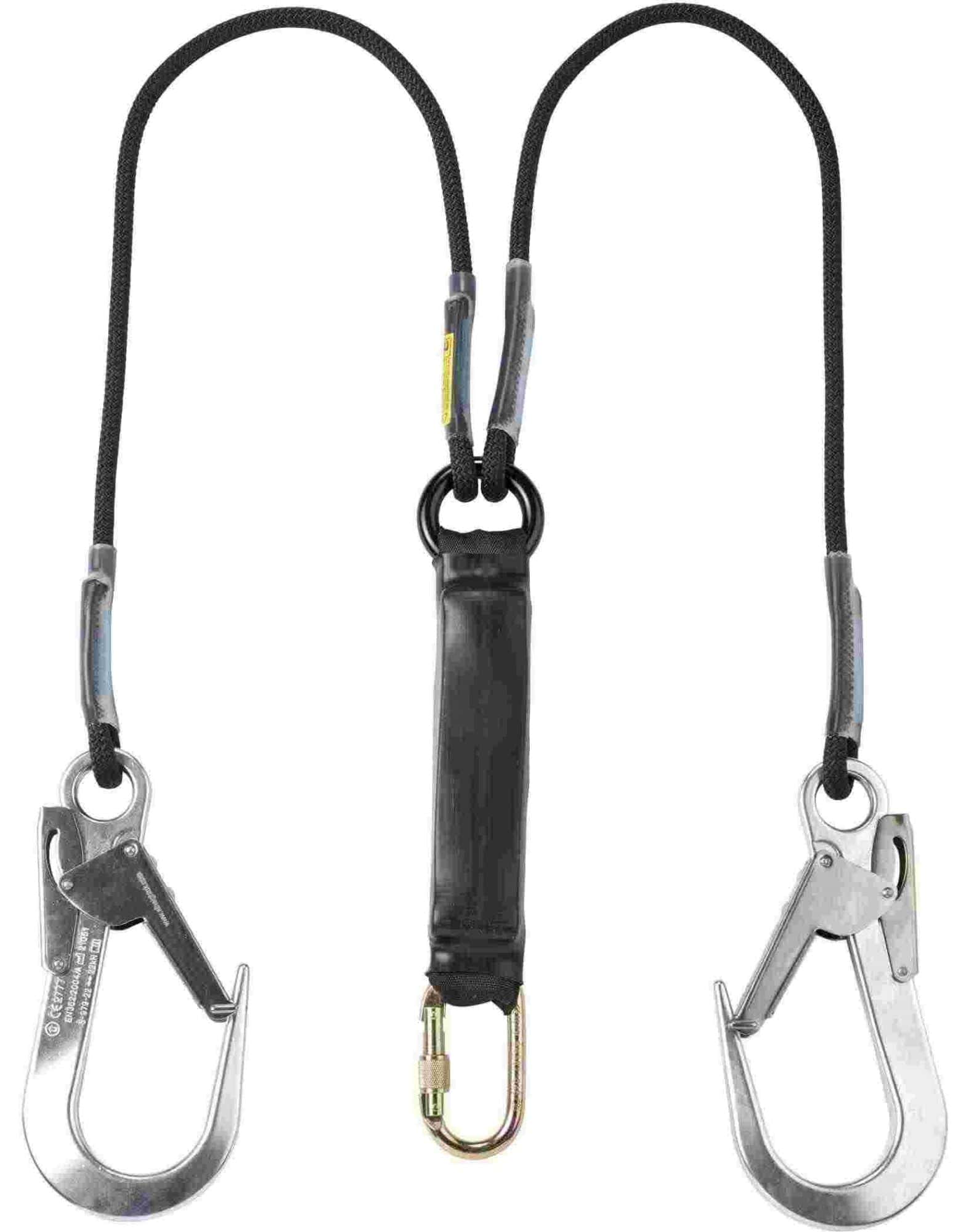
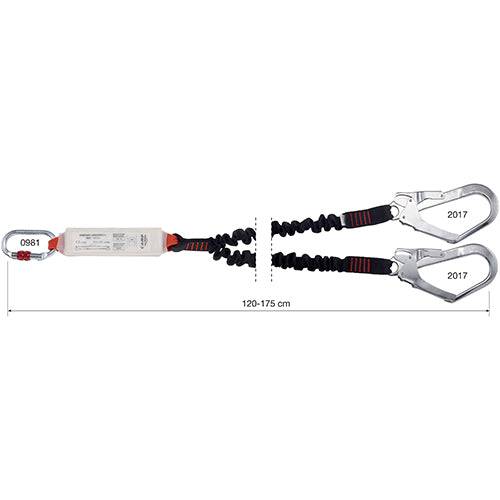
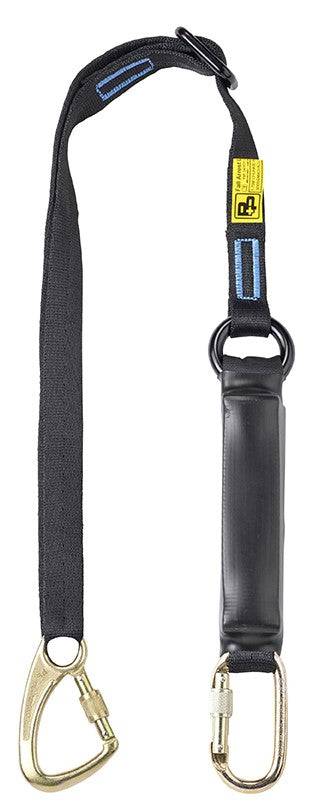
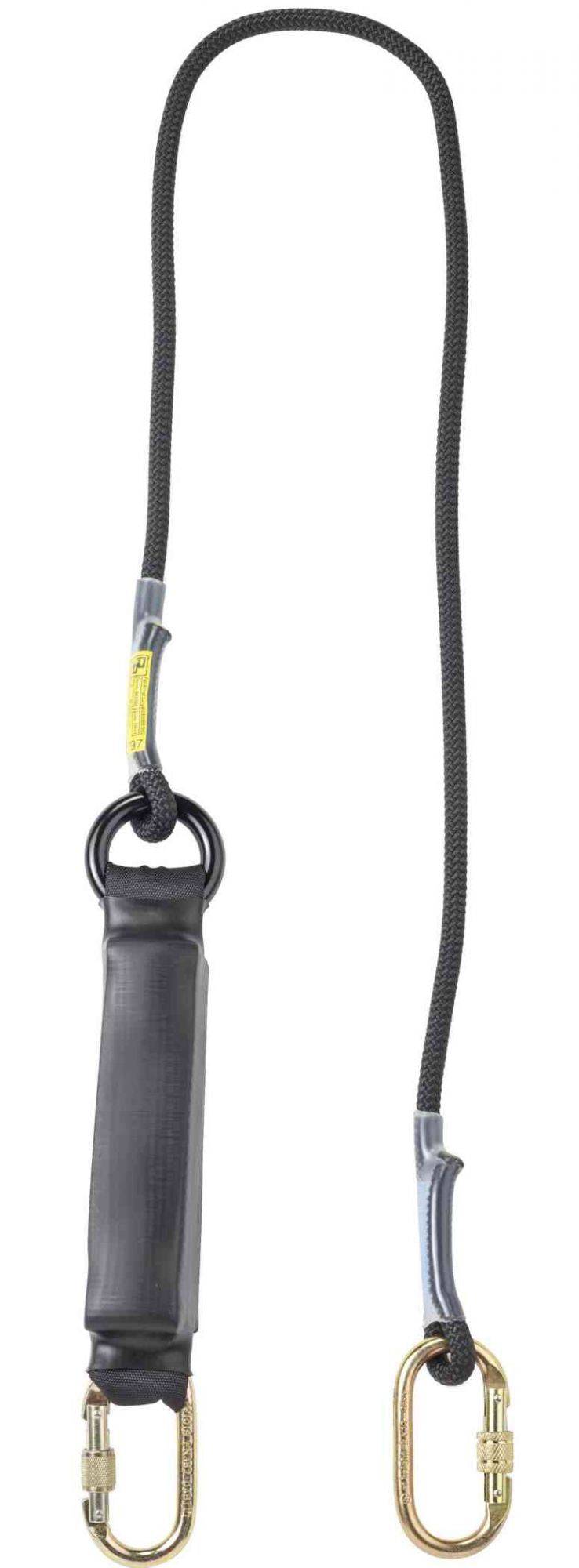
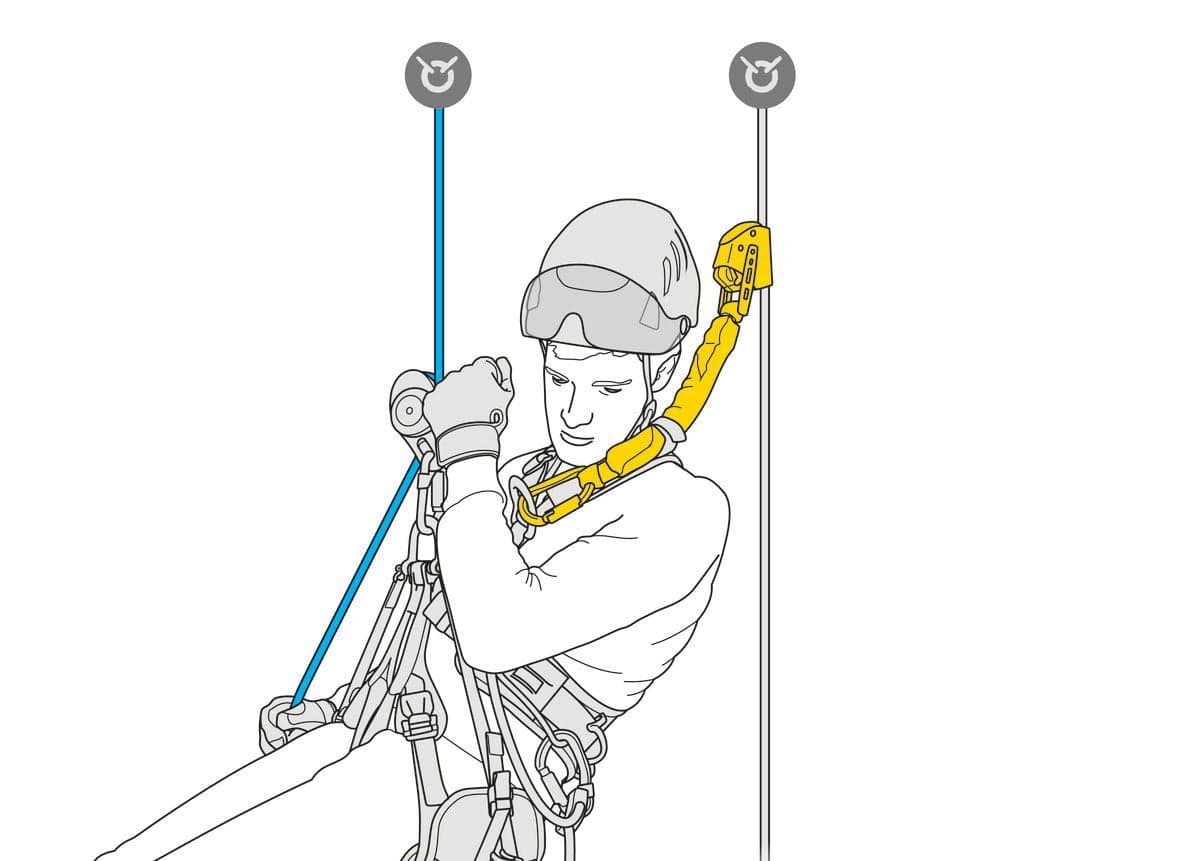
Where a fall risk cannot be eliminated, a fall arrest lanyard is used to safely stop a fall after it occurs. Many of these incorporate an energy absorber or energy-absorbing lanyard design to reduce the forces transmitted to the user and anchor point during a fall.
Practical Options for Everyday Site Use
We supply both single and twin configurations to suit different access requirements. A single leg lanyard provides a simple, lightweight solution for straightforward connections, while a twin leg lanyard supports continuous attachment during movement.
Tailored Solutions & Expert Support
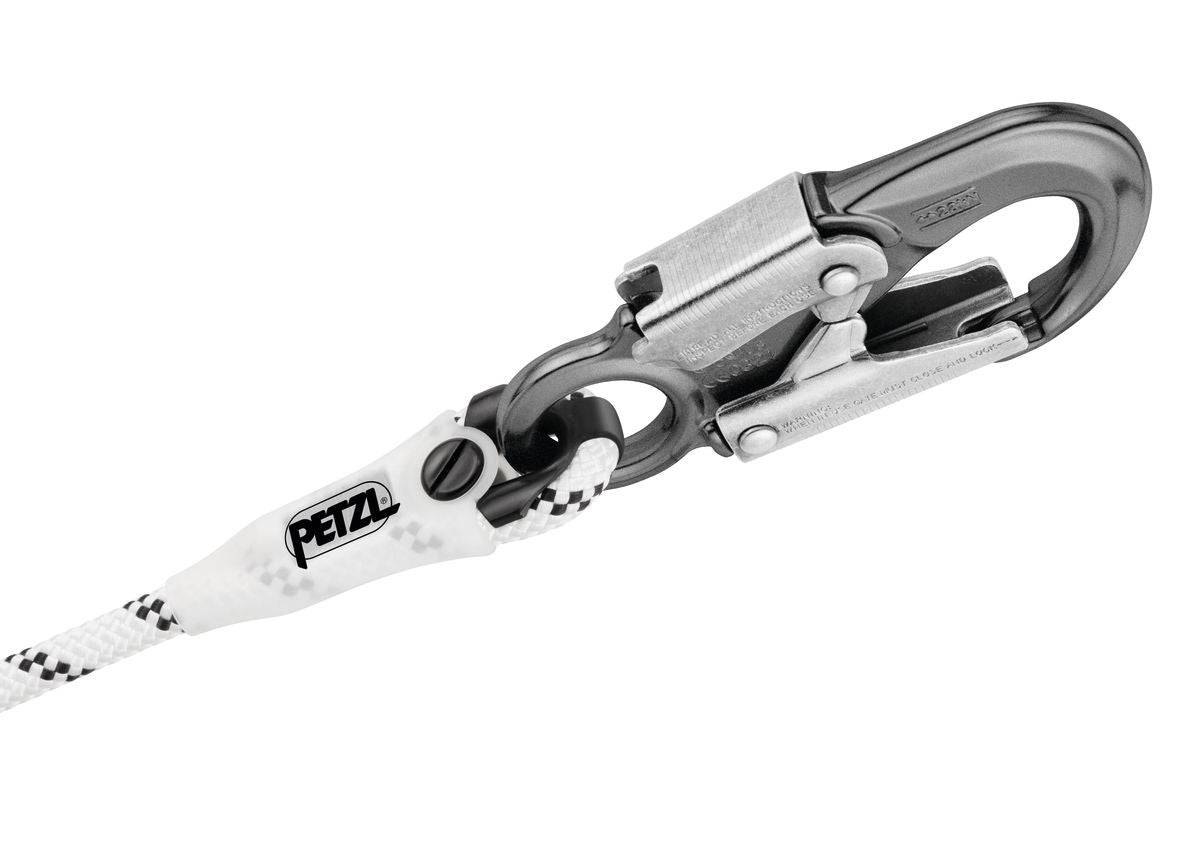
Covering numerous applications, we offer safety lanyards in various configurations designed to meet specific site needs. Such configurations include multiple different connector types and working lengths. Our team can help you select the correct lanyard based on the type of task that is required to be undertaken and the kind of environment they are due to be used in.
Choose the Right Safety Lanyard Today
Browse our full range of safety lanyards at SecureHeights and build a reliable, compliant height safety setup. Order online for fast UK and worldwide delivery or contact our experts for guidance on selecting the right lanyard for your application.