
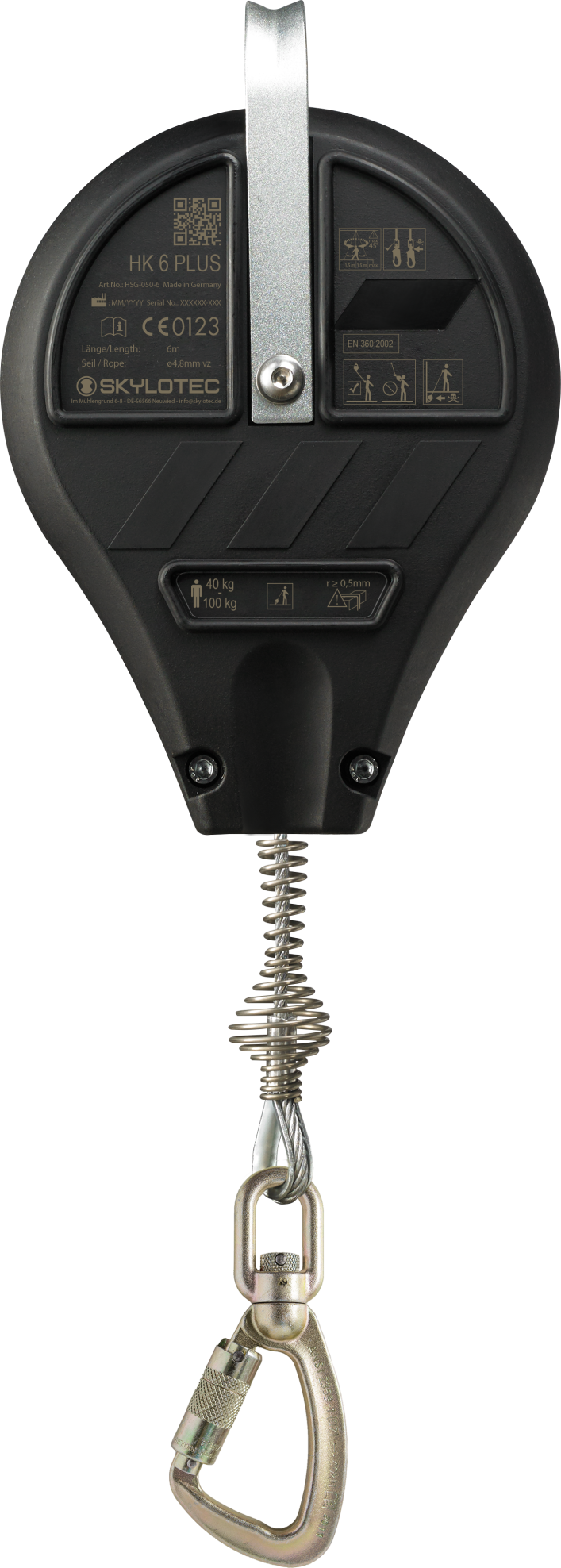
Sale price£405.00Inc.VAT
£337.50Exc.VAT
Skylotec HK PLUS 6m Galvanised Steel Cable Fall Arrest Block HSG-050-06Skylotec
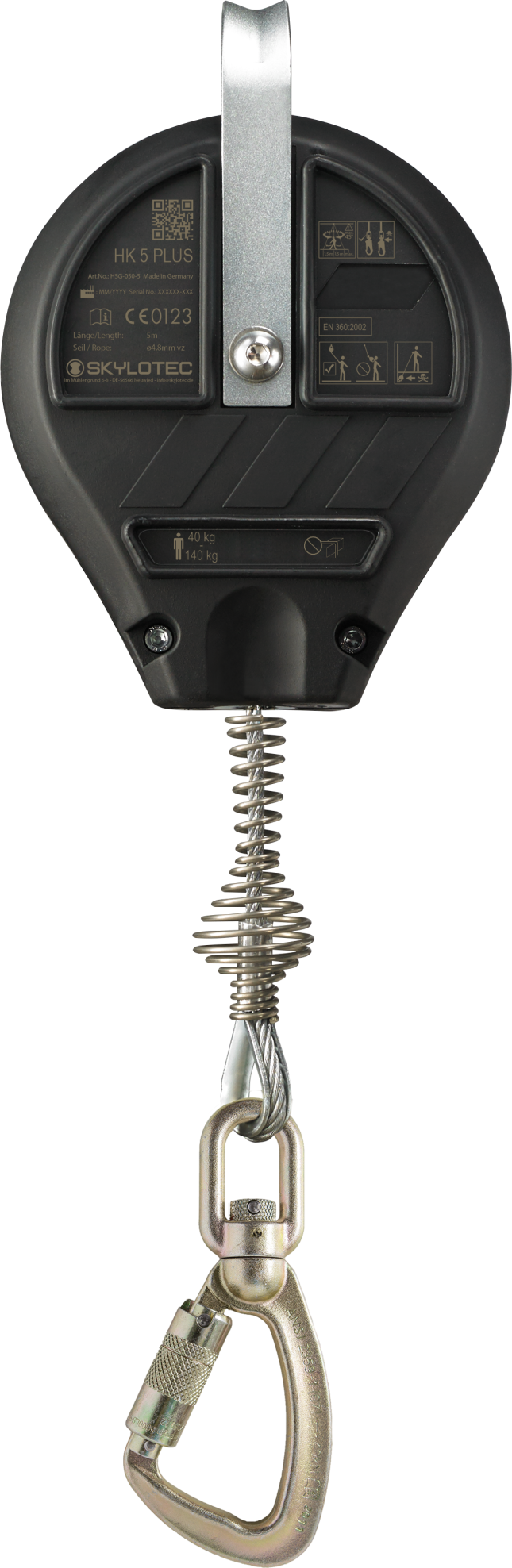
Sale price£305.00Inc.VAT
£254.17Exc.VAT
Skylotec HK PLUS 5m Galvanised Steel Cable Fall Arrest Block HSG-050-05Skylotec
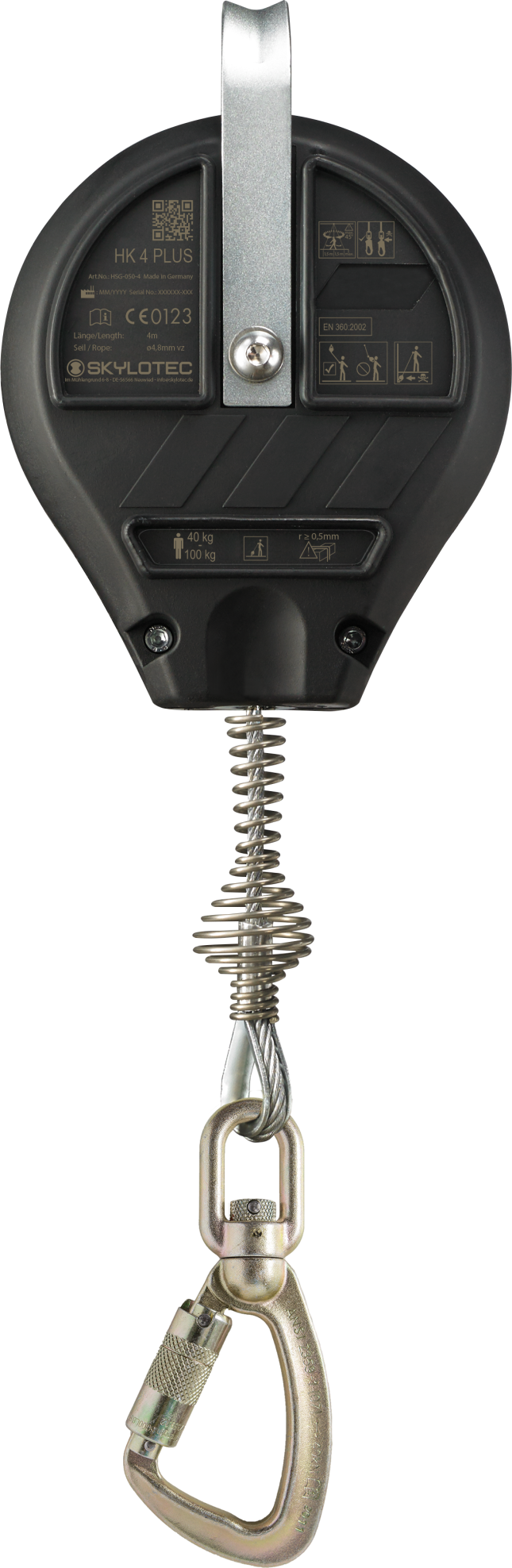
Sale price£305.00Inc.VAT
£254.17Exc.VAT
Skylotec HK PLUS 4m Galvanised Steel Cable Fall Arrest Block HSG-050-04Skylotec
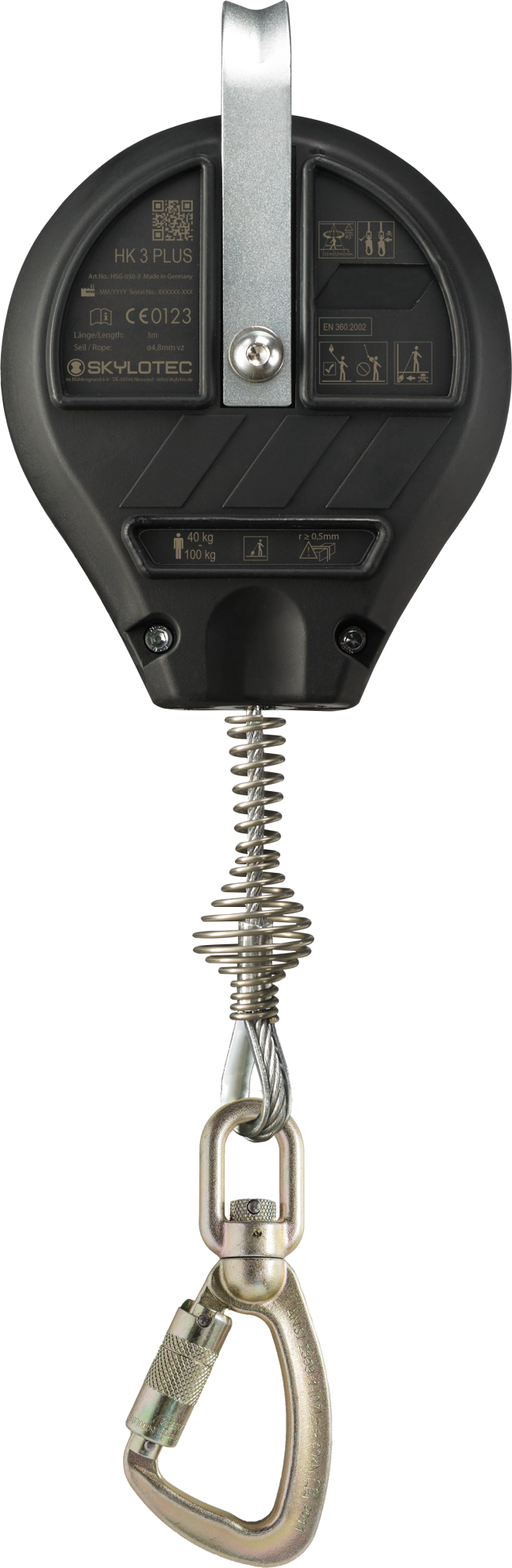
Sale price£305.00Inc.VAT
£254.17Exc.VAT
Skylotec HK PLUS 3m Galvanised Steel Cable Fall Arrest Block HSG-050-03Skylotec
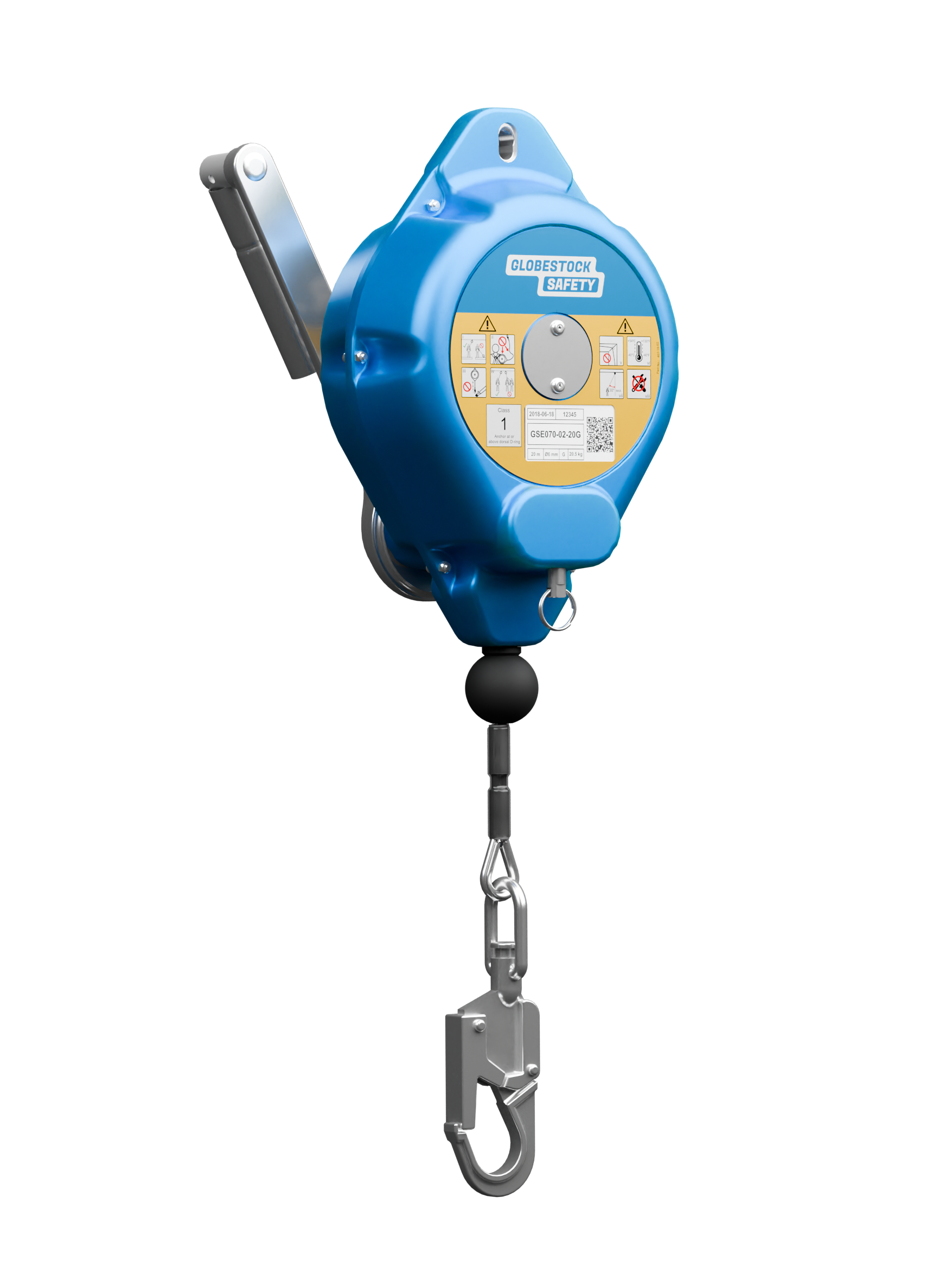
Sale priceFrom £1,479.00Inc.VAT
From £1,232.50Exc.VAT
Globestock SAVER Synthetic Cable Fall Arrest Block with Rescue Winch 14m-30mGlobestock
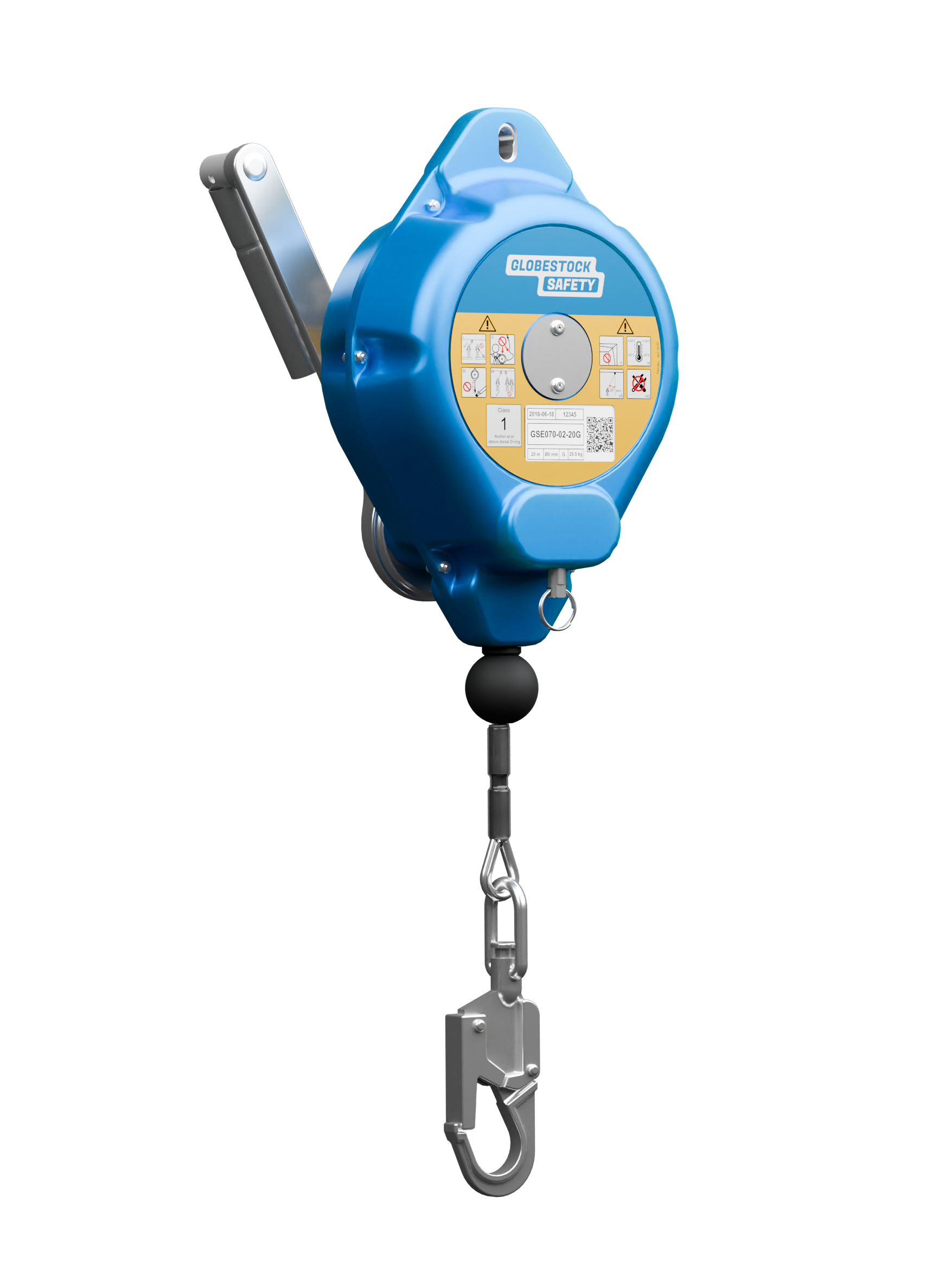
Sale priceFrom £1,125.00Inc.VAT
From £937.50Exc.VAT
Globestock SAVER Galvanised Cable Fall Arrest Block with Rescue Winch 14m-30mGlobestock
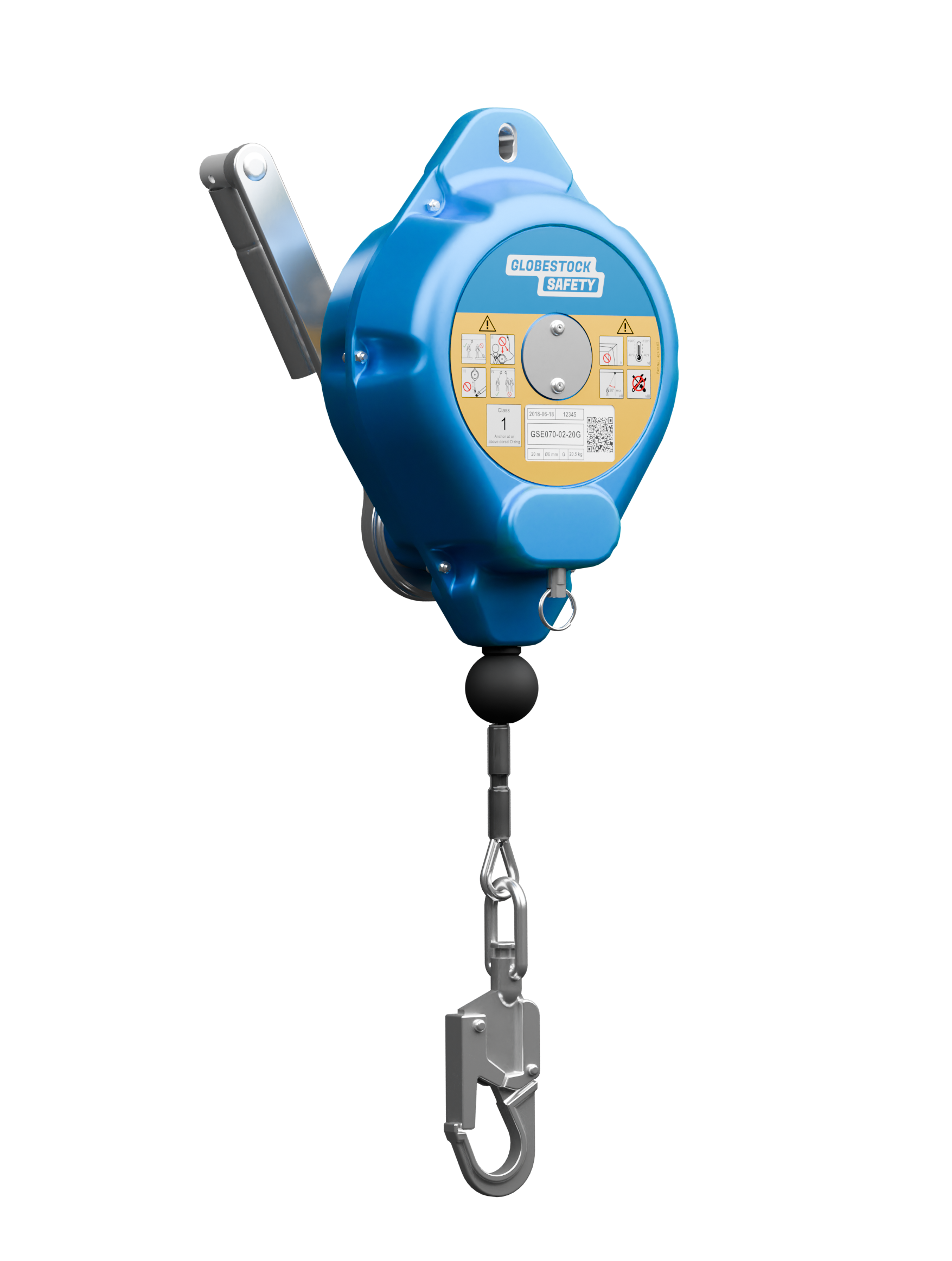
Sale priceFrom £1,415.00Inc.VAT
From £1,179.17Exc.VAT
Globestock SAVER Stainless Steel Cable Fall Arrest Block with Rescue Winch 10m-25mGlobestock
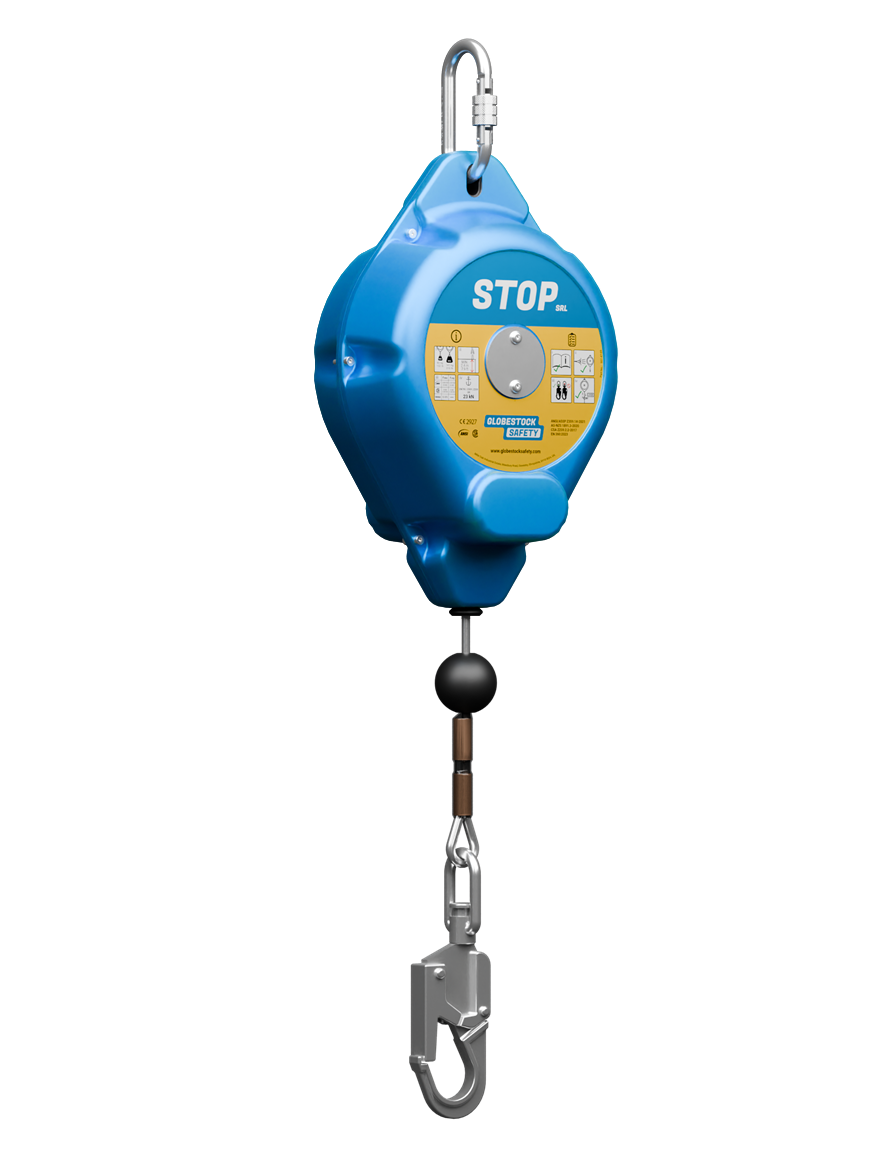
Sale priceFrom £739.00Inc.VAT
From £615.83Exc.VAT
Globestock STOP Stainless Steel Cable Fall Arrest Block with Stainless Steel Snap Hook 10m-25mGlobestock
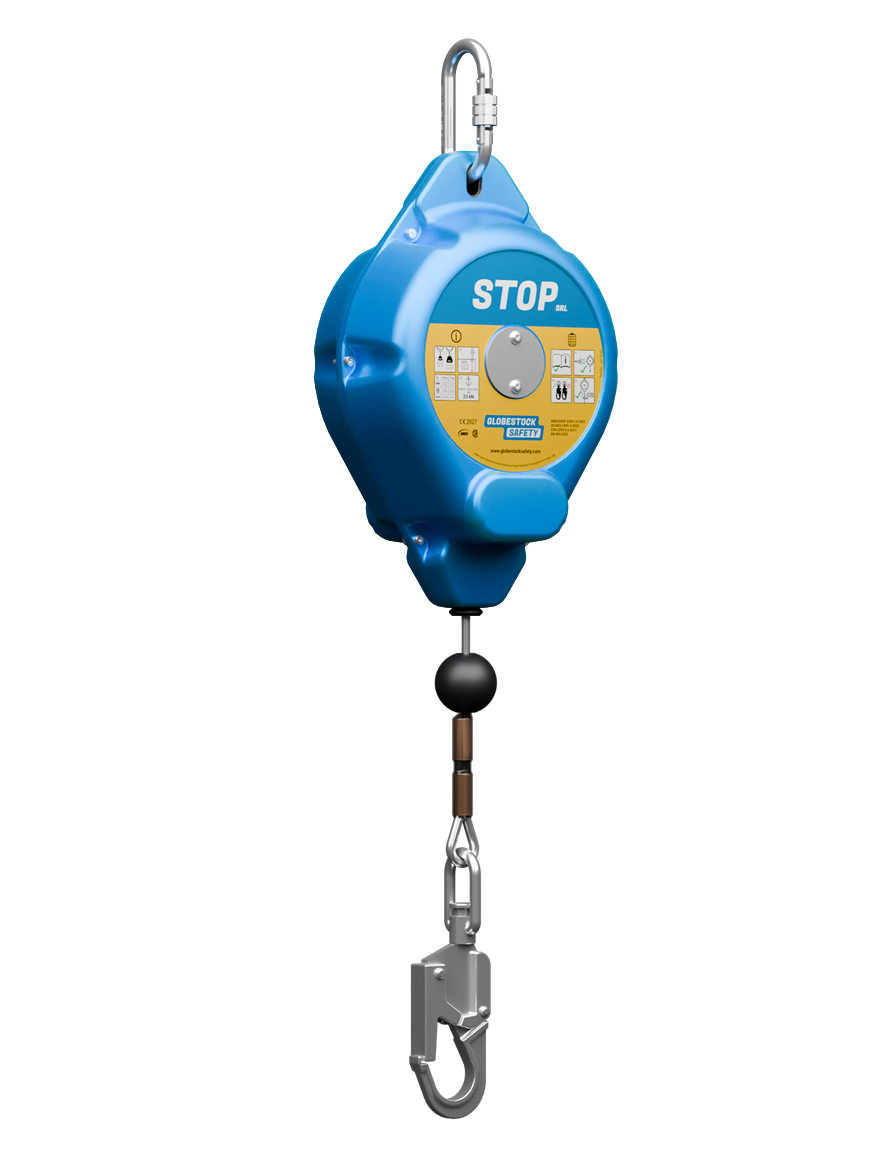
Sale priceFrom £509.00Inc.VAT
From £424.17Exc.VAT
Globestock STOP Galvanised Cable Fall Arrest Block with Zinc Plated Steel Snap Hook 14m-30mGlobestock
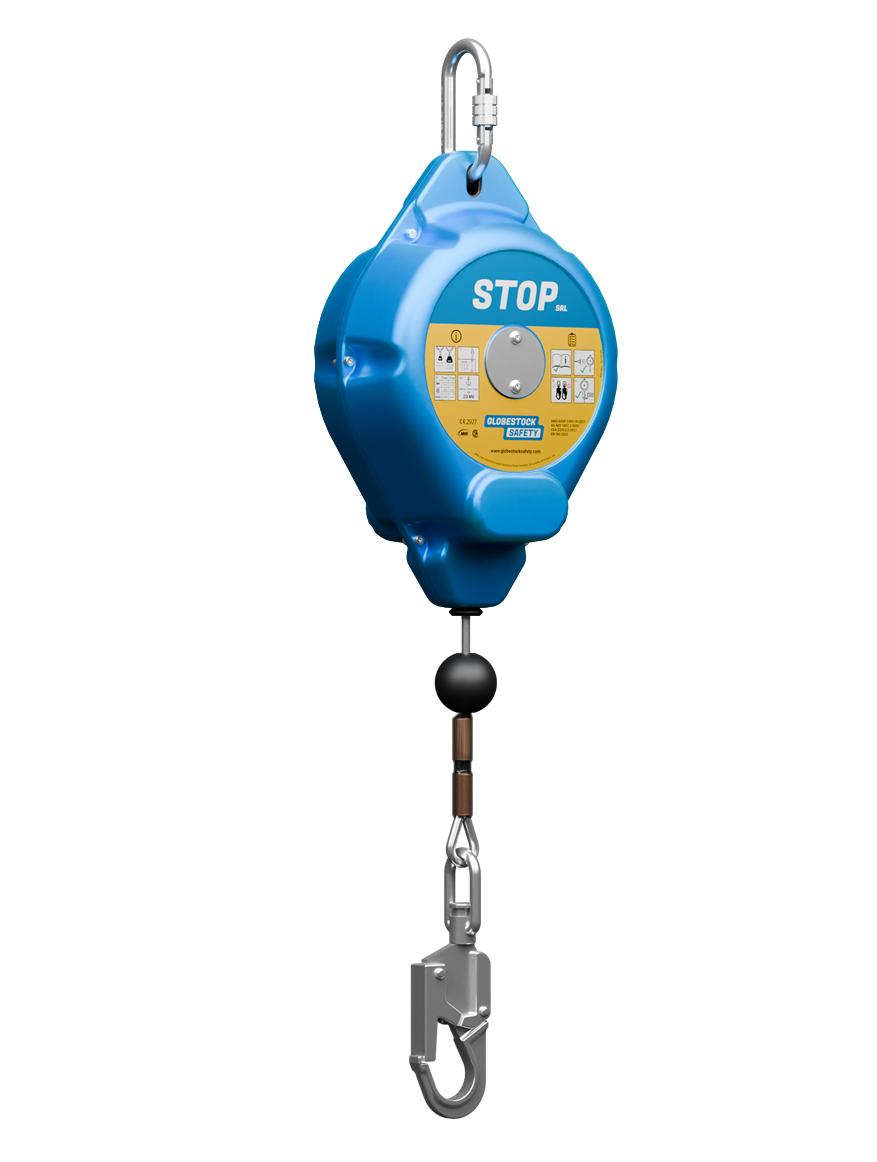
Sale priceFrom £625.00Inc.VAT
From £520.83Exc.VAT
Globestock STOP Synthetic Cable Fall Arrest Block with Zinc Plated Steel Snap Hook 14m-30mGlobestock
Sale price£315.00Inc.VAT
£262.50Exc.VAT
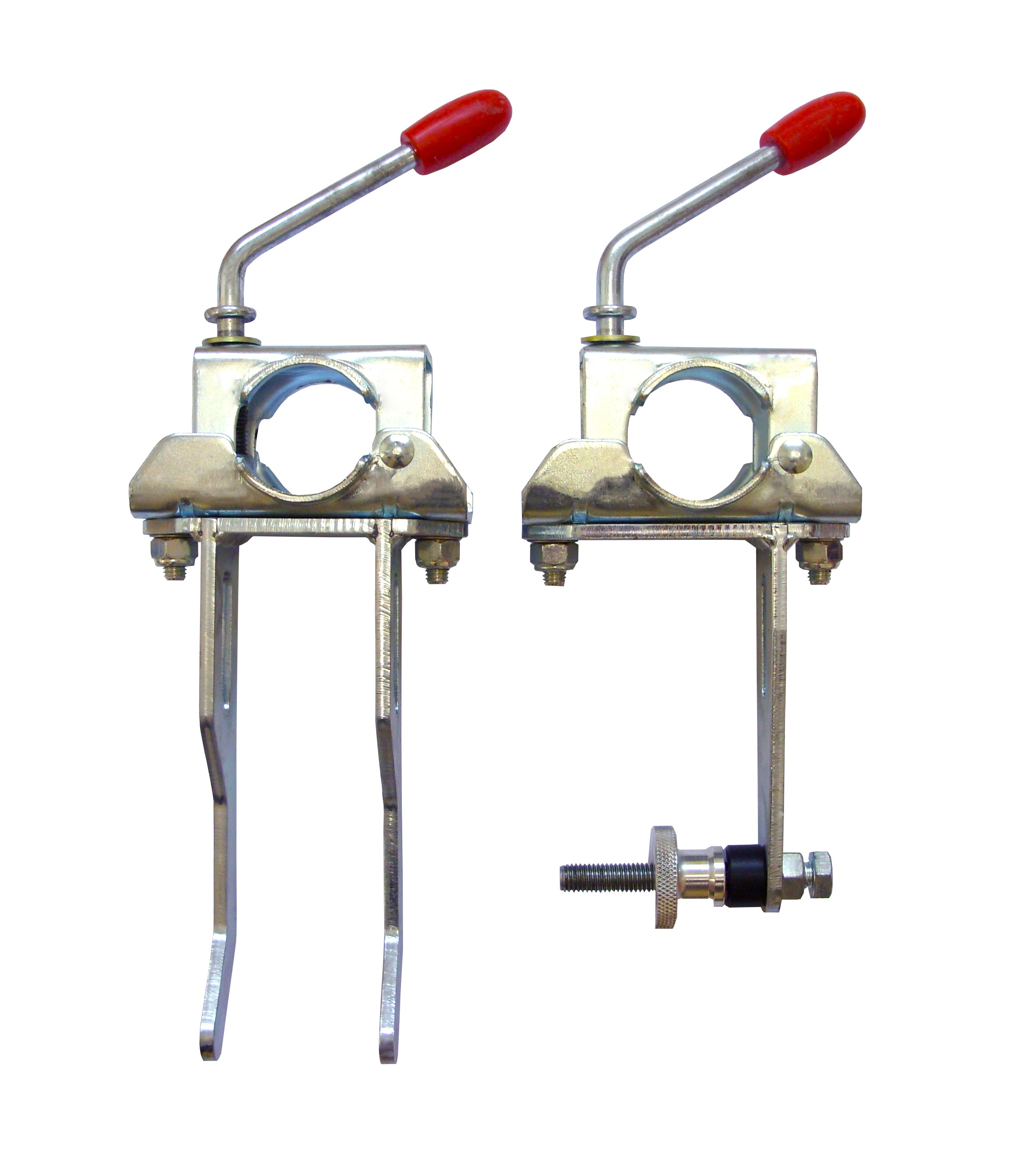
Globestock Upper and Lower Tripod Mounting Brackets GSE210U/LMBGlobestock
Sale priceFrom £979.00Inc.VAT
From £815.83Exc.VAT
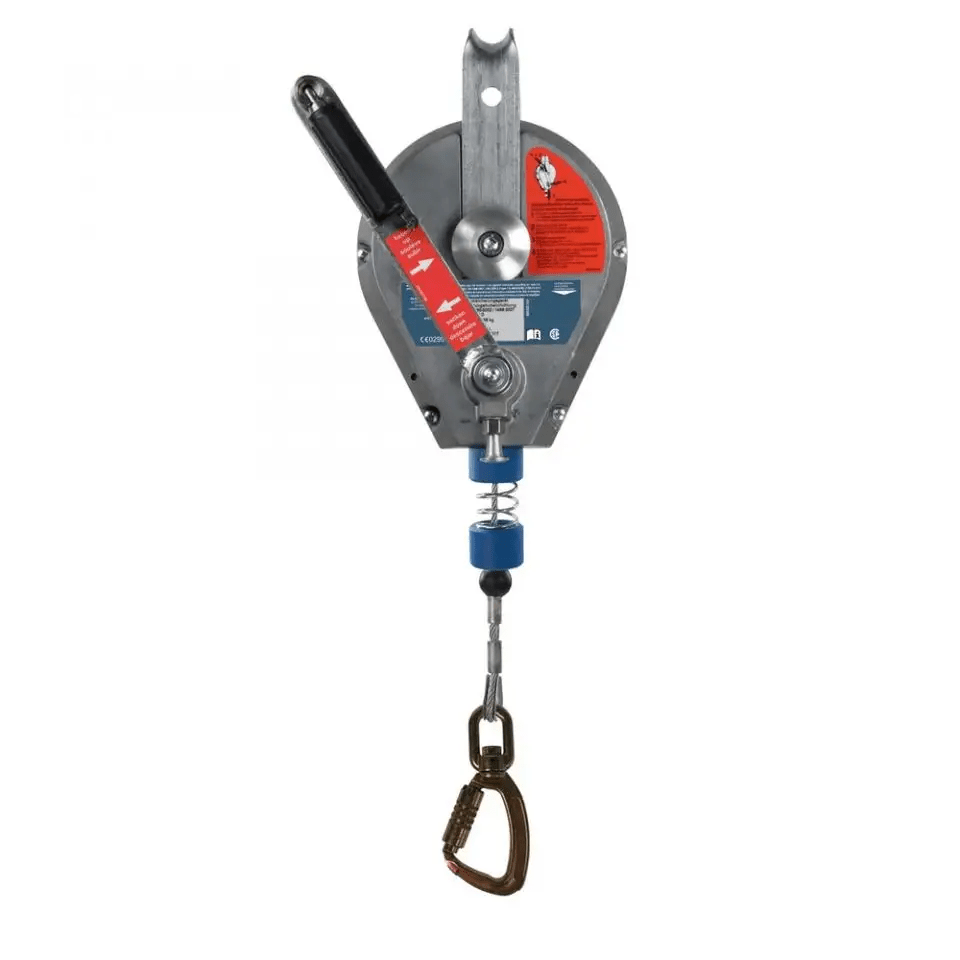
SpanSet Saverline Self Retracting Lifeline with Recovery Winch 12m-65mSpanSet
Sale price£205.00Inc.VAT
£170.83Exc.VAT
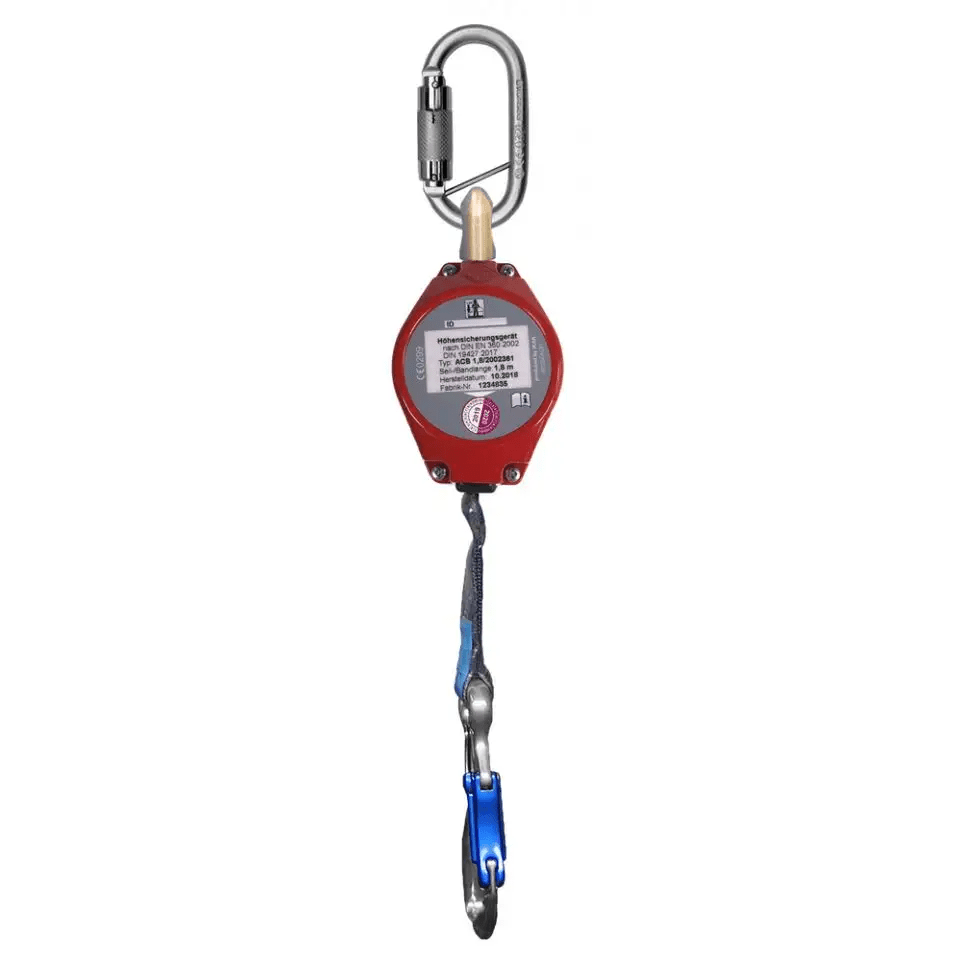
SpanSet Saverline 1.8m MEWP Aluminium Housing Self Retracting Lifeline 2002361SpanSet
Sale priceFrom £265.00Inc.VAT
From £220.83Exc.VAT
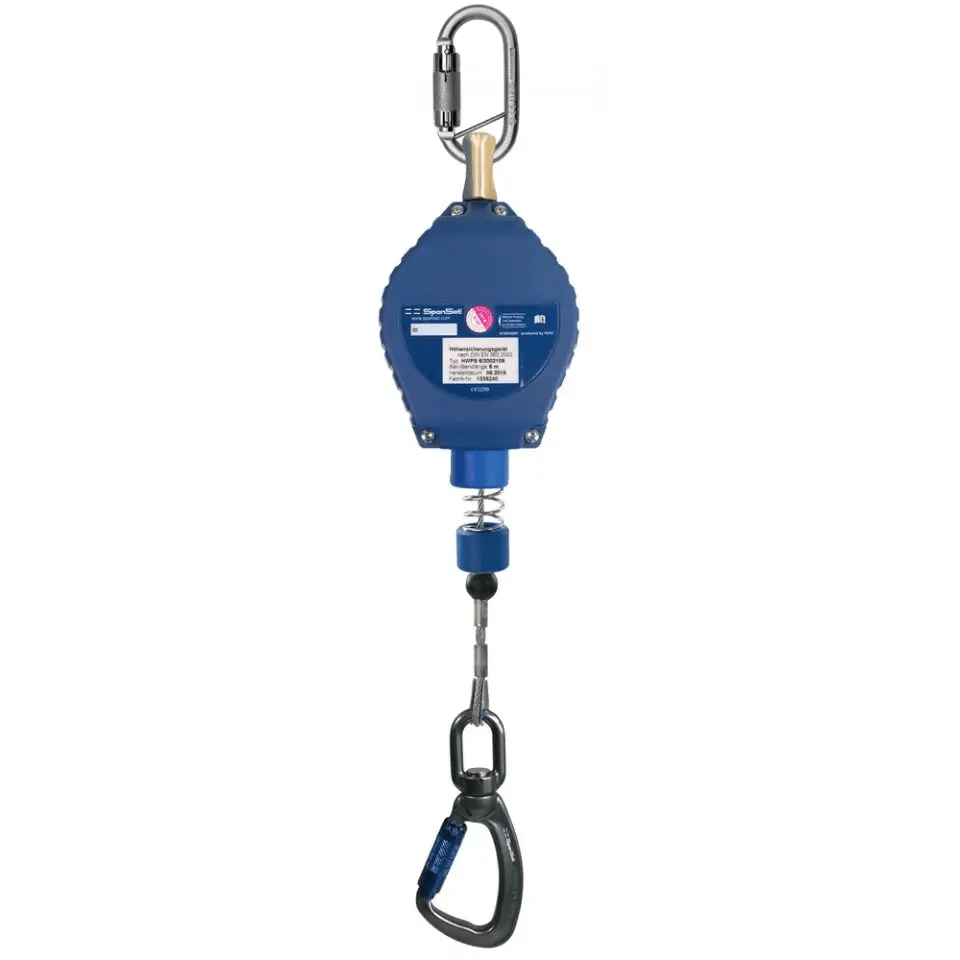
SpanSet Saverline Steel Cable Plastic Housing Self Retracting Lifeline 3m-12mSpanSet
Sale priceFrom £265.00Inc.VAT
From £220.83Exc.VAT
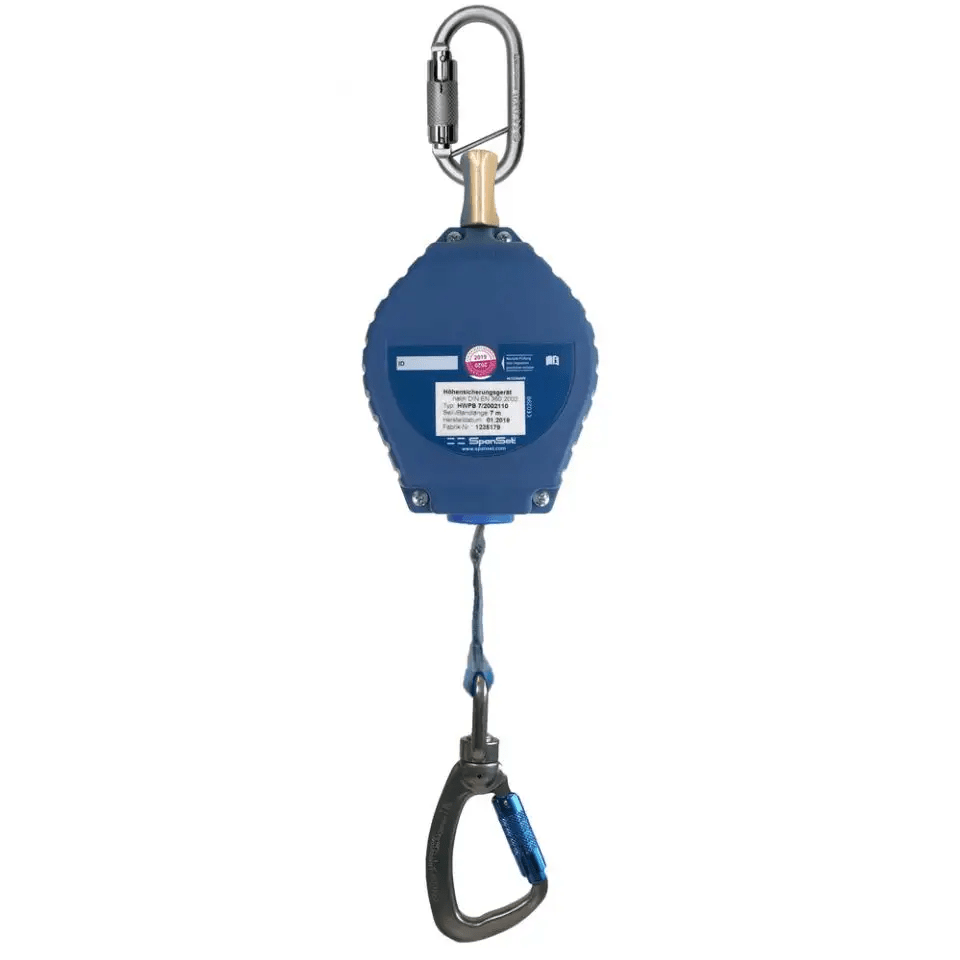
SpanSet Saverline Web Plastic Housing Self Retracting Lifeline 3.5m-12mSpanSet
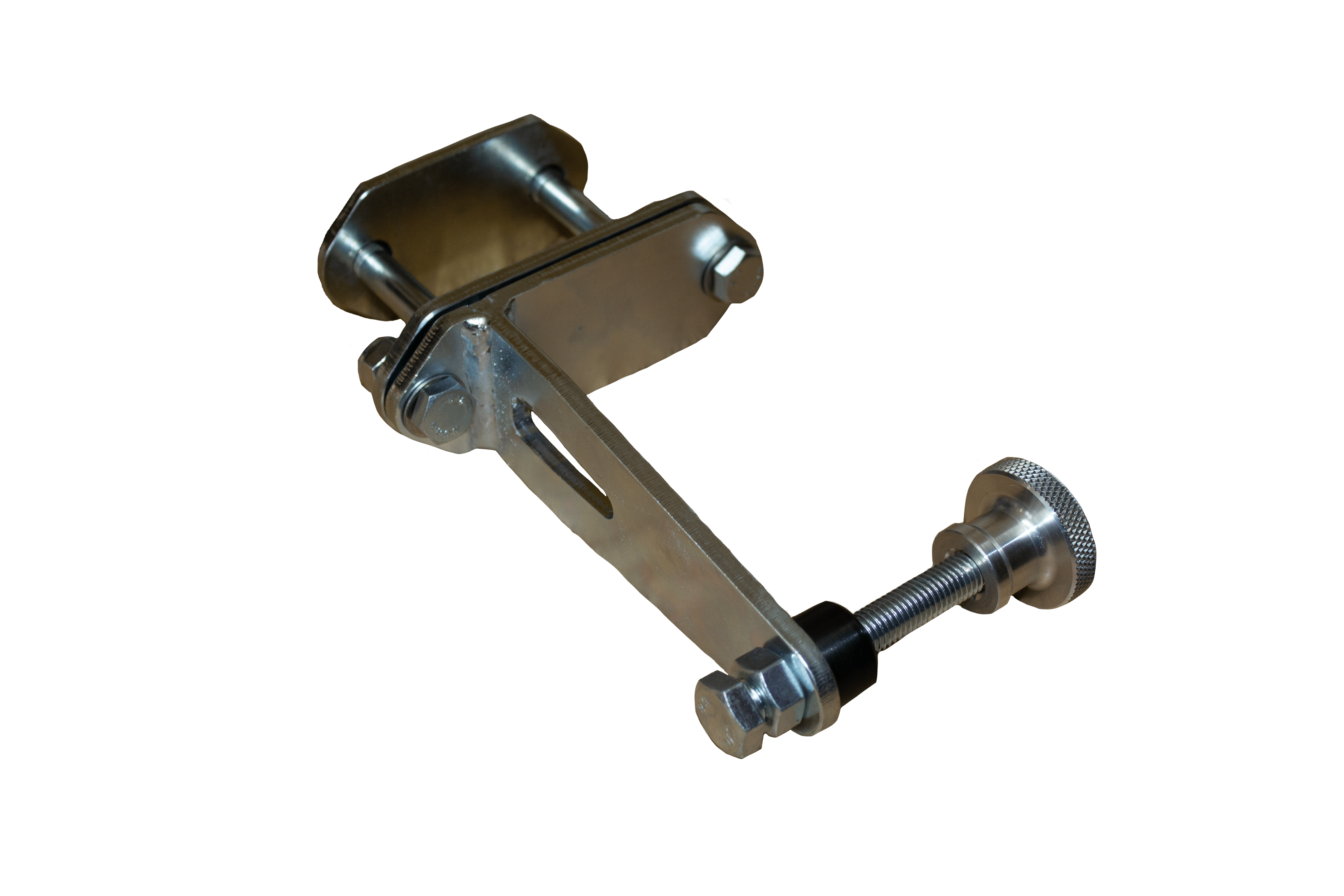
Sale price£109.00Inc.VAT
£90.83Exc.VAT
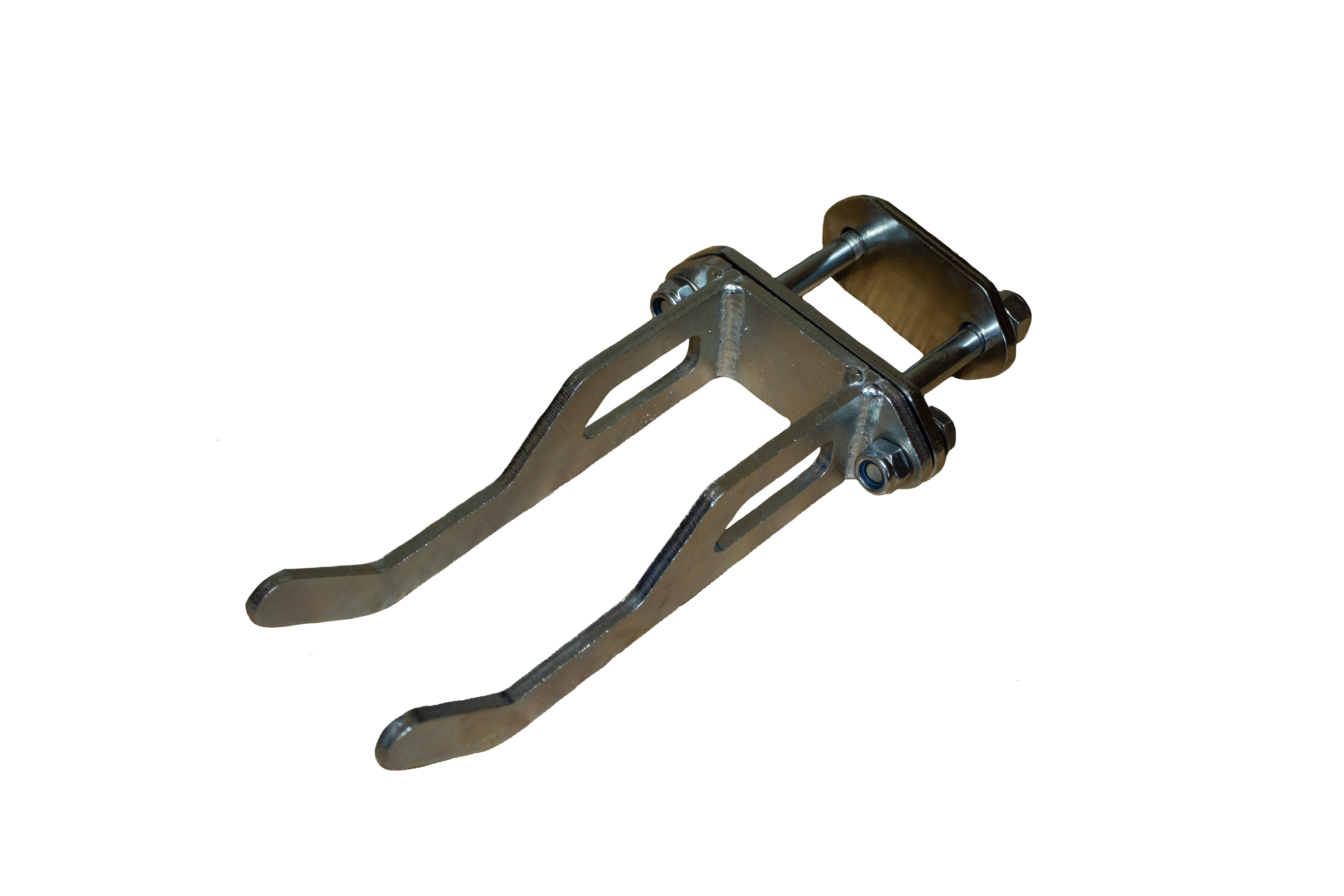
Globestock G.Stop and G.Saver II Square Leg Tripod Upper Mounting Bracket GSE1081UMBGlobestock
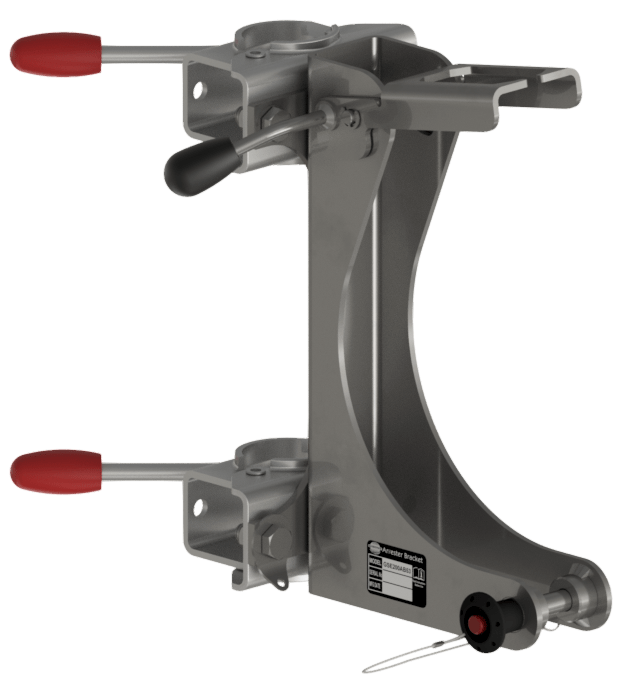
Sale price£109.00Inc.VAT
£90.83Exc.VAT
Globestock G.Stop and G.Saver II Square Leg Tripod Lower Mounting Bracket GSE1081LMBGlobestock
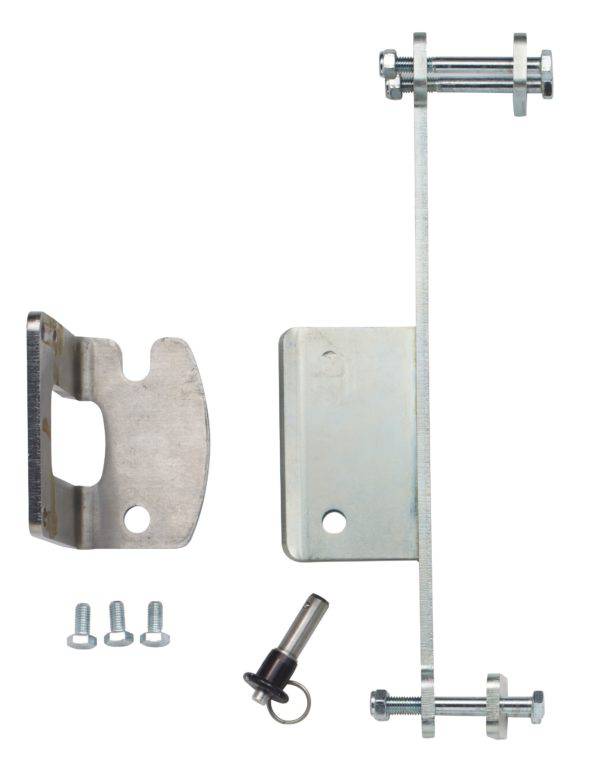
Sale priceFrom £245.00Inc.VAT
From £204.17Exc.VAT
Globestock G.Stop and G.Saver II One Piece Mounting Tripod Bracket 14m-34mGlobestock
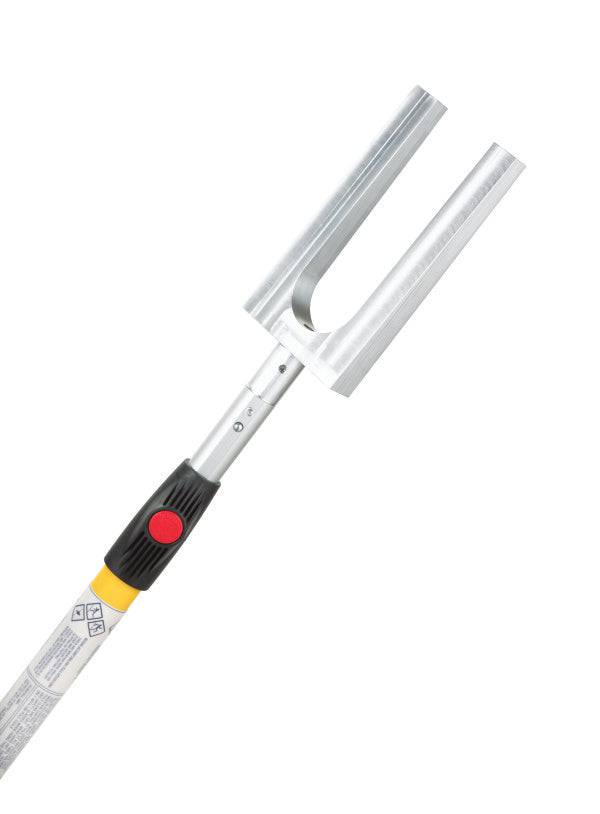
Sale price£335.00Inc.VAT
£279.17Exc.VAT
3M Protecta Rebel Retrieval Self Retracting Lifeline AM100 Tripod Mounting Bracket 35904983M Protecta
Sale price£126.95Inc.VAT
£105.79Exc.VAT
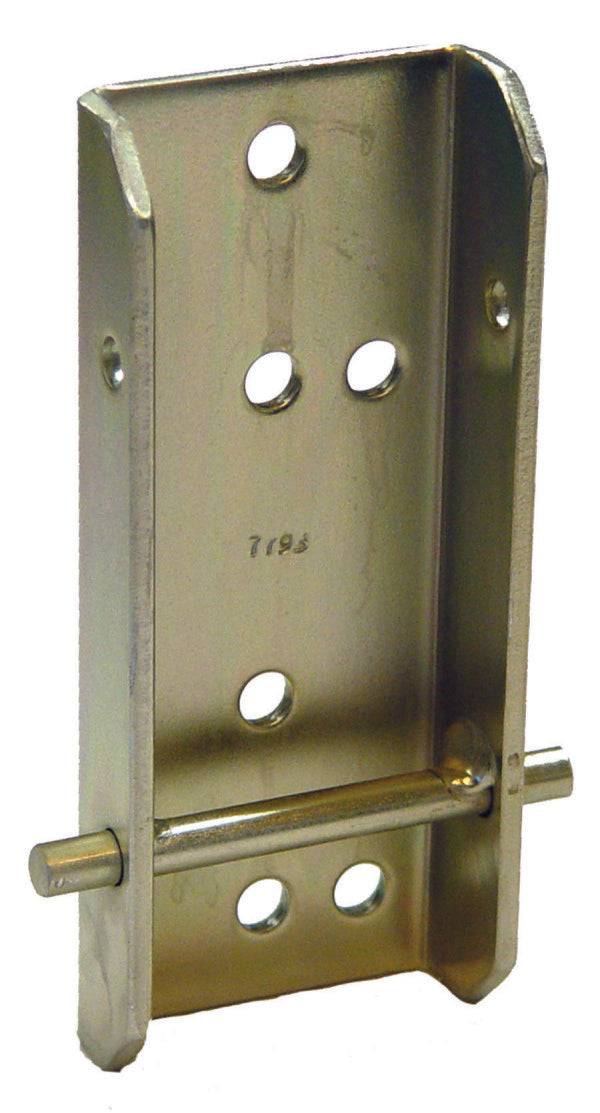
3M DBI SALA Winch / SRL Mounting Bracket Flat Back Adapter 85102073M DBI SALA
Sale price£509.00Inc.VAT
£424.17Exc.VAT
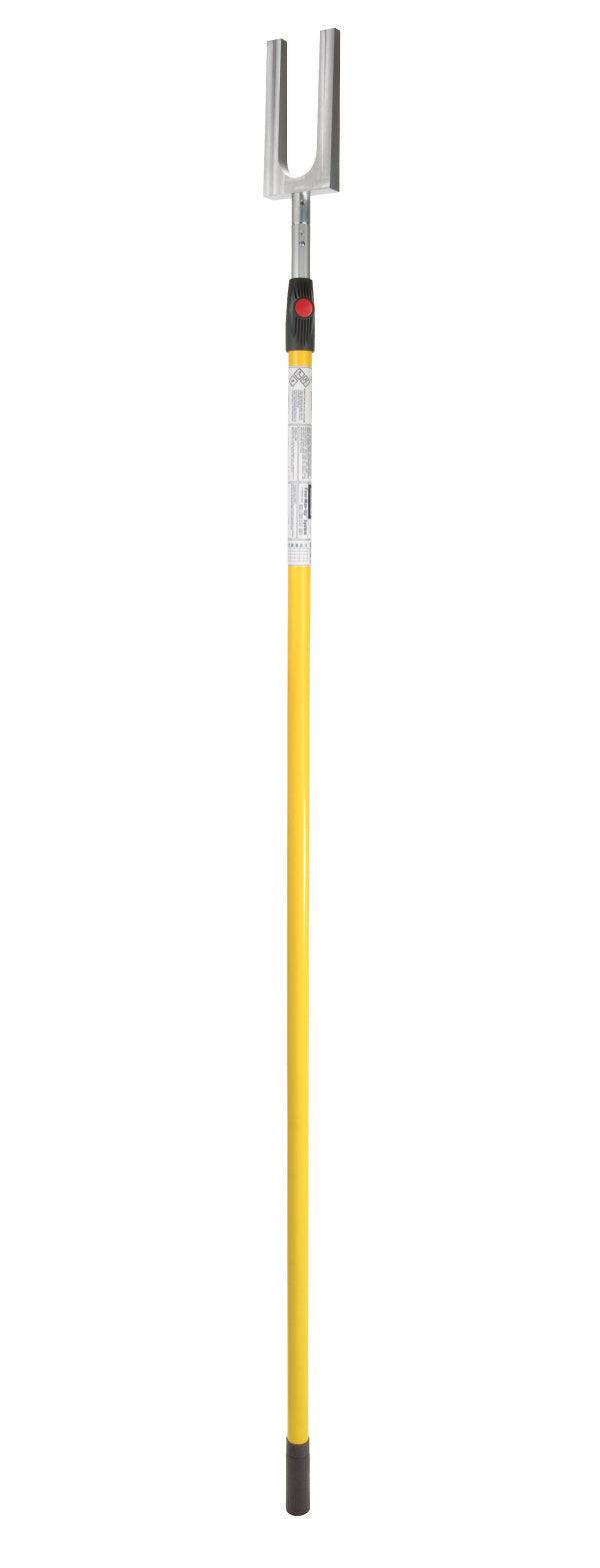
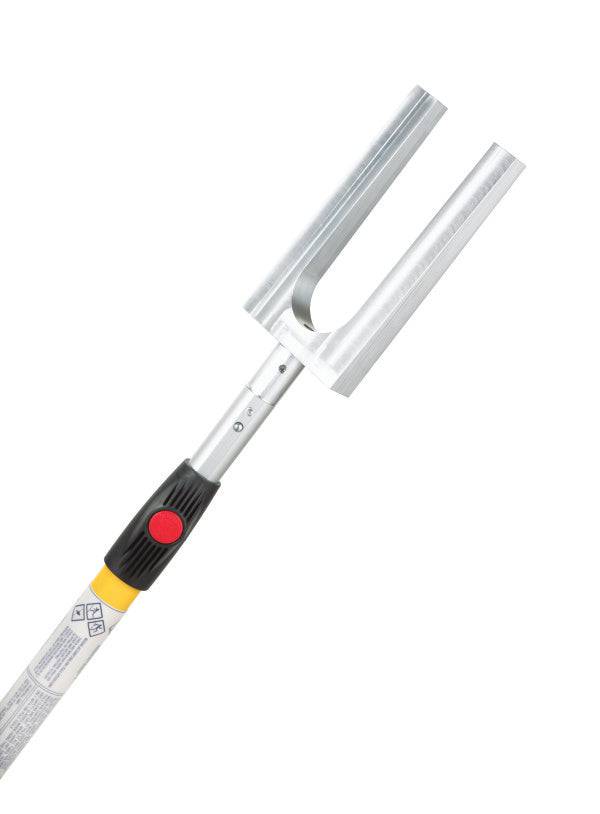
3M DBI SALA Sealed-Blok RSQ First Man Up 4.8m Pole with Rescue Fork 35002023M DBI SALA
Sale price£595.00Inc.VAT
£495.83Exc.VAT
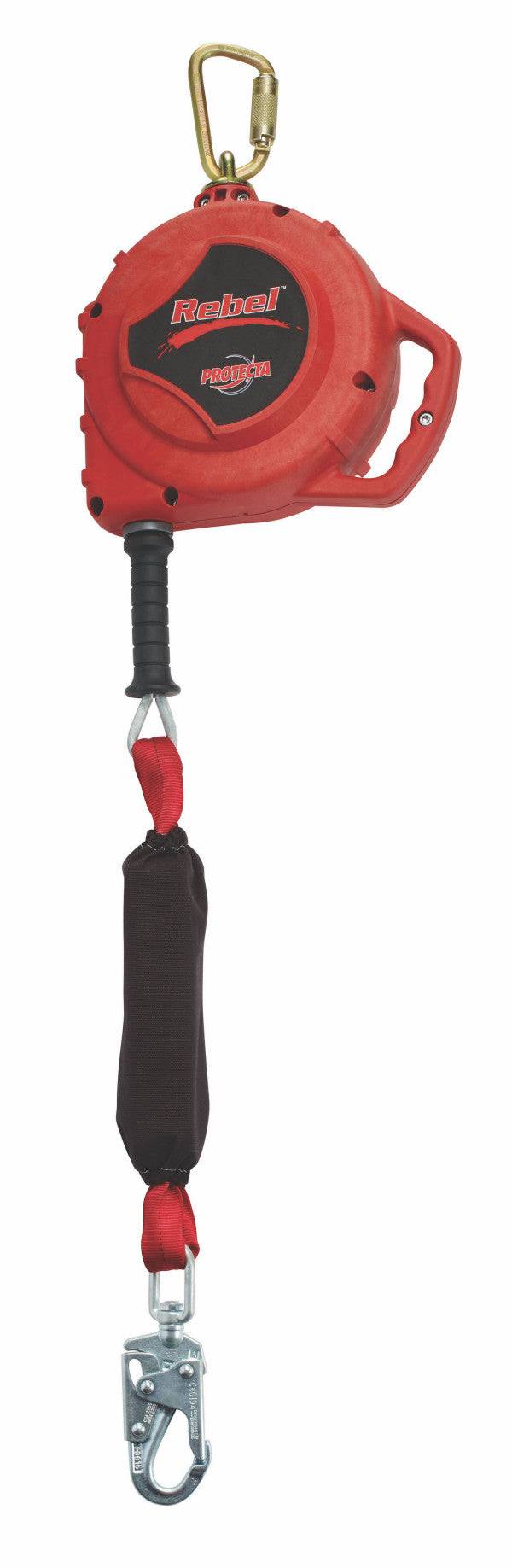
3M Protecta Rebel Leading Edge 12m Stainless Steel Cable Self Retracting Lifeline 35905453M Protecta
Frequently Asked Questions