

Sale price£535.00Inc.VAT
£445.83Exc.VAT
3M DBI SALA 40m FAST-Line Sealed-Blok SRL Stainless Steel Replacement Cable Assembly 39001143M DBI SALA

Sale price£509.00Inc.VAT
£424.17Exc.VAT
3M DBI SALA 40m FAST-Line Sealed-Blok SRL Galvanised Replacement Cable Assembly 39001123M DBI SALA

Sale price£449.00Inc.VAT
£374.17Exc.VAT
3M DBI SALA 25m FAST-Line Sealed-Blok SRL Stainless Steel Replacement Cable Assembly 39001113M DBI SALA

Sale price£409.00Inc.VAT
£340.83Exc.VAT
3M DBI SALA 25m FAST-Line Sealed-Blok SRL Galvanised Replacement Cable Assembly 39001083M DBI SALA
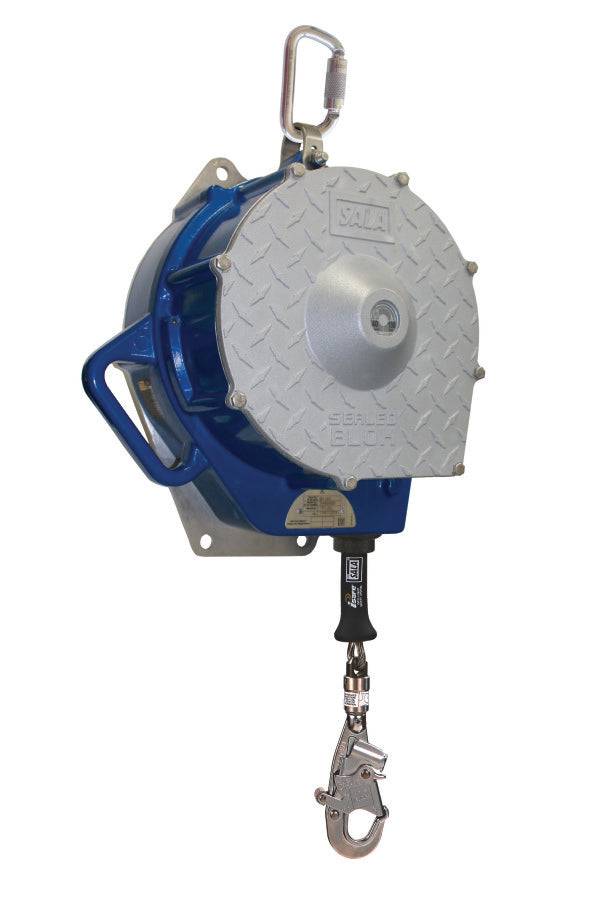
Sale price£4,129.00Inc.VAT
£3,440.83Exc.VAT
3M DBI SALA Sealed-Blok 40m Stainless Steel Cable Self Retracting Lifeline 34009723M DBI SALA
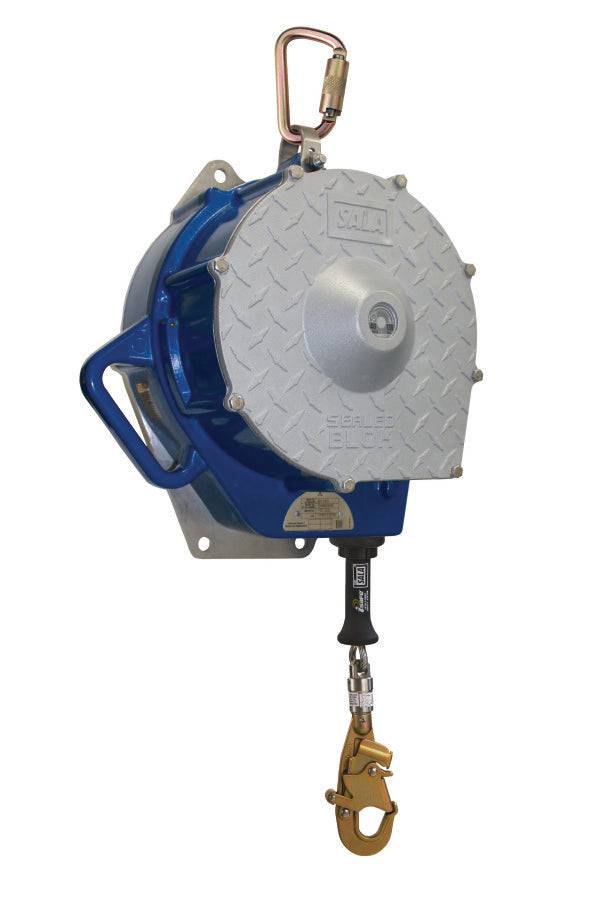
Sale price£3,975.00Inc.VAT
£3,312.50Exc.VAT
3M DBI SALA Sealed-Blok 40m Galvanised Cable Self Retracting Lifeline 34009713M DBI SALA
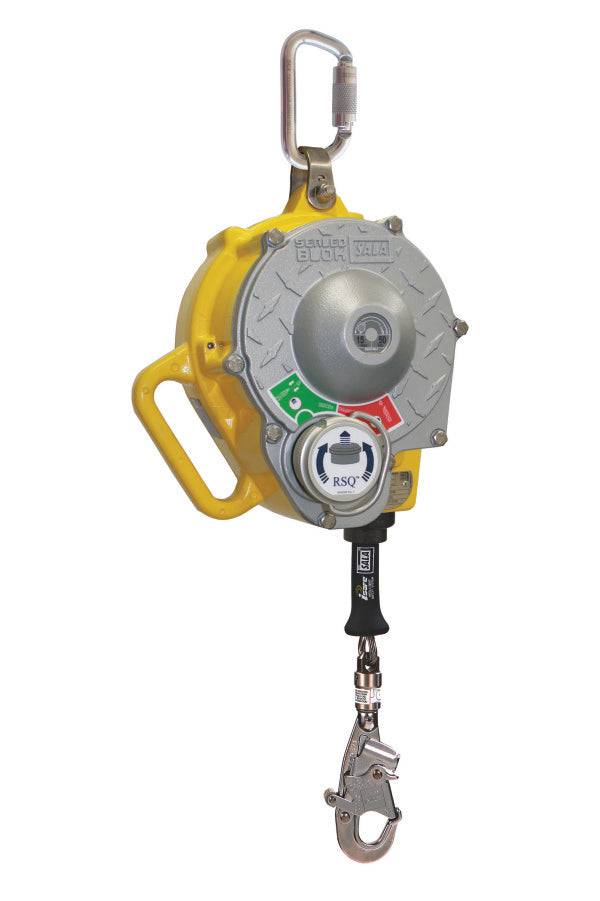
Sale price£2,919.00Inc.VAT
£2,432.50Exc.VAT
3M DBI SALA Sealed-Blok 15m RSQ Stainless Steel Cable Self Retracting Lifeline 34009613M DBI SALA
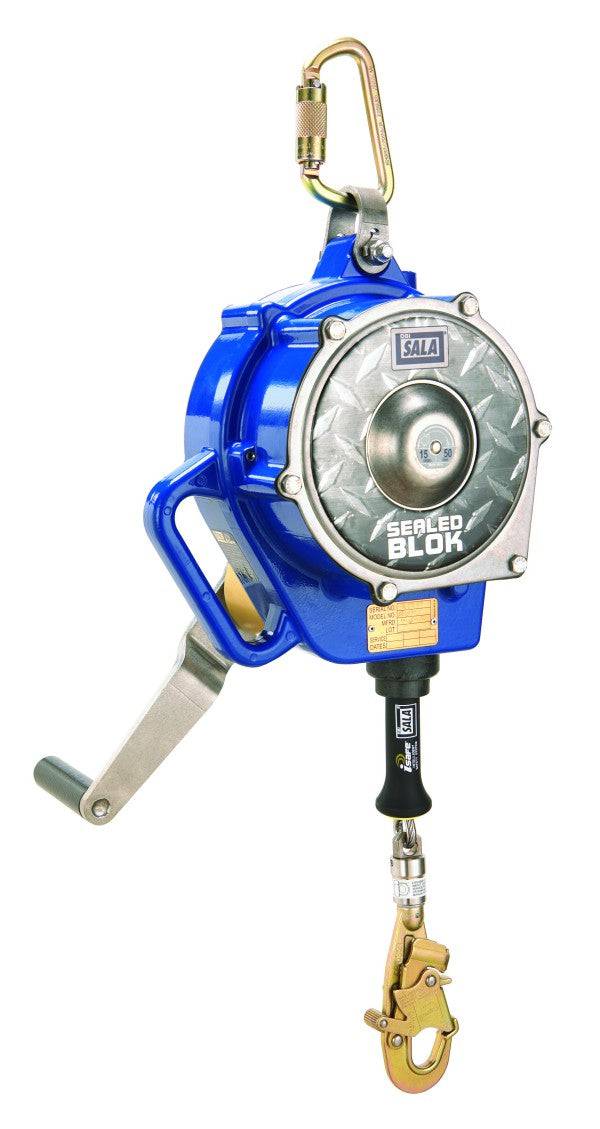
Sale price£3,719.00Inc.VAT
£3,099.17Exc.VAT
3M DBI SALA Sealed-Blok 15m Galvanised Cable Self Retracting Lifeline with Retrieval Winch 34009553M DBI SALA
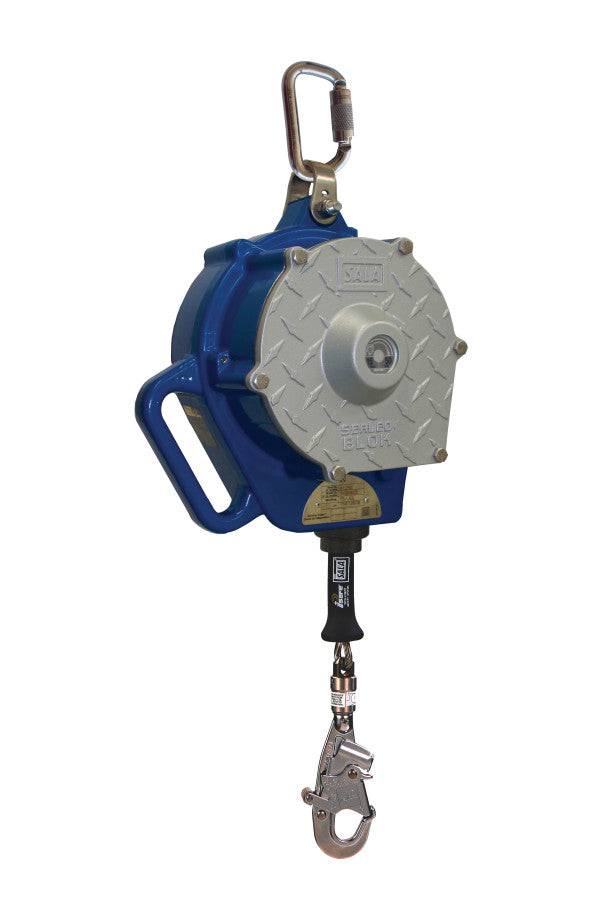
Sale price£2,369.00Inc.VAT
£1,974.17Exc.VAT
3M DBI SALA Sealed-Blok 15m Stainless Steel Cable Self Retracting Lifeline 34009513M DBI SALA
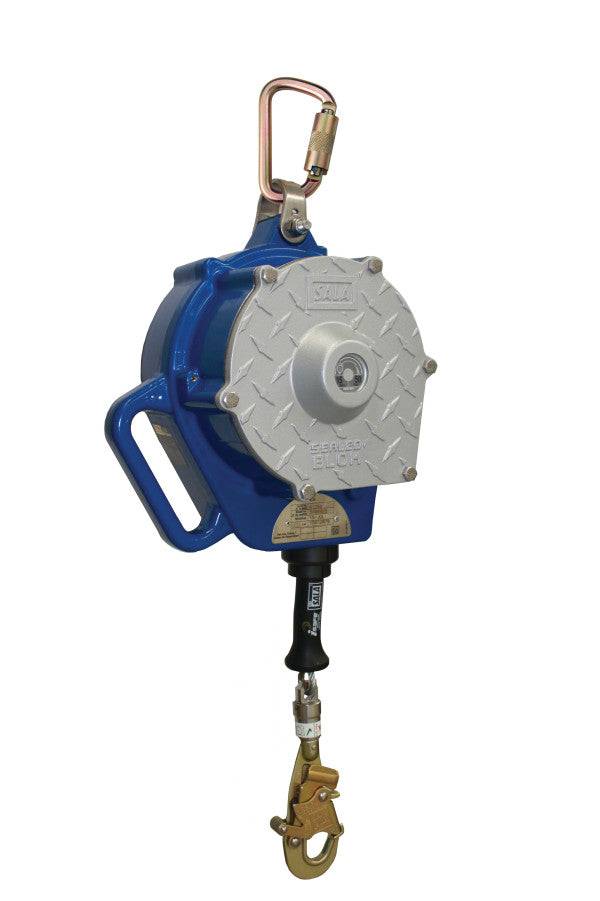
Sale price£2,299.00Inc.VAT
£1,915.83Exc.VAT
3M DBI SALA Sealed-Blok 15m Galvanised Cable Self Retracting Lifeline 34009503M DBI SALA
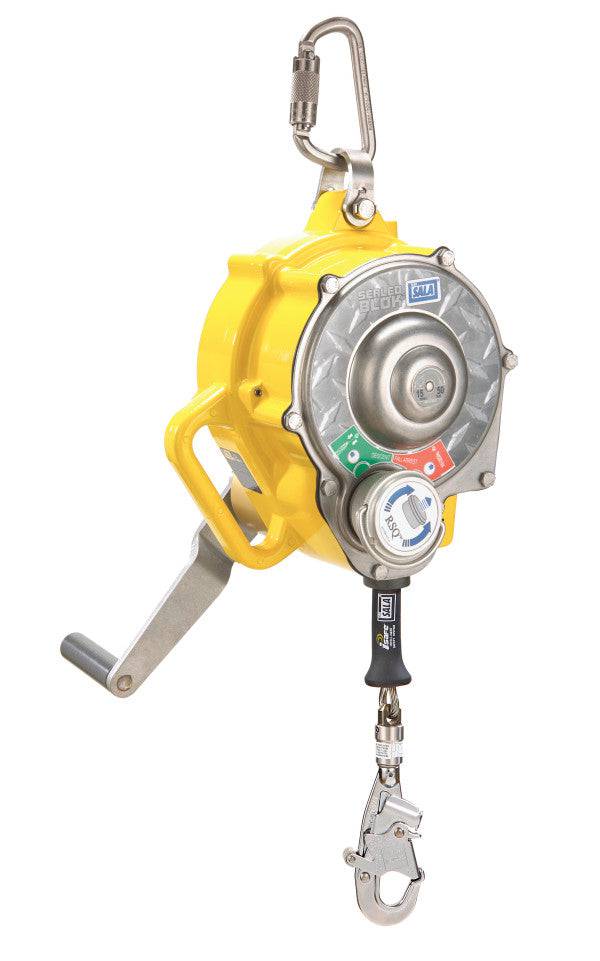
Sale price£4,659.00Inc.VAT
£3,882.50Exc.VAT
3M DBI SALA Sealed-Blok 15m RSQ Stainless Steel Cable Self Retracting Lifeline with Retrieval Winch 34009443M DBI SALA
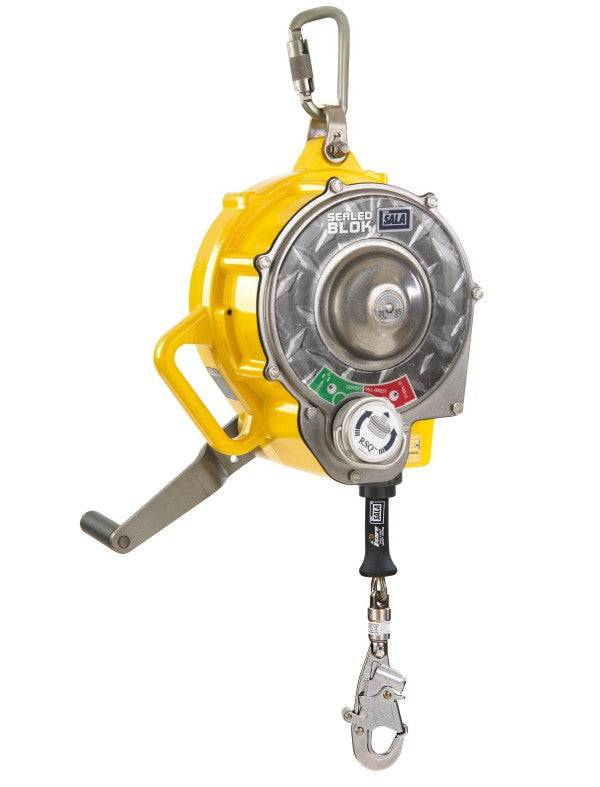
Sale price£4,485.00Inc.VAT
£3,737.50Exc.VAT
3M DBI SALA Sealed-Blok 25m RSQ Stainless Steel Cable Self Retracting Lifeline with Rescue Winch 34009173M DBI SALA
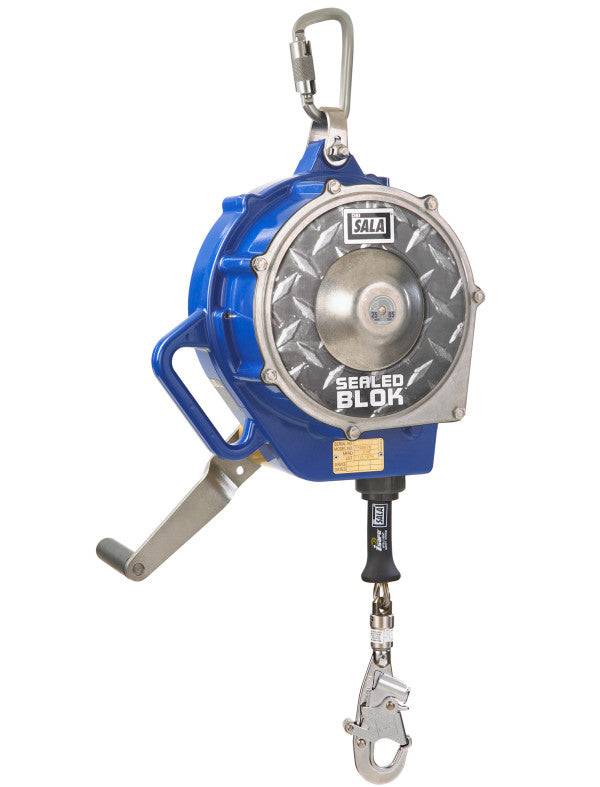
Sale price£4,195.00Inc.VAT
£3,495.83Exc.VAT
3M DBI SALA Sealed-Blok 25m Stainless Steel Cable Self Retracting Lifeline with Rescue Winch 34008813M DBI SALA
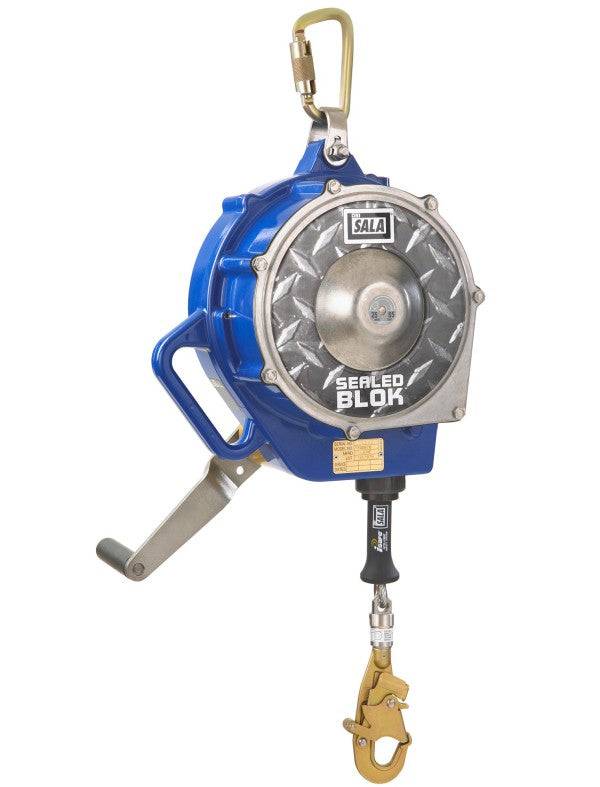
Sale price£4,065.00Inc.VAT
£3,387.50Exc.VAT
3M DBI SALA Sealed-Blok 25m Stainless Steel Cable Self Retracting Lifeline with Retrieval Winch 34008803M DBI SALA
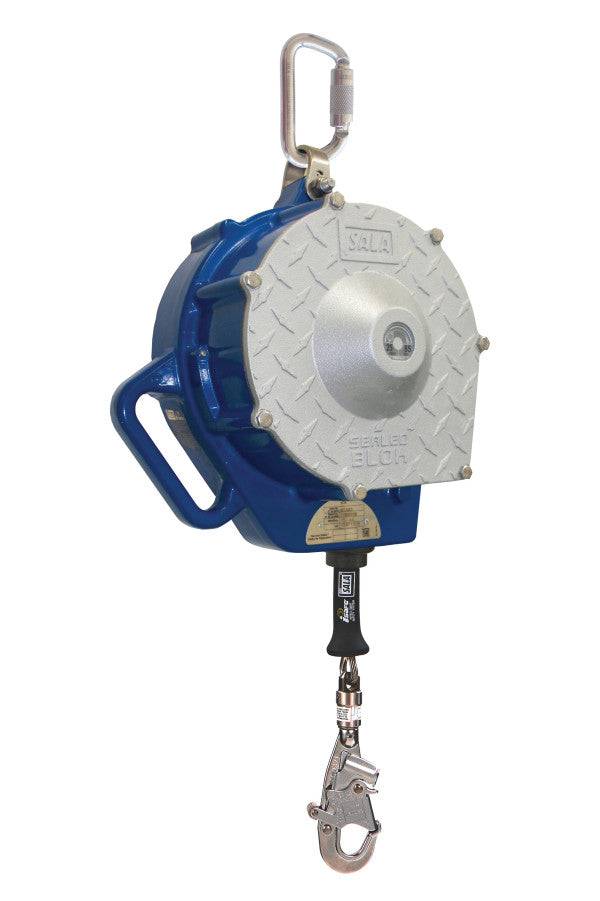
Sale price£3,245.00Inc.VAT
£2,704.17Exc.VAT
3M DBI SALA Sealed-Blok 25m Stainless Steel Cable Self Retracting Lifeline 34008673M DBI SALA
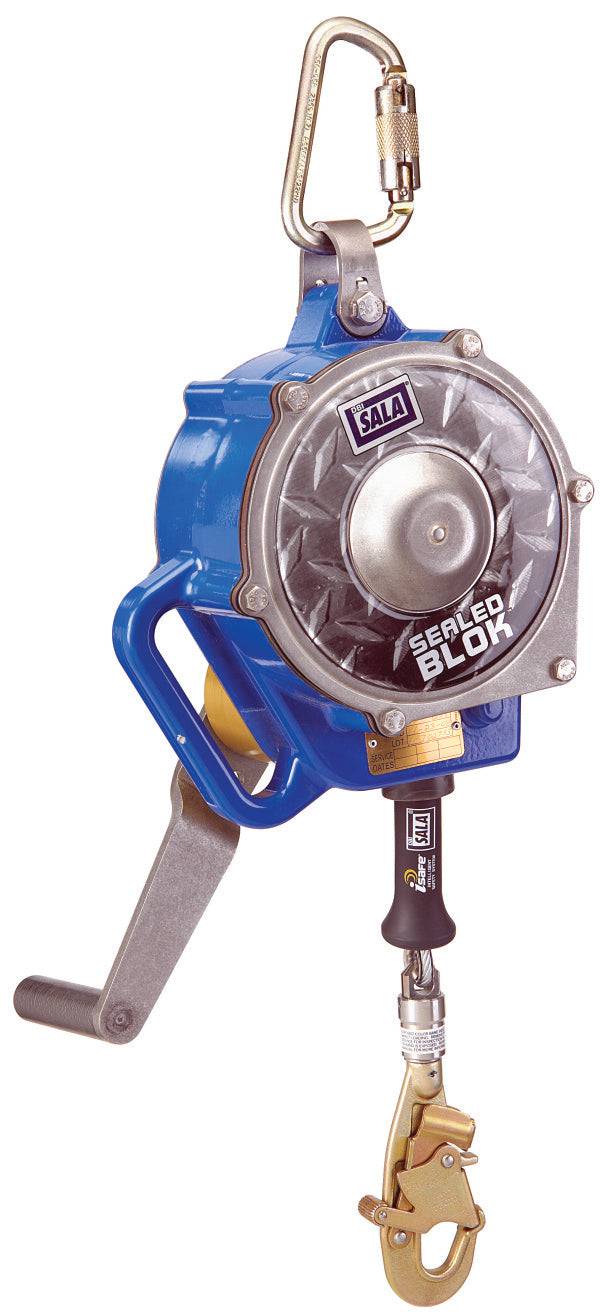
Sale price£2,975.00Inc.VAT
£2,479.17Exc.VAT
3M DBI SALA Sealed-Blok 9m Galvanised Cable Self Retracting Lifeline with Rescue Winch 34008543M DBI SALA
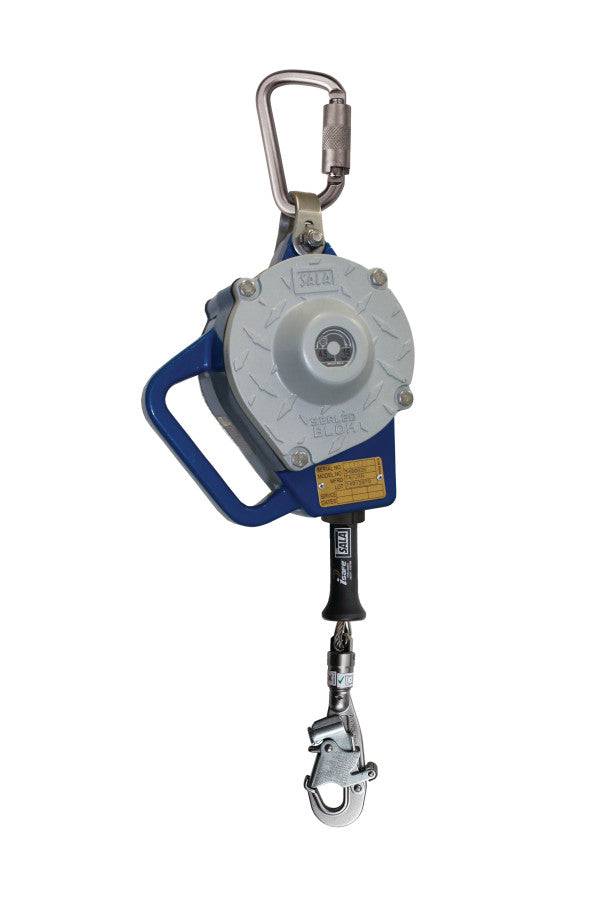
Sale price£1,645.00Inc.VAT
£1,370.83Exc.VAT
3M DBI SALA Sealed-Blok 4.5m Stainless Steel Cable Self Retracting Lifeline 34008303M DBI SALA
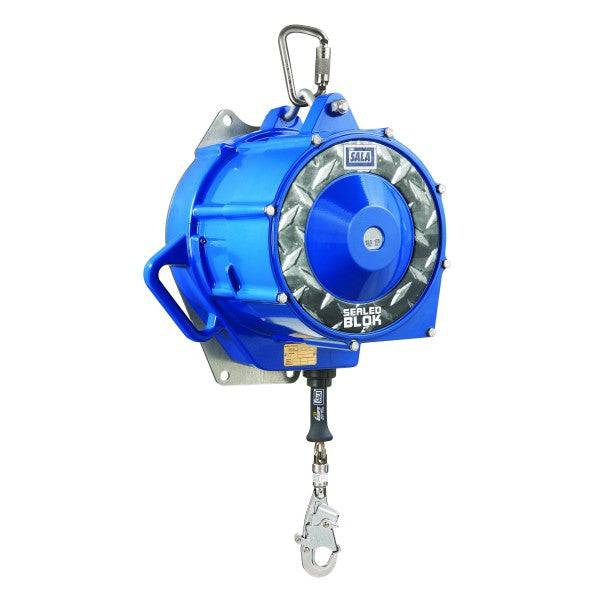
Sale price£7,209.00Inc.VAT
£6,007.50Exc.VAT
3M DBI SALA Sealed-Blok 53m Stainless Steel Cable Self Retracting Lifeline 34006583M DBI SALA
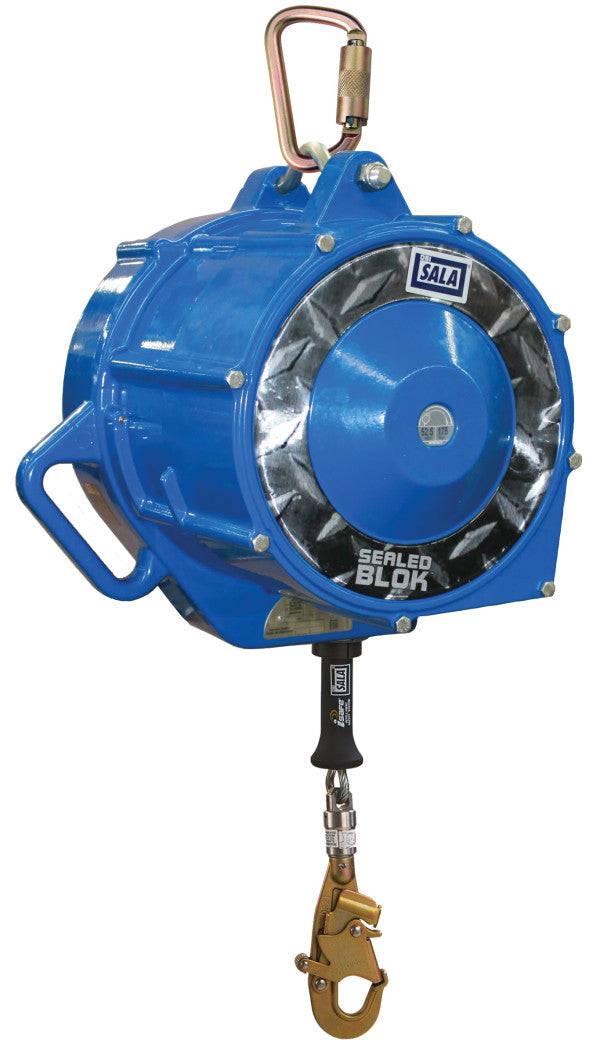
Sale price£6,865.00Inc.VAT
£5,720.83Exc.VAT
3M DBI SALA Sealed-Blok 53m Galvanised Cable Self Retracting Lifeline 34006563M DBI SALA
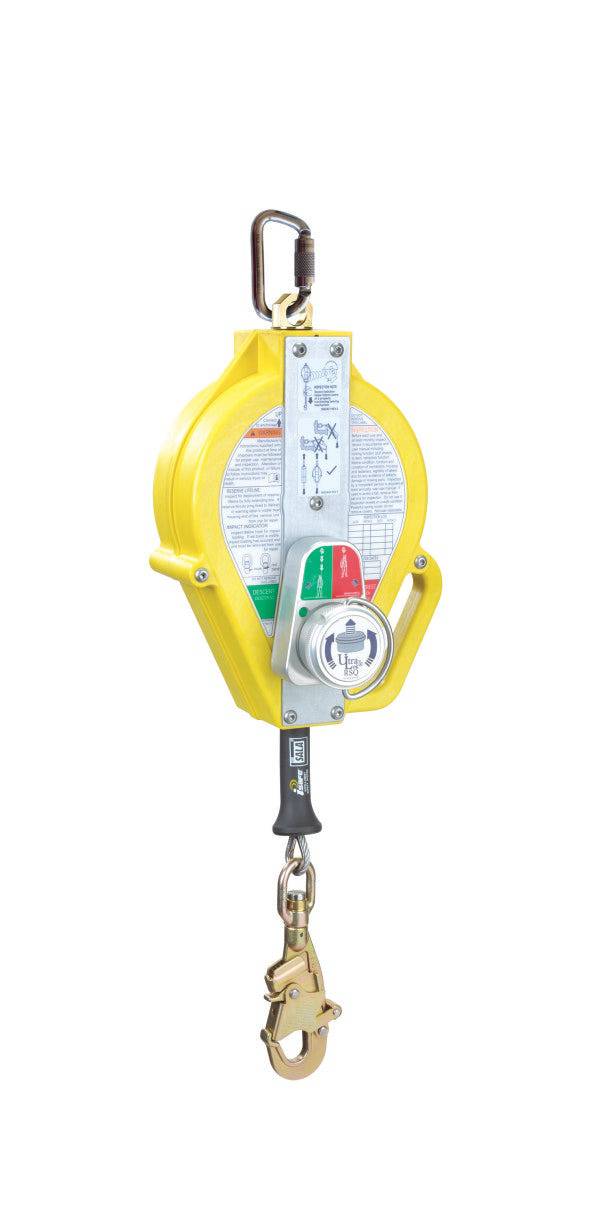
Sale price£2,469.00Inc.VAT
£2,057.50Exc.VAT
3M DBI SALA Ultra-Lok 15m RSQ Stainless Steel Cable Self Retracting Lifeline 35045553M DBI SALA
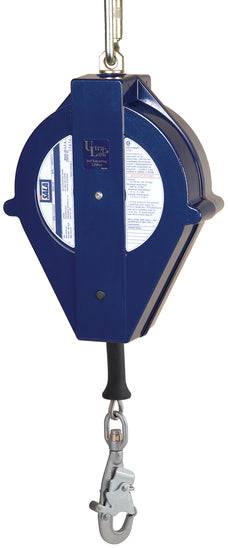
Sale price£1,935.00Inc.VAT
£1,612.50Exc.VAT
3M DBI SALA Ultra-Lok 25m Stainless Steel Cable Self Retracting Lifeline 35044913M DBI SALA
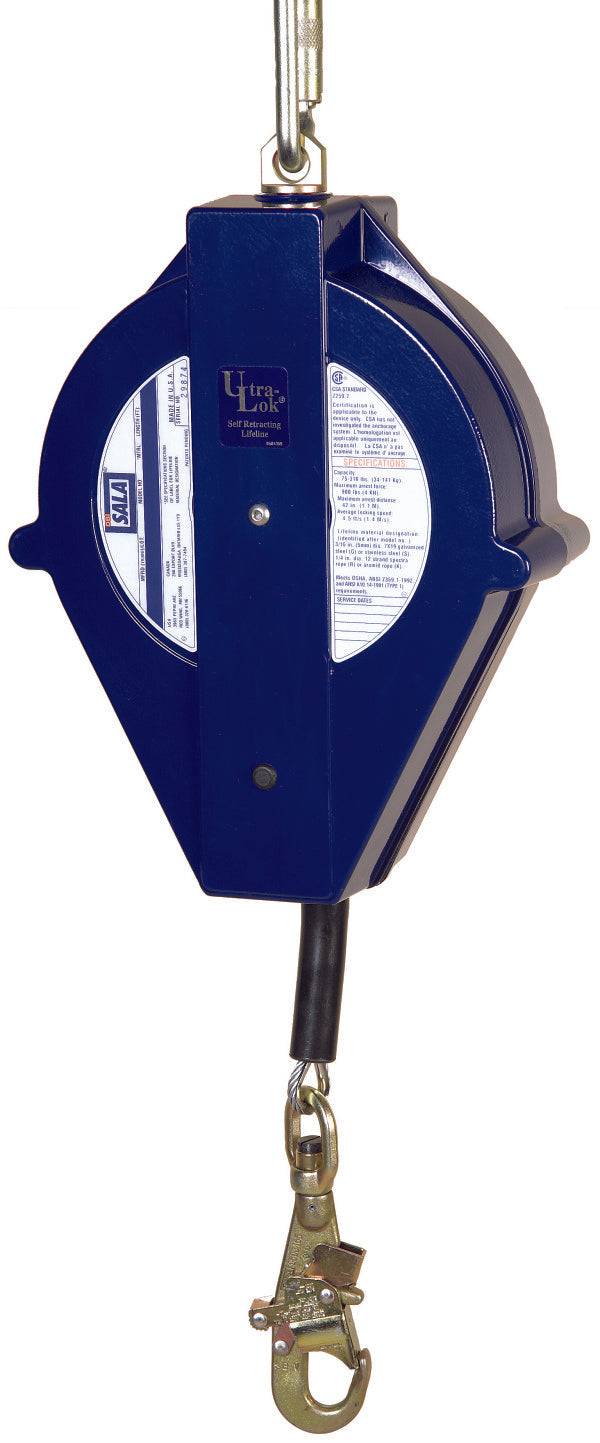
Sale price£1,825.00Inc.VAT
£1,520.83Exc.VAT
3M DBI SALA Ultra-Lok 25m Galvanised Cable Self Retracting Lifeline 35044893M DBI SALA
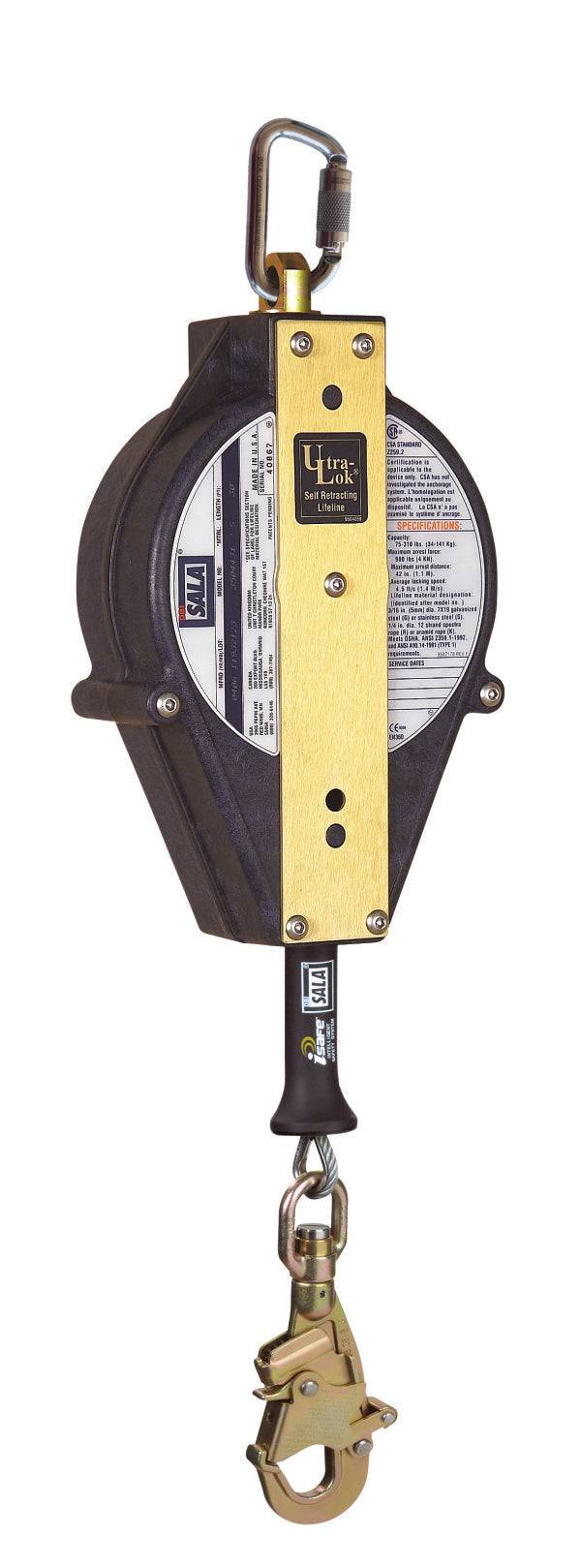
Sale price£1,359.00Inc.VAT
£1,132.50Exc.VAT
3M DBI SALA Ultra-Lok 15m Galvanised Cable Self Retracting Lifeline 35044653M DBI SALA
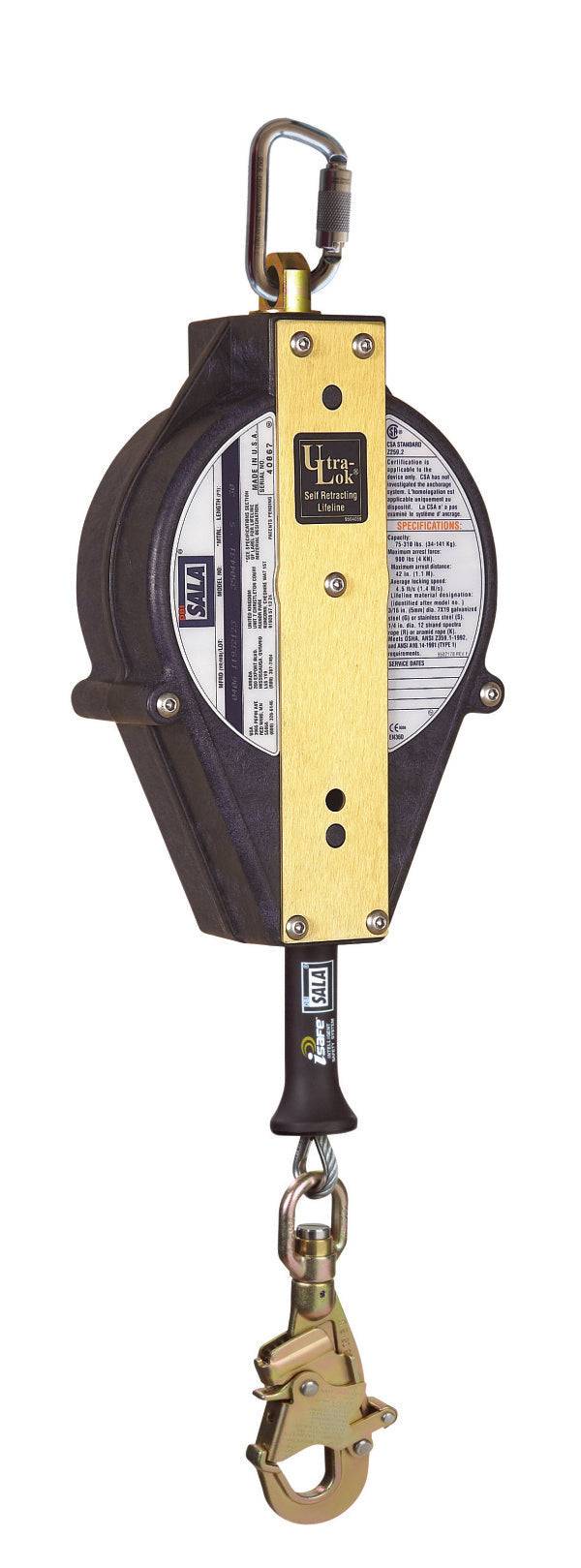
Sale price£1,115.00Inc.VAT
£929.17Exc.VAT
3M DBI SALA Ultra-Lok 6m Stainless Steel Cable Self Retracting Lifeline 35044293M DBI SALA
Frequently Asked Questions