


At SecureHeights, we supply certified vertical safety systems engineered for reliability, compliance, and long-term performance across construction, utilities, energy, telecoms, maritime, transportation, industrial maintenance, manufacturing and general industry.
Vertical Systems Selection
| Product Type | Description | Protection Method | Typical Installation | Key Advantage |
|---|---|---|---|---|
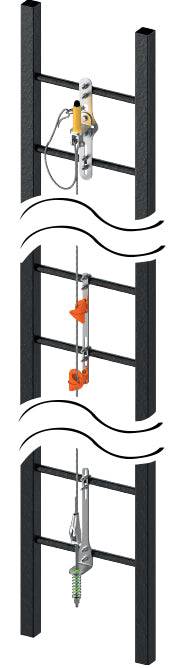
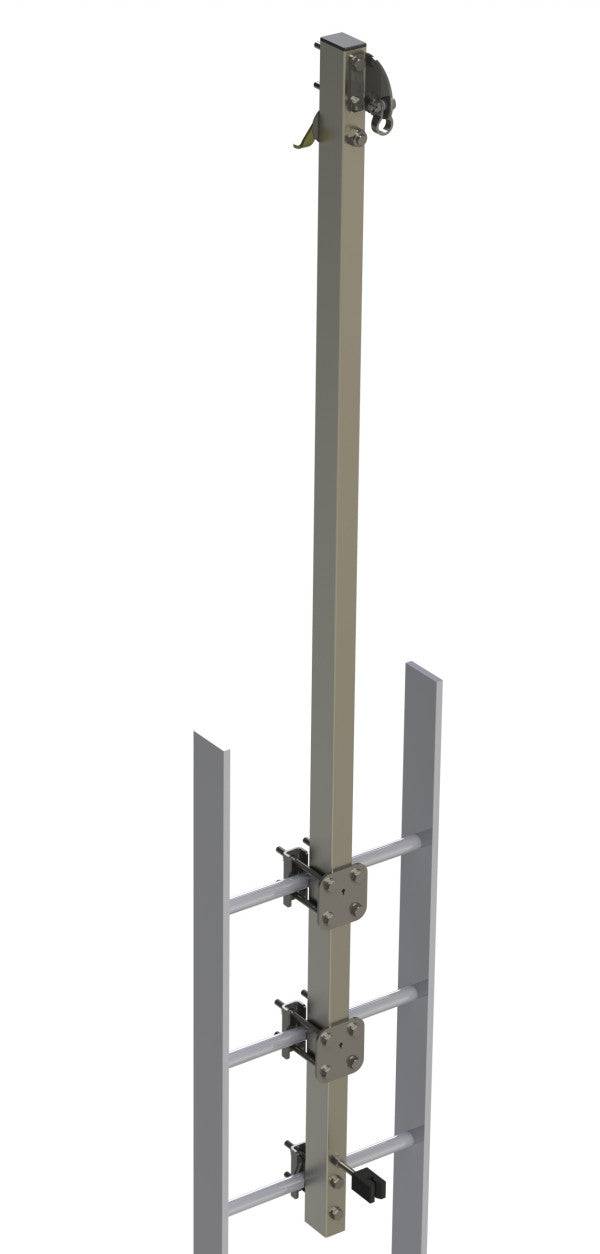
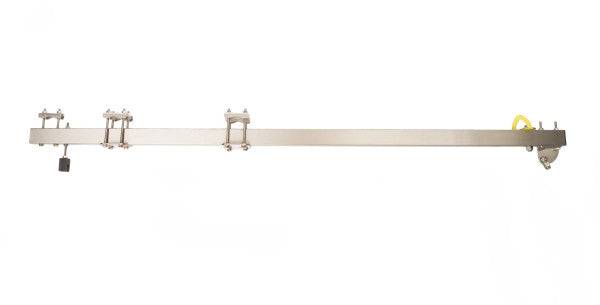
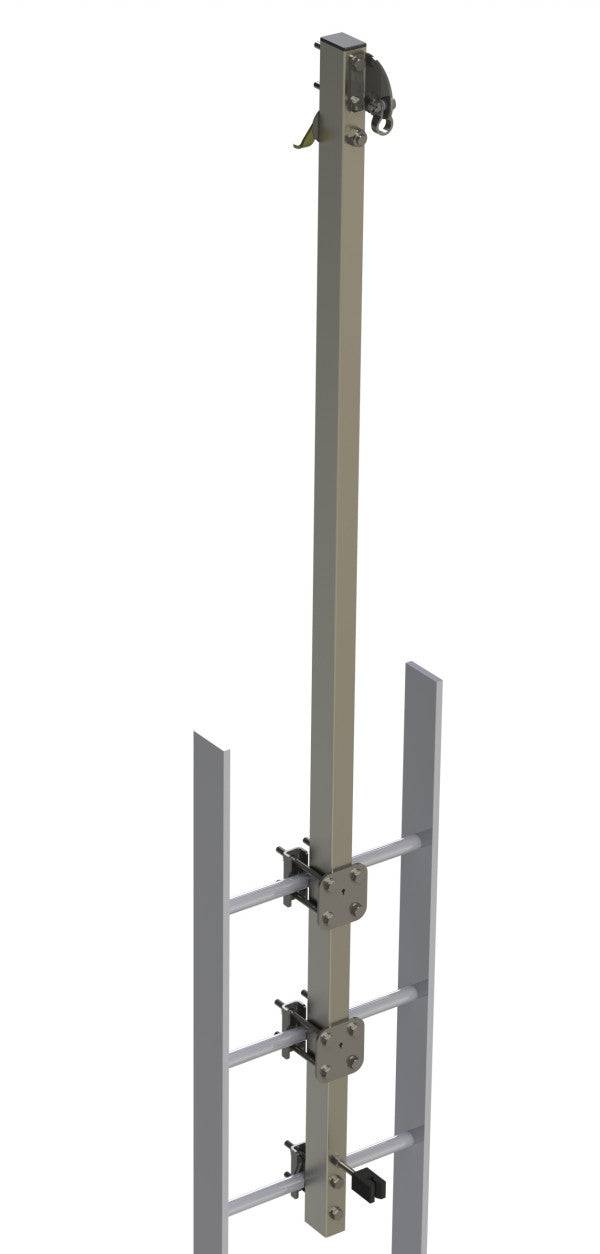
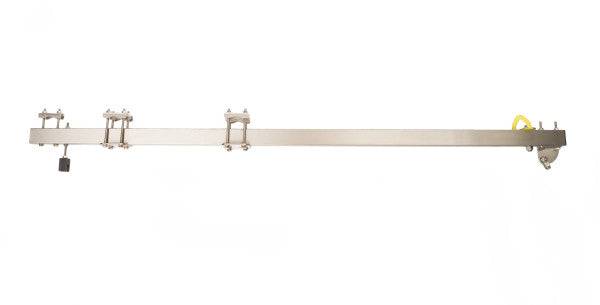
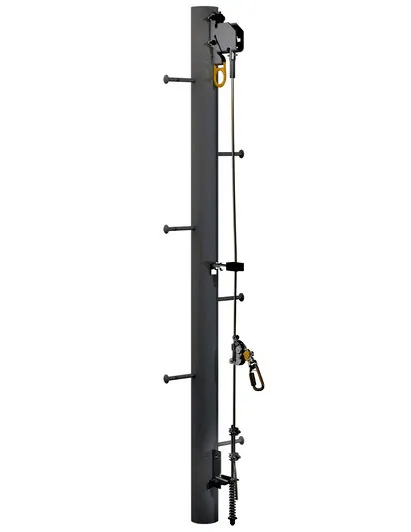
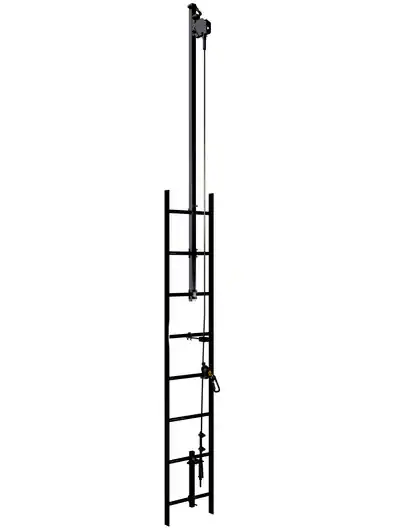
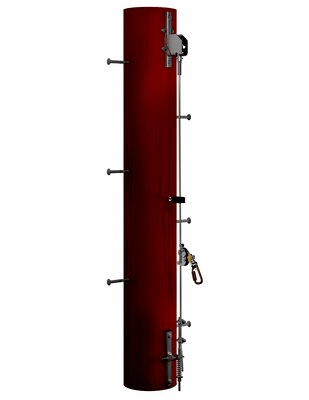
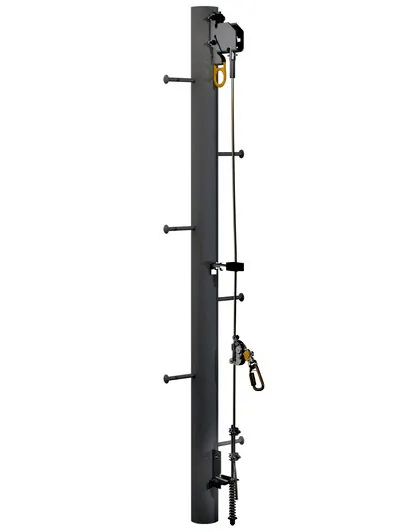
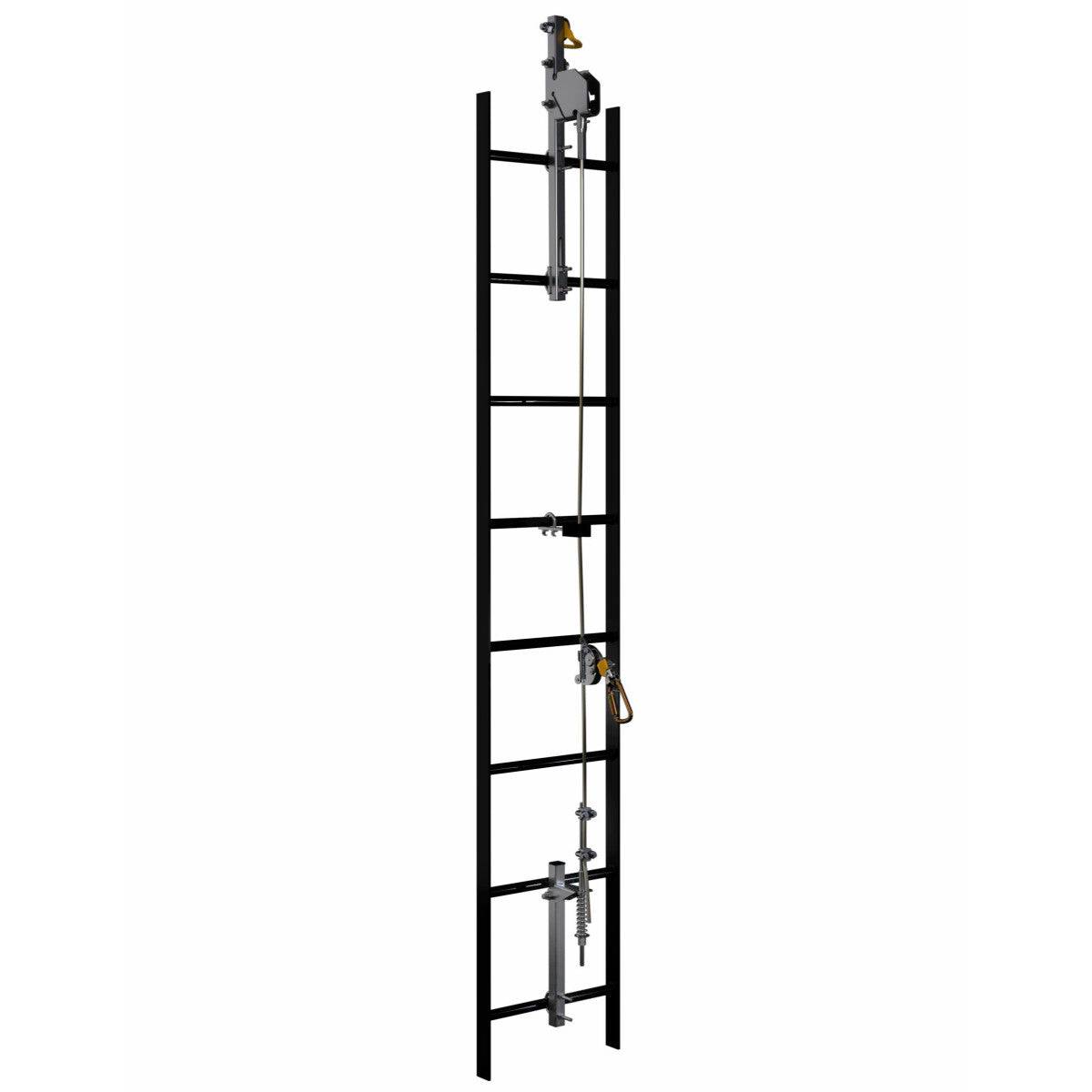
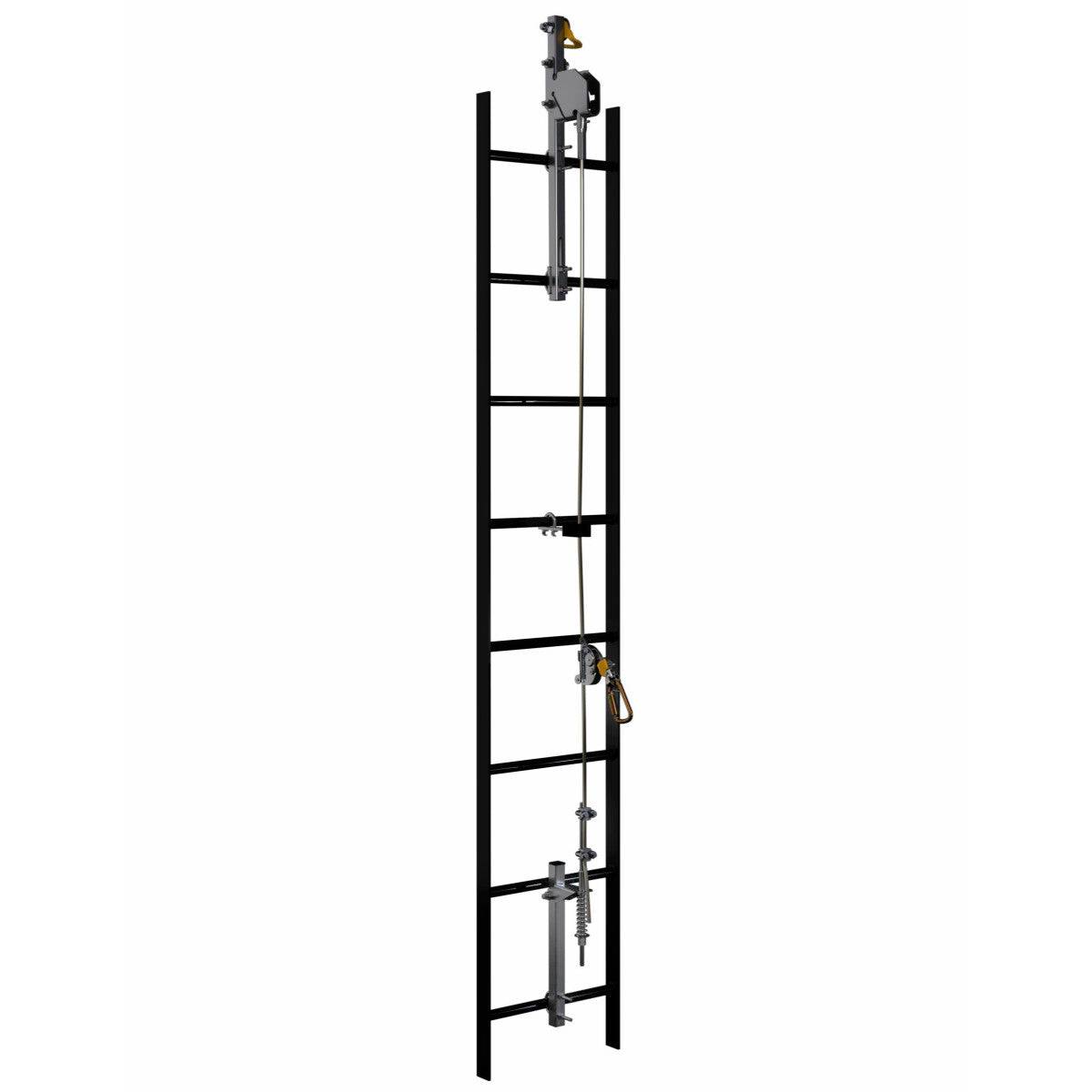
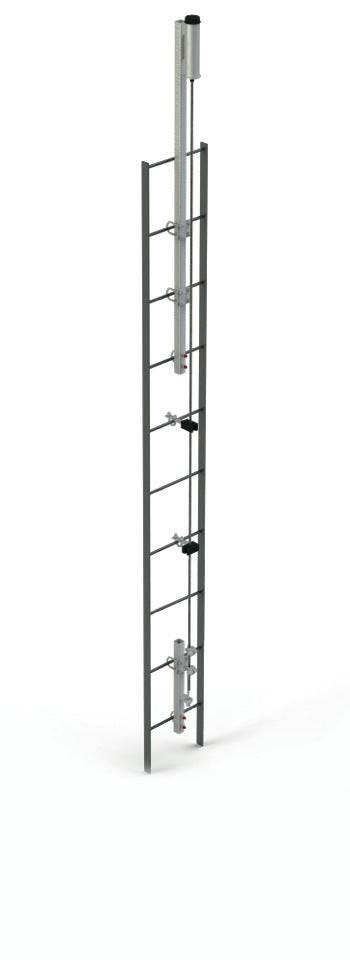
| Vertical cable & rail systems | Complete fall protection cable or rail systems with guided fall arresters | Fall arrest | Fixed ladders, towers, structures | Continuous protection during ascent and descent |
| Vertical lifeline kits | Pre-configured systems with compatible components | Fall arrest | Rapid installation on ladders or structures | Simplified setup and compliance |
| Vertical lifelines (rope or cable) | Independent lifelines used with fall arresters | Fall arrest | Temporary or semi-permanent setups | Flexible and portable solution |
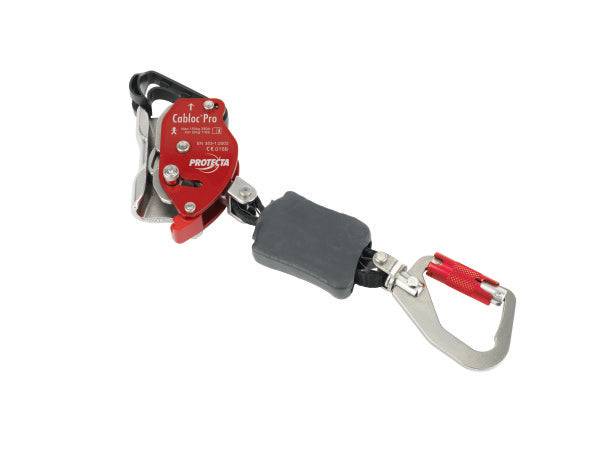
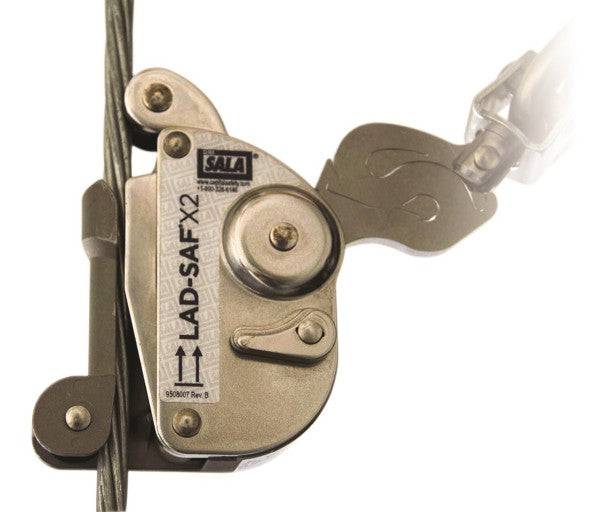
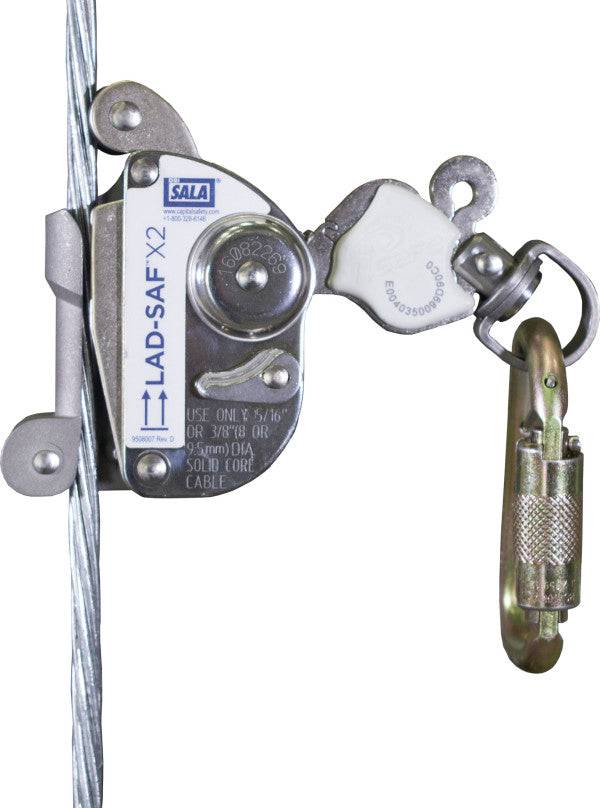
| Fall arresters & travellers | Devices that move with the user and lock during a fall | Fall arrest | Used on cables, rails, or lifelines | Immediate locking for user protection |
| Access ladders & climbing systems | Fixed or flexible ladders integrated with safety systems | Fall arrest (with system) | Towers, masts, industrial access routes | Safe and structured vertical access |
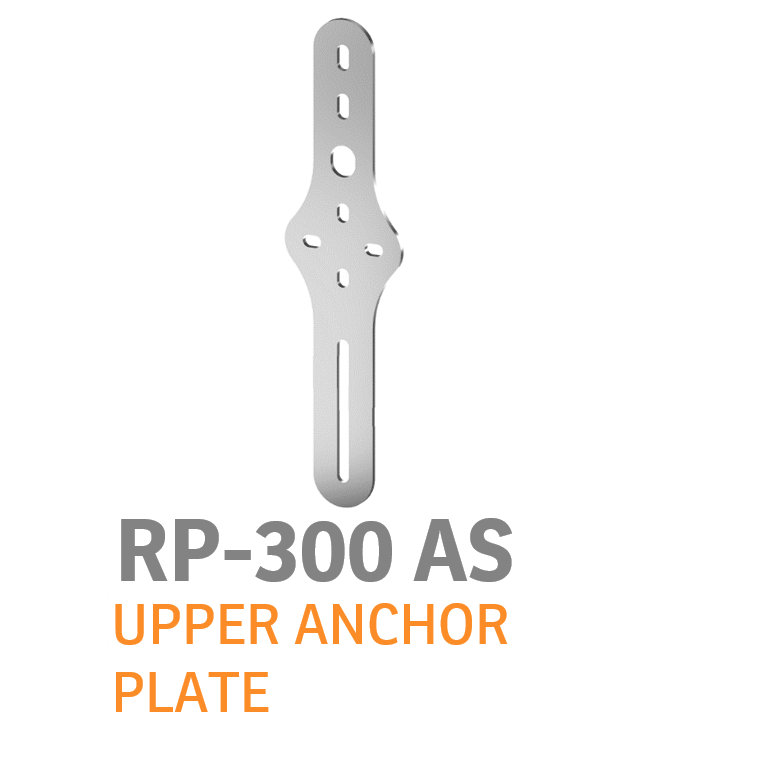
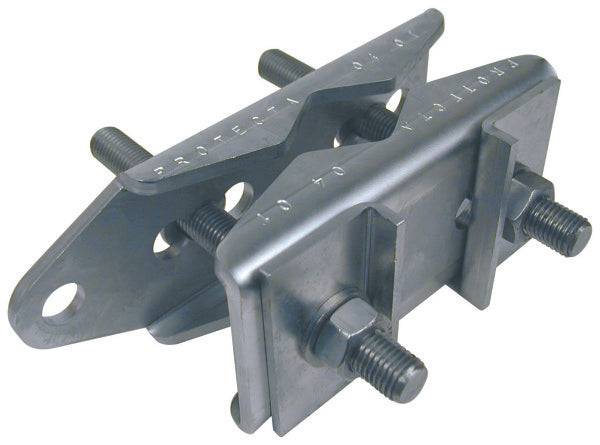
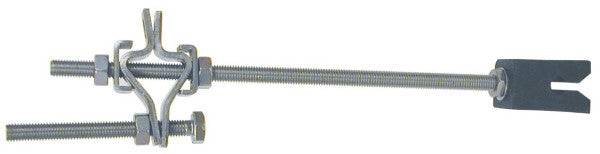
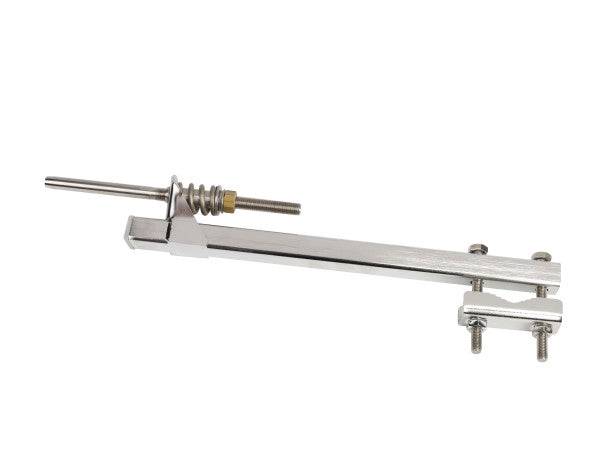
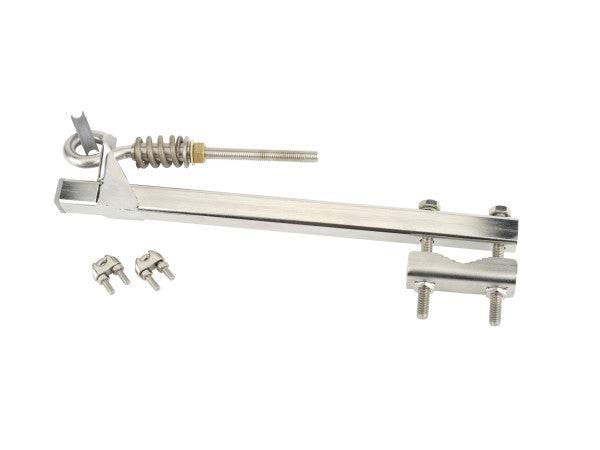
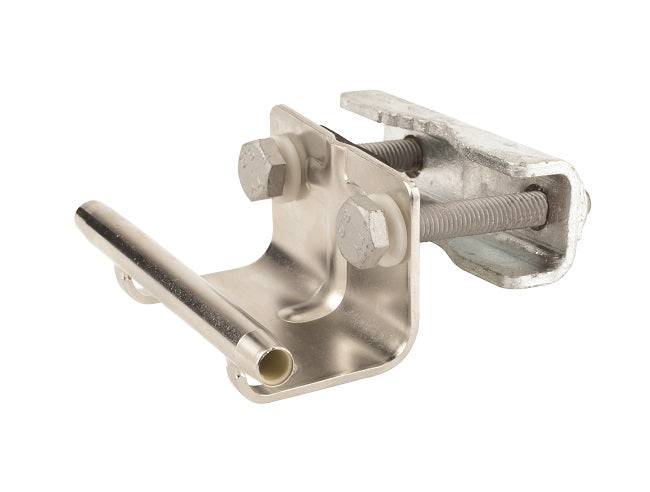
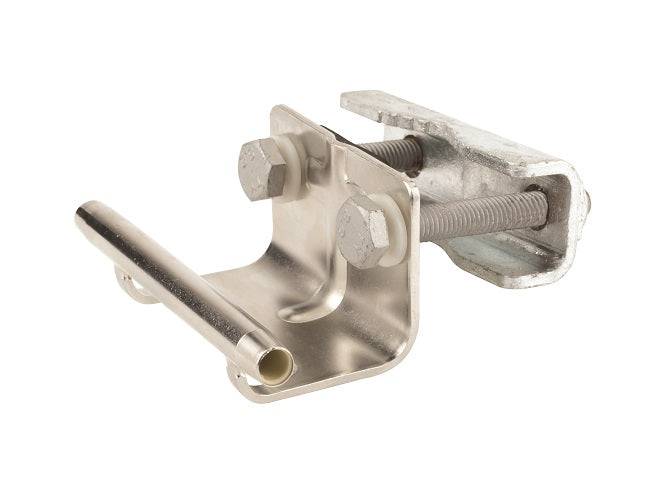
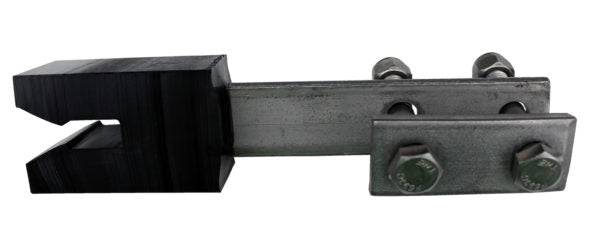
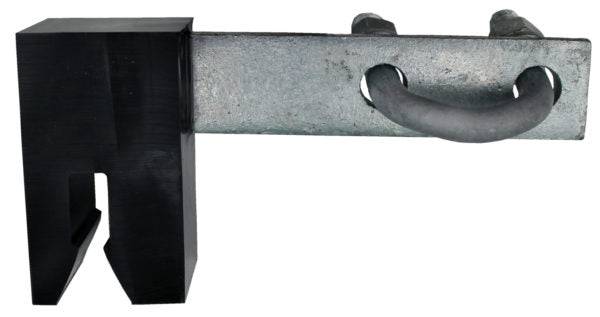
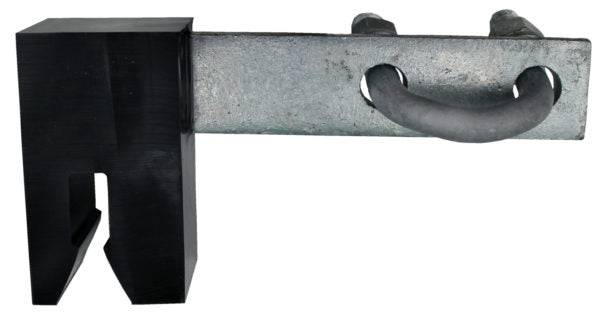
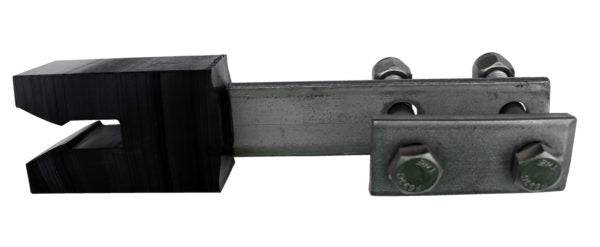
| System components & hardware | Anchors, brackets, guides, tensioners and fittings | — | System integration | Enables full system configuration |
Continuous Safety on Ladders & Structures
Certified vertical lifeline systems replace outdated cage ladders and temporary lanyard methods with guided protection that uses a fall arrester to follow a user’s movement. The travelling device locks instantly if a fall occurs, helping limit fall distance and reduce impact forces.
Our range includes vertical lifeline systems suitable for permanent installations on ladders and structures, supporting frequent access while maintaining consistent protection from ground to landing.
System Options for Different Applications
Depending on structure and usage, systems can be configured with flexible cables or rigid rails. Each vertical fall protection system option is selected to suit the environment, access frequency, and working requirements, ensuring reliable performance in demanding conditions.
A properly installed vertical lifeline system integrates with a compatible full-body harness, creating a secure, compliant solution for safe vertical movement without interrupting workflow.
Expert Support from SecureHeights
Choosing the right vertical system depends on structure type, user numbers, and site risk assessment. Our specialists are available to help you select a solution that aligns with your operational needs and safety obligations.
Upgrade Your Vertical Safety Systems
Explore our range of vertical systems at SecureHeights and protect workers during every climb. Order online today for fast UK and worldwide delivery or contact our experts for guidance on the right vertical safety solution for your site.