Rescue Equipment

115 products

Showing 49 - 72 of 115 products

Showing 49 - 72 of 115 products
View
Skylotec MILAN 2.0 500m Evacuation Descender Device A-027 - SecureHeights
Sale price£865.00Inc.VAT

£720.83Exc.VAT
Skylotec MILAN 2.0 500m Evacuation Descender Device A-027Skylotec
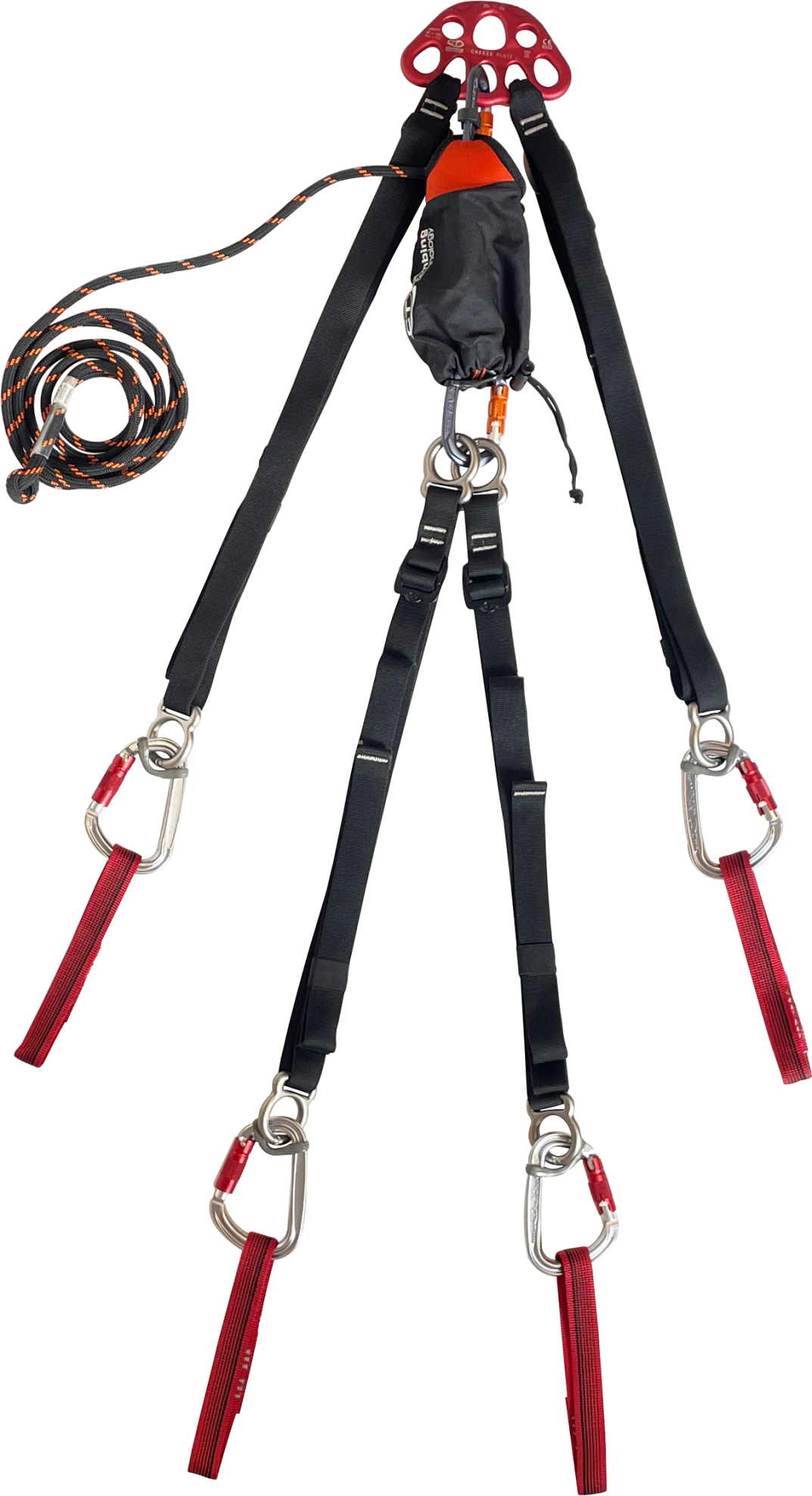
Skylotec ultraFLEX PRO Flexible Tilting Device SAN-0097-P - SecureHeights
Sale price£745.00Inc.VAT

£620.83Exc.VAT
Skylotec ultraFLEX PRO Flexible Tilting Device SAN-0097-PSkylotec
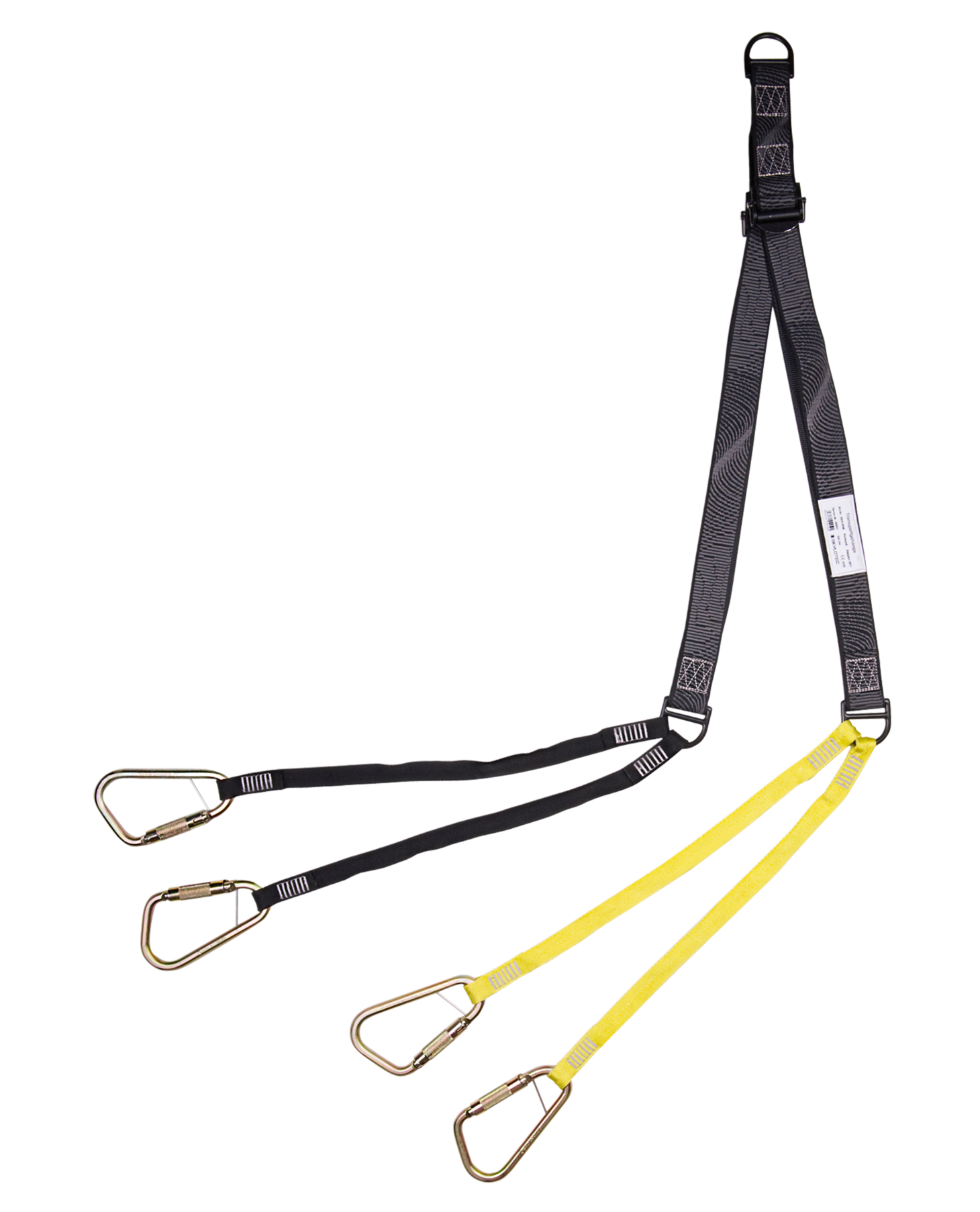
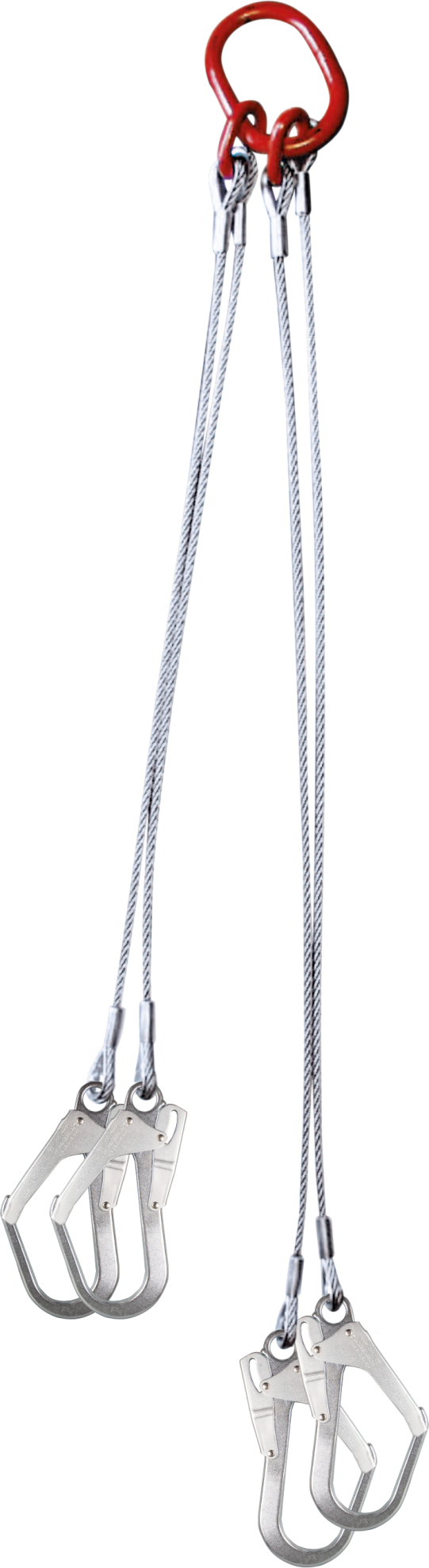
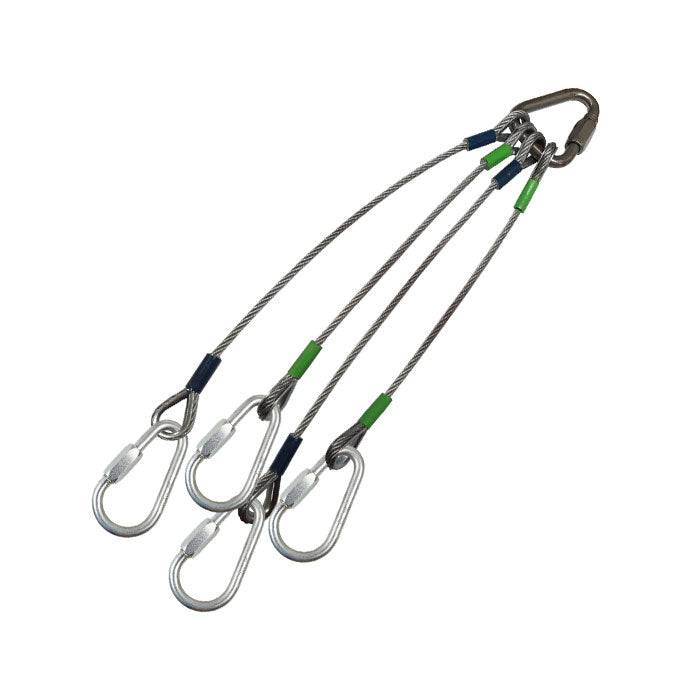
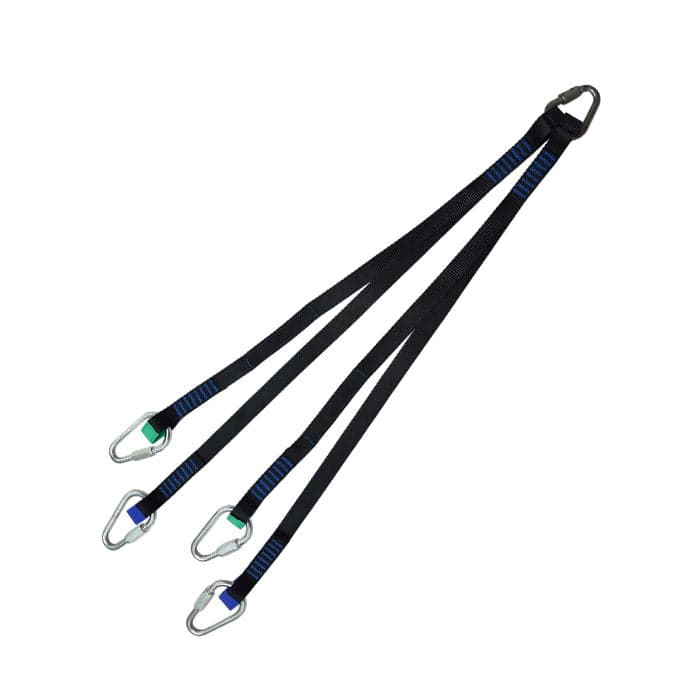
Skylotec ultraBRIDLES Lifting Bridles SAN-0086 - SecureHeights
Sale price£305.00Inc.VAT

£254.17Exc.VAT
Skylotec ultraBRIDLES Lifting Bridles SAN-0086Skylotec
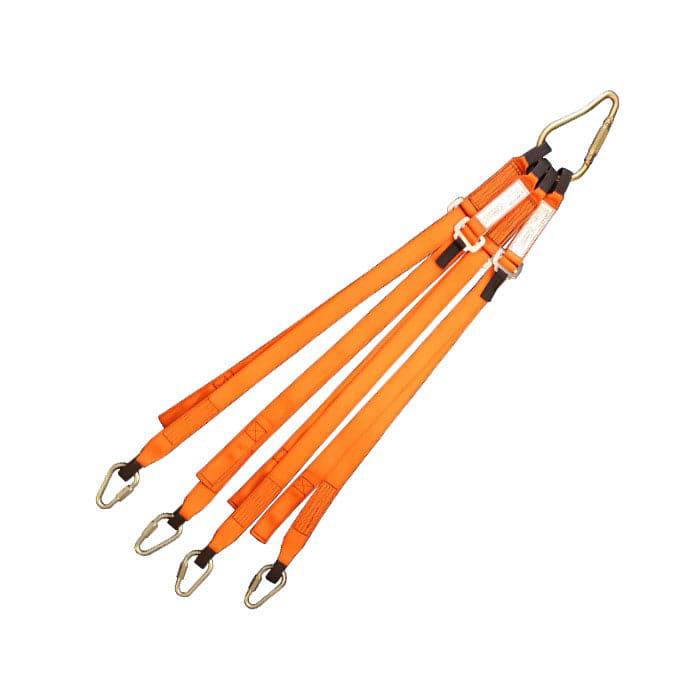
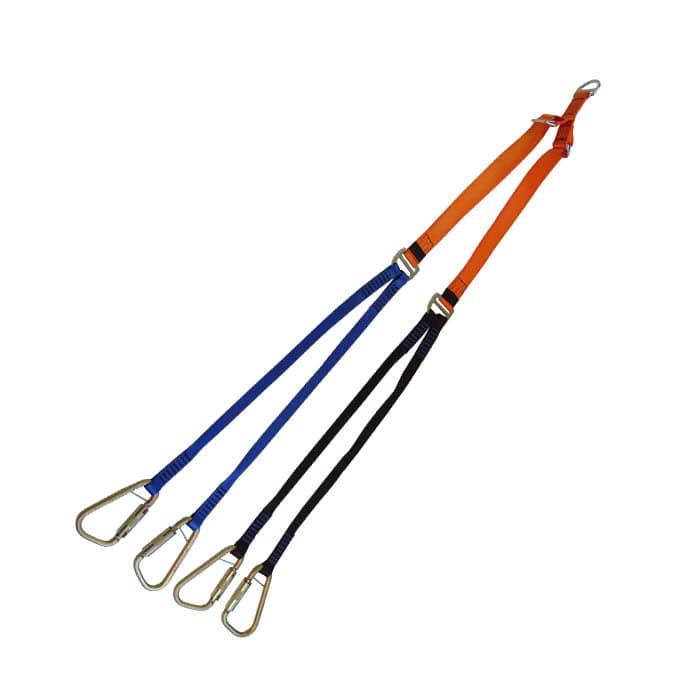
Skylotec transportTACKLE Slings SAN-0099 - SecureHeights
Sale price£359.00Inc.VAT

£299.17Exc.VAT
Skylotec transportTACKLE Slings SAN-0099Skylotec
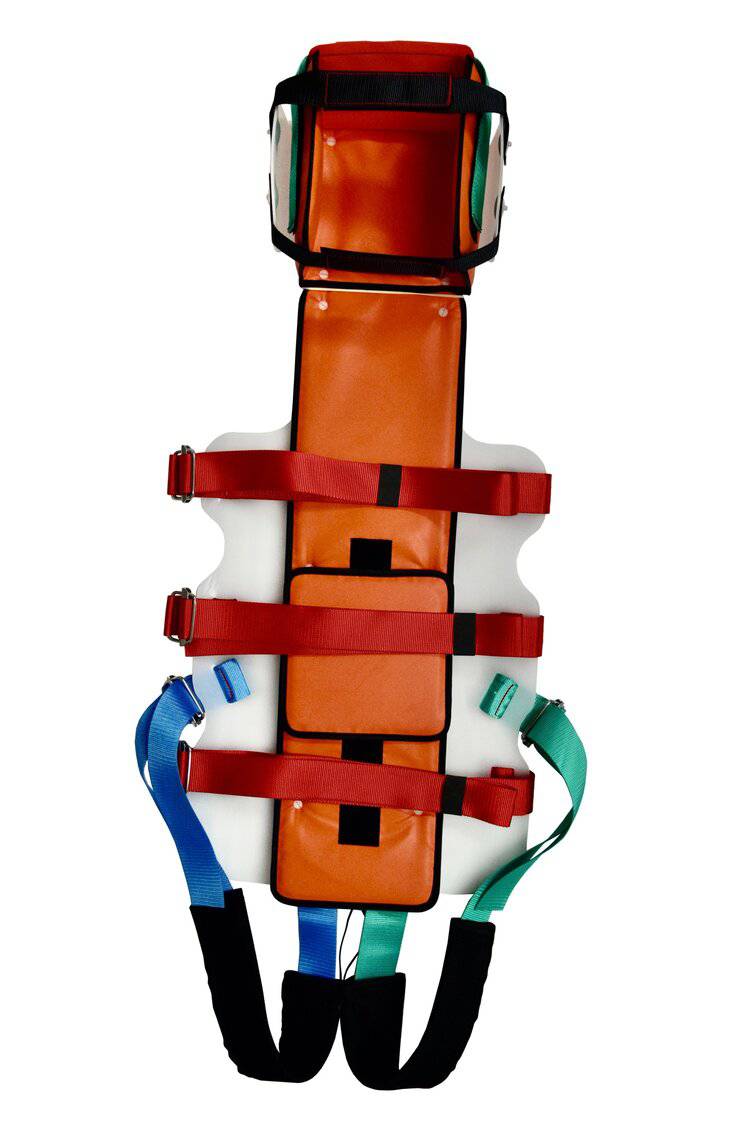
Skylotec ultraROLL STRETCHER SAN-9000 - SecureHeights
Sale price£1,149.00Inc.VAT

£957.50Exc.VAT
Skylotec ultraROLL STRETCHER SAN-9000Skylotec
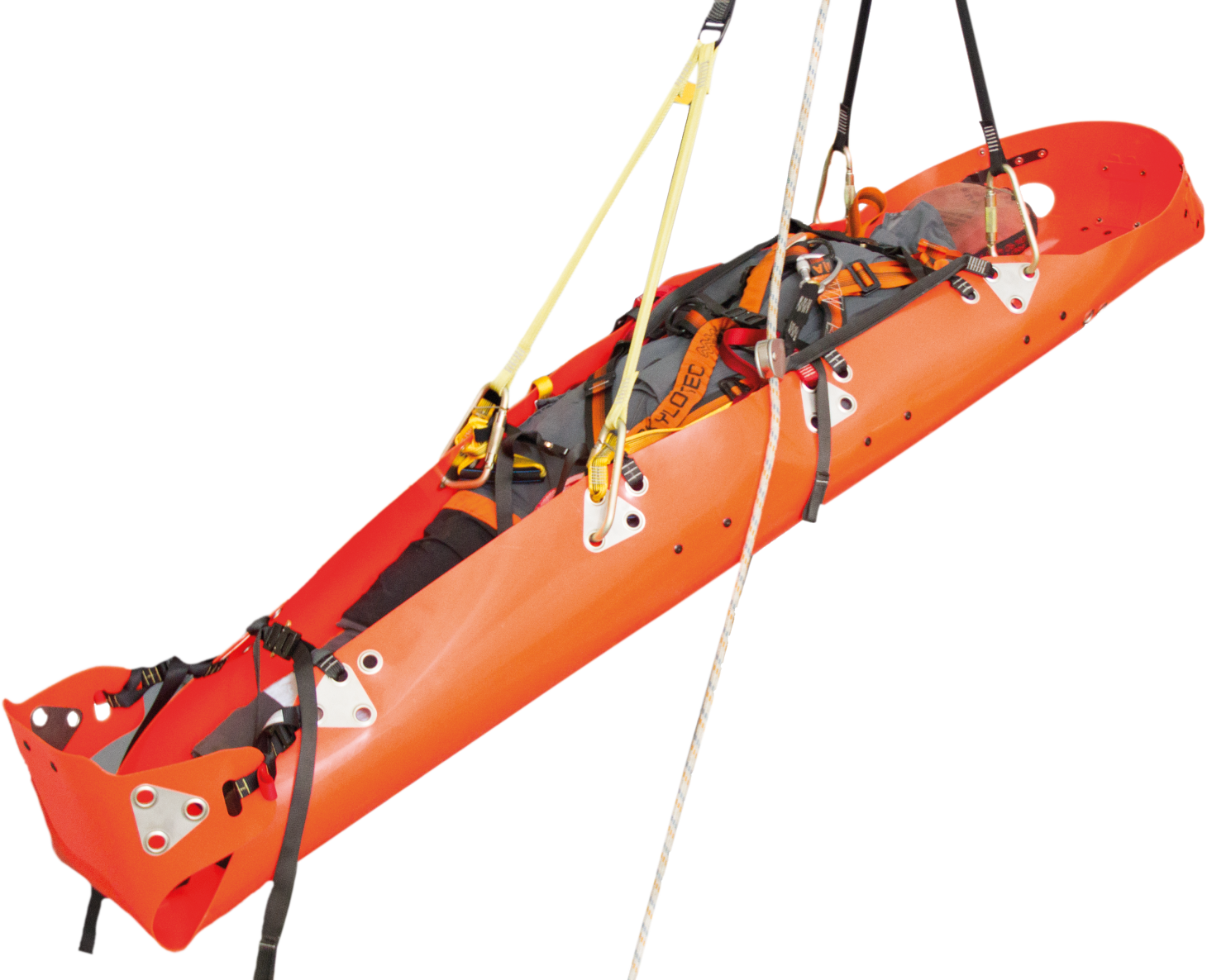
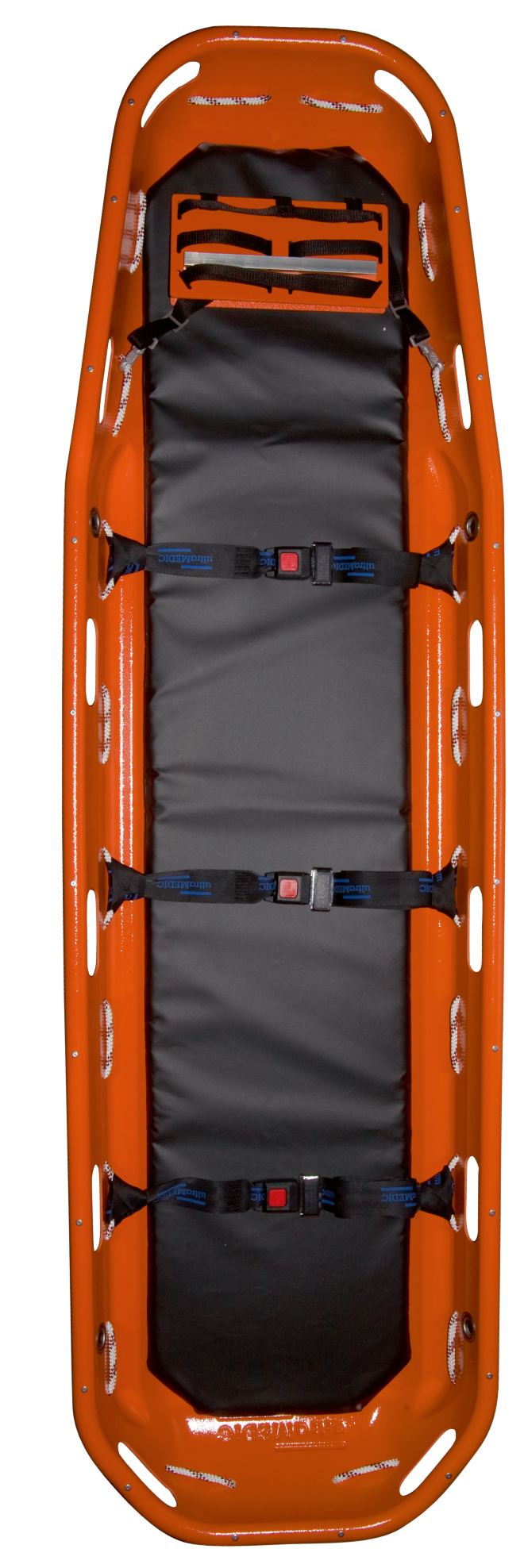
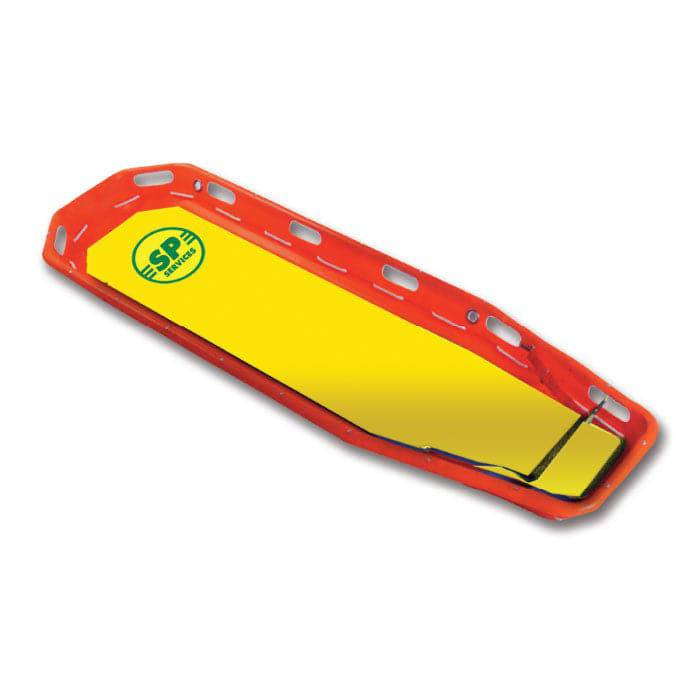
Skylotec ultraBASKET STRETCHER SAN-0087-1 - SecureHeights
Sale price£859.00Inc.VAT

£715.83Exc.VAT
Skylotec ultraBASKET STRETCHER SAN-0087-1Skylotec
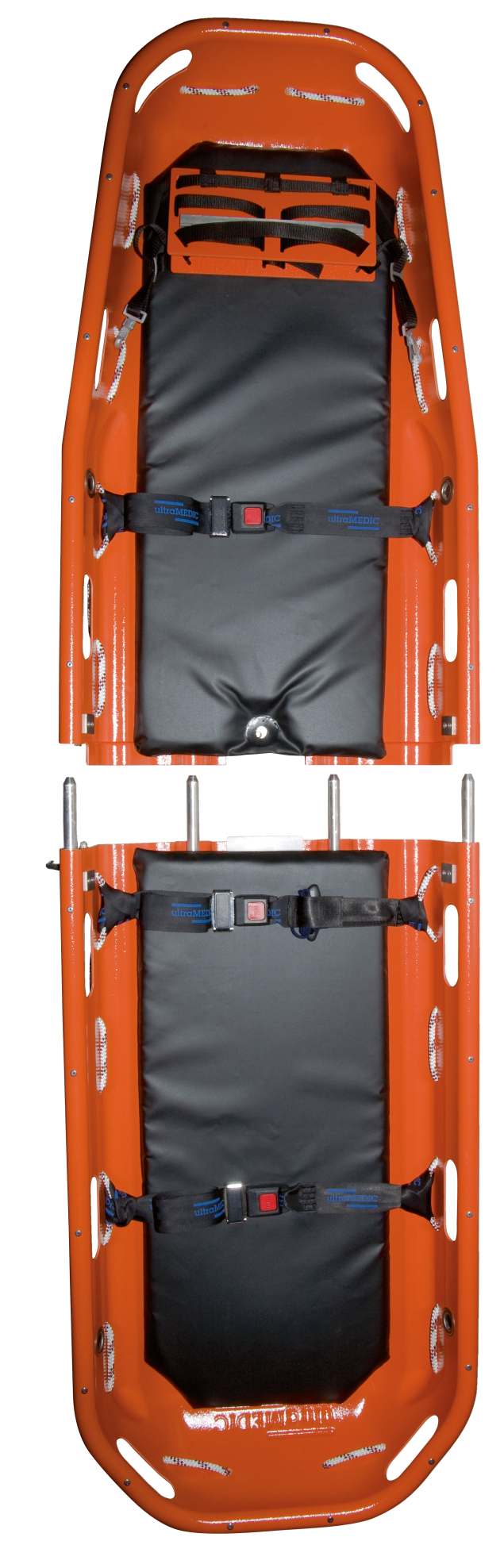
Skylotec Two Piece ultraBASKET STRETCHER SAN-0087-2 - SecureHeights
Sale price£1,195.00Inc.VAT

£995.83Exc.VAT
Skylotec Two Piece ultraBASKET STRETCHER SAN-0087-2Skylotec
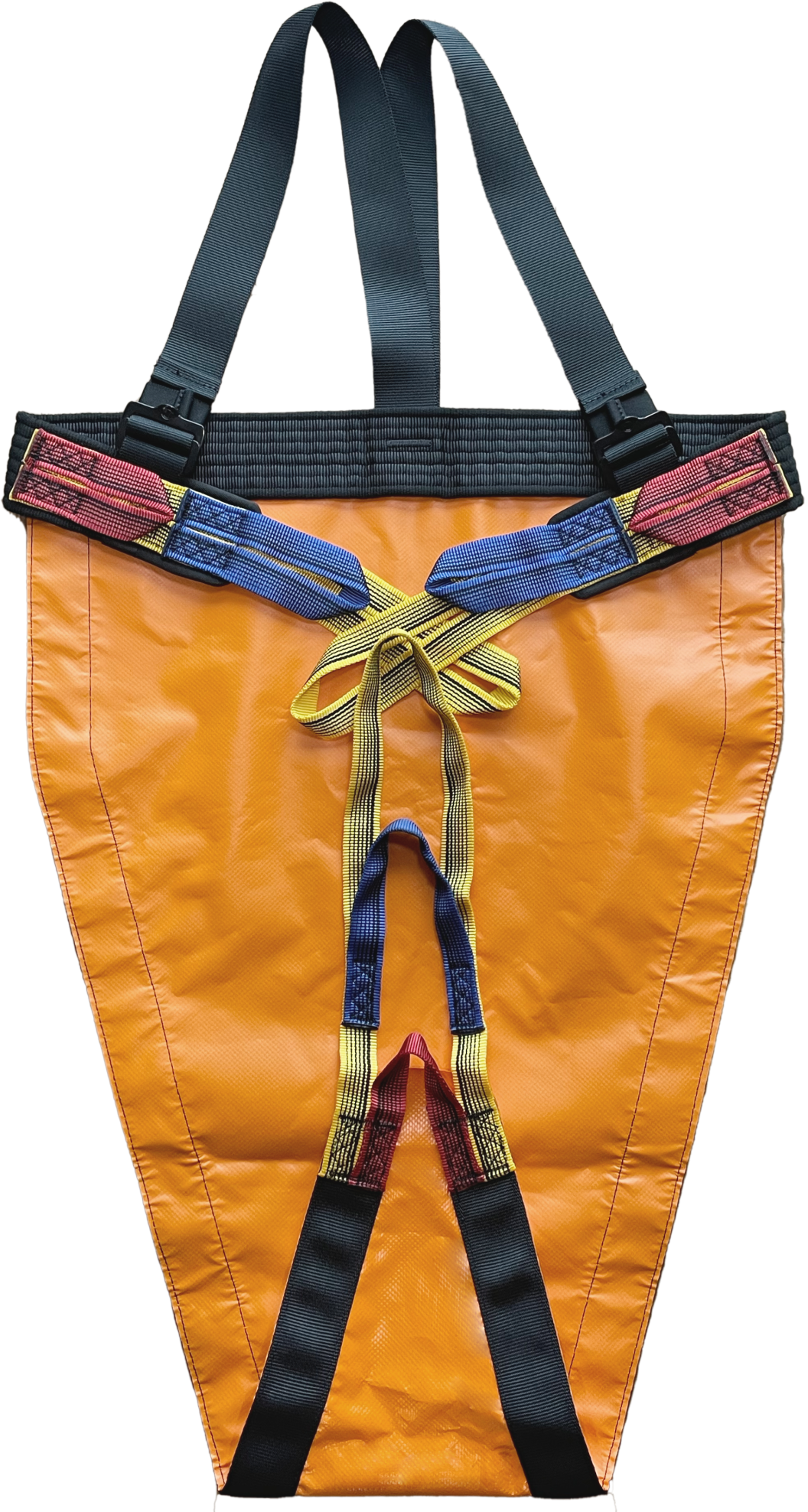
Skylotec RESC B Rescue Sling with Adjustable Eyelets G-1042-B - SecureHeights
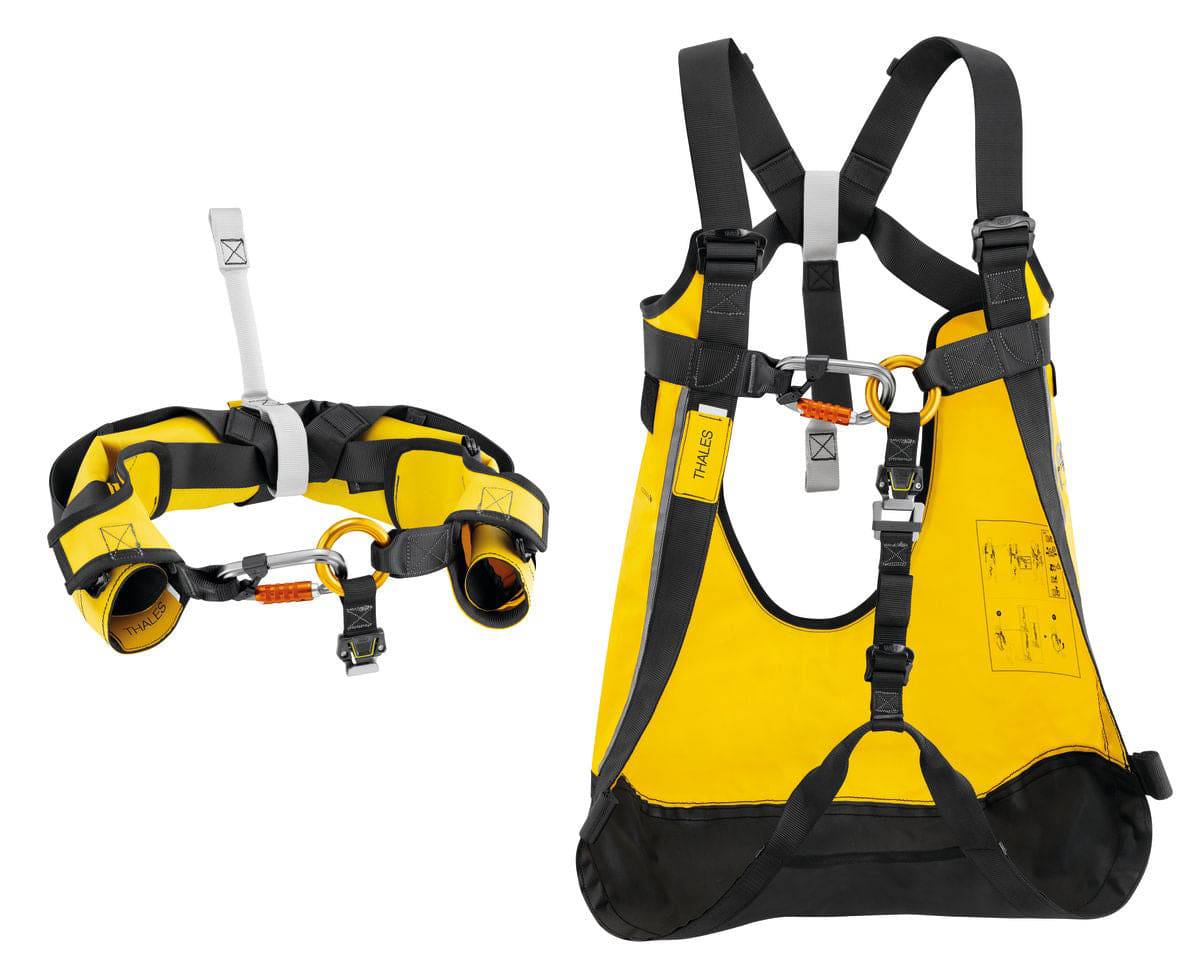
Petzl THALES Safety Chest Collar Evacuation Triangle with Shoulder Straps C061AA00 - SecureHeights
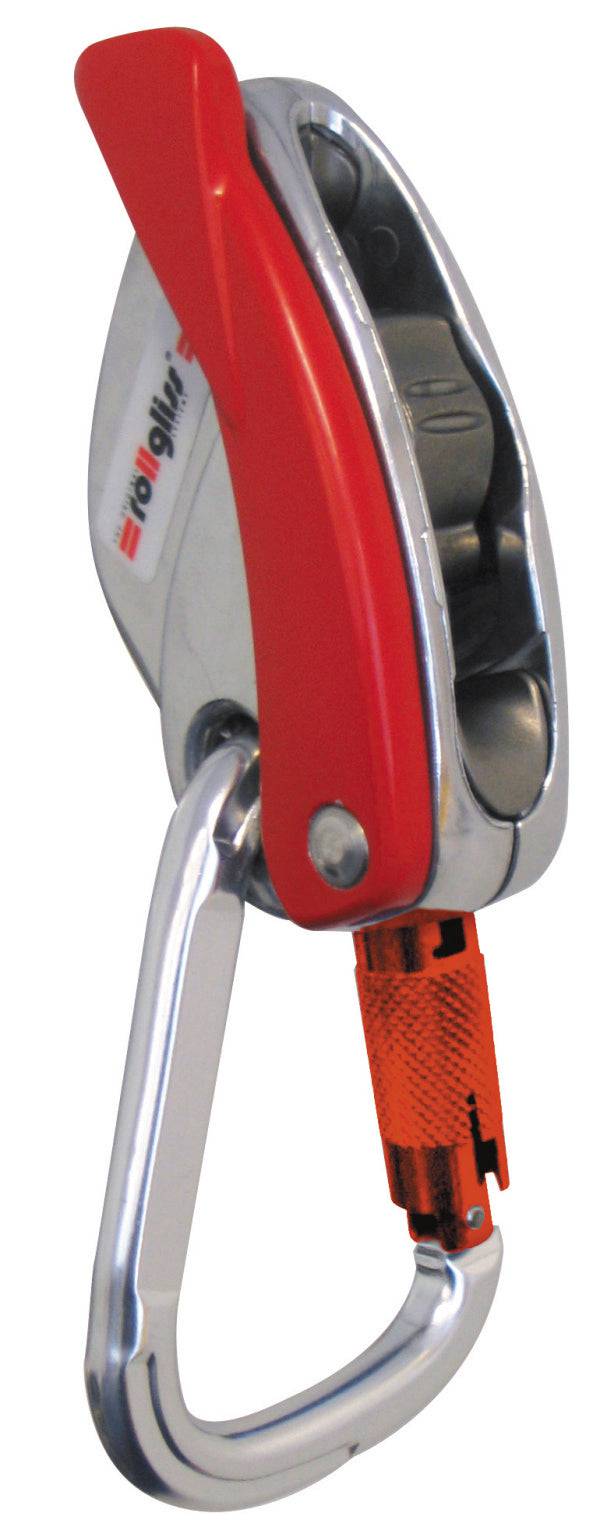
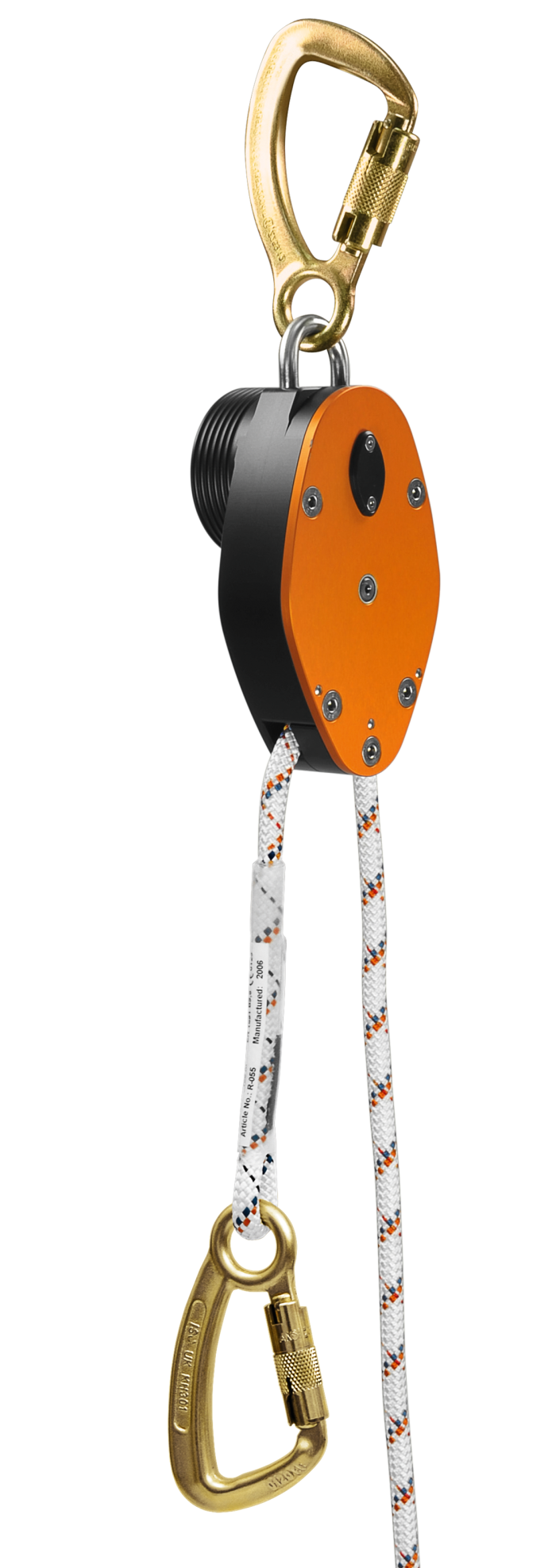
3M DBI SALA Rollgliss R250 Personal Descender AG6250000 - SecureHeights
Sale price£249.00Inc.VAT

£207.50Exc.VAT
3M DBI SALA Rollgliss R250 Personal Descender AG62500003M DBI SALA
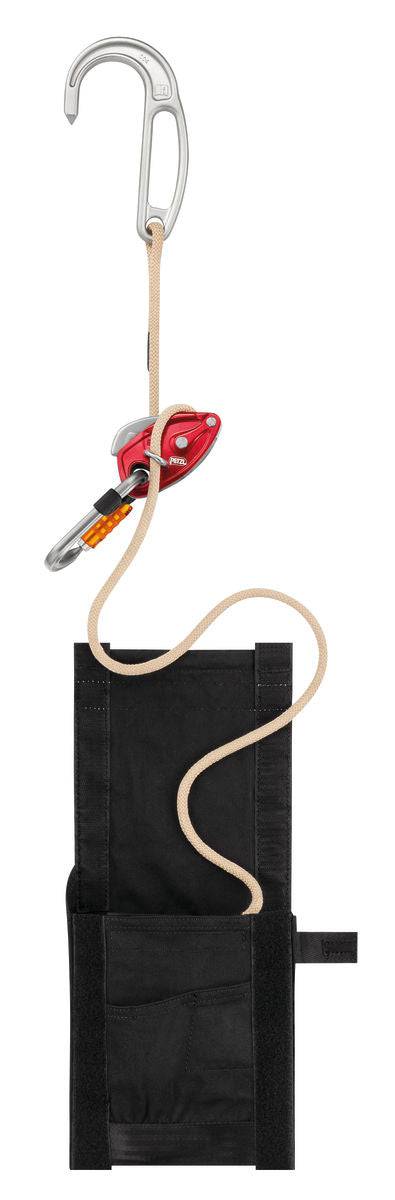
Petzl EXO AP HOOK Personal Escape System with Anchor Hook D031DA00 - SecureHeights
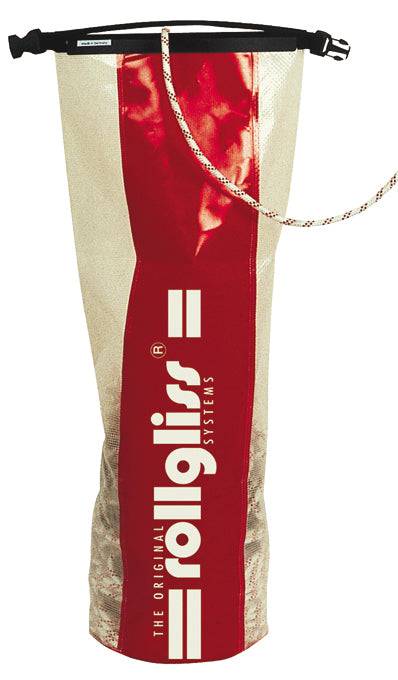
3M DBI SALA Rollgliss Carrying Bag 100m-250m - SecureHeights
Sale priceFrom £139.00Inc.VAT

From £115.83Exc.VAT
3M DBI SALA Rollgliss Carrying Bag 100m-250m3M DBI SALA
Choose options
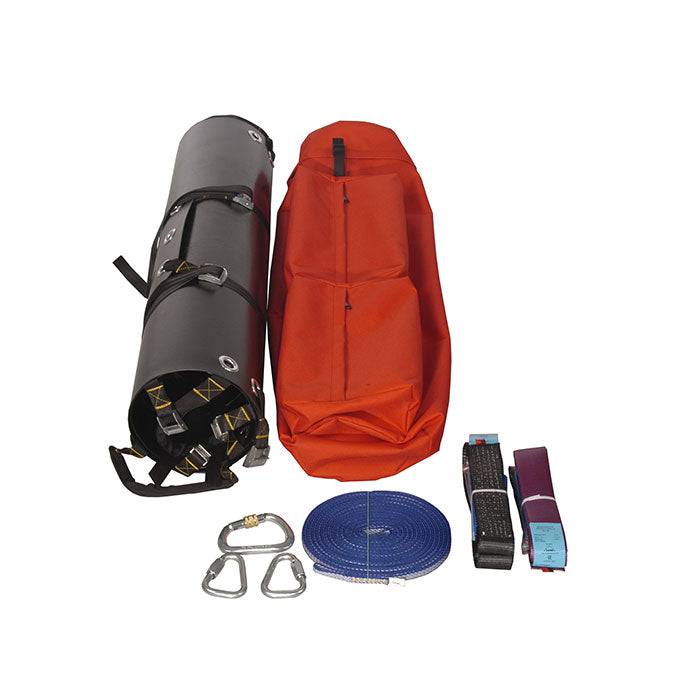
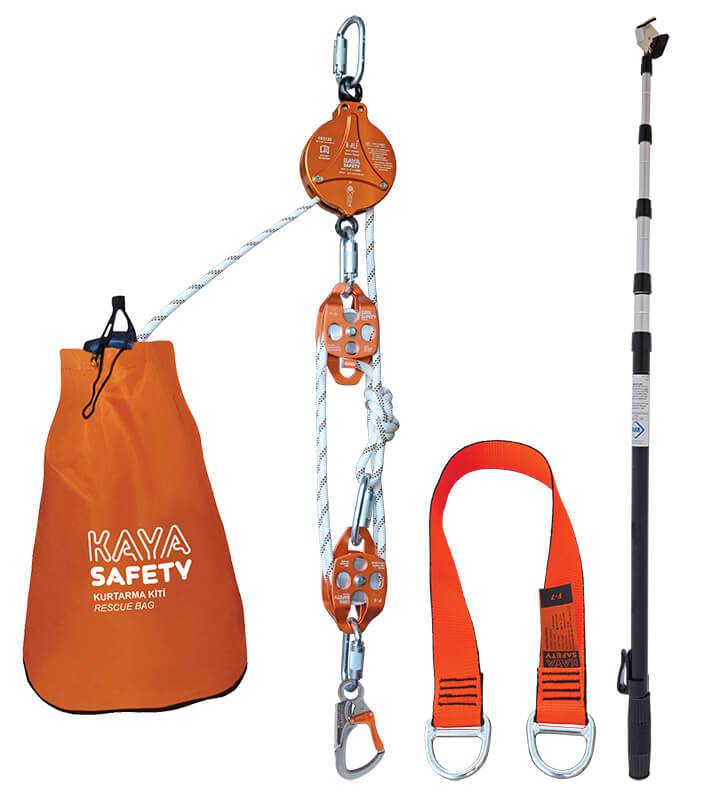
Kaya Safety RK Series Rescue Kit 20m-40m - SecureHeights
Sale priceFrom £3,309.00Inc.VAT

From £2,757.50Exc.VAT
Kaya Safety RK Series Rescue Kit 20m-40mKaya Safety
Choose options
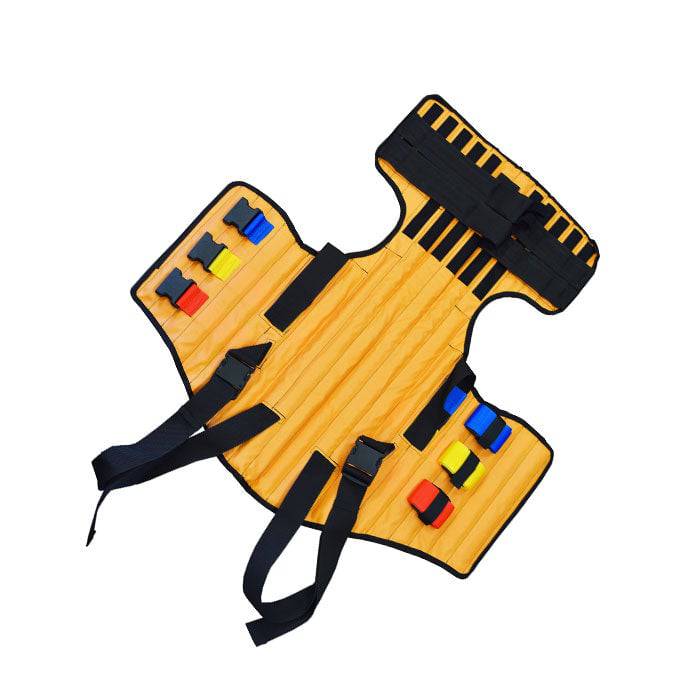
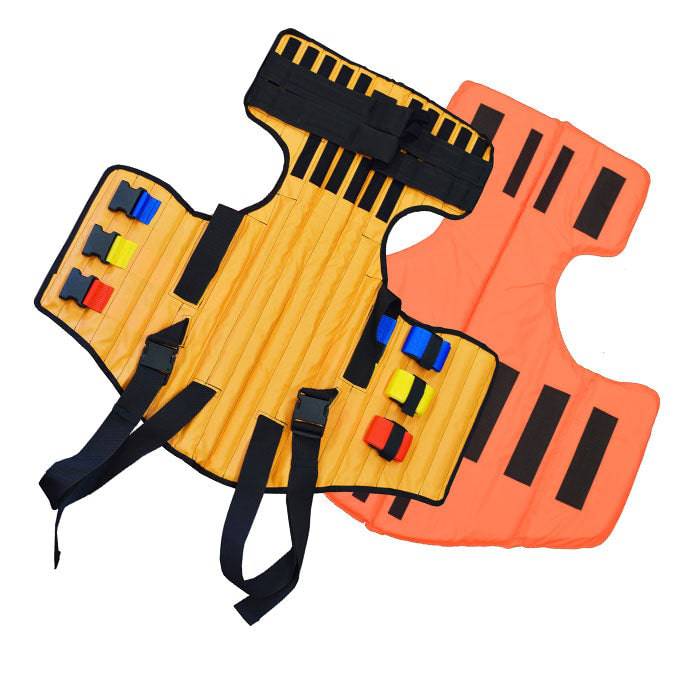
Abtech Safety Spinal Splint with Flotation Aid EFS102/2 - SecureHeights
Abtech Safety Spinal Splint EFS102 - SecureHeights
Sale price£629.00Inc.VAT

£524.17Exc.VAT
Abtech Safety Spinal Splint EFS102Abtech Safety
Abtech Safety SLIX Spinal Splint SLIXSS - SecureHeights
Sale price£629.00Inc.VAT

£524.17Exc.VAT
Abtech Safety SLIX Spinal Splint SLIXSSAbtech Safety
Abtech Safety SLIX Wire Stretcher Lifting Bridles SLIXWS - SecureHeights
Abtech Safety Basket Stretcher ST/044 - SecureHeights
Sale price£1,149.00Inc.VAT

£957.50Exc.VAT
Abtech Safety Basket Stretcher ST/044Abtech Safety
Abtech Safety 52cm-188cm Adjustable Stretcher Lifting Bridles ABSS - SecureHeights
Abtech Safety Stretcher Lifting Bridles SPALB - SecureHeights
Sale price£179.00Inc.VAT

£149.17Exc.VAT
Abtech Safety Stretcher Lifting Bridles SPALBAbtech Safety
Abtech Safety Rollable Rescue Stretcher Kit RS100 - SecureHeights
Sale price£699.00Inc.VAT

£582.50Exc.VAT
Abtech Safety Rollable Rescue Stretcher Kit RS100Abtech Safety
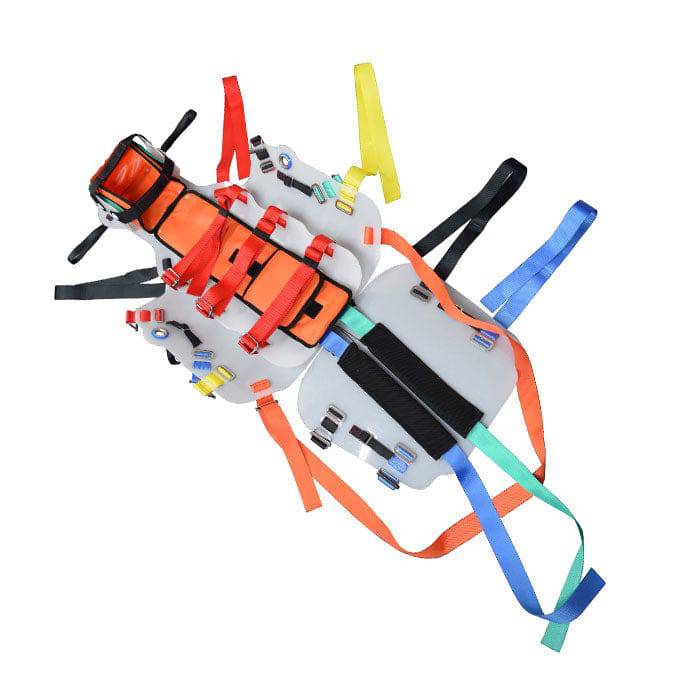
Abtech Safety SLIX50 Stretcher with Spinal Splint SLIX50COM - SecureHeights
Sale price£1,419.00Inc.VAT

£1,182.50Exc.VAT
Abtech Safety SLIX50 Stretcher with Spinal Splint SLIX50COMAbtech Safety
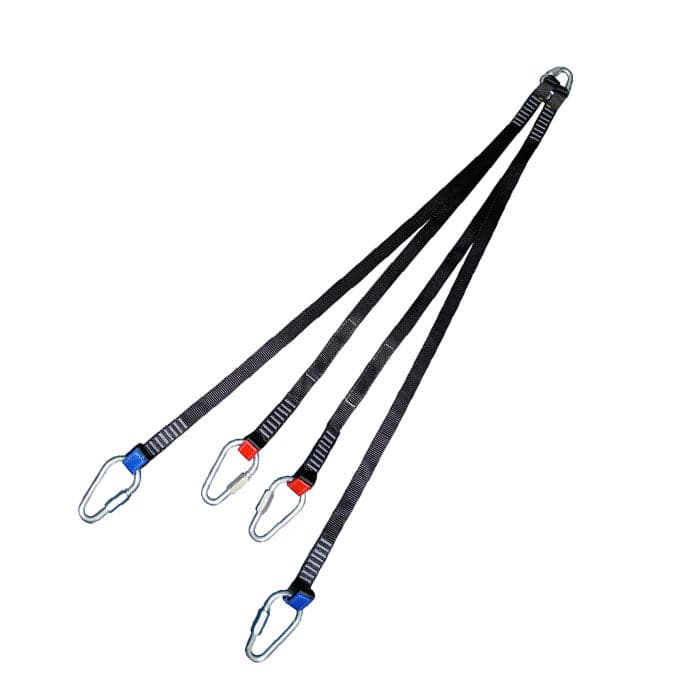
Abtech Safety SLIX Lifting Bridles for Horizontal Use SLIXHHXL - SecureHeights
Abtech Safety SLIX Lifting Bridles for Vertical Use SLIXVHXL - SecureHeights

Frequently Asked Questions

What factors should be considered when selecting rope rescue systems for a work-at-height environment?

The most suitable rescue system depends on the working environment, access restrictions, rescue distances and the number of people involved in the operation. Different industries may require different approaches, particularly where towers, structures, industrial plants or remote locations are concerned. It is also important to consider how quickly a rescue can be performed and whether the equipment can be deployed by on-site personnel. A rescue plan should always be developed alongside equipment selection rather than afterwards.

How do confined space rescue systems differ from standard rescue equipment?

Confined space rescues often involve restricted access, limited visibility and challenging casualty retrieval conditions. Equipment used in these environments is typically selected to help manage vertical lifting, lowering and controlled extraction through narrow openings. Rescue teams may also need to account for ventilation issues, communication challenges and the presence of hazardous atmospheres. Because of these factors, confined space operations generally require specialised planning and dedicated procedures.

When are rope rescue lowering systems commonly used?

Lowering systems are frequently used when a casualty must be moved safely to a lower level under controlled conditions. They are often deployed during tower rescues, industrial maintenance incidents and situations where raising a casualty would be impractical. A properly configured lowering system helps maintain control throughout the descent and can reduce unnecessary movement of the casualty. The choice of system should always reflect the rescue environment and anticipated load requirements.

Why is it important to have emergency rescue systems available before work begins?

A rapid response can significantly improve outcomes during a work-at-height incident. Having rescue equipment immediately available helps reduce delays that may occur while waiting for external assistance to arrive. In many workplaces, emergency planning forms an essential part of risk management and safe system design. Preparing equipment, personnel and procedures in advance can help organisations respond more effectively when unexpected situations occur.

What should organisations look for when choosing confined space rescue equipment?

Equipment should be selected based on the access configuration, potential hazards and expected rescue scenarios within the confined space. Ease of deployment is often an important consideration, especially where space is limited and time may be critical. Compatibility between different rescue components can also improve operational efficiency and simplify training requirements. Regular inspection, maintenance and practical rescue drills help ensure equipment remains ready for use when needed.

Recently viewed