





Head Protection for Safer and Controlled Working Environments
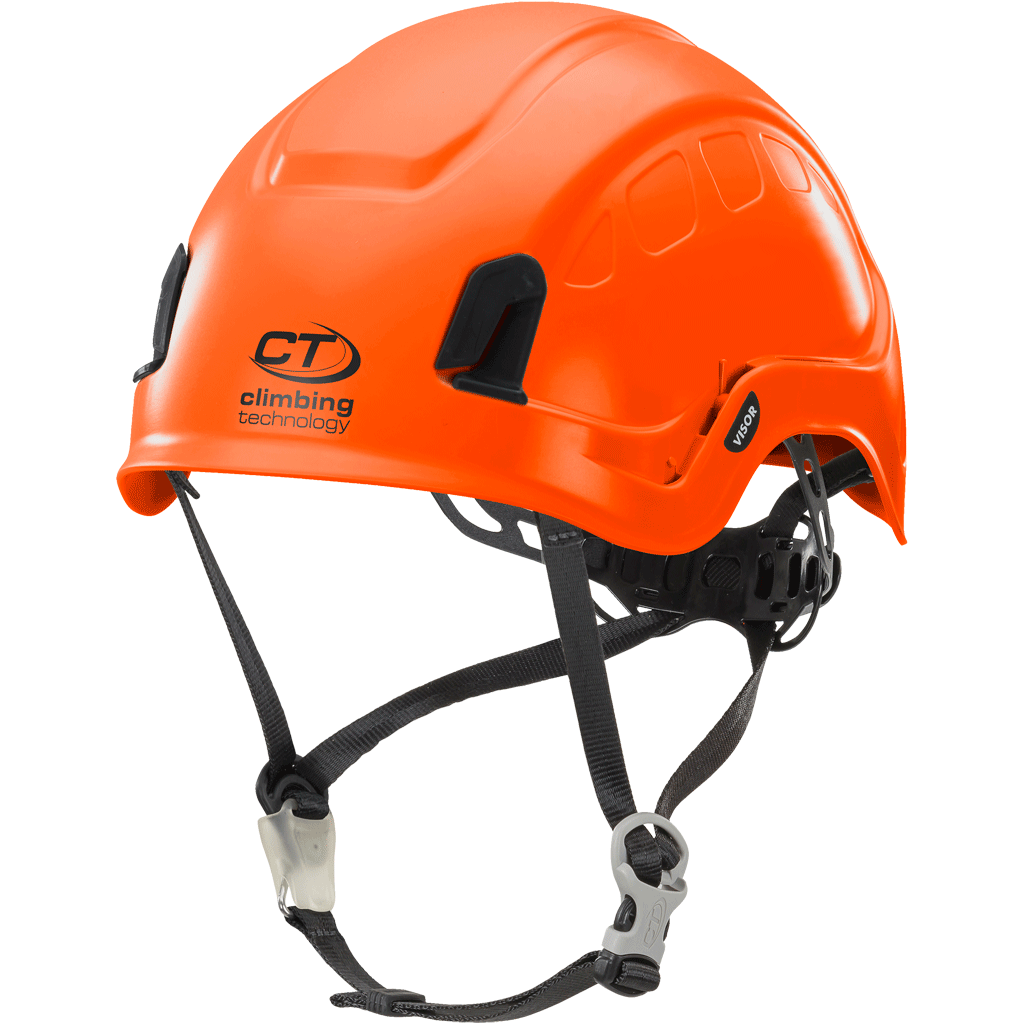
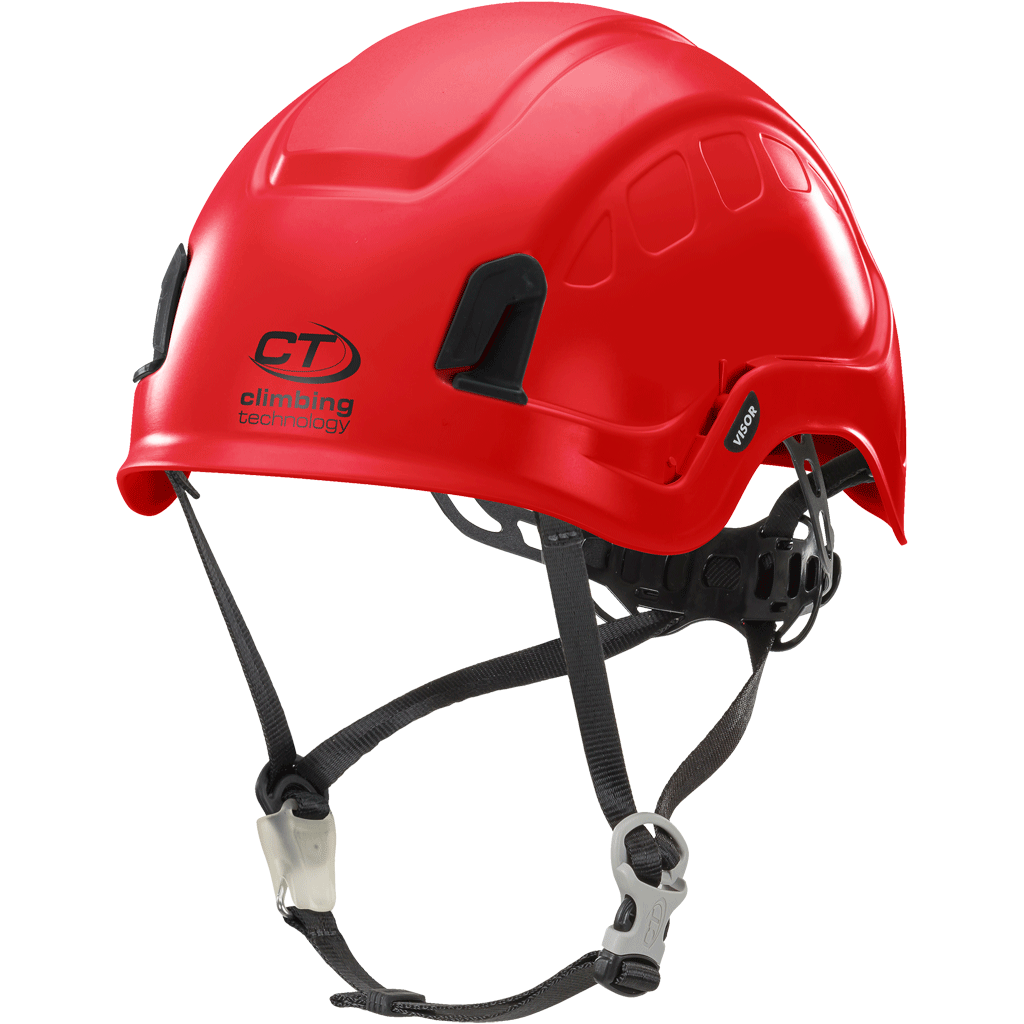
At SecureHeights, we supply a comprehensive range of head protection products from trusted brands such as 3M, Petzl, DeltaPlus, CAMP Safety, Climbing Technology, and Skylotec. Our selection is designed to support a wide variety of applications, helping teams implement reliable and consistent head protection safety equipment across different industries.
Designed for Real Working Conditions
Modern protective headwear must balance durability, comfort, and compatibility with other PPE. Equipment that is uncomfortable or difficult to integrate with additional items may reduce user compliance, particularly during long shifts.
Our range of head protection equipment includes solutions that are lightweight, adjustable, and designed for continuous use. From basic protection against minor impacts to advanced options for high-risk environments, each solution is developed to deliver reliable performance in real working conditions.
Head impact protection is a critical factor on the job site. Items such as helmets and bump caps are designed to absorb and distribute force, helping reduce injury from falling tools, debris, or contact with fixed structures.
Suitable for Construction and Industrial Use
Across sectors such as construction, infrastructure, energy, utilities, mining and maintenance, reliable industrial head protection plays a key role in site safety management and helps ensure that workers are protected in environments where risks are constantly changing.
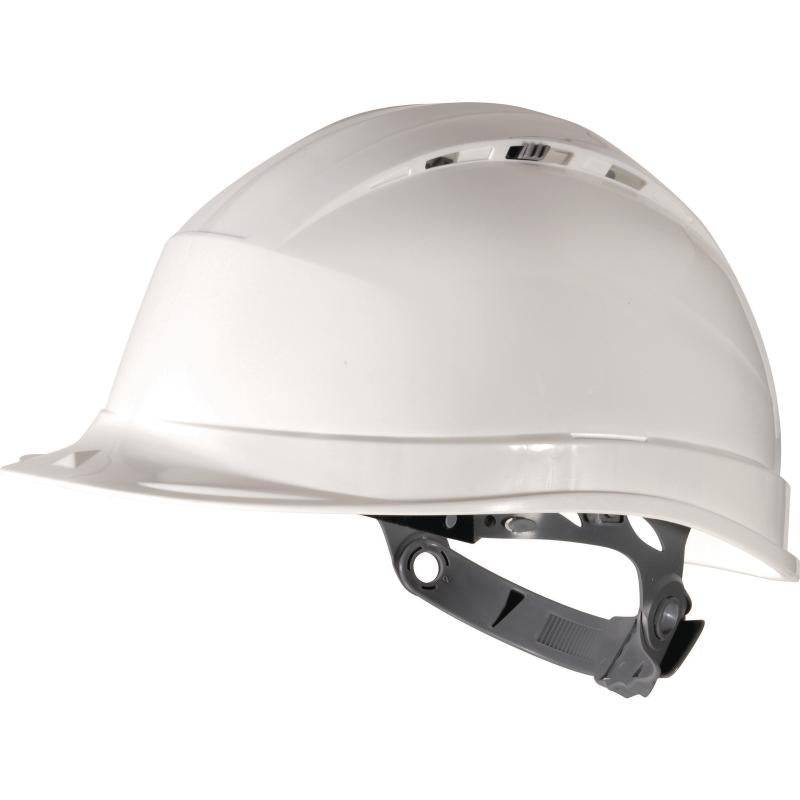
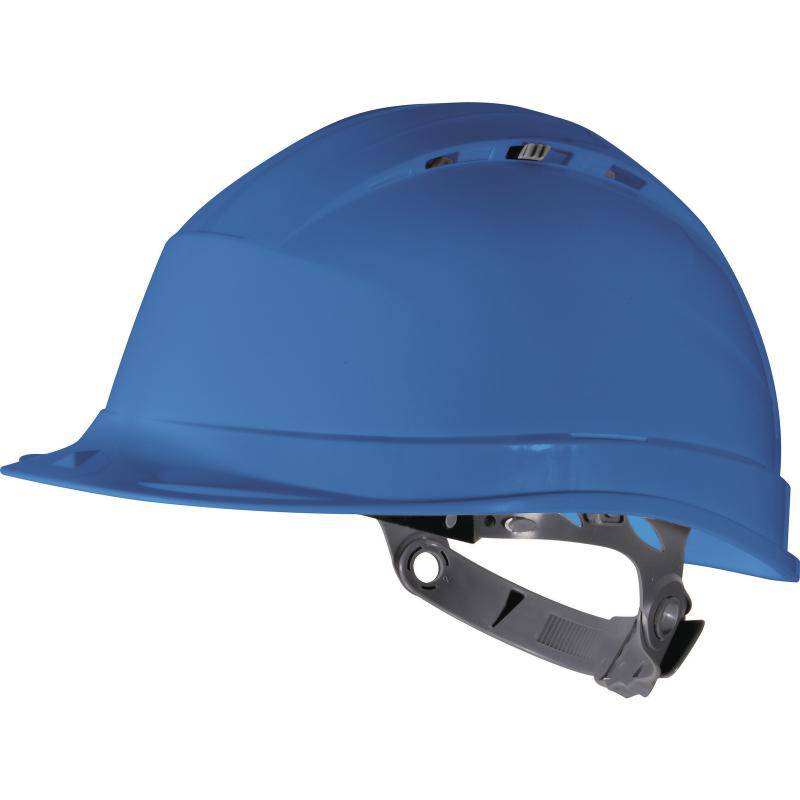
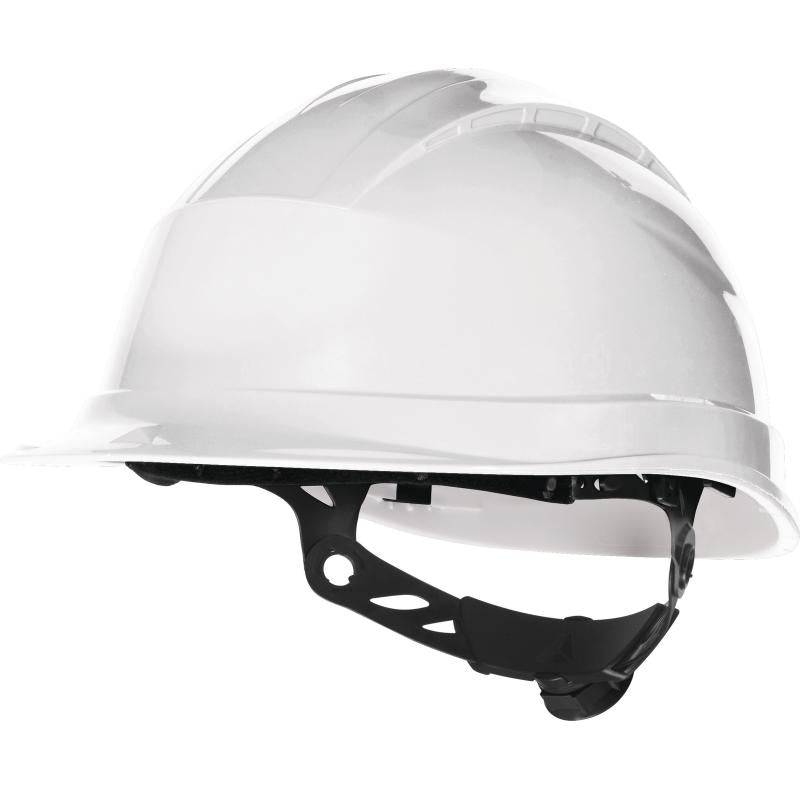
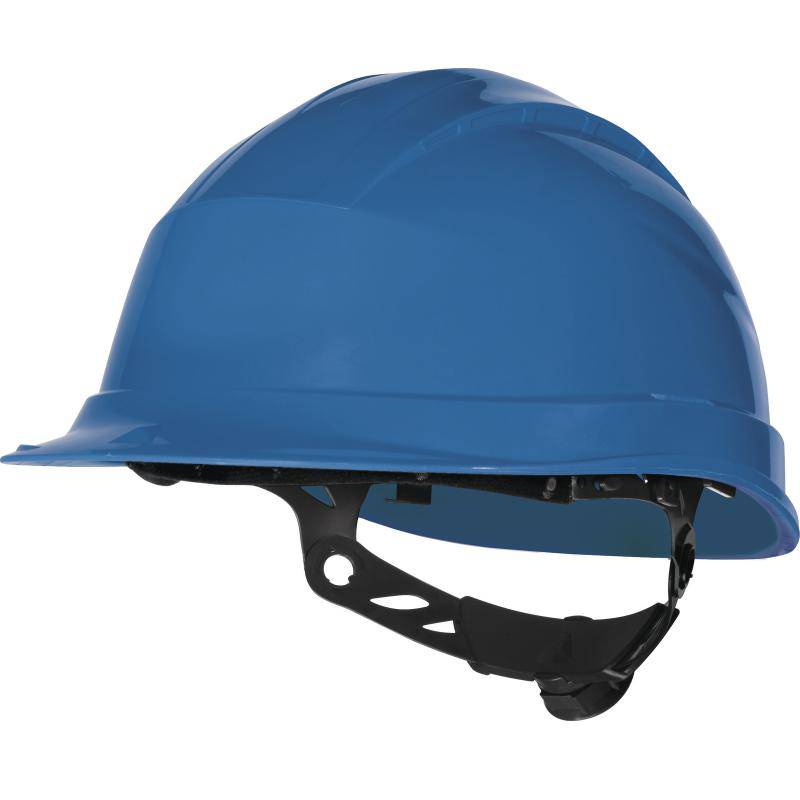
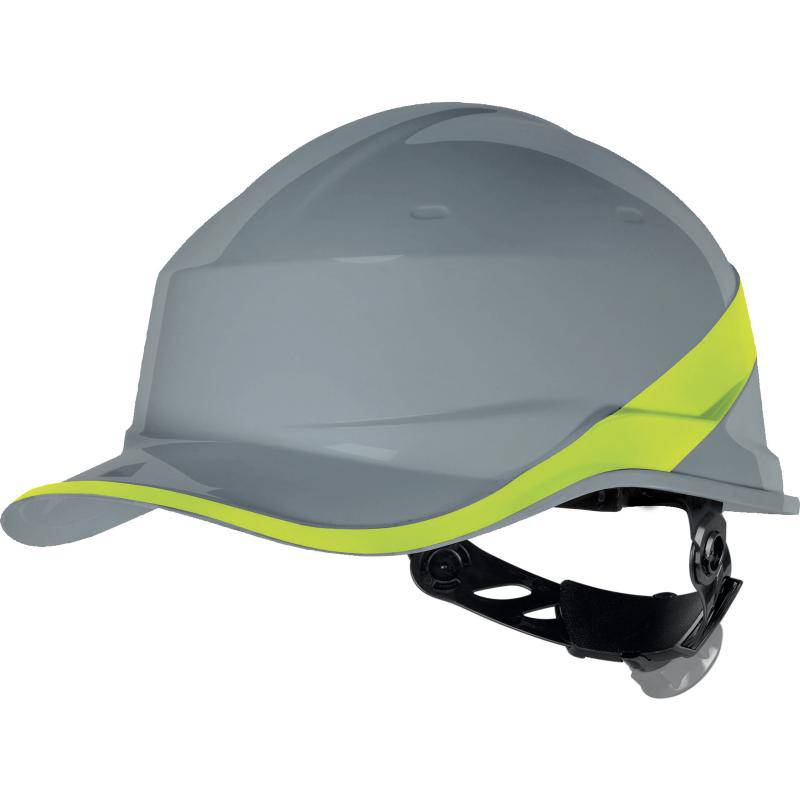
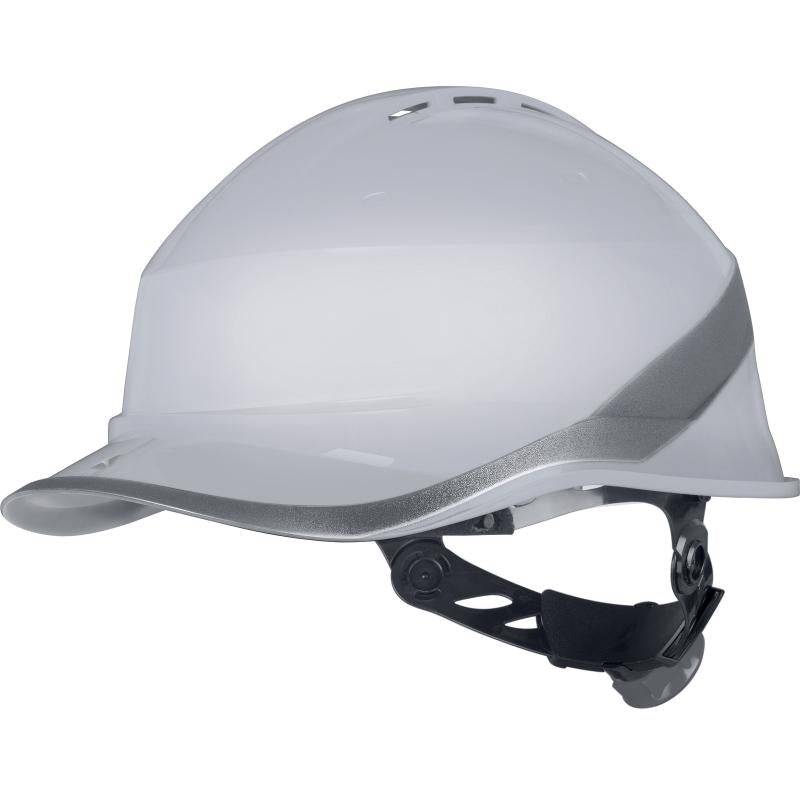
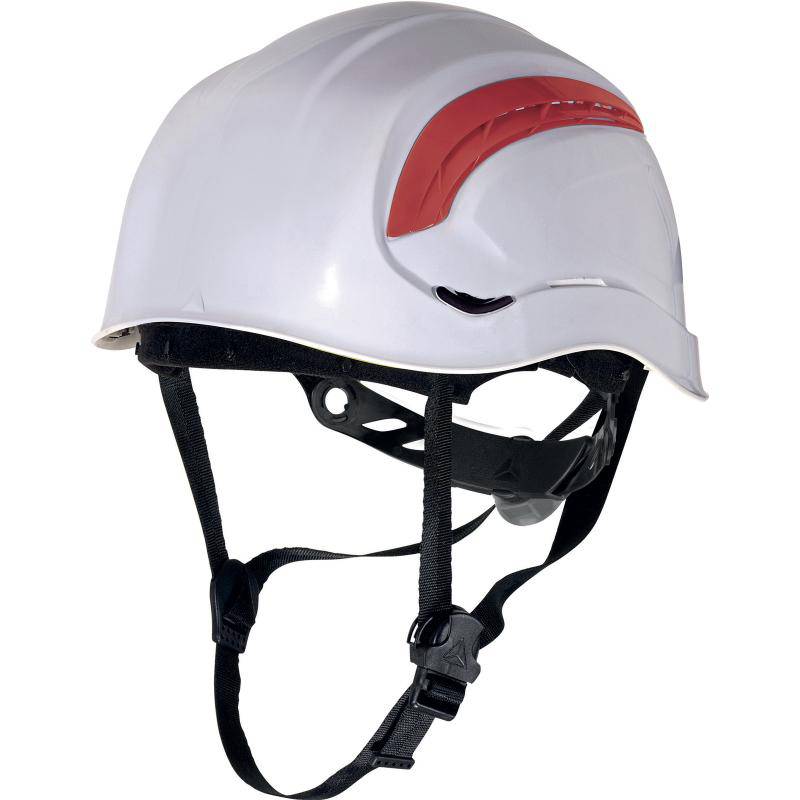
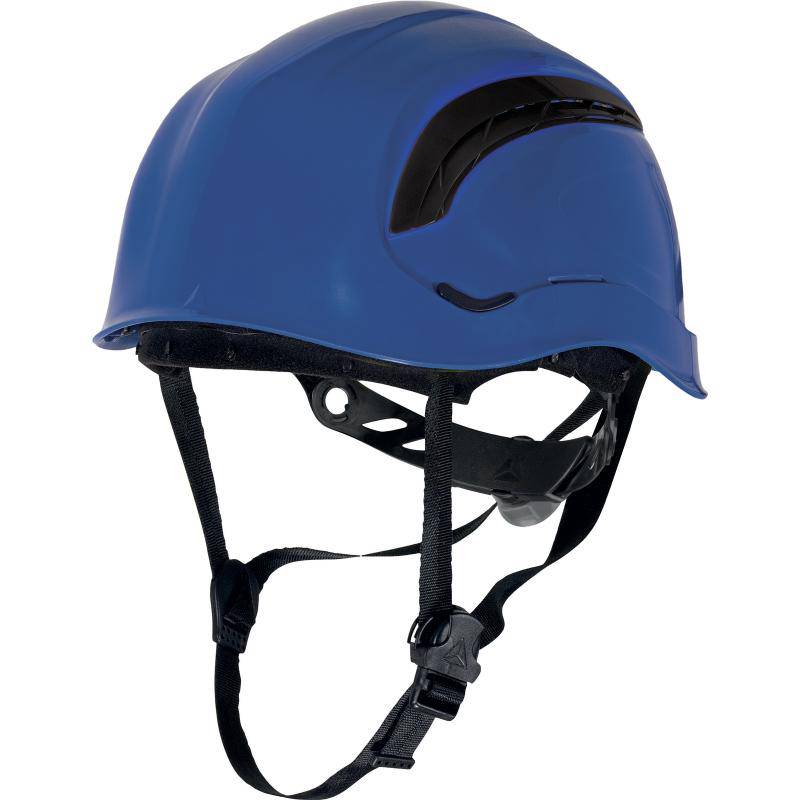
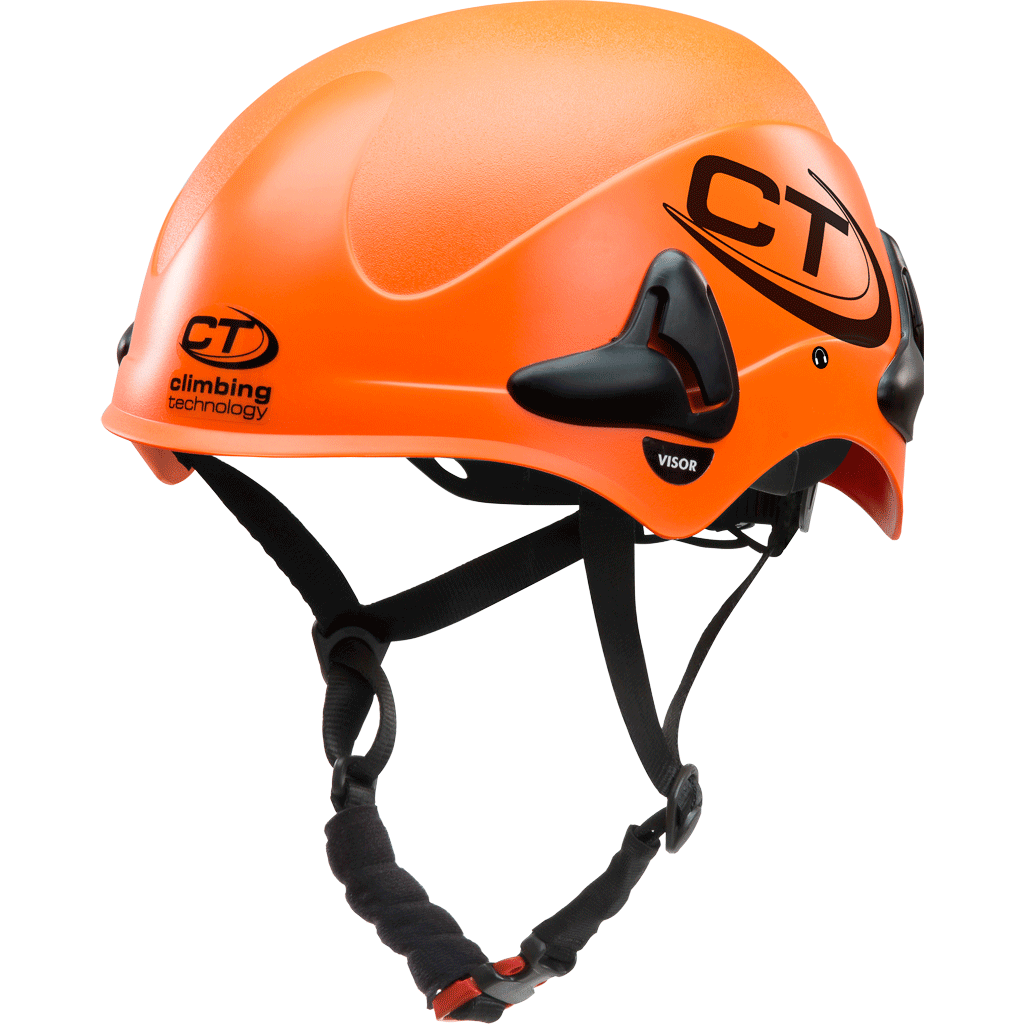
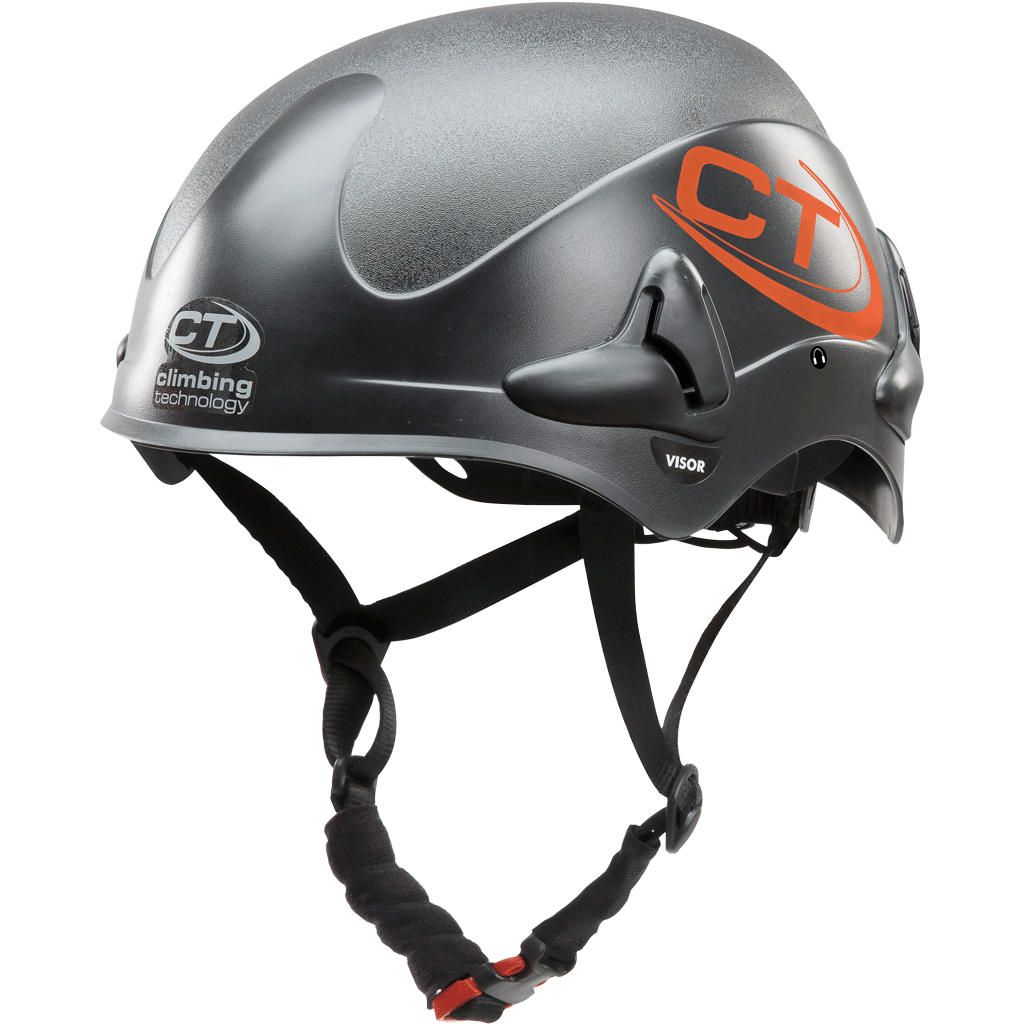
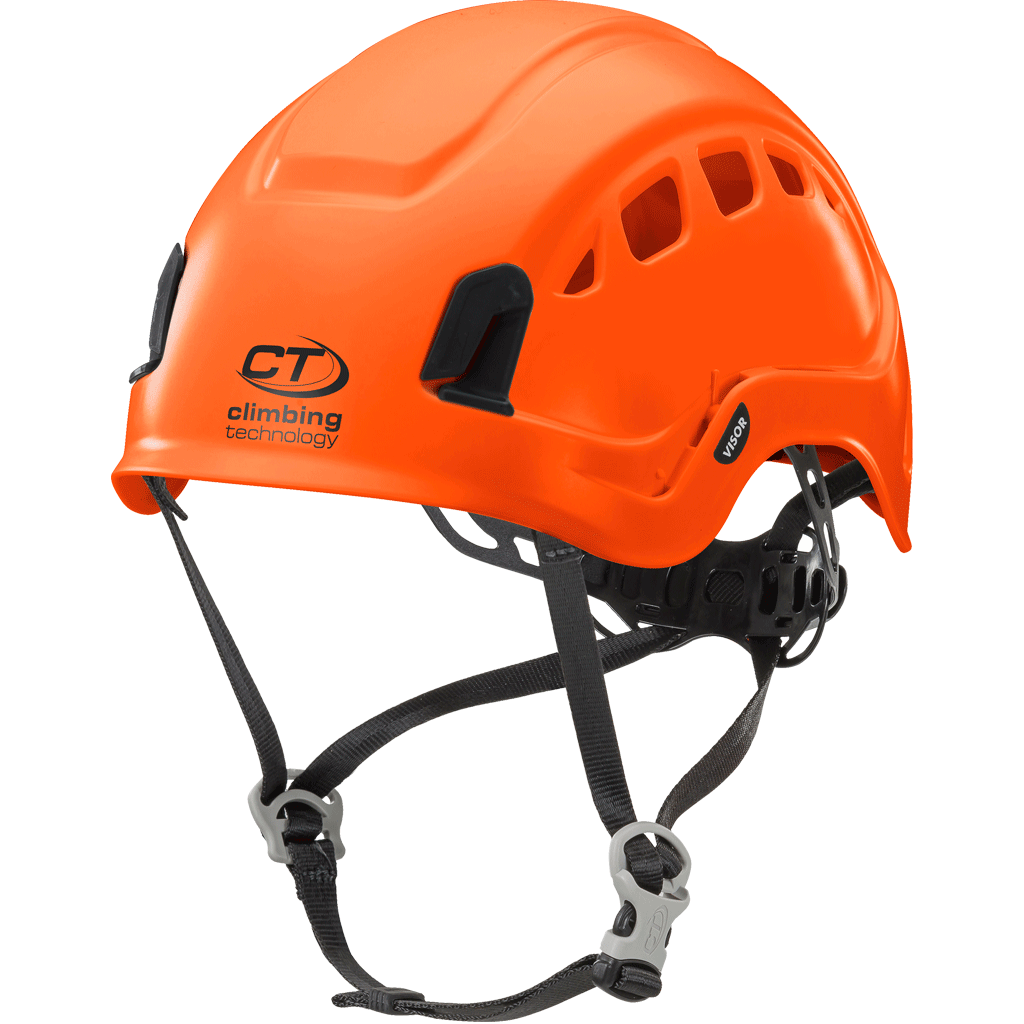
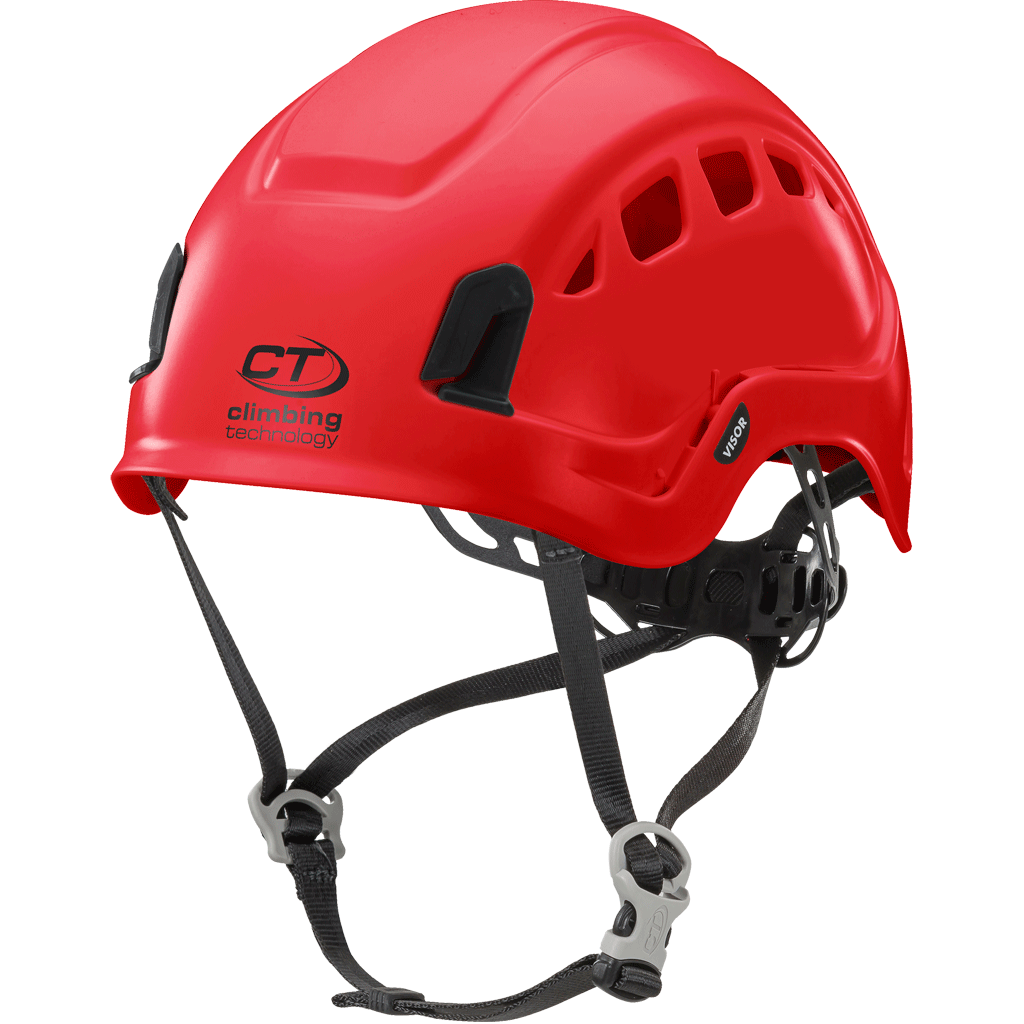
Our range includes a variety of head protection products, from safety helmets and hard hats to lighter bump caps for lower-risk areas. These solutions are commonly used in both outdoor and indoor environments, where overhead hazards or restricted spaces require constant protection.
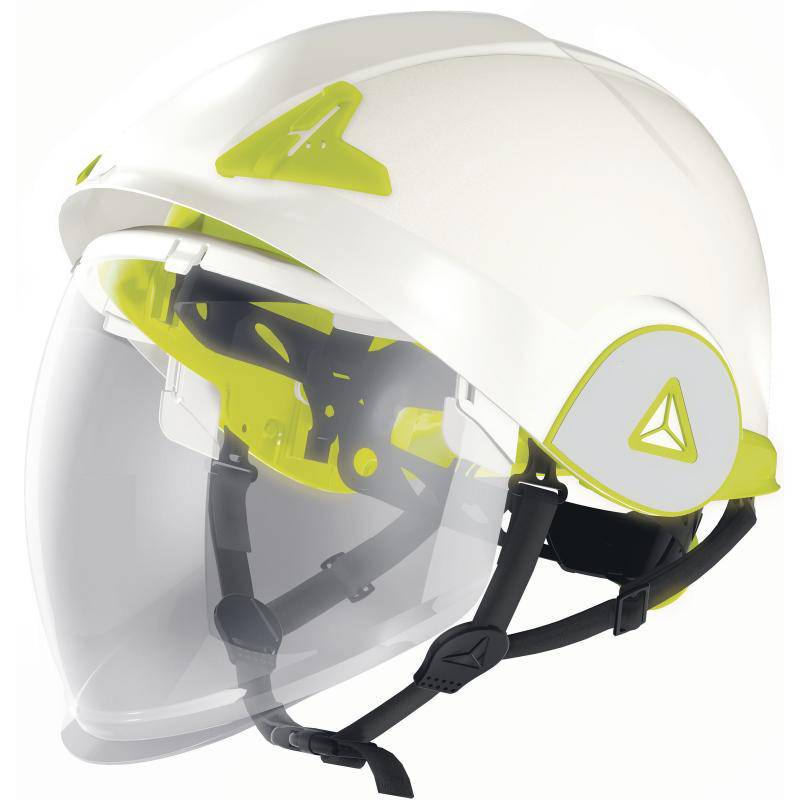
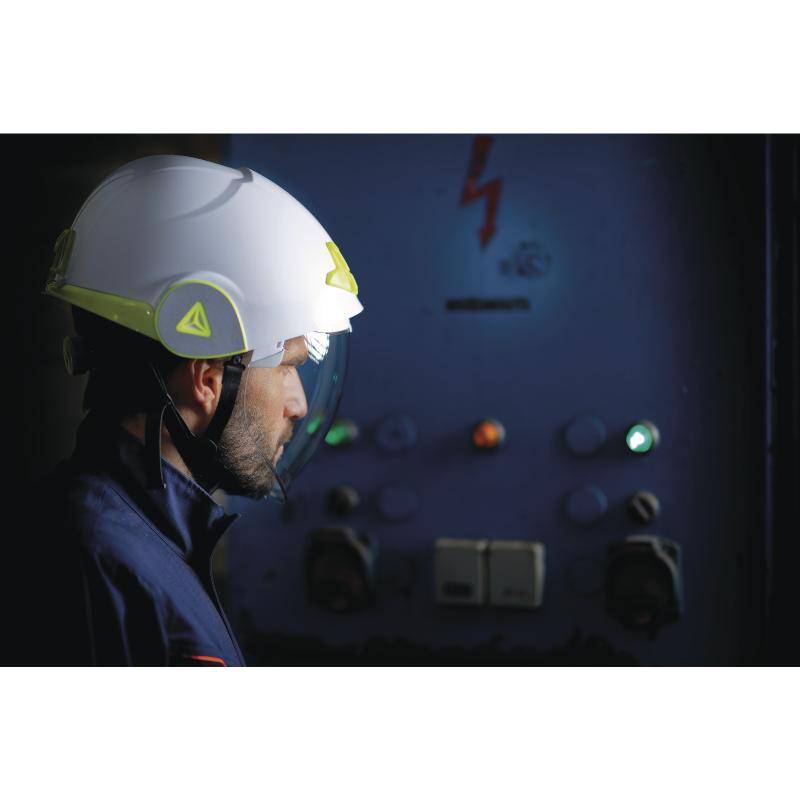
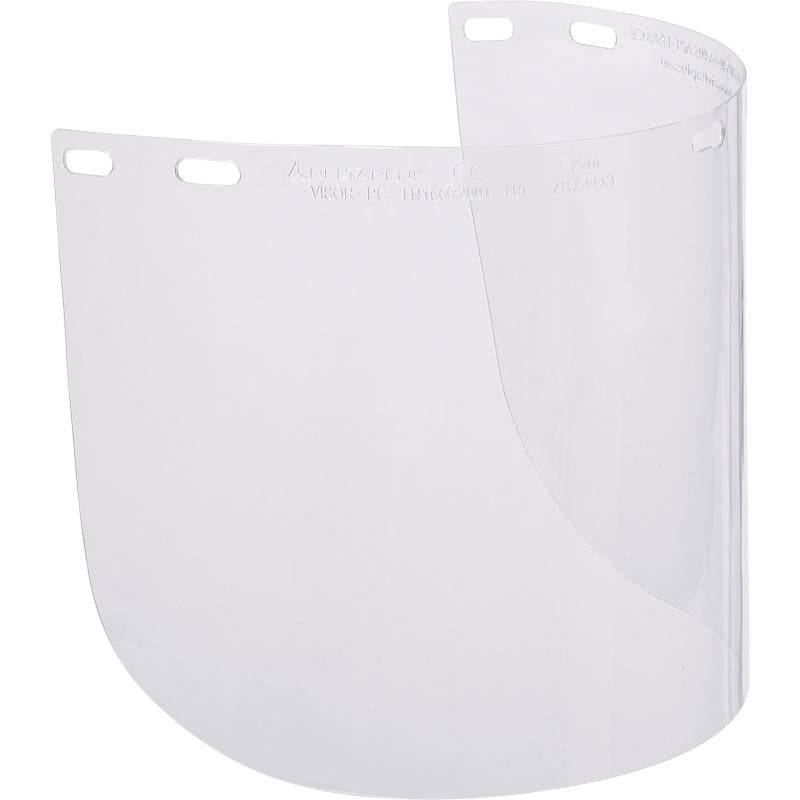
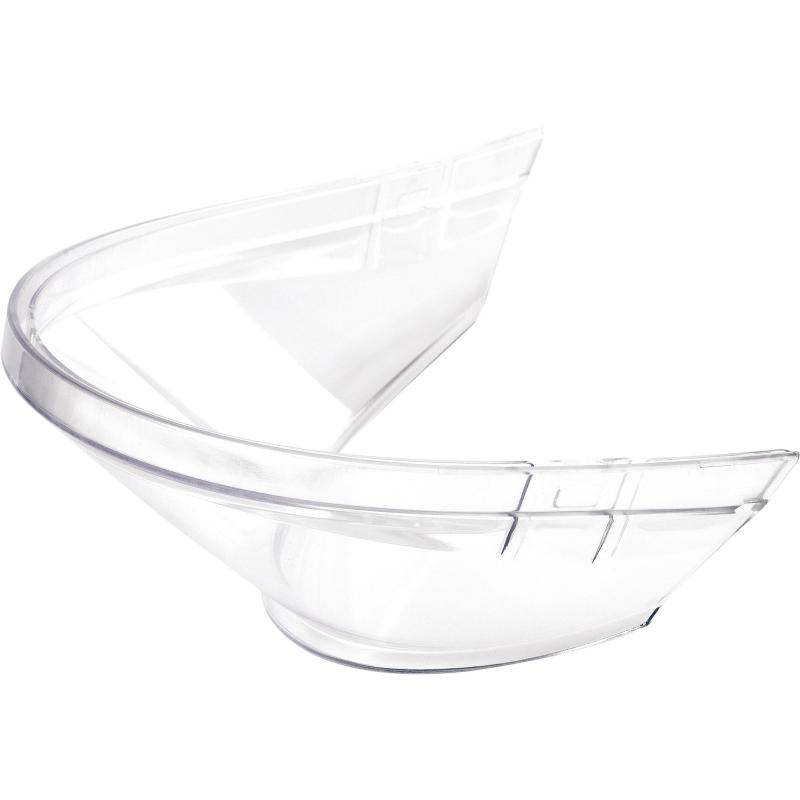
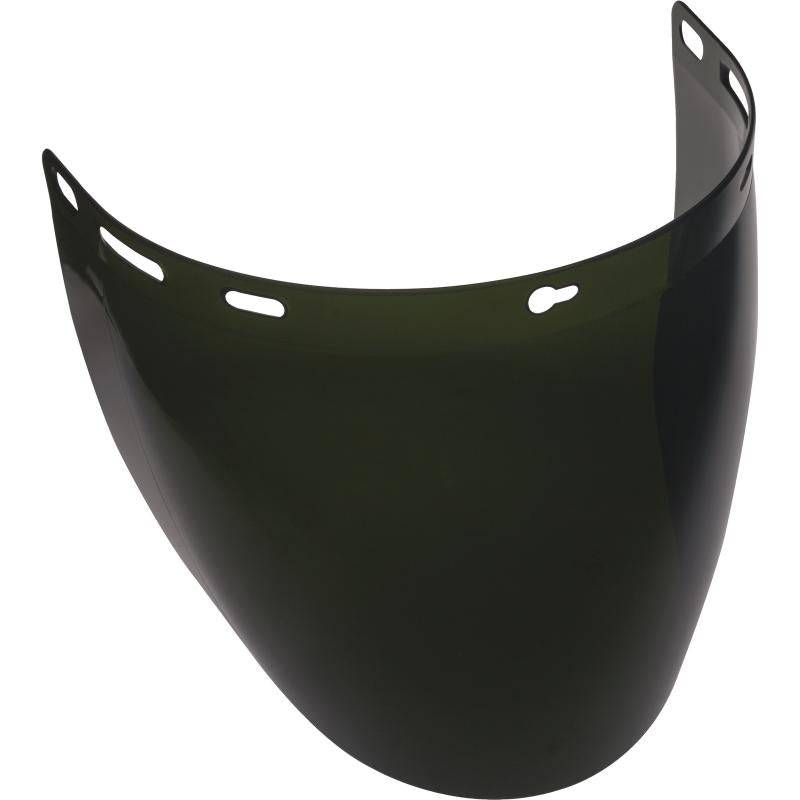
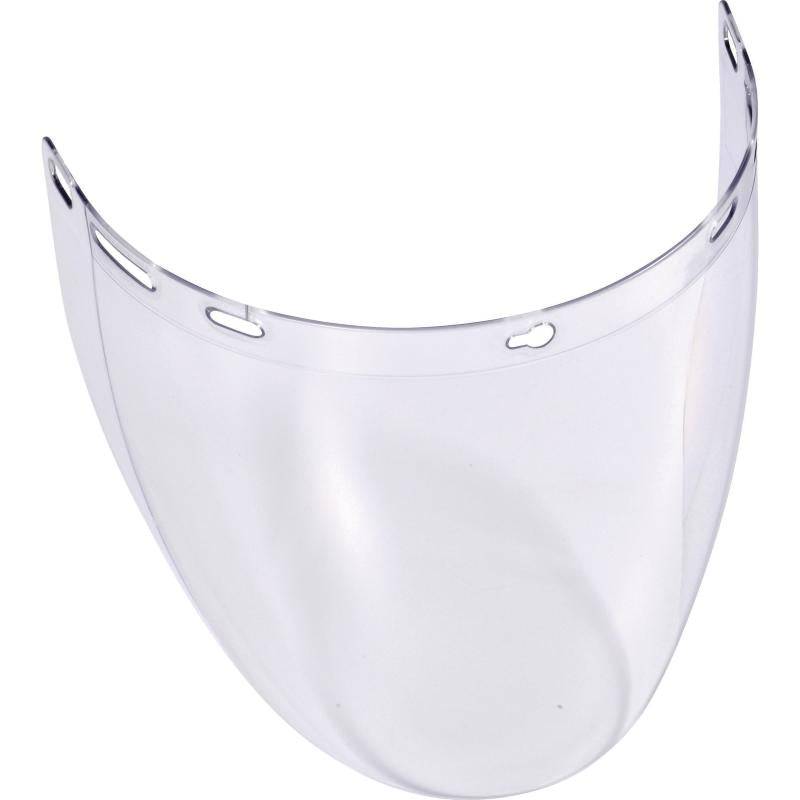
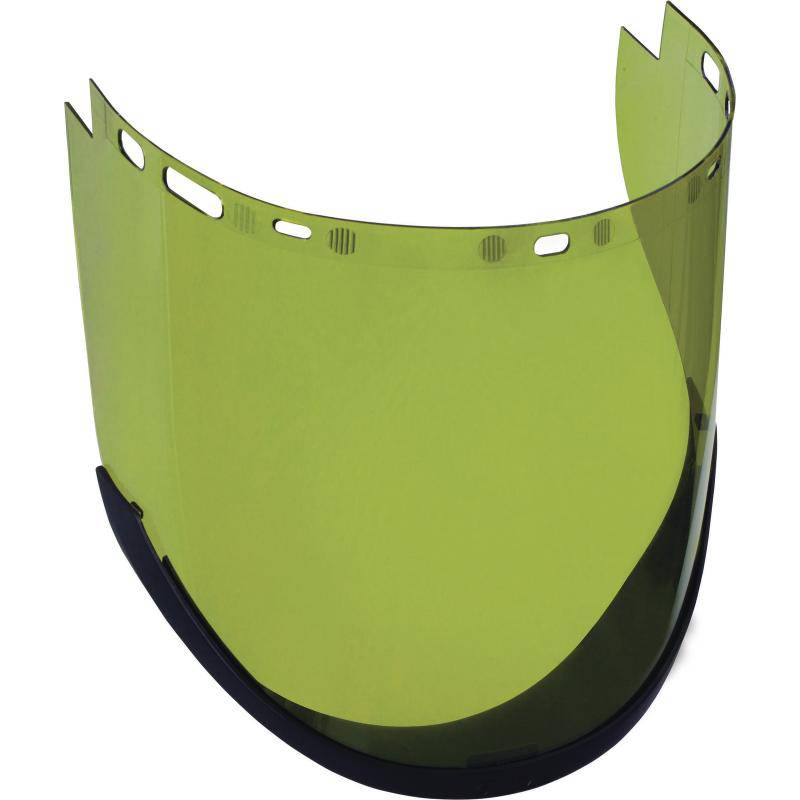
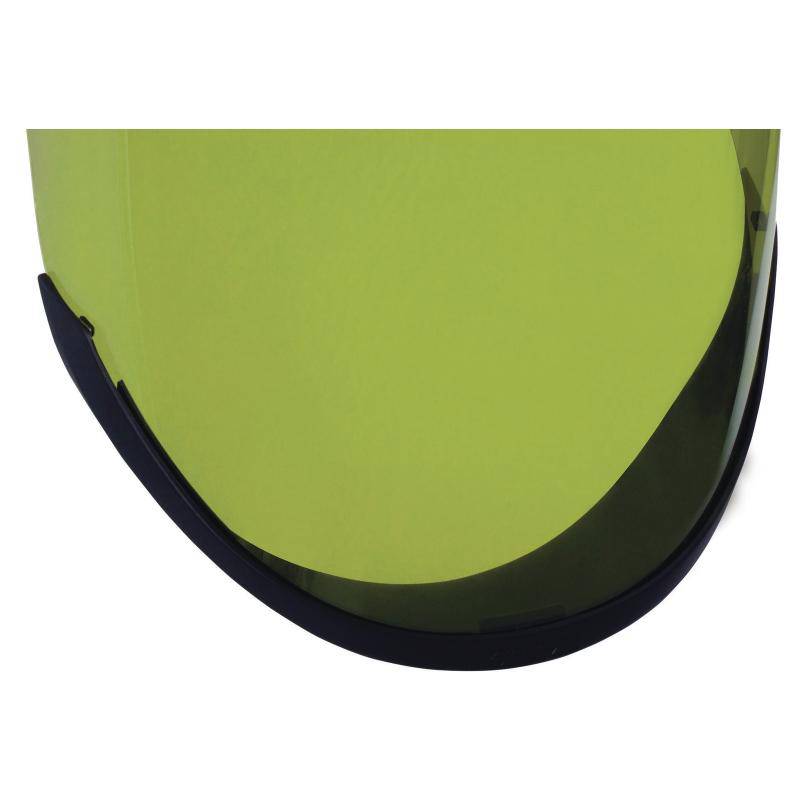
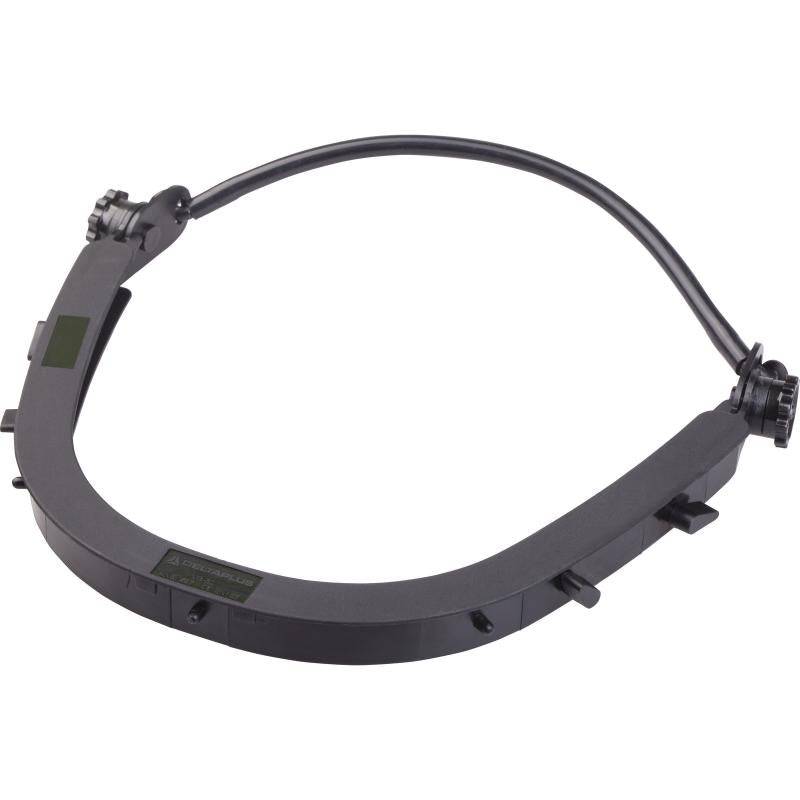
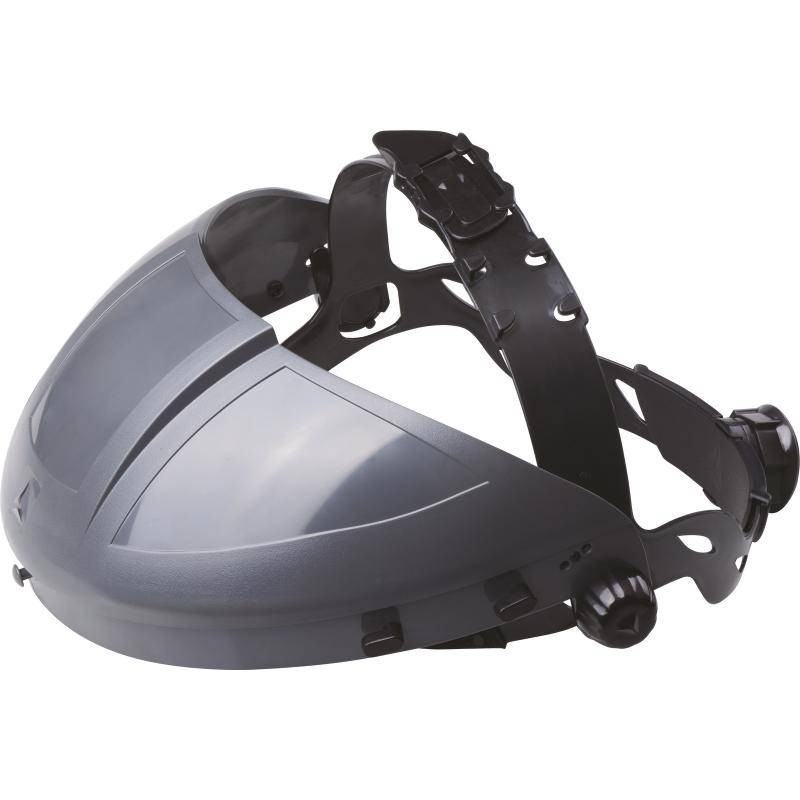
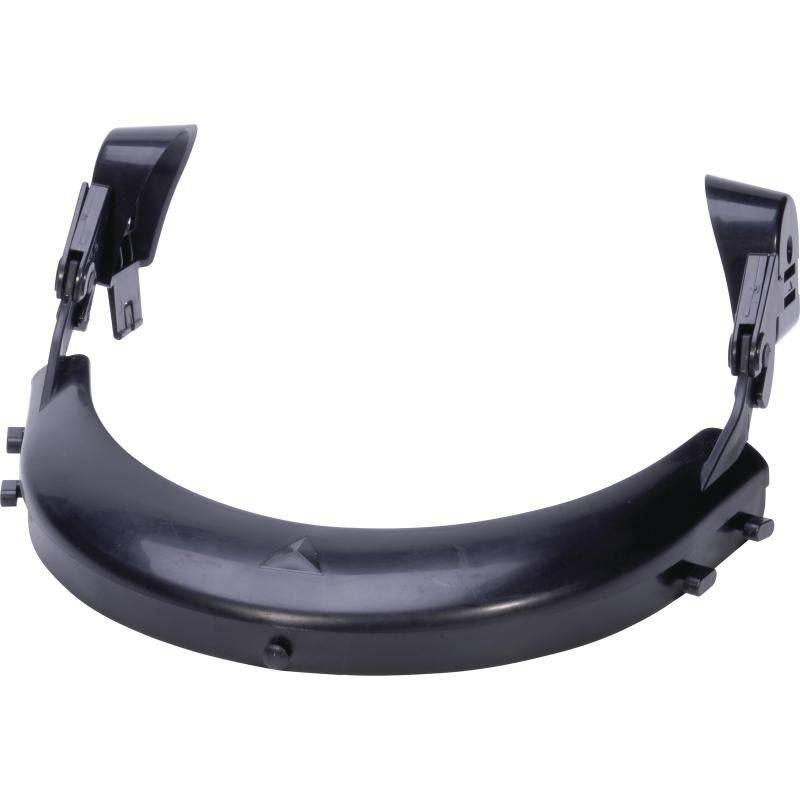
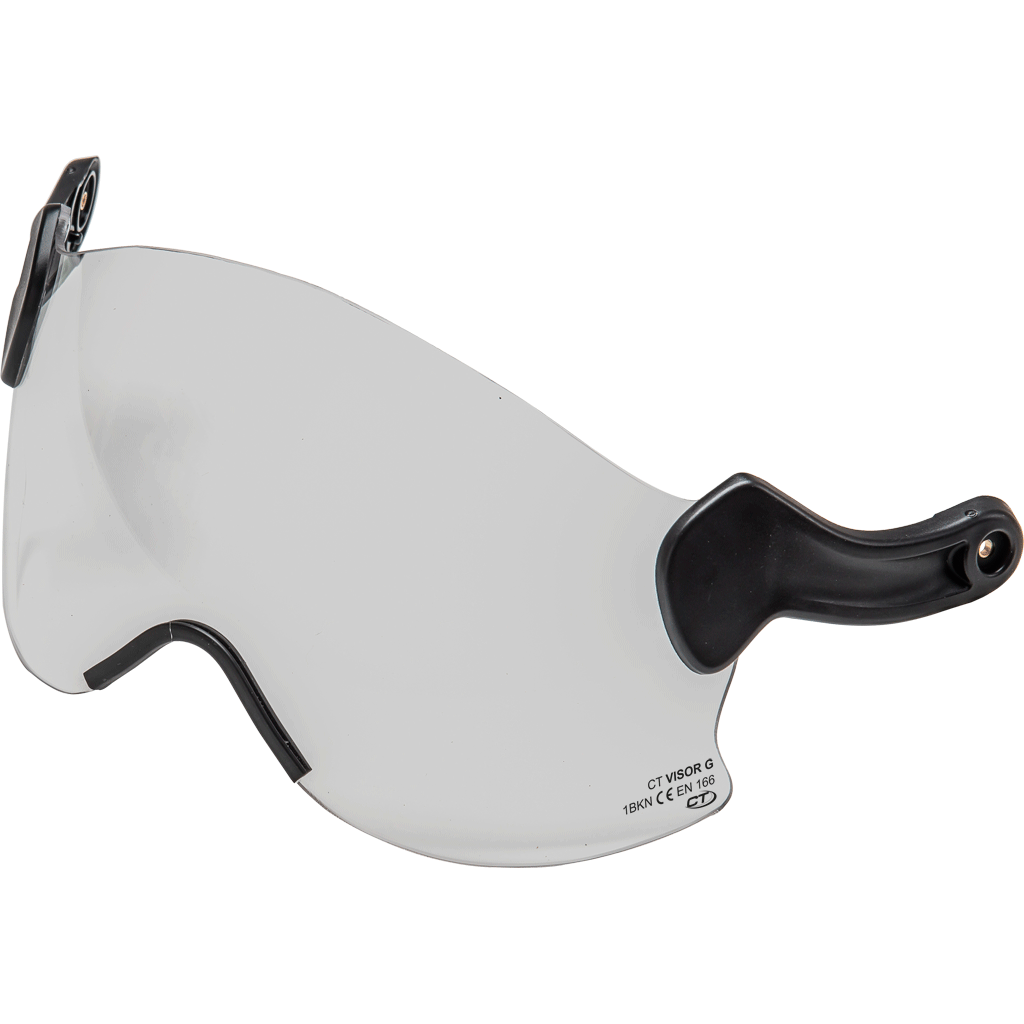
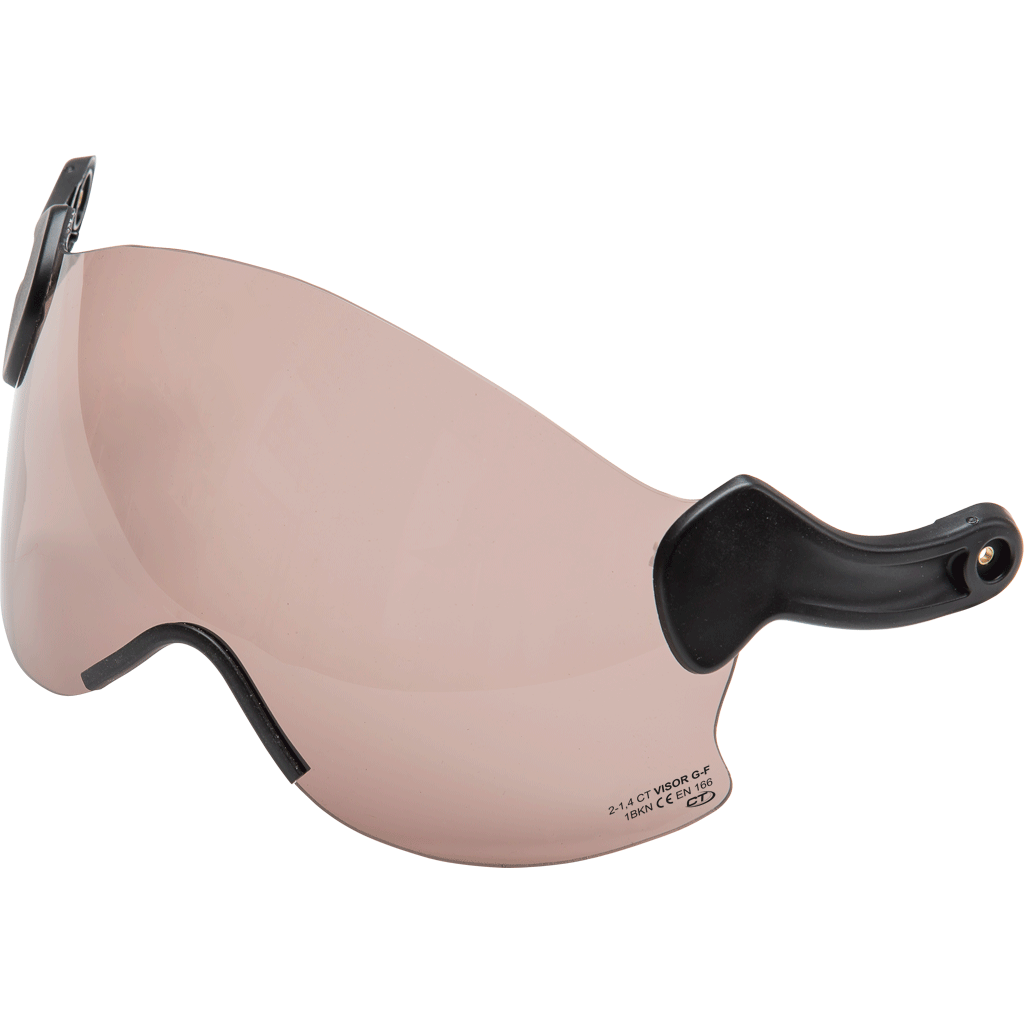
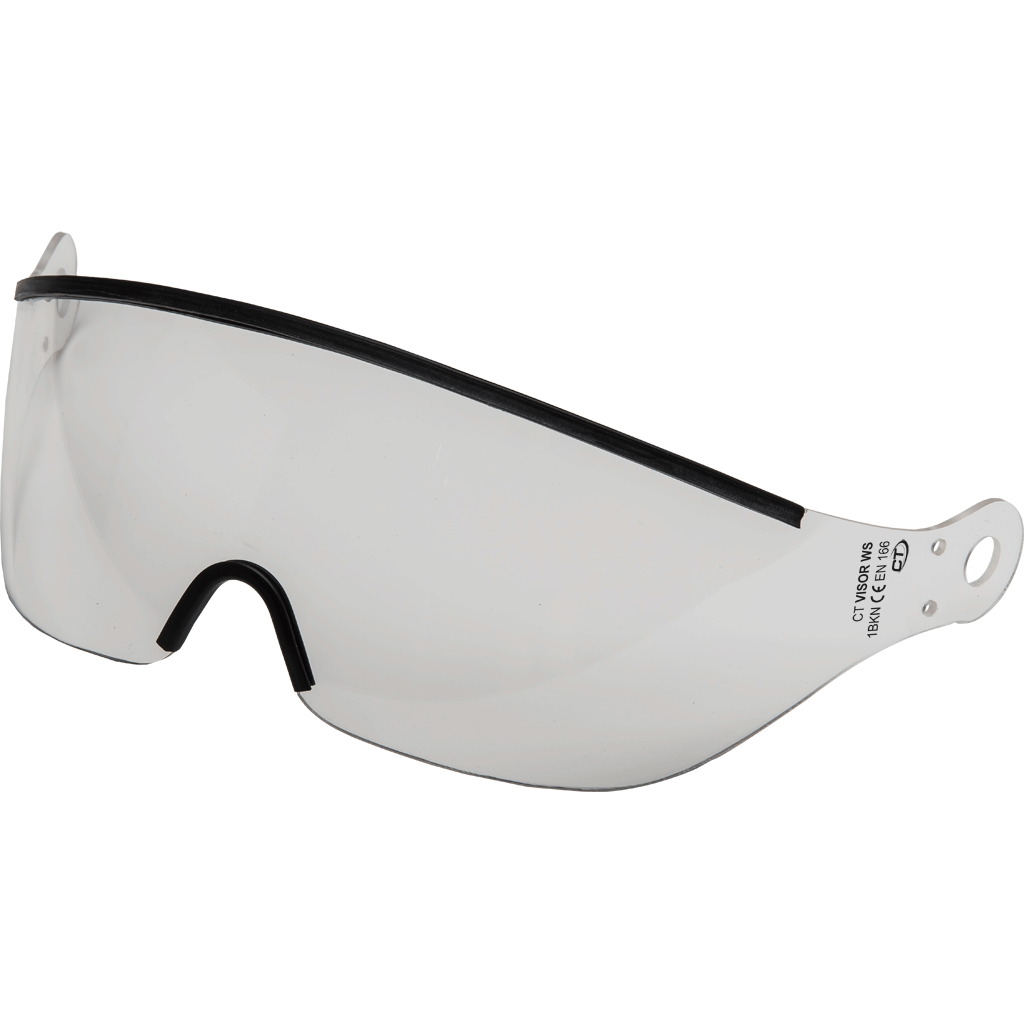
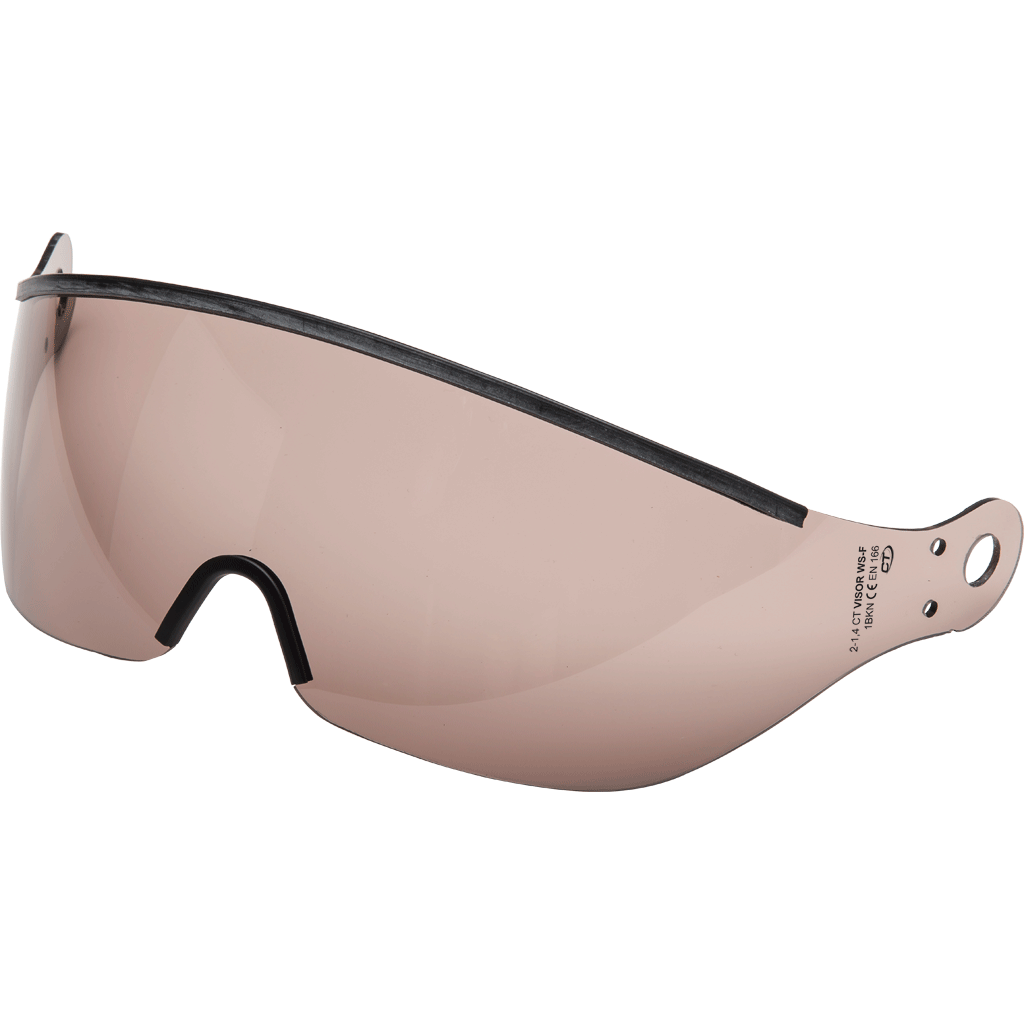
In addition, integrated systems such as visors and mounting accessories support extended protection by adding facial coverage to helmet-based solutions.
Head Protection Types & Applications
Selecting the correct solution depends on the working environment, risk level, and required compatibility with other equipment. The table below outlines the main product types available:
| Product Type | Description | Typical Use Case | Key Benefits |
|---|---|---|---|
| Safety Helmets | Primary protection against impact and falling objects | Construction, industrial sites, work at height | High protection, durable design |
| Bump Caps | Lightweight protection against minor bumps and contact hazards | Low-risk environments, confined spaces | Comfortable, lightweight, flexible use |
| Winter Caps / Balaclavas | Thermal layers designed for use under helmets in cold conditions | Outdoor work, low temperatures | Warmth, insulation, improved comfort |
| Face Shields | Additional face protection against debris, sparks, and splashes | Cutting, grinding, high-risk tasks | Extended facial coverage, enhanced protection |
Choosing the Right Head Protection
Selecting appropriate head safety equipment requires consideration of several factors. The level of risk, type of work, and duration of use are all influencing factors.
For high-risk environments, safety helmets provide the highest level of protection against falling objects and impact hazards. In lower-risk scenarios, bump caps may offer sufficient protection while improving comfort and mobility.
Environmental conditions should also be taken into account. Cold weather may require insulated solutions such as winter caps and balaclavas, while high-temperature or physically demanding tasks benefit from ventilated designs. Compatibility with other PPE, such as hearing protection or headlamps, is also essential to ensure full performance.
A well-selected solution not only protects against hazards but also supports consistent use, helping maintain overall workplace safety standards.
Supporting Safe and Efficient Operations
Reliable head protection equipment is a key part of any safety strategy. By reducing the risk of injury and supporting compliance with site requirements, these items contribute to more controlled and efficient operations.
From basic protective headwear to more advanced solutions, our range of head protection gear is designed to meet the demands of modern workplaces. These solutions are widely used across construction, infrastructure, manufacturing, industrial and maintenance sectors where head protection is essential.
Buy Head Protection Today
If you are looking to buy head protection that aligns with your operational requirements, explore our full range today. Whether you need safety helmets, bump caps, winter caps or face visors, SecureHeights offers reliable solutions for a wide range of environments.
Browse the collection now and equip your team with reliable head protection equipment designed for safer and more efficient work.