
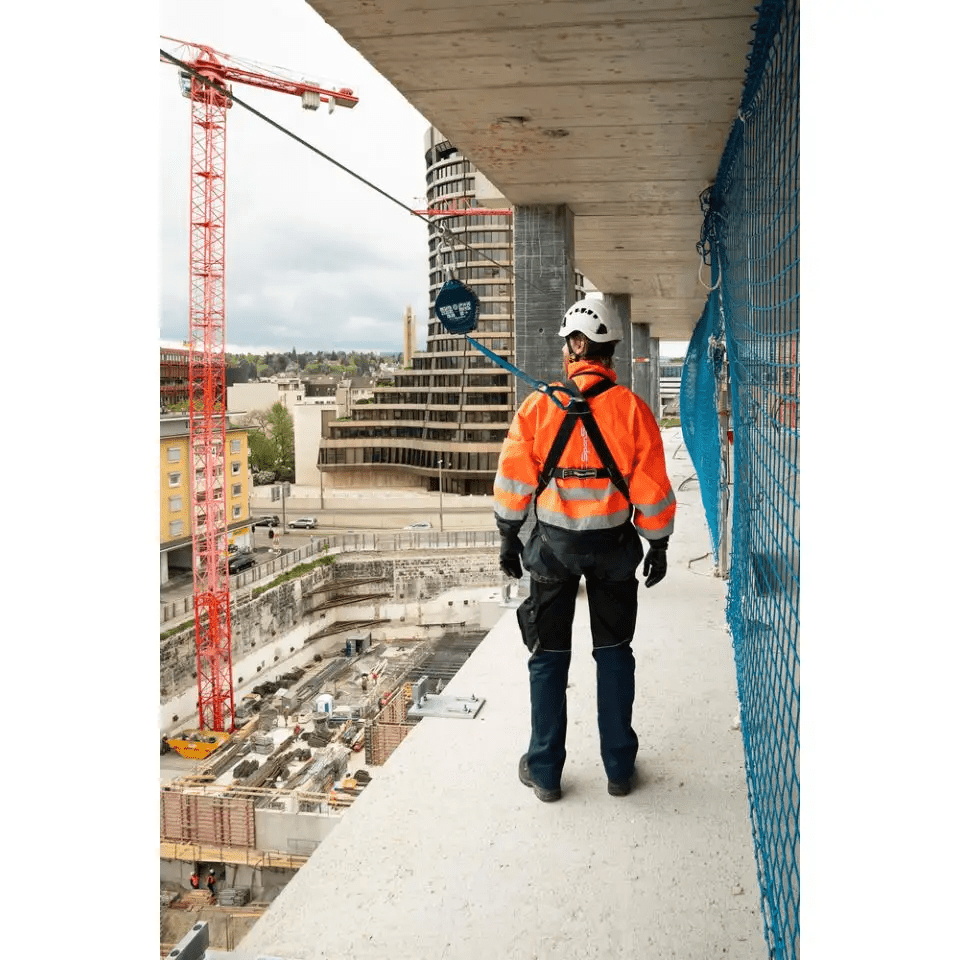
Fall Arrest Blocks / Self Retracting Lifelines

5 products

Showing 1 - 5 of 5 products

Showing 1 - 5 of 5 products
View
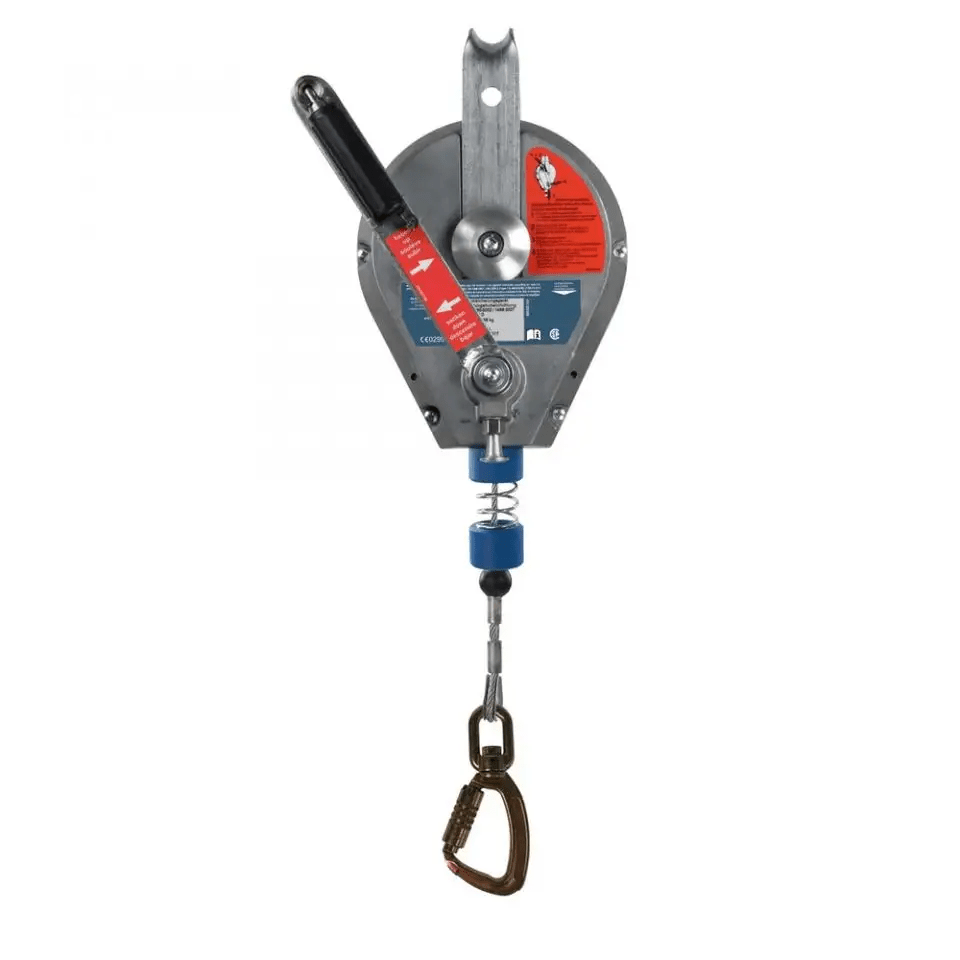
SpanSet Saverline Self Retracting Lifeline with Recovery Winch 12m-65m - SecureHeightsSpanSet Saverline Self Retracting Lifeline with Recovery Winch 12m-65m - SecureHeights
Sale priceFrom £979.00Inc.VAT

From £815.83Exc.VAT
SpanSet Saverline Self Retracting Lifeline with Recovery Winch 12m-65mSpanSet
Choose options
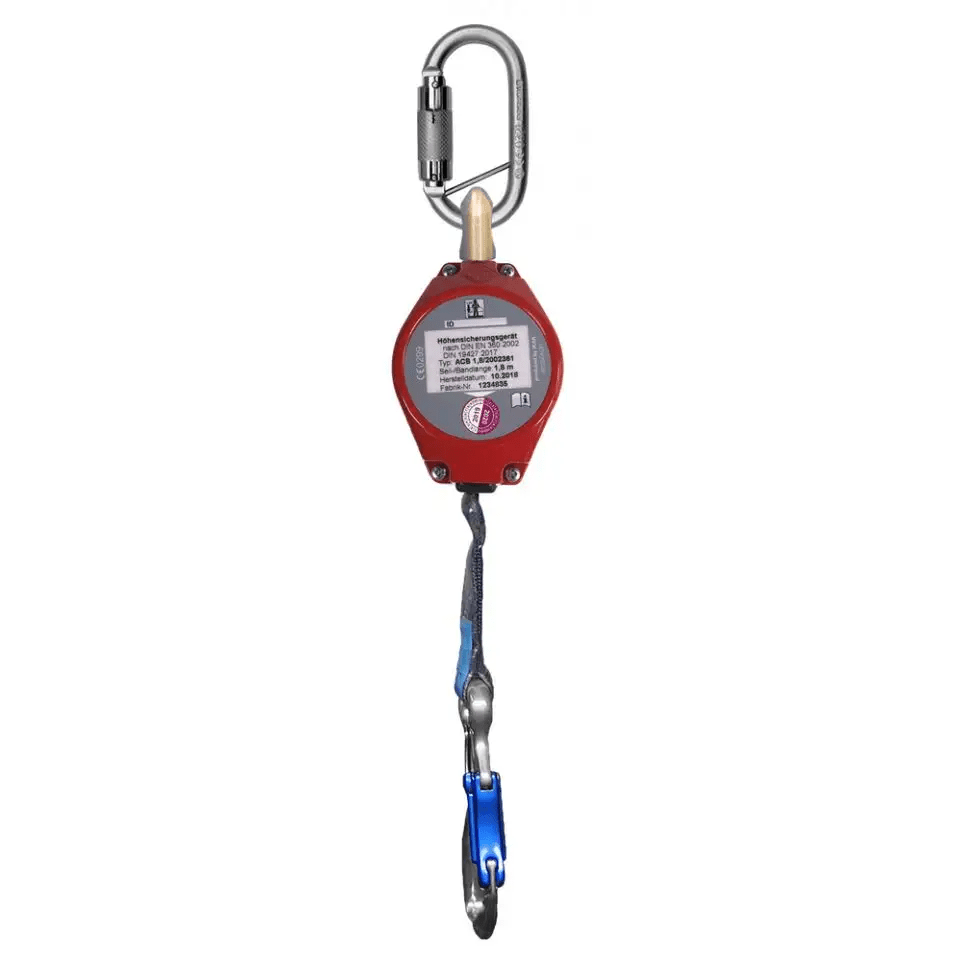
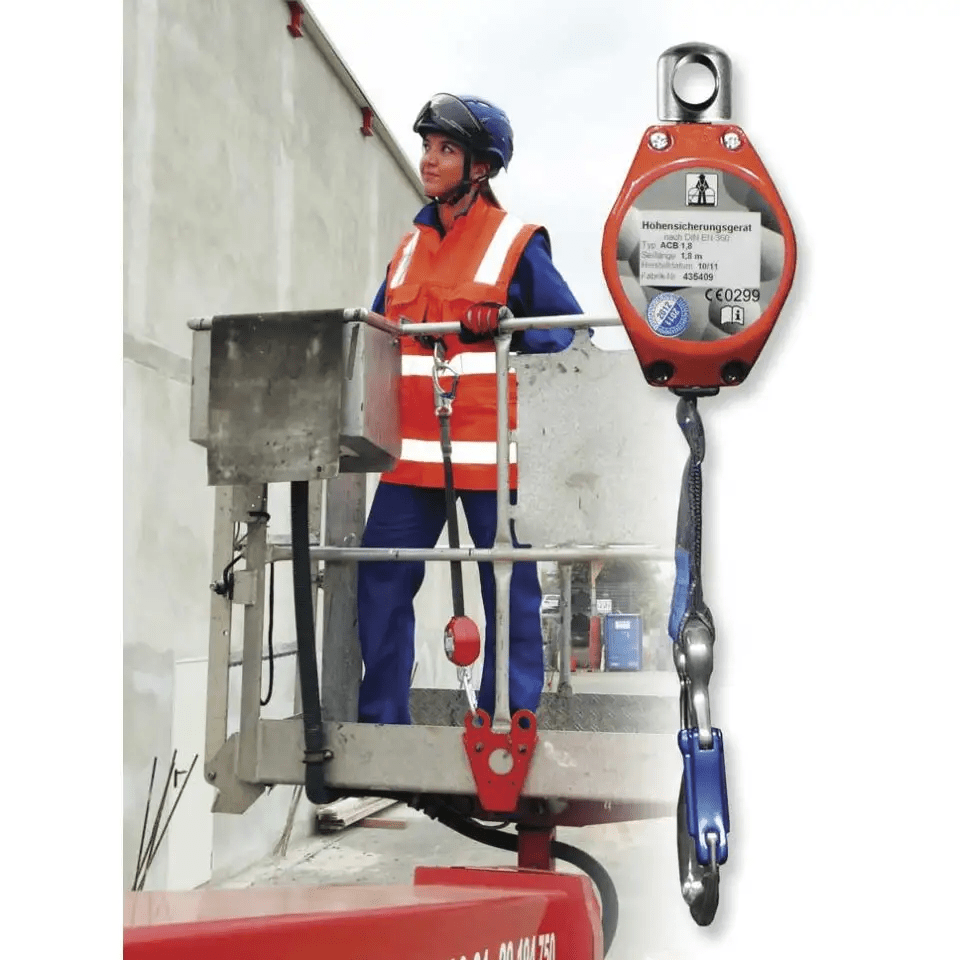
SpanSet Saverline 1.8m MEWP Aluminium Housing Self Retracting Lifeline 2002361 - SecureHeightsSpanSet Saverline 1.8m MEWP Aluminium Housing Self Retracting Lifeline 2002361 - SecureHeights
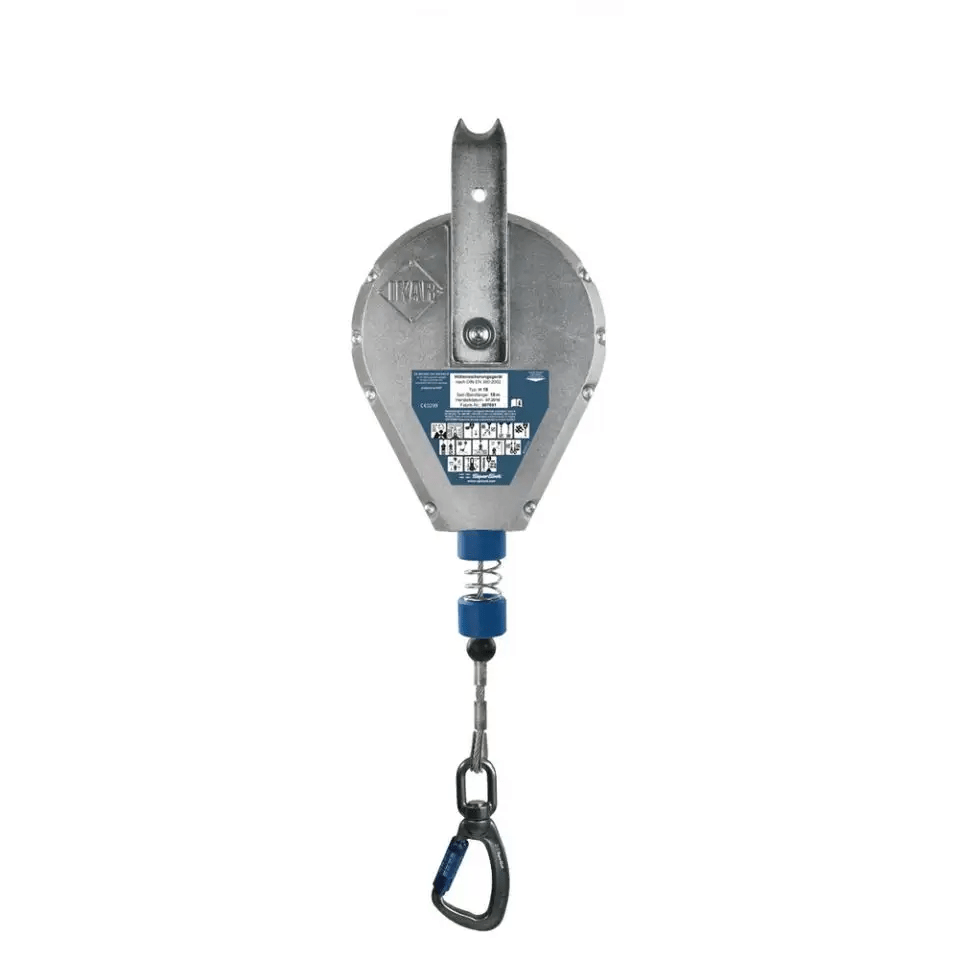
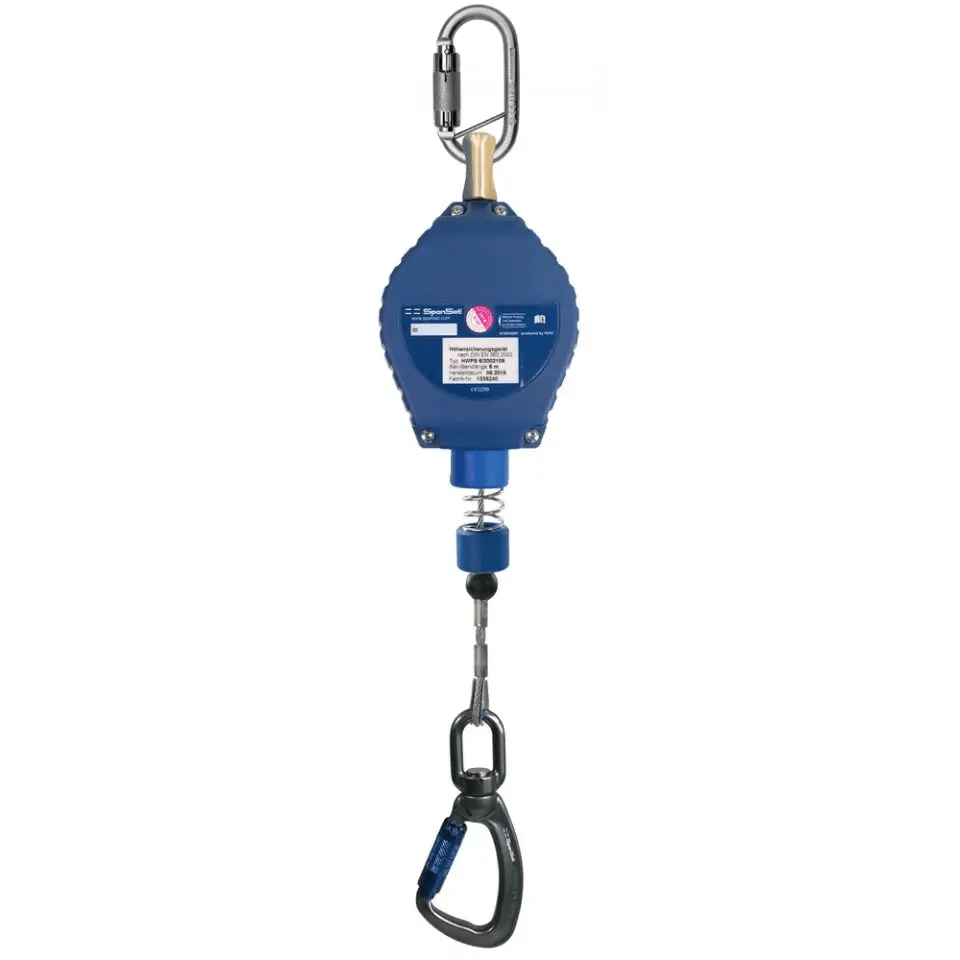
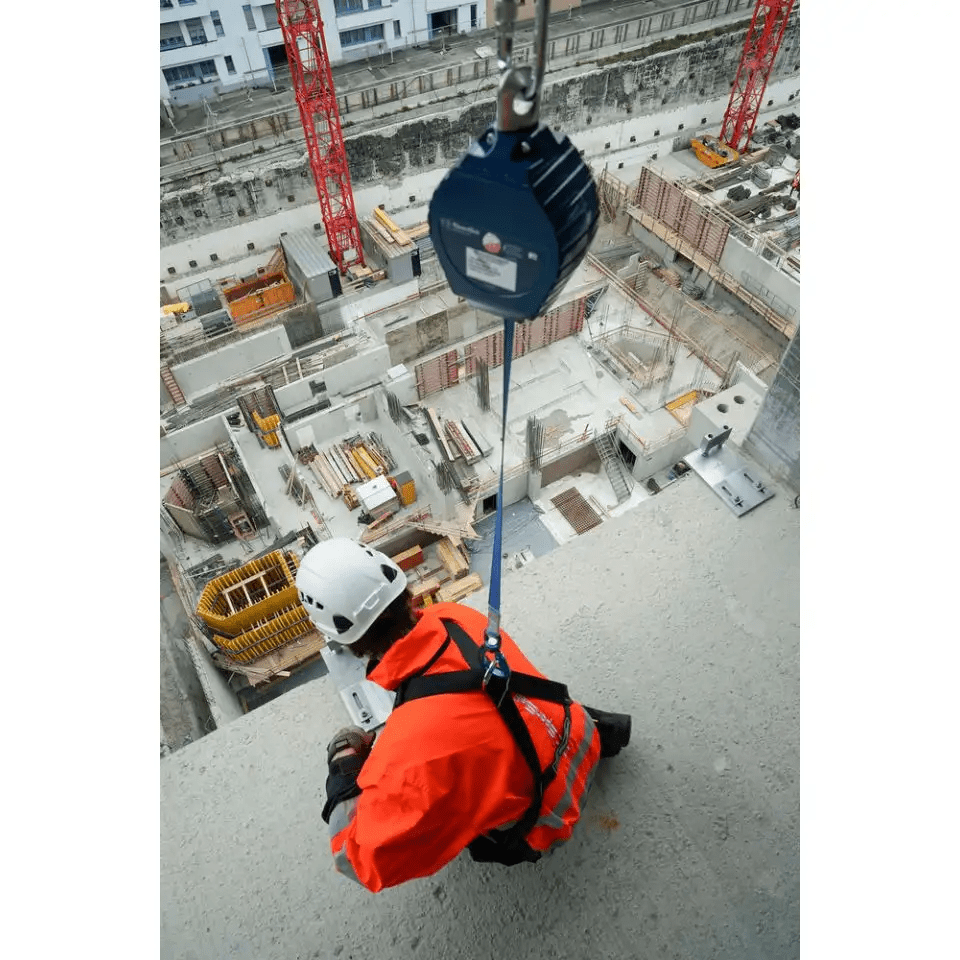
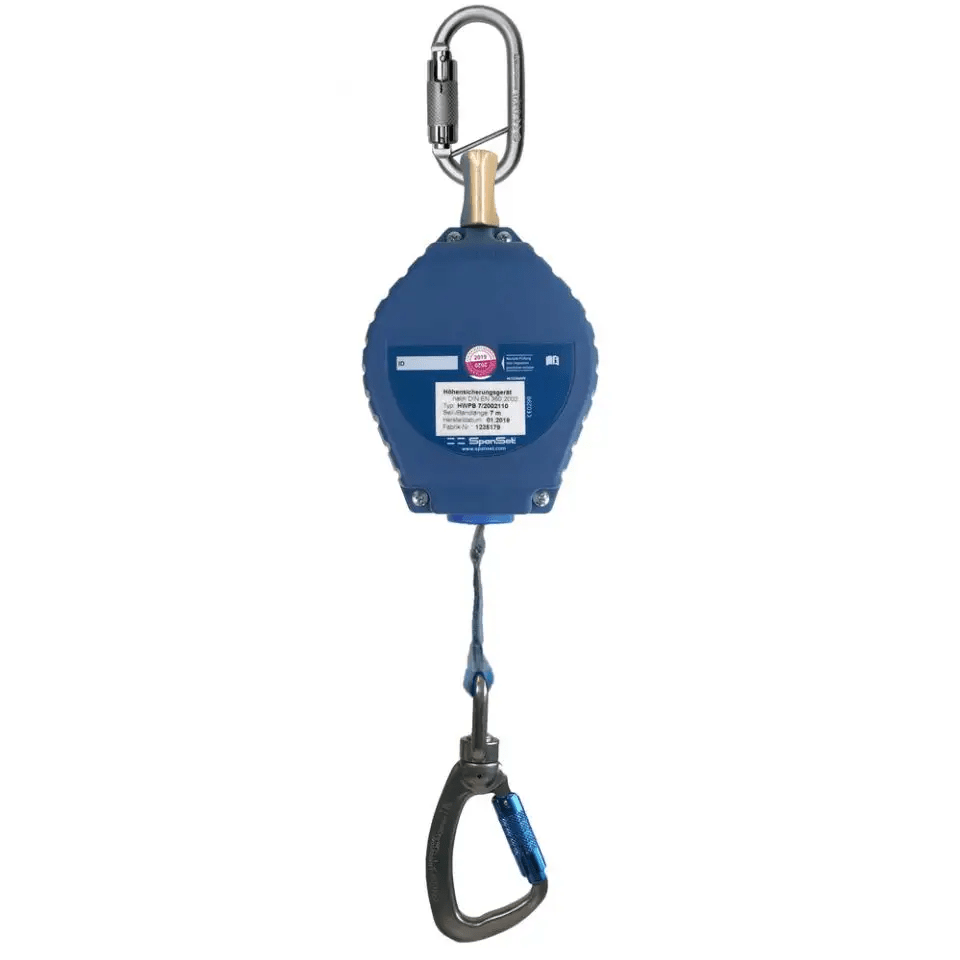
SpanSet Saverline Web Plastic Housing Self Retracting Lifeline 3.5m-12m - SecureHeightsSpanSet Saverline Web Plastic Housing Self Retracting Lifeline 3.5m-12m - SecureHeights
Sale priceFrom £265.00Inc.VAT

From £220.83Exc.VAT
SpanSet Saverline Web Plastic Housing Self Retracting Lifeline 3.5m-12mSpanSet
Choose options

At SecureHeights, we supply industrial-grade solutions selected for reliability, smooth operation, and compliance across construction, manufacturing, general industry, agriculture, utilities, oil and gas, wind energy, solar energy, hydroelectricity, aviation and aerospace, telecommunications, transportation, maritime and defence.

Fall Arrest Blocks & SRLs Selection

Feature Available Options Typical Use Key Benefit
Line Material Galvanised steel cable / Stainless steel cable / Webbing Industrial, offshore, general work at height Suitable for different environments and corrosion resistance
Line Length 1.8m – 65m Low-level work to high-access structures Matches wide range of working height and fall clearance requirements
Device Configuration Standard SRL / Single-leg SRL / Twin-leg SRL / Heavy-duty SRL General work, continuous tie-off, demanding environments Adapts to different working conditions
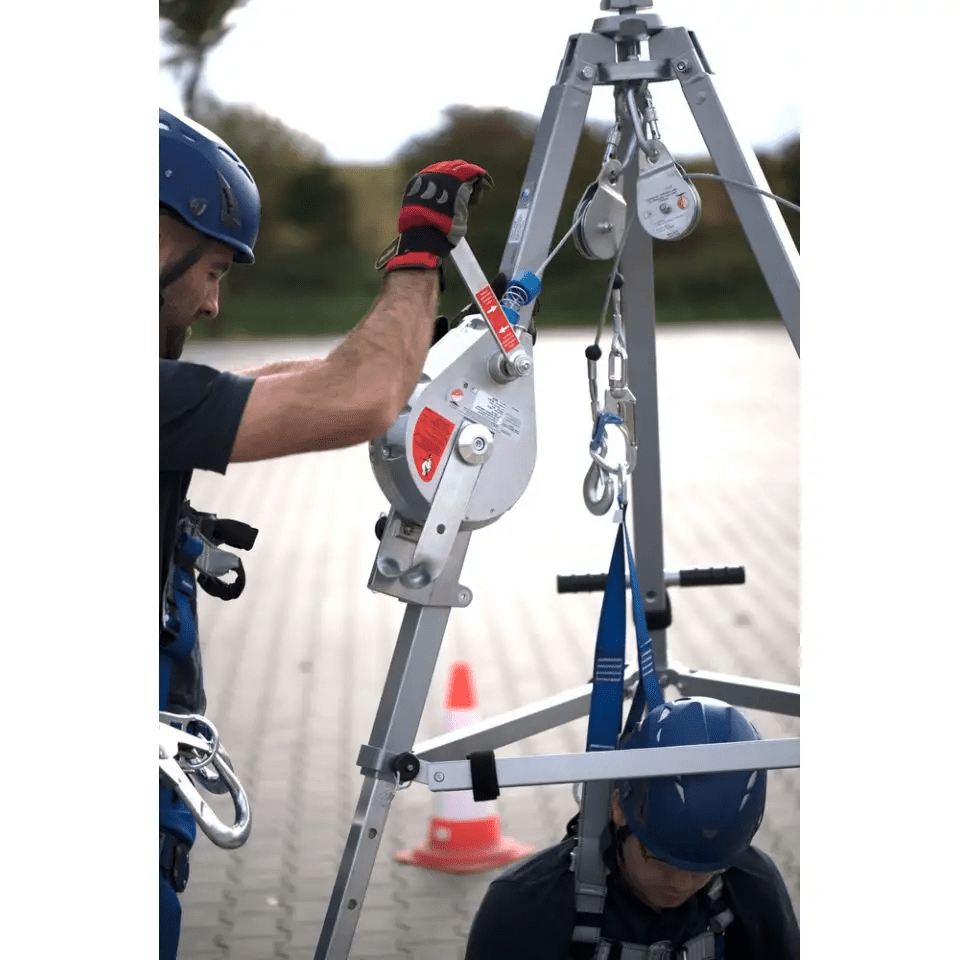
Retrieval Capability With or without integrated rescue winch Confined space entry and rescue Enables lifting or lowering of personnel
Mounting Position Overhead / Leading edge rated / Foot-level (where permitted) Roofing, steelwork, access systems, general work at height, rescue, industrial Flexible installation depending on application
Housing & Build Lightweight composite / Aluminium / Plastic / Heavy-duty industrial casing Indoor and outdoor environments Durability and long service life

How Fall Arrest Blocks & SRLs Work

A retractable fall arrest device responds automatically to sudden movement, locking the line to stop a fall before a significant distance is reached. This rapid response helps reduce impact forces on both the user and the anchorage.

The fall arrest inertia reel, which we supply a wide range of, uses an internal braking mechanism to engage immediately during a fall, providing reliable protection without restricting normal movement during work.

Versatile Solutions for Different Applications

Whether mounted overhead or at foot level (where permitted), an inertia block offers protection for tasks that require frequent repositioning. Each safety block is engineered to withstand demanding site conditions, with durable housings and robust lifelines designed for long service life.

Lifelines for Access, Maintenance & Rescue Planning

Retractable lifelines are widely used in both standard work-at-height and rescue environments, supporting safer movement on roofs, platforms, and vertical access routes. Correct selection depends on working height, mounting position, user weight and general working environment.

Expert Support from SecureHeights

Choosing the right fall arrest block is essential for system performance and compliance. Our experienced team is available to help you select the most suitable device for your task, environment, and safety strategy.

Protect Every Movement at Height

Explore our full range of fall arrest blocks and self-retracting lifelines at SecureHeights. Order online today for fast UK and worldwide delivery or contact our experts for guidance on selecting the right solution for your work-at-height needs.

Frequently Asked Questions

What are self retracting lifelines and when are they typically used?

These devices are commonly selected for work at height activities where users require a high degree of mobility while remaining connected to an anchorage system. They automatically adjust the length of the connecting line as the user moves, helping to minimise slack. This can improve movement around a work area while maintaining continuous connection. However, should there be a sudden movement such as a fall, the device will automatically lock and arrest the fall. They are widely used across construction, maintenance, utilities, and industrial environments.

How do I choose the correct fall arrest blocks for my application?

The most suitable option depends on factors such as working height, anchorage position, user movement, and environmental conditions. Considerations may also include whether the equipment will be used vertically, horizontally, or in confined spaces. The required working length and compatibility with other components should be evaluated before selection. A thorough assessment of the task helps ensure the chosen solution matches operational requirements.

What is the difference between an inertia block and a traditional lanyard?

Although both forms of equipment are designed to support work at height activities, they operate differently. Inertia blocks automatically extend and retract during movement, while a traditional lanyard typically maintains a fixed length. This can provide greater freedom of movement and reduce unnecessary slack during normal working activities. The best choice depends on the nature of the work, available clearance, and site-specific requirements.

When should a retractable fall arrester block be used in confined space work?

Confined space operations often involve unique access and recovery considerations that require carefully selected equipment. In some situations, specialised systems may assist with both user protection and retrieval planning. The suitability of a particular device depends on entry depth, access method, rescue arrangements, and environmental conditions. Equipment selection should always form part of a broader risk assessment and rescue strategy.

Why are fall protection self retracting lifelines popular in industrial environments?

Many organisations favour these systems because they combine user mobility with continuous connection to a suitable anchorage device. Their design can support a wide range of tasks where workers need to move regularly within a designated work area. When correctly specified and maintained, they can form an effective part of a comprehensive work-at-height programme.

Recently viewed