Winches

33 products

Showing 25 - 33 of 33 products

Showing 25 - 33 of 33 products
View
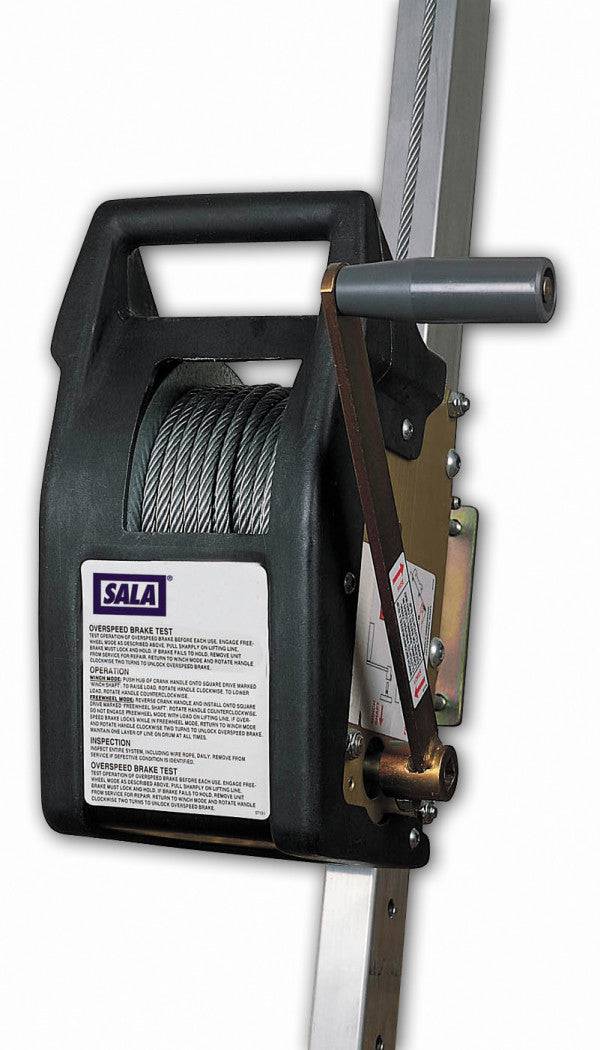
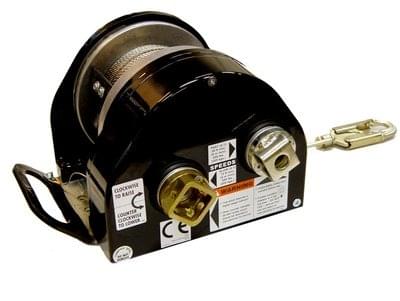
3M DBI SALA Salalift II 18m Winch KT2PW60L - SecureHeights
Sale price£3,099.00Inc.VAT

£2,582.50Exc.VAT
3M DBI SALA Salalift II 18m Winch KT2PW60L3M DBI SALA
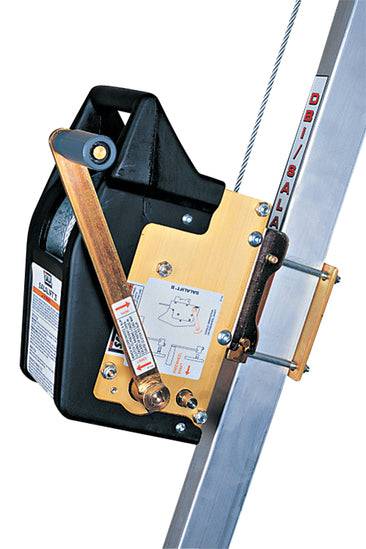
3M DBI SALA Salalift II 36m Winch KT2PW120L - SecureHeights
Sale price£3,389.00Inc.VAT

£2,824.17Exc.VAT
3M DBI SALA Salalift II 36m Winch KT2PW120L3M DBI SALA
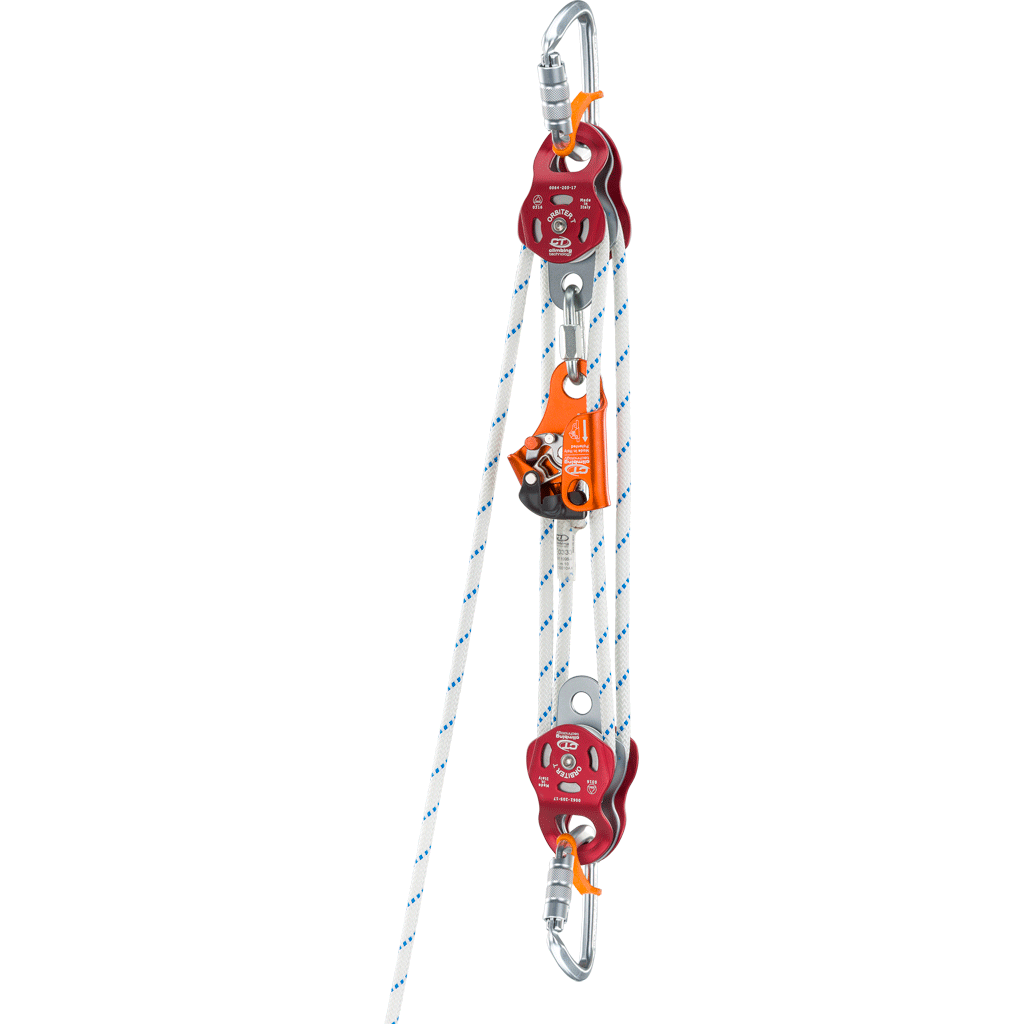
Climbing Technology 2m LIFTY Auto-Blocking Rescue Winch 2K114002 - SecureHeights
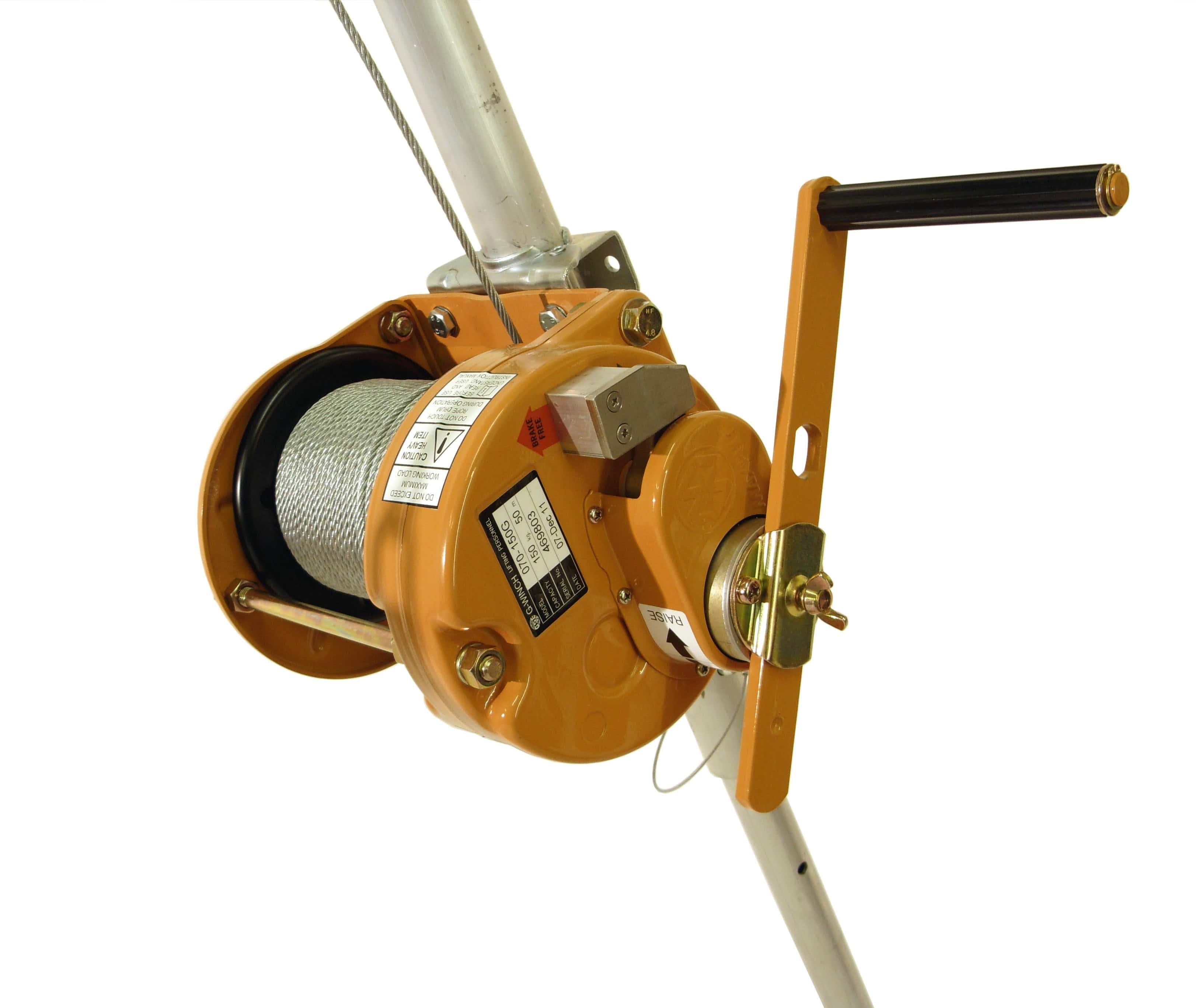
Globestock G.Winch 250kg MWL Galvanised Steel Cable Personnel Winch 20m-40m - SecureHeights
Sale priceFrom £1,465.00Inc.VAT

From £1,220.83Exc.VAT
Globestock G.Winch 250kg MWL Galvanised Steel Cable Personnel Winch 20m-40mGlobestock
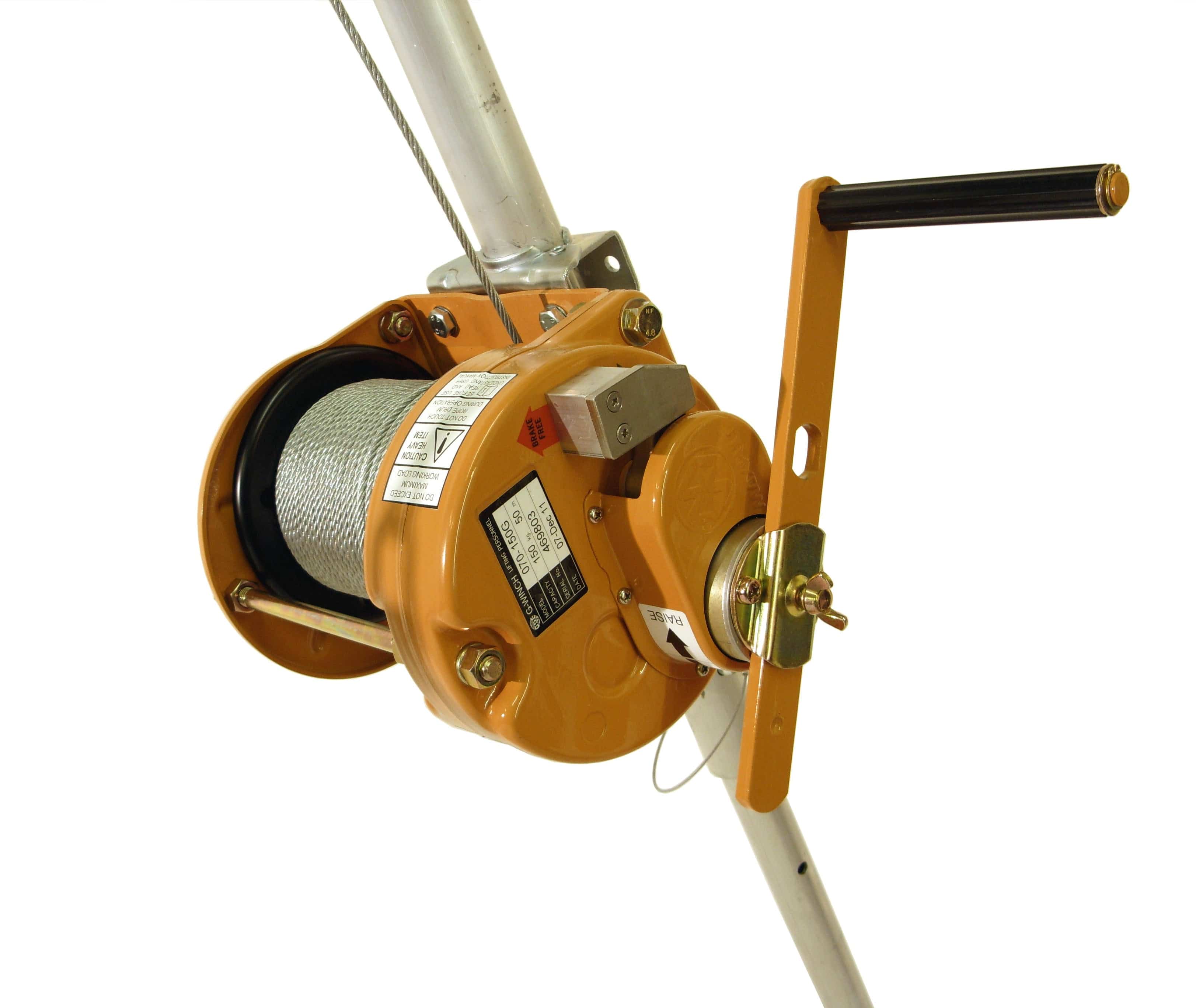
Choose options
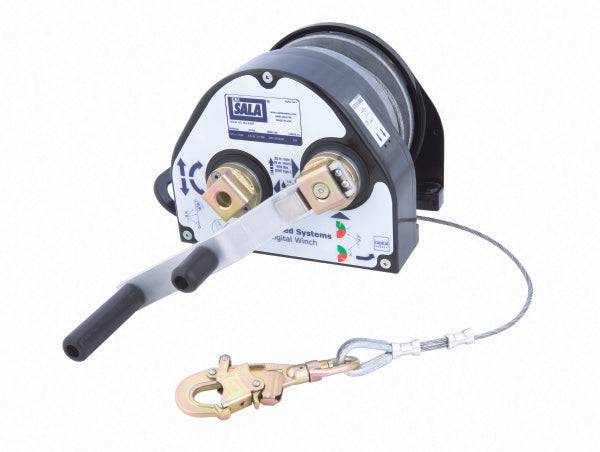
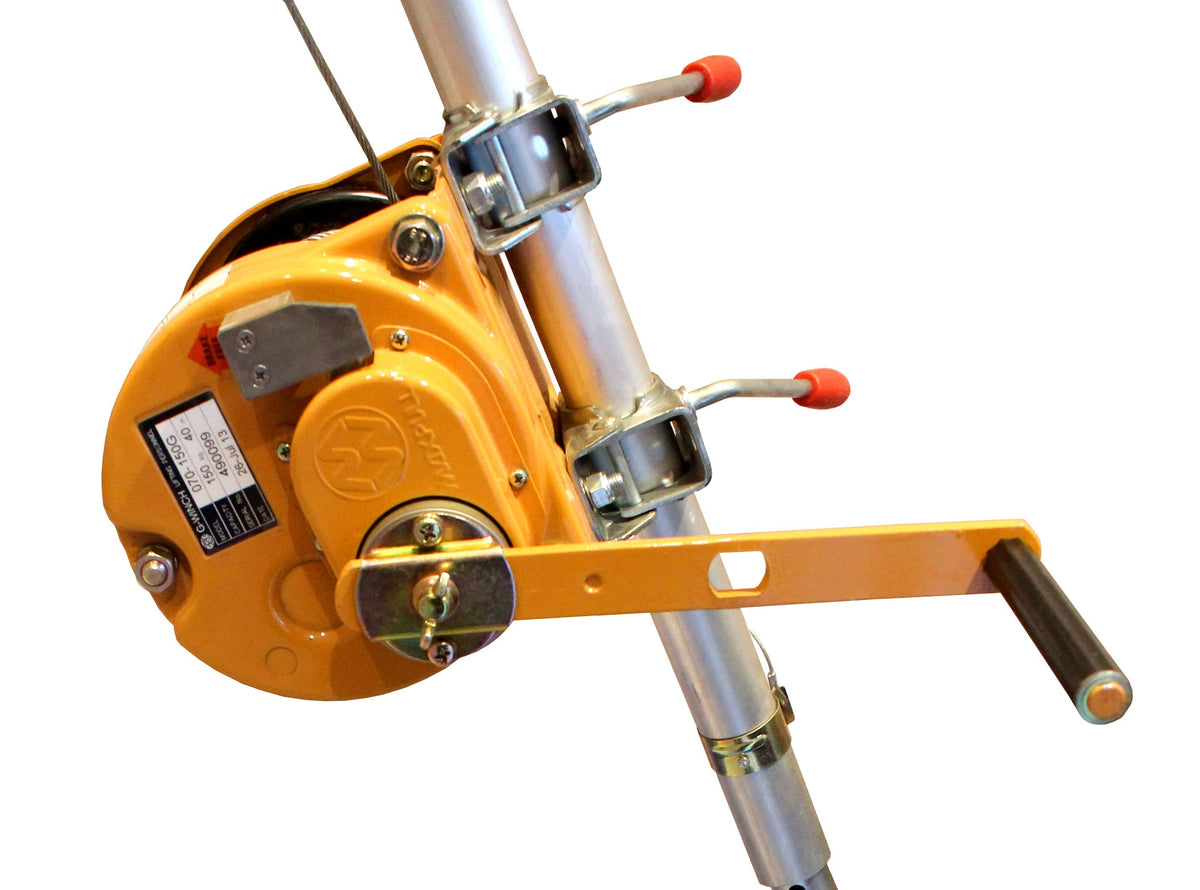
Globestock G.Winch 200kg MWL Stainless Steel Cable Personnel Winch 20m-40m - SecureHeights
Sale priceFrom £1,815.00Inc.VAT

From £1,512.50Exc.VAT
Globestock G.Winch 200kg MWL Stainless Steel Cable Personnel Winch 20m-40mGlobestock
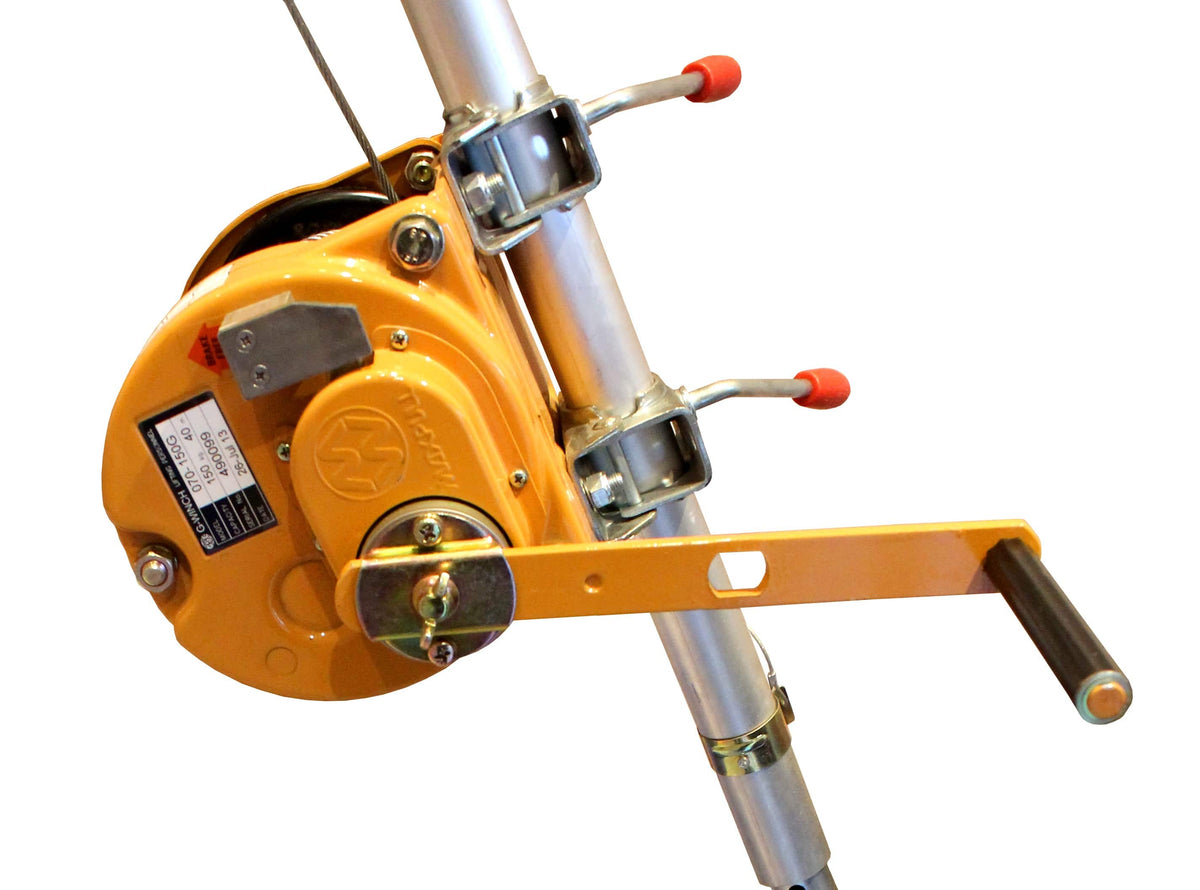
Choose options
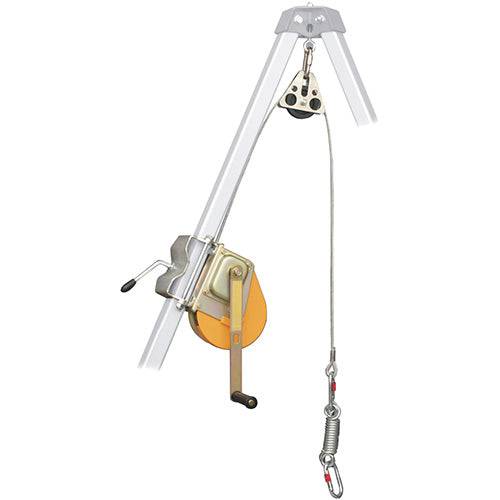
CAMP Safety RESCUE LIFTING DEVICE Steel Cable Winch System 20m-25m - SecureHeights
Sale priceFrom £615.00Inc.VAT

From £512.50Exc.VAT
CAMP Safety RESCUE LIFTING DEVICE Steel Cable Winch System 20m-25mCAMP Safety
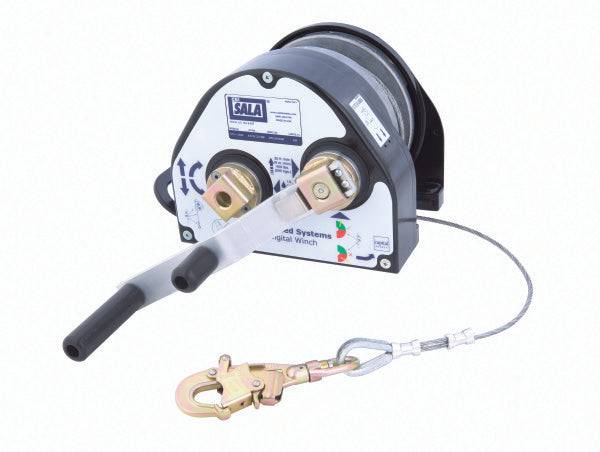
Choose options

Frequently Asked Questions

What should I consider when selecting a confined space rescue winch?

The most important factors include entry depth, maximum working load, retrieval distance, and compatibility with the access system being used. It is also essential to consider how the equipment will integrate with rescue procedures and whether additional components are required. Environmental conditions, such as moisture or corrosive atmospheres, may influence material selection. Choosing equipment based on a detailed risk assessment helps ensure it is suitable for the intended application.

How do manual winches differ from powered retrieval systems?

Hand-operated systems are often valued for their simplicity, reliability, and ease of deployment in remote locations where power sources may not be available. They can be an effective choice for routine access and retrieval tasks when operational demands are relatively straightforward. Powered alternatives may offer advantages where frequent lifting operations or longer retrieval distances are involved. The most appropriate solution depends on the site's operational requirements and expected usage levels.

When are rescue winches required as part of a safety plan?

They are commonly incorporated into rescue arrangements whenever personnel may need to be recovered from below ground level, restricted-access areas, or elevated working positions. Having a suitable retrieval method available can significantly improve emergency preparedness and response times. However, equipment alone is not enough; users should also have appropriate training and a documented rescue procedure. Effective planning helps ensure a coordinated response if an incident occurs.

What mounting options are available for safety winches?

Installation methods vary depending on the access equipment and working environment. Some systems can be attached to tripods, while others are designed for use with davits or fixed support structures. The mounting arrangement should provide adequate stability and be compatible with both the equipment and the intended task. Selecting the correct mounting solution is just as important as choosing the retrieval device itself.

How do I choose the right lifting winches for personnel access and recovery operations?

Selection should be based on factors such as lifting height, working load requirements, frequency of use, and environmental conditions. Consider whether the equipment will be used primarily for access, retrieval, emergency response, or a combination of activities. Durability, ease of operation, and compatibility with existing systems should also be reviewed. A well-matched solution can improve operational efficiency while supporting safe working practices.

Recently viewed