Filters

£
-
£

Safety Harnesses

259 products

Showing 241 - 259 of 259 products

Showing 241 - 259 of 259 products
View
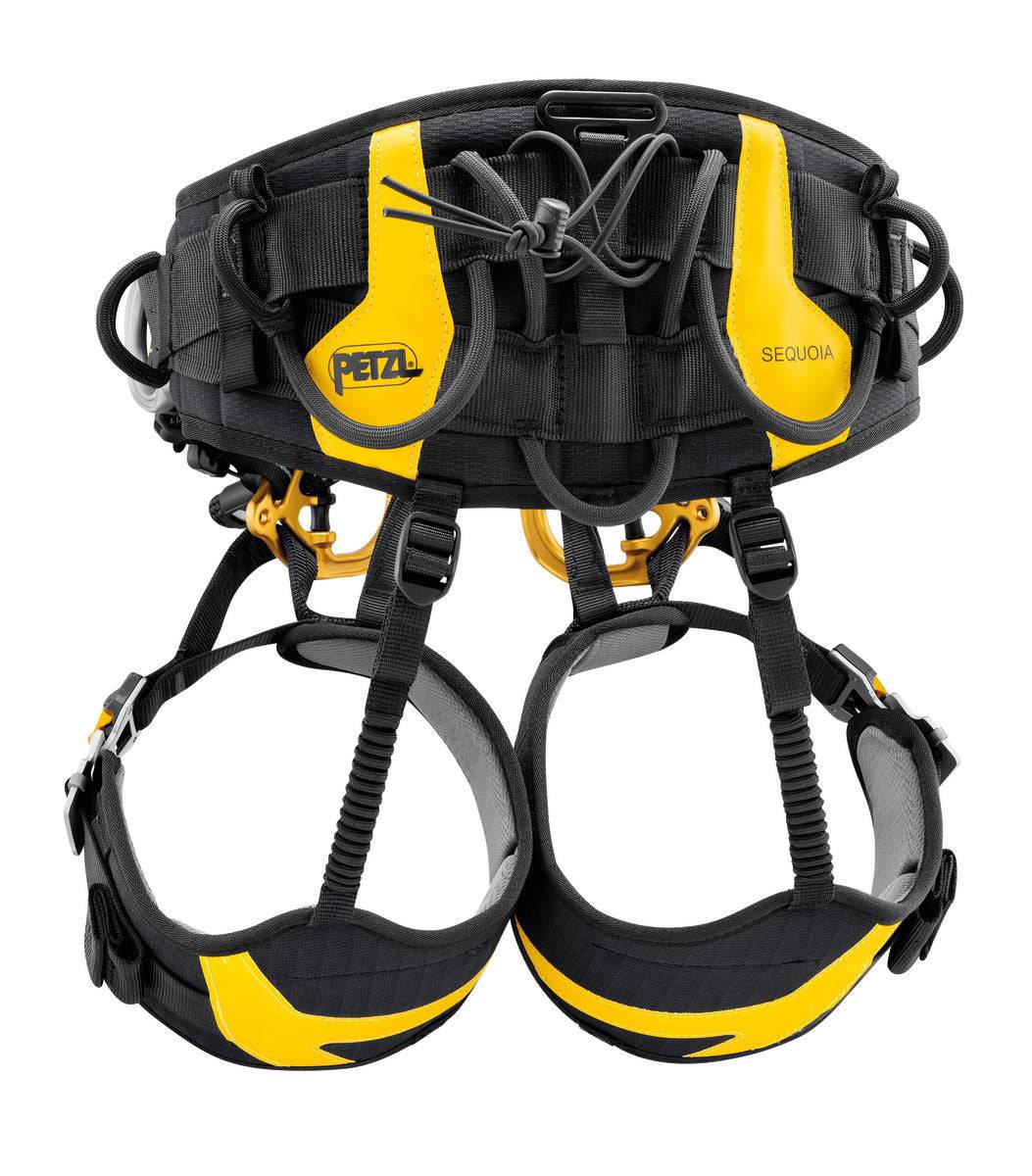
Petzl SEQUOIA SRT Single Rope Ascent Tree Care Seat Harness - SecureHeights
Sale price£425.00Inc.VAT

£354.17Exc.VAT
Petzl SEQUOIA SRT Single Rope Ascent Tree Care Seat HarnessPetzl
Choose options
Petzl Harness Shackles (Pack of 2) C087AA00 - SecureHeights
Sale price£16.95Inc.VAT

£14.13Exc.VAT
Petzl Harness Shackles (Pack of 2) C087AA00Petzl
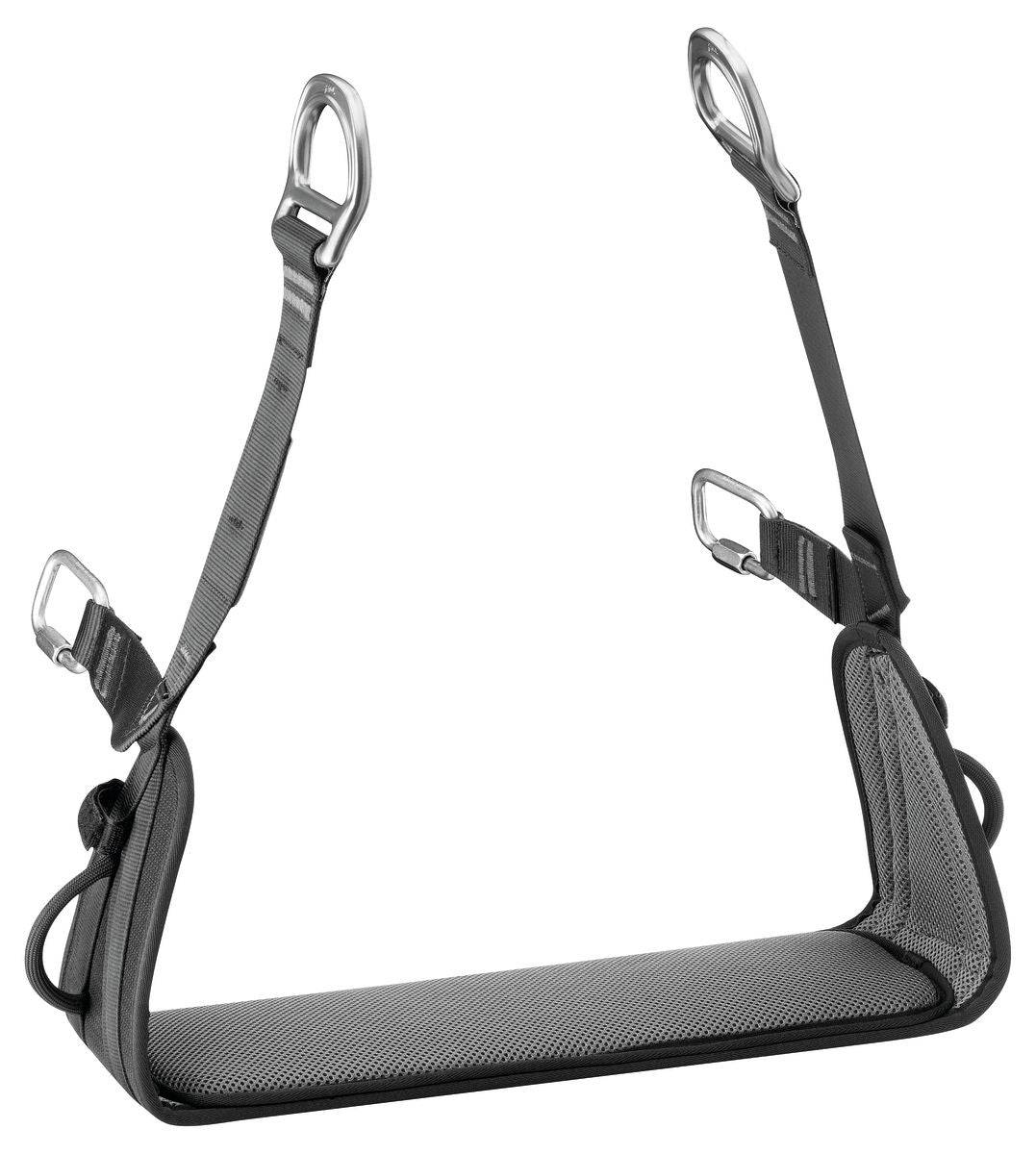
Petzl PODIUM Prolonged Suspension Harness Seat S071AA00 - SecureHeights
Sale price£165.00Inc.VAT

£137.50Exc.VAT
Petzl PODIUM Prolonged Suspension Harness Seat S071AA00Petzl
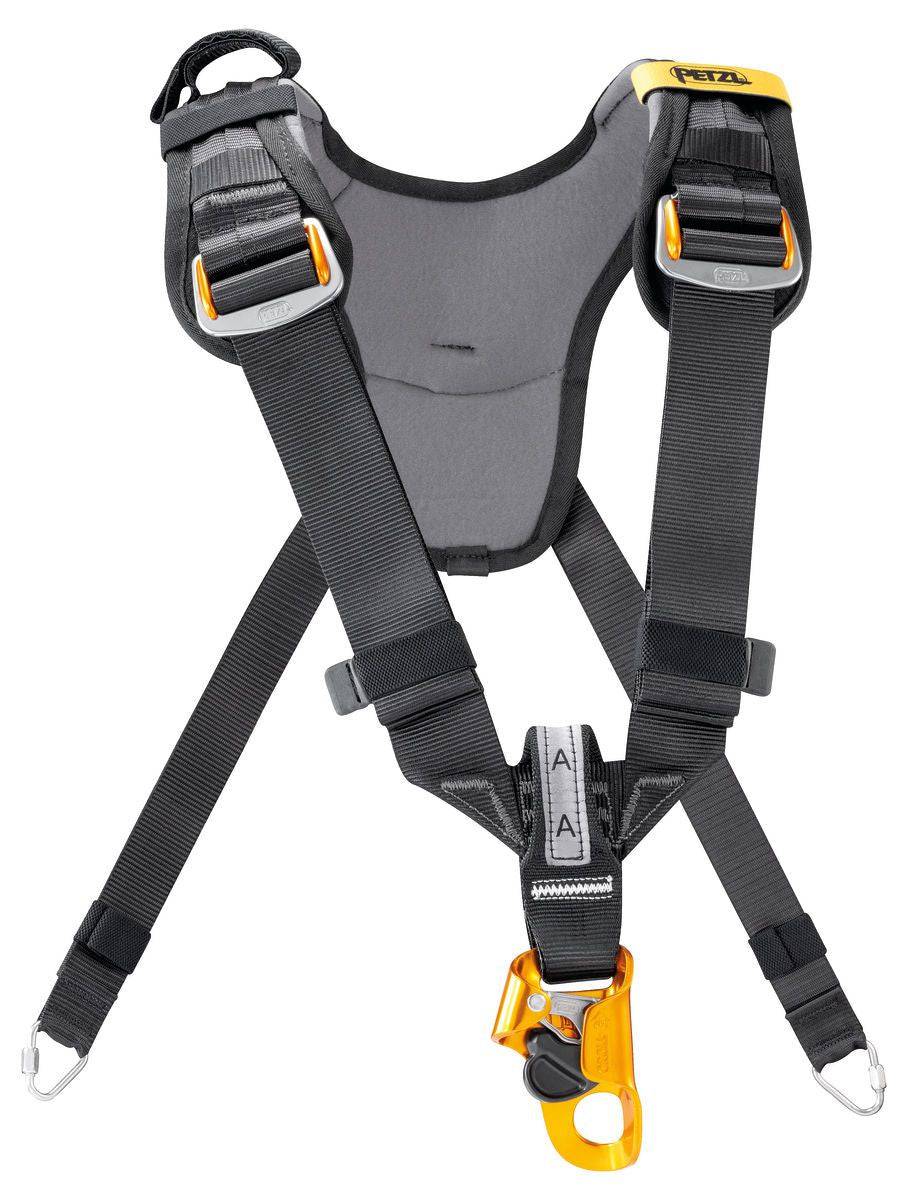
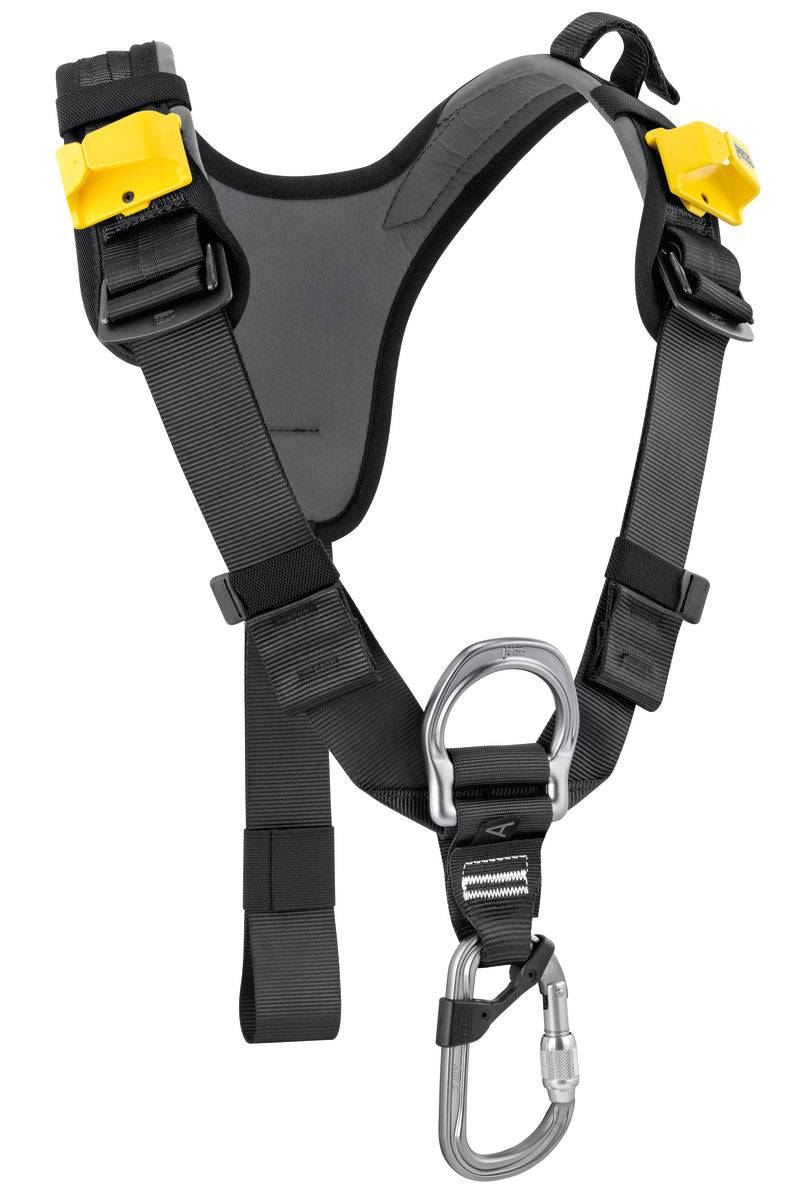
Petzl TOP CROLL L Chest Harness C081CA00 - SecureHeights
Sale price£149.00Inc.VAT

£124.17Exc.VAT
Petzl TOP CROLL L Chest Harness C081CA00Petzl
Petzl TOP CROLL S Chest Harness C081BA00 - SecureHeights
Sale price£149.00Inc.VAT

£124.17Exc.VAT
Petzl TOP CROLL S Chest Harness C081BA00Petzl
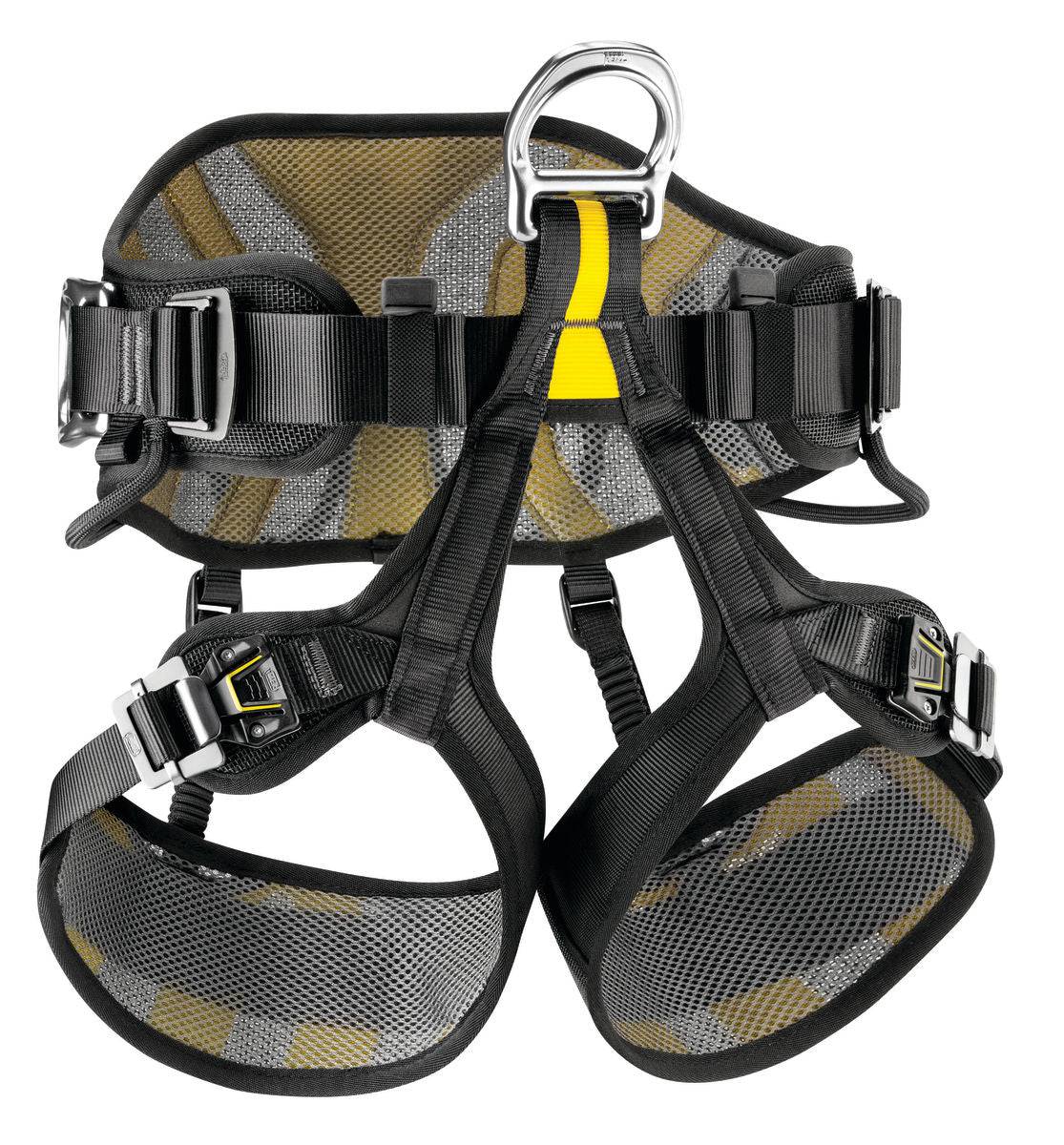
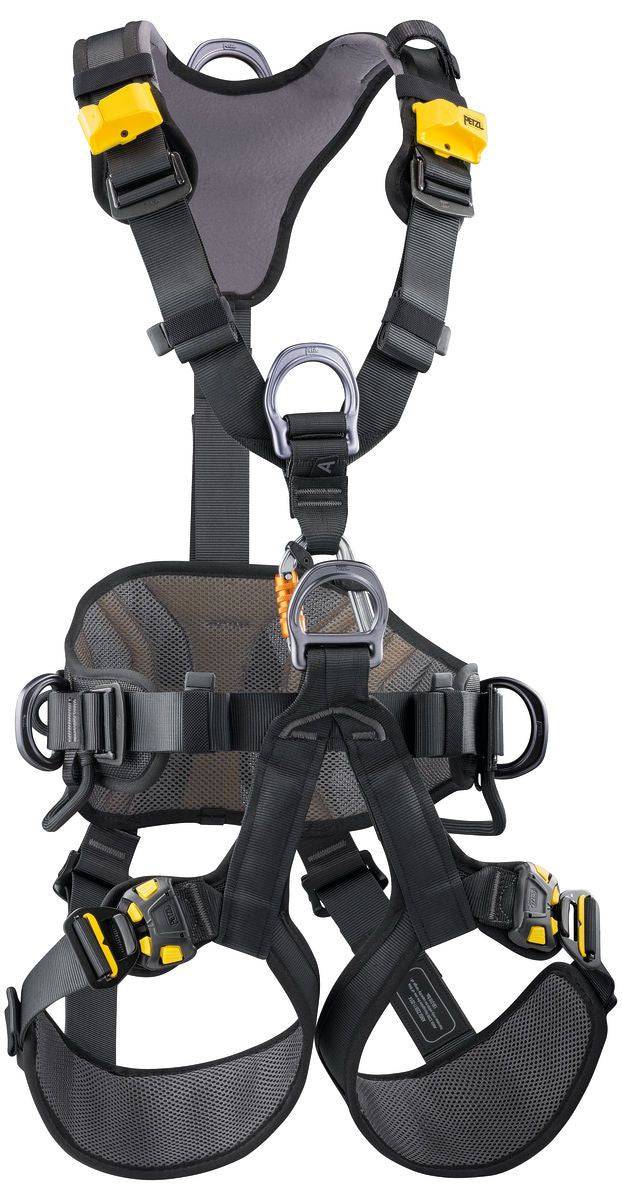
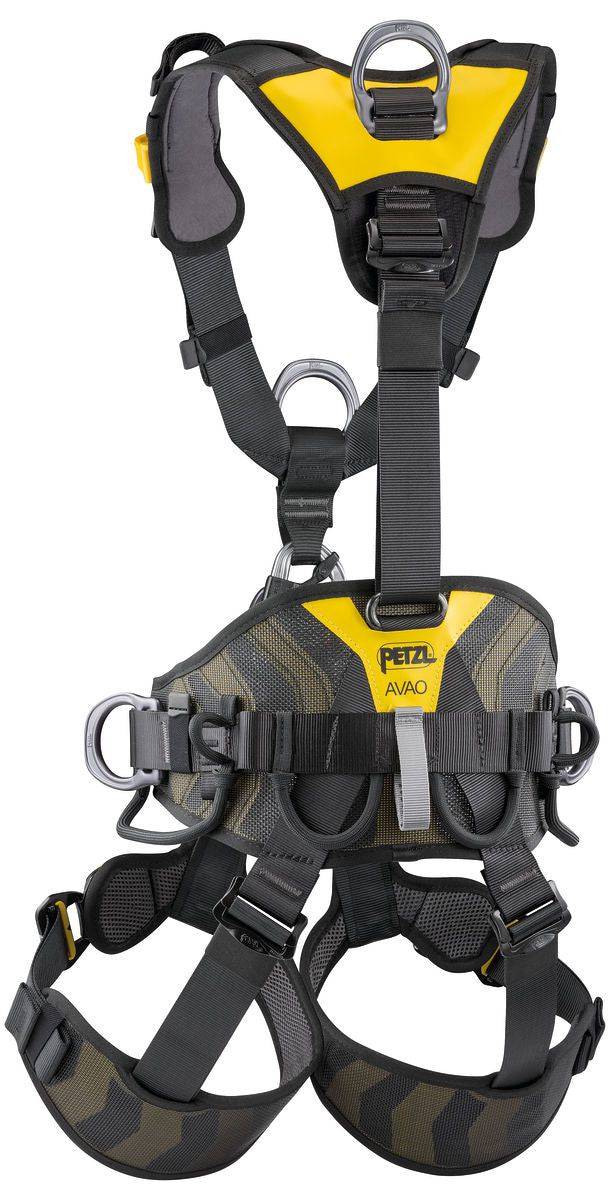
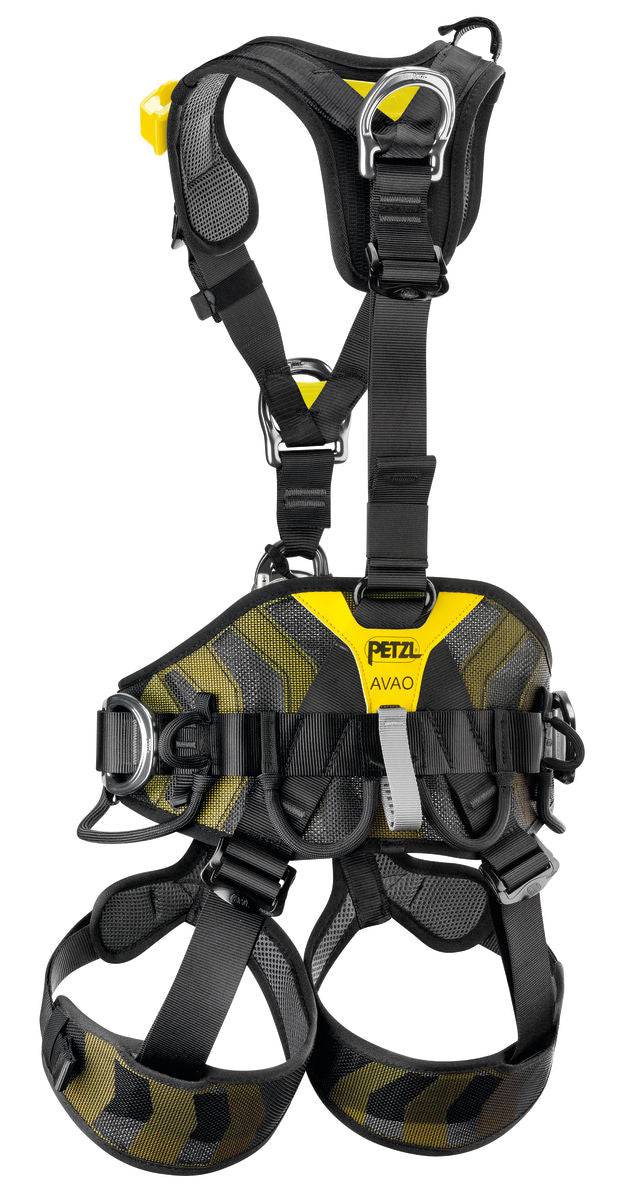
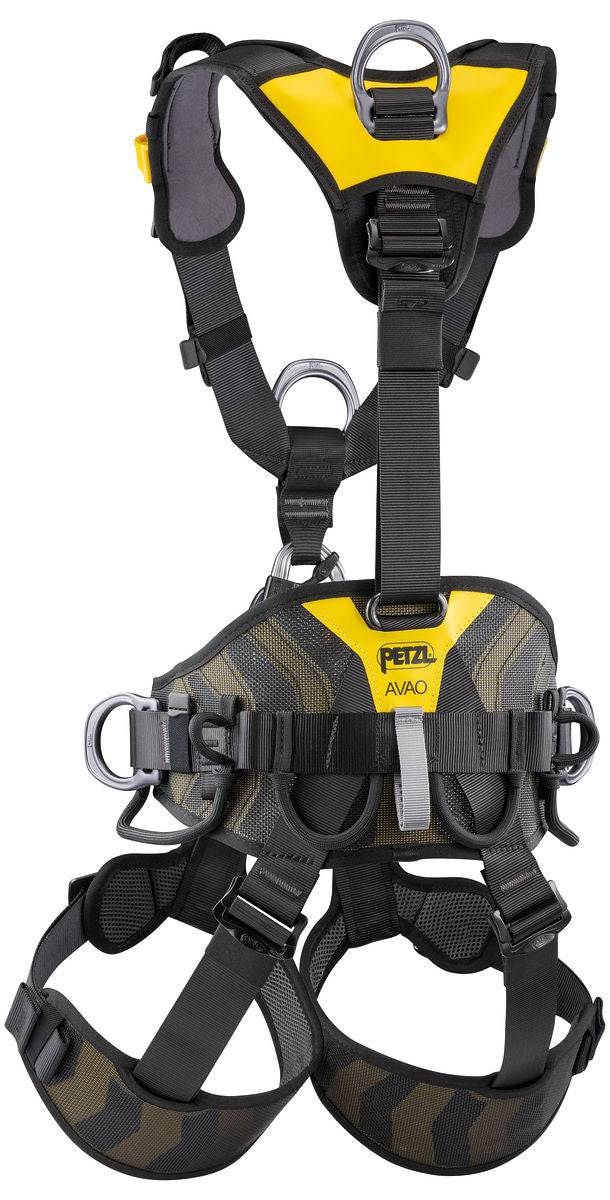
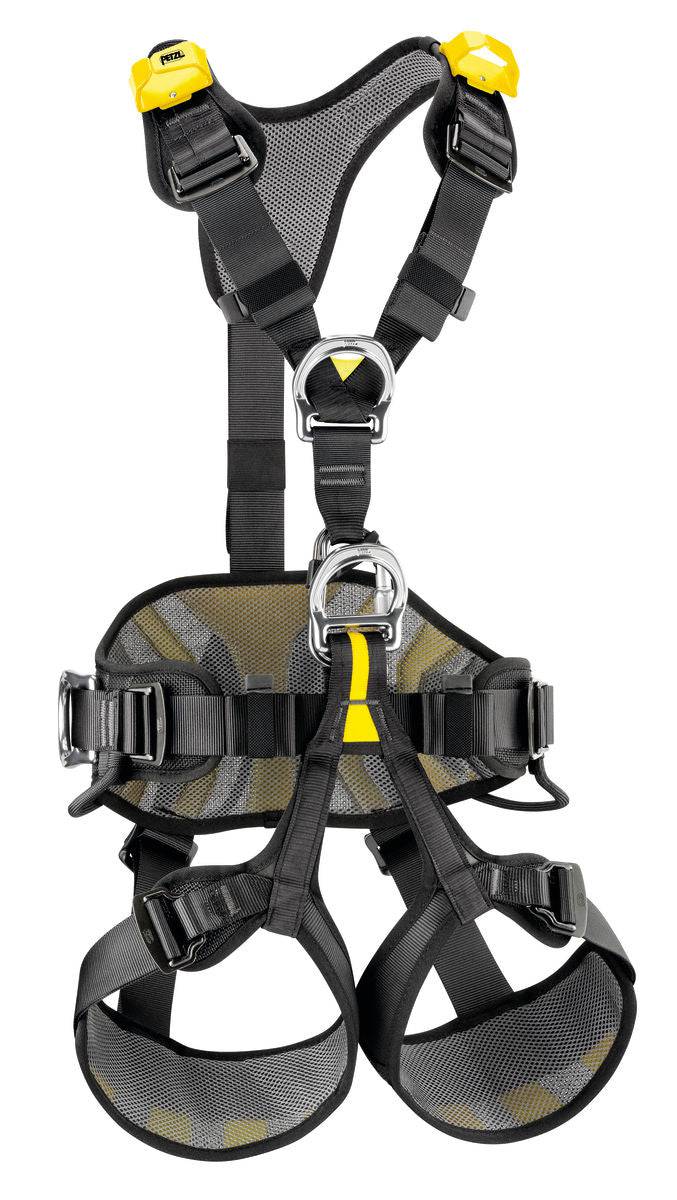
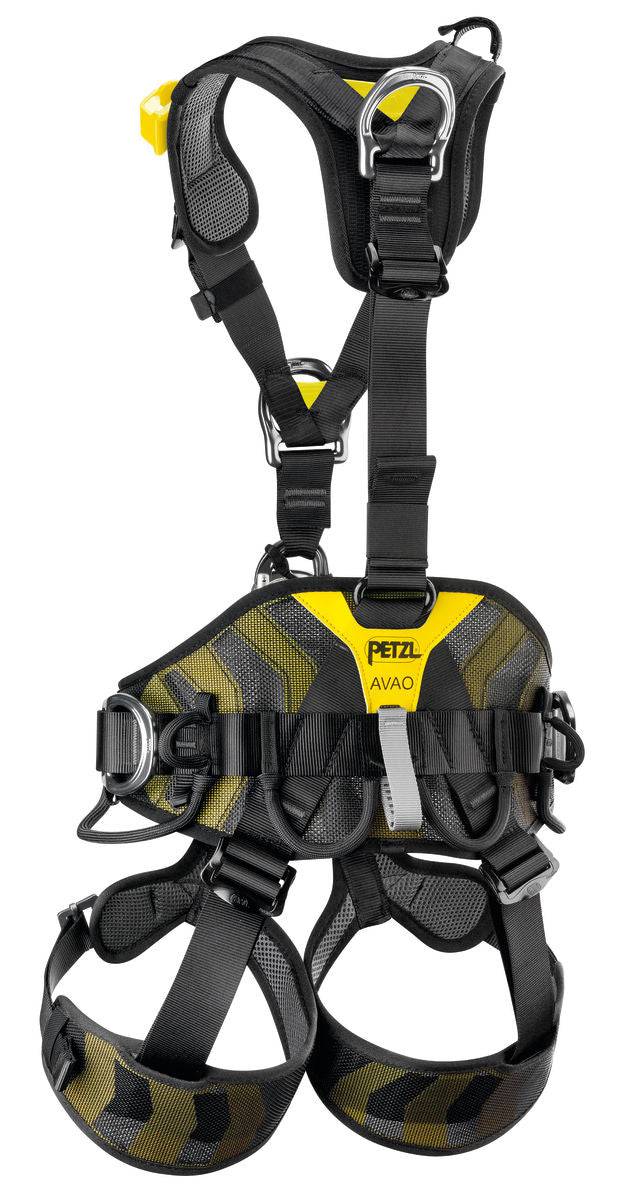
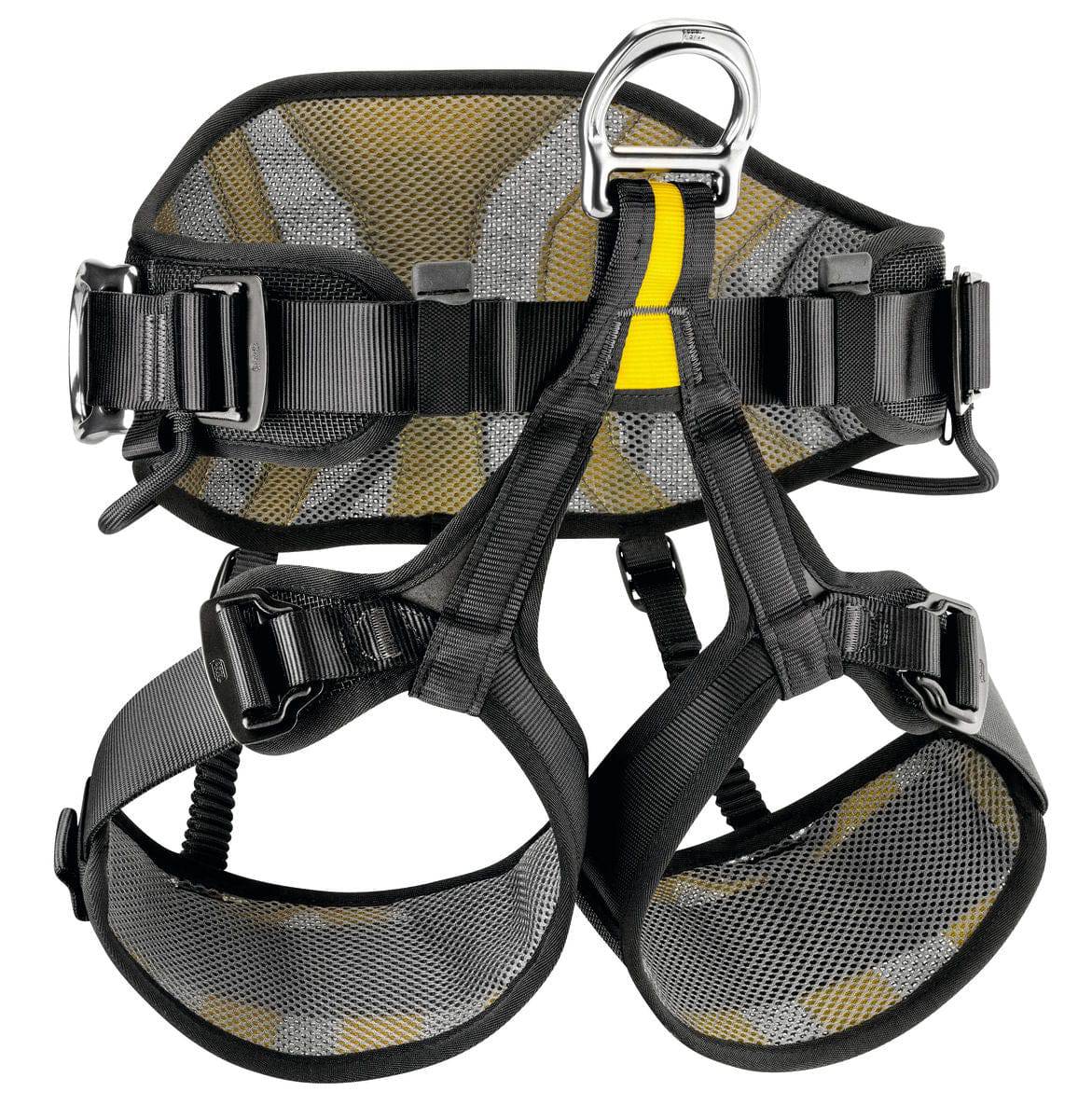
Petzl AVAO SIT Comfortable Suspension and Work Positioning Seat Harness - SecureHeights
Sale priceFrom £199.00Inc.VAT

From £165.83Exc.VAT
Petzl AVAO SIT Comfortable Suspension and Work Positioning Seat HarnessPetzl
Choose options
Petzl TOP Chest Harness - SecureHeights
Sale priceFrom £99.00Inc.VAT

From £82.50Exc.VAT
Petzl TOP Chest HarnessPetzl
Choose options
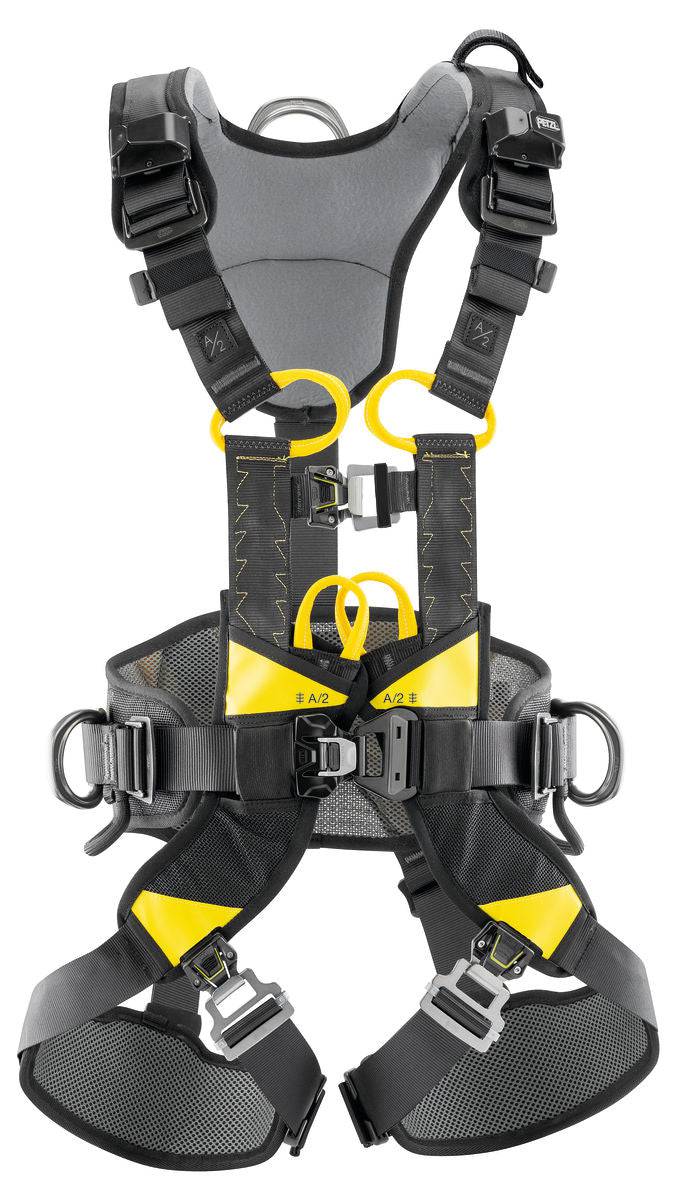
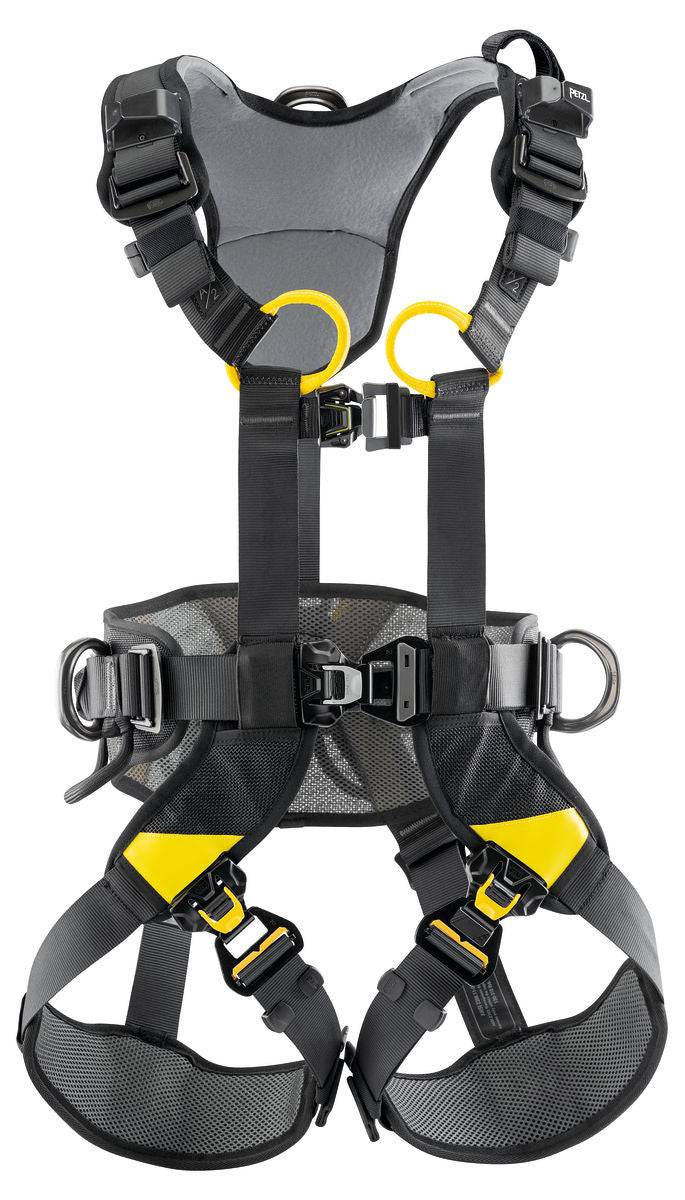
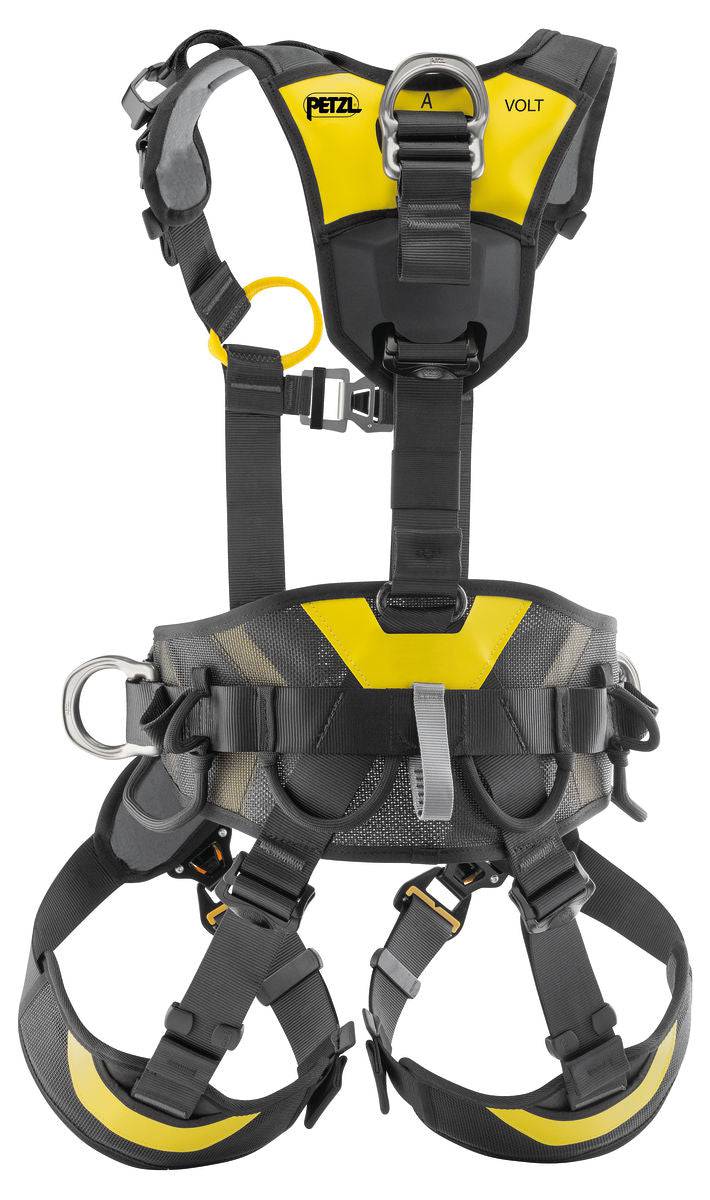
Petzl VOLT Harness Seat C072EA00 - SecureHeights
Sale price£199.00Inc.VAT

£165.83Exc.VAT
Petzl VOLT Harness Seat C072EA00Petzl
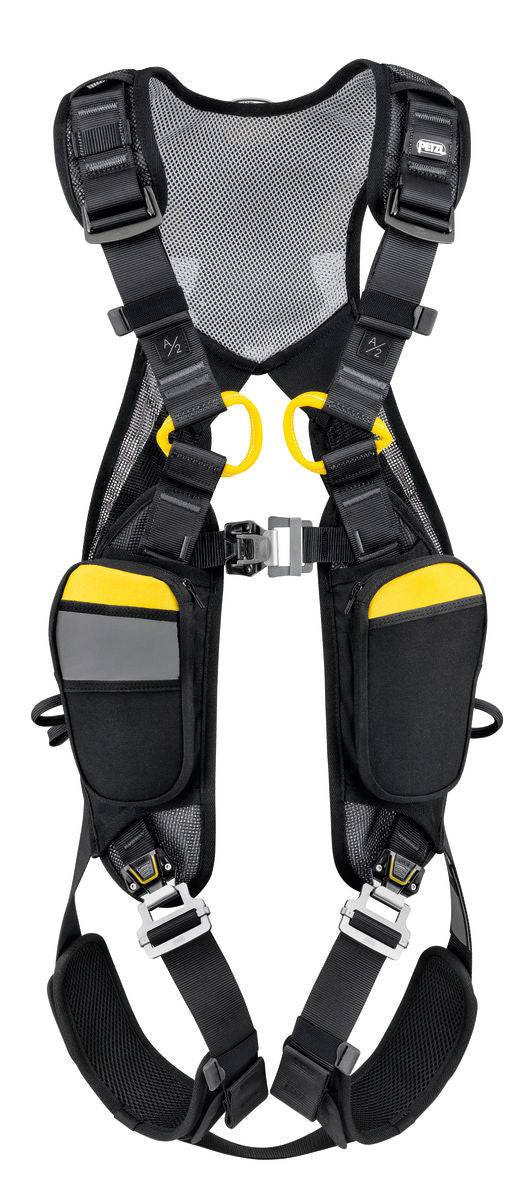
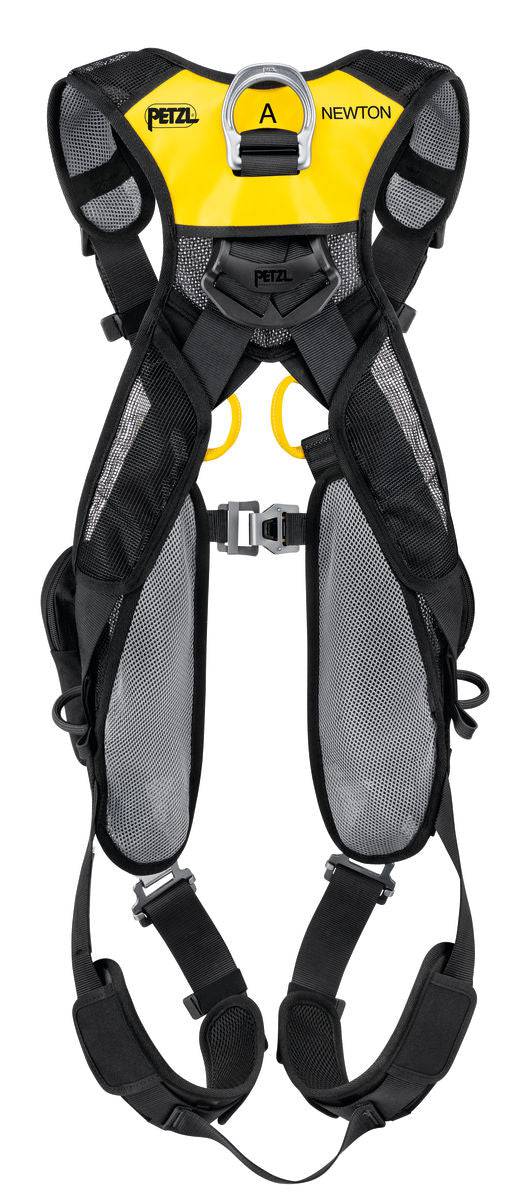
Petzl NEWTON EASYFIT Fall Arrest Harness European Version - SecureHeights
Sale price£179.00Inc.VAT

£149.17Exc.VAT
Petzl NEWTON EASYFIT Fall Arrest Harness European VersionPetzl
Choose options
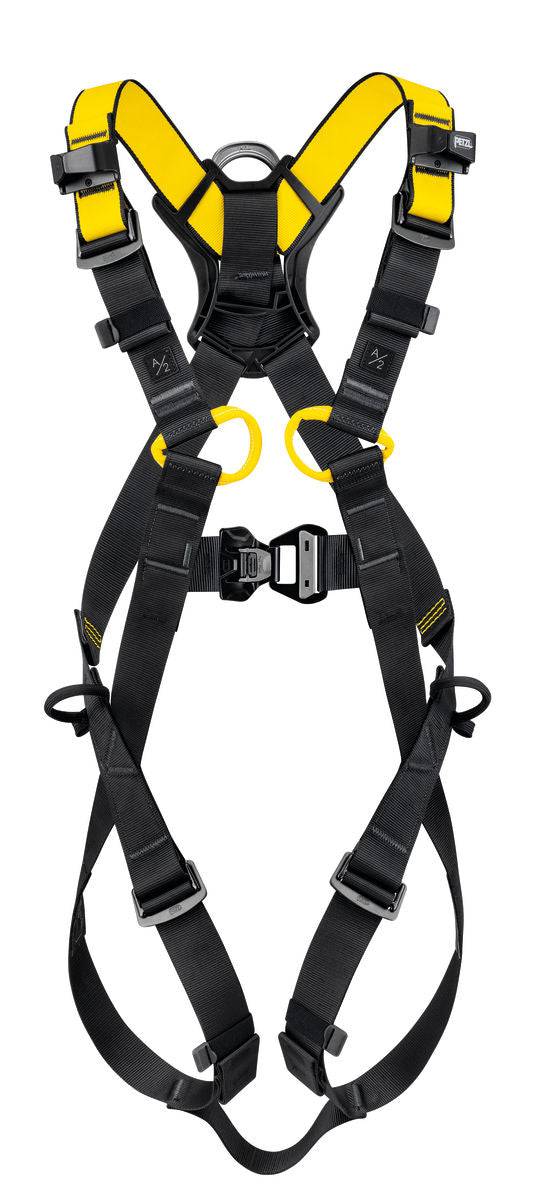
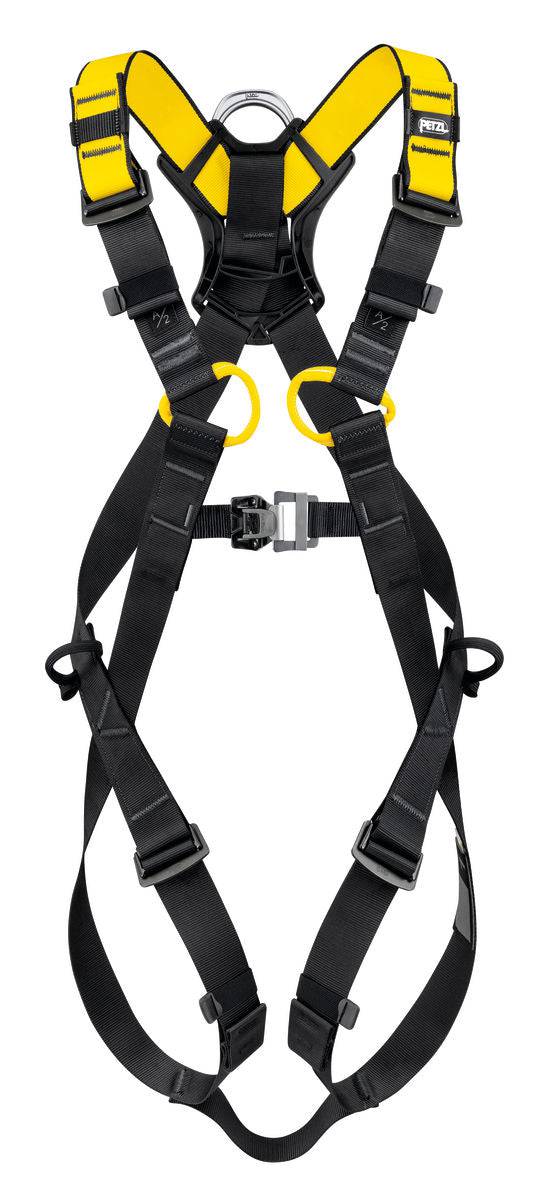
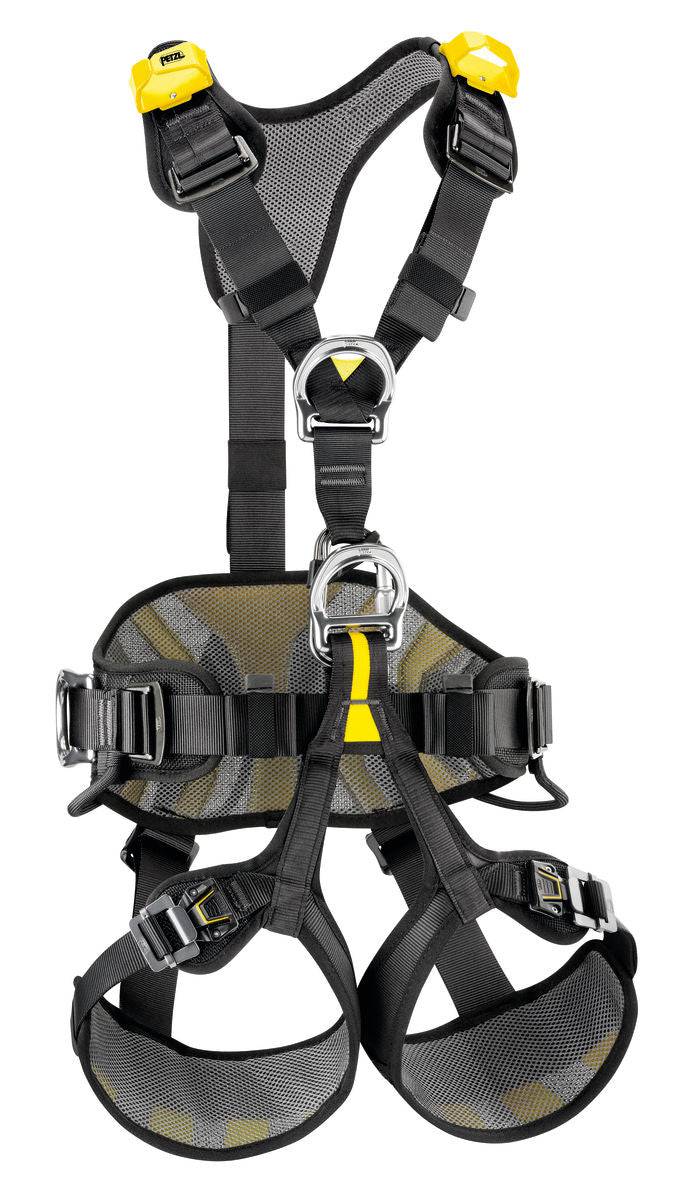
Petzl NEWTON Fall Arrest Harness International Version - SecureHeights
Sale price£135.00Inc.VAT

£112.50Exc.VAT
Petzl NEWTON Fall Arrest Harness International VersionPetzl
Choose options
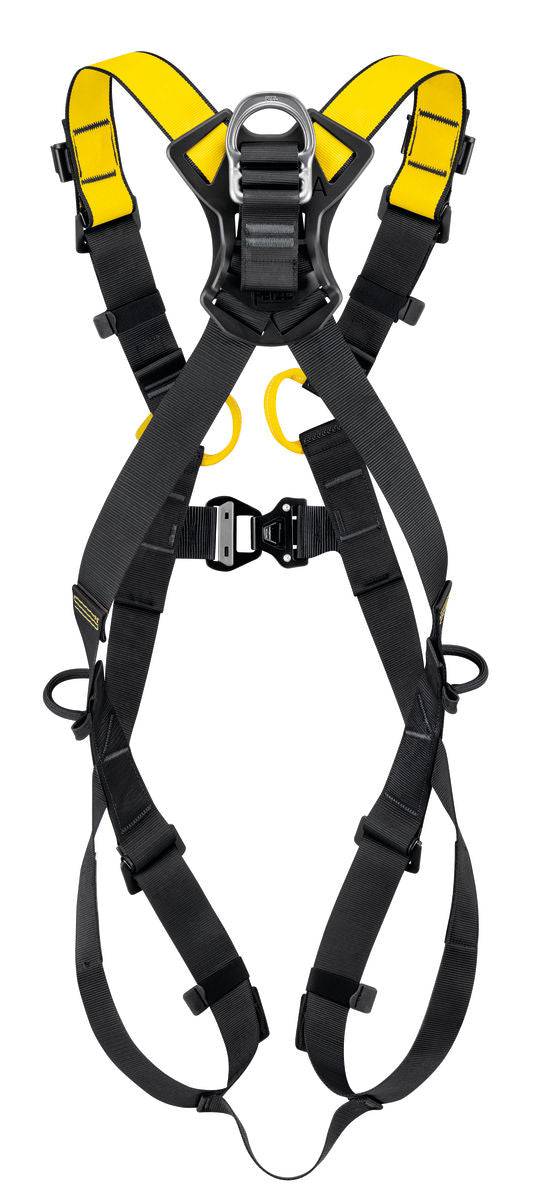
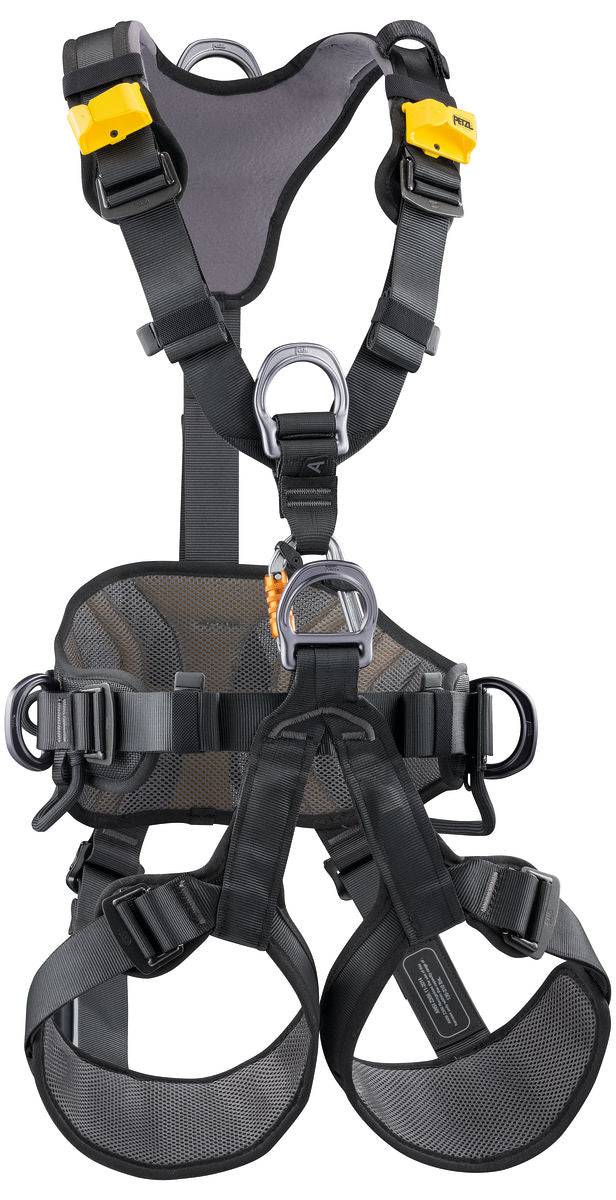
Petzl NEWTON Fall Arrest Harness European Version - SecureHeights
Sale price£115.00Inc.VAT

£95.83Exc.VAT
Petzl NEWTON Fall Arrest Harness European VersionPetzl
Choose options

Frequently Asked Questions

1. What is a full-body harness, and when is it required?

A full body harness is designed to distribute fall forces across the shoulders, thighs, and pelvis to reduce injury. It is required whenever there is a risk of falling while working at height, and collective protection measures cannot fully eliminate that risk.

2. Are safety harnesses suitable for roofing work?

Yes. Safety harnesses for roofing are commonly used where guardrails or scaffolding are not practical. Roofing harnesses are typically combined with restraint or fall arrest systems to prevent workers from reaching roof edges or falling through fragile surfaces.

3. What is a work at height harness?

A work at height harness is a type of personal protective equipment used to secure workers exposed to fall risks. Depending on the task and components it is combined with, it may function as a fall arrest harness, a fall restraint harness, or a work positioning harness.

4. What is the difference between a fall protection harness and a fall restraint harness?

A fall protection harness is a general term covering harnesses that protect against falls. A fall restraint harness is a term used to describe a harness combined with a fall restraint lanyard, specifically designed to prevent the user from reaching a fall hazard, while a fall arrest setup stops a fall after it has occurred.

5. Can a harness safety belt be used on its own?

No. A harness safety belt or waist belt must not be used as standalone fall protection. Belts are only suitable as part of a certified restraint harness or work positioning setup and must always be used with a compatible full-body harness where required.

6. What is a work positioning harness used for?

A work positioning harness allows the user to work hands-free while supported in position, commonly used in construction, maintenance, utility work, and pole climbing. It is not designed to arrest falls unless combined with a separate fall arrest setup.

7. Are restraint harnesses safer than fall arrest systems?

A restraint harness can be safer in many situations because it prevents the fall from occurring at all. Where possible, restraint systems are preferred over fall arrest as they reduce risk and eliminate the need for post-fall rescue.

8. How do I choose the correct safety harness?

Choosing the right harness depends on the task, environment, and risk assessment. Consider whether you need fall arrest, restraint, or work positioning, ensure compatibility with your anchorage system, and select a harness that fits correctly and complies with your local safety standards.

Recently viewed