
Rope Grabs

7 products

Showing 1 - 7 of 7 products

Showing 1 - 7 of 7 products
View
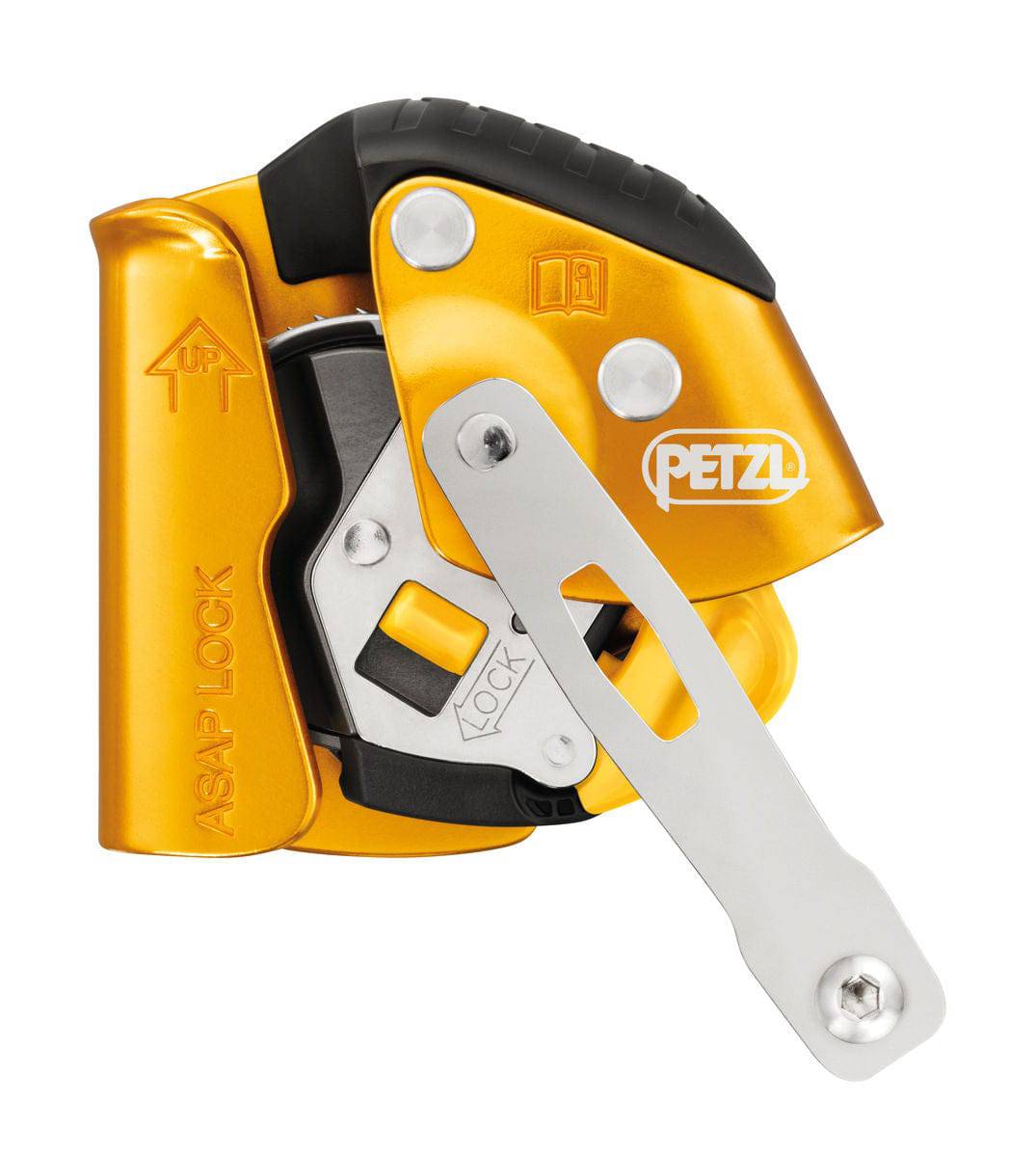
Petzl ASAP LOCK Rope Ascent Mobile Fall Arrester with Locking Function B071BA00 - SecureHeightsPetzl ASAP LOCK Rope Ascent Mobile Fall Arrester with Locking Function B071BA00 - SecureHeights
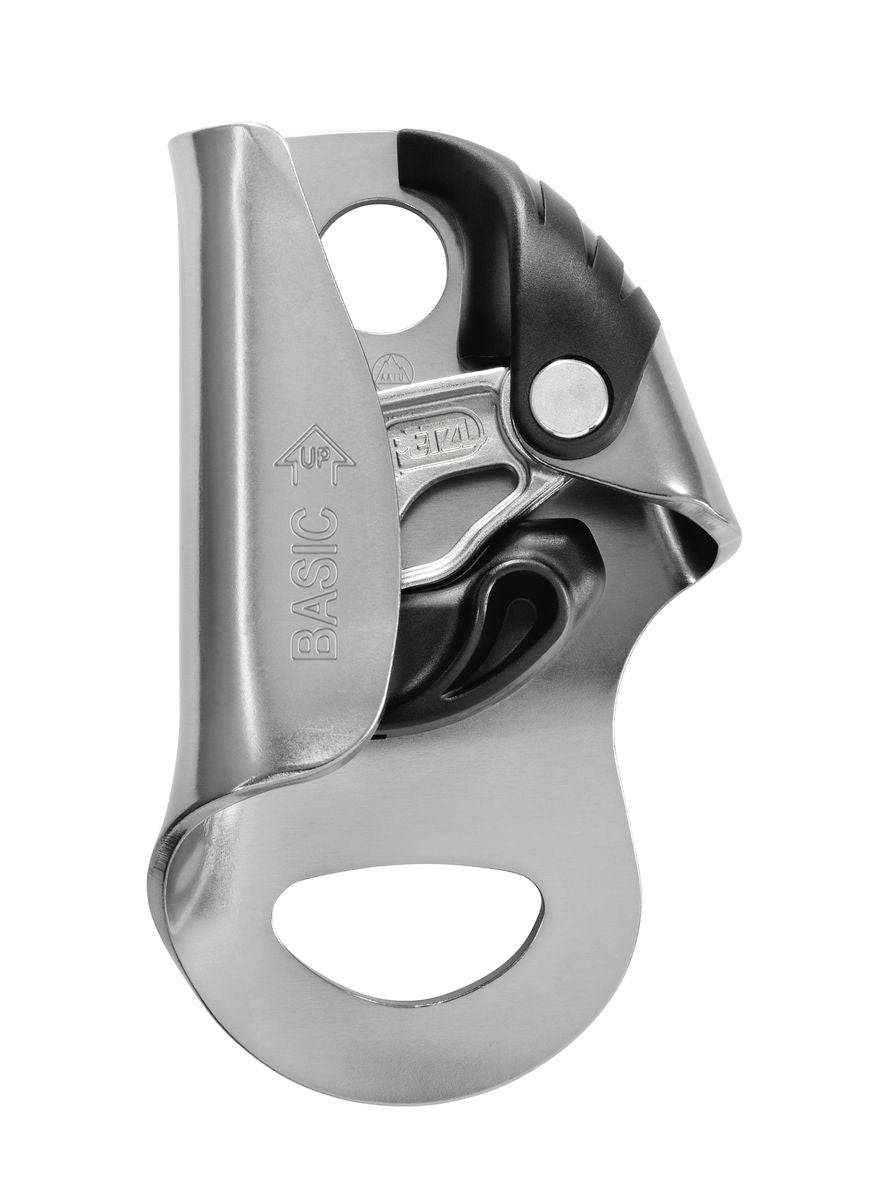
Petzl BASIC Versatile and Compact Rope Clamp B18BAA - SecureHeights
Sale price£56.95Inc.VAT

£47.46Exc.VAT
Petzl BASIC Versatile and Compact Rope Clamp B18BAAPetzl
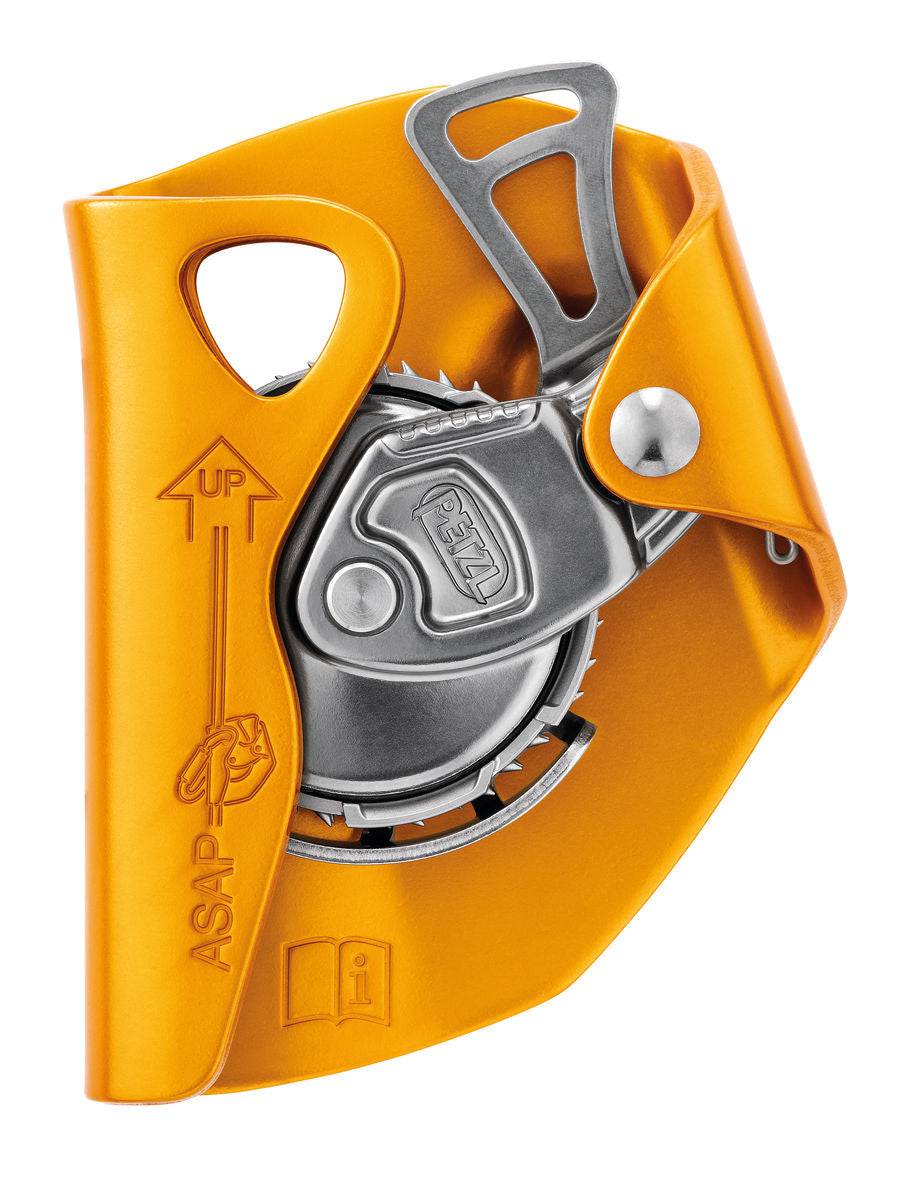
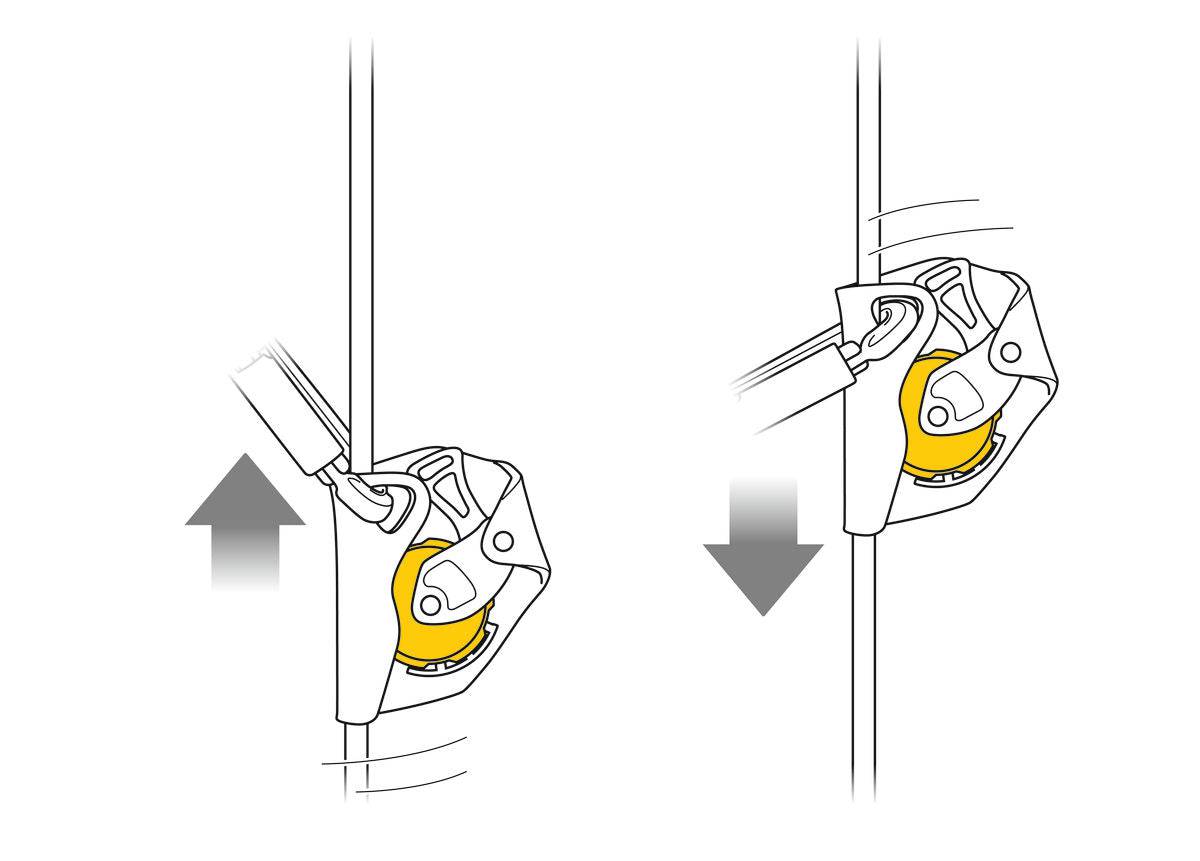
Petzl ASAP Mobile Fall Arrester B070AA00 - SecureHeightsPetzl ASAP Mobile Fall Arrester B070AA00 - SecureHeights
Sale price£175.00Inc.VAT

£145.83Exc.VAT
Petzl ASAP Mobile Fall Arrester B070AA00Petzl
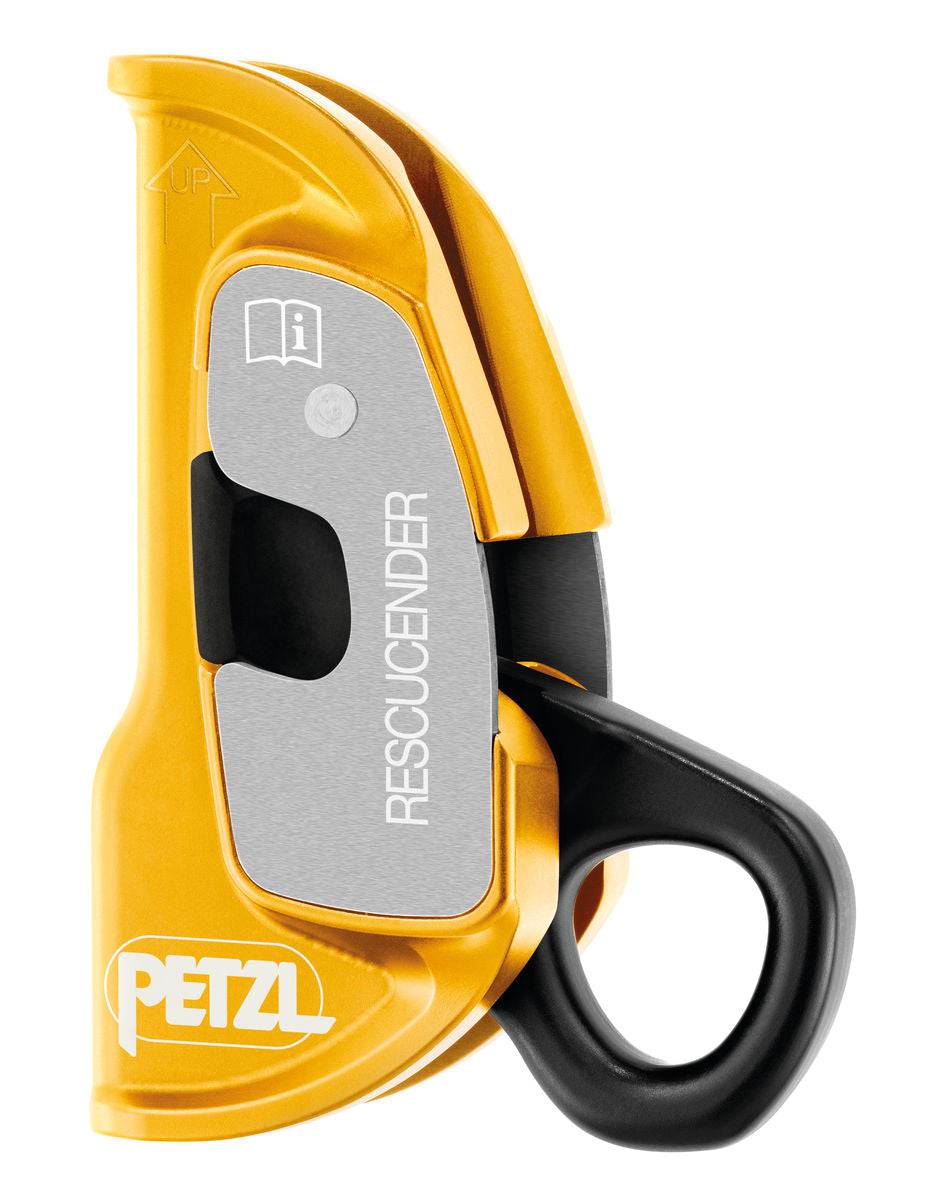
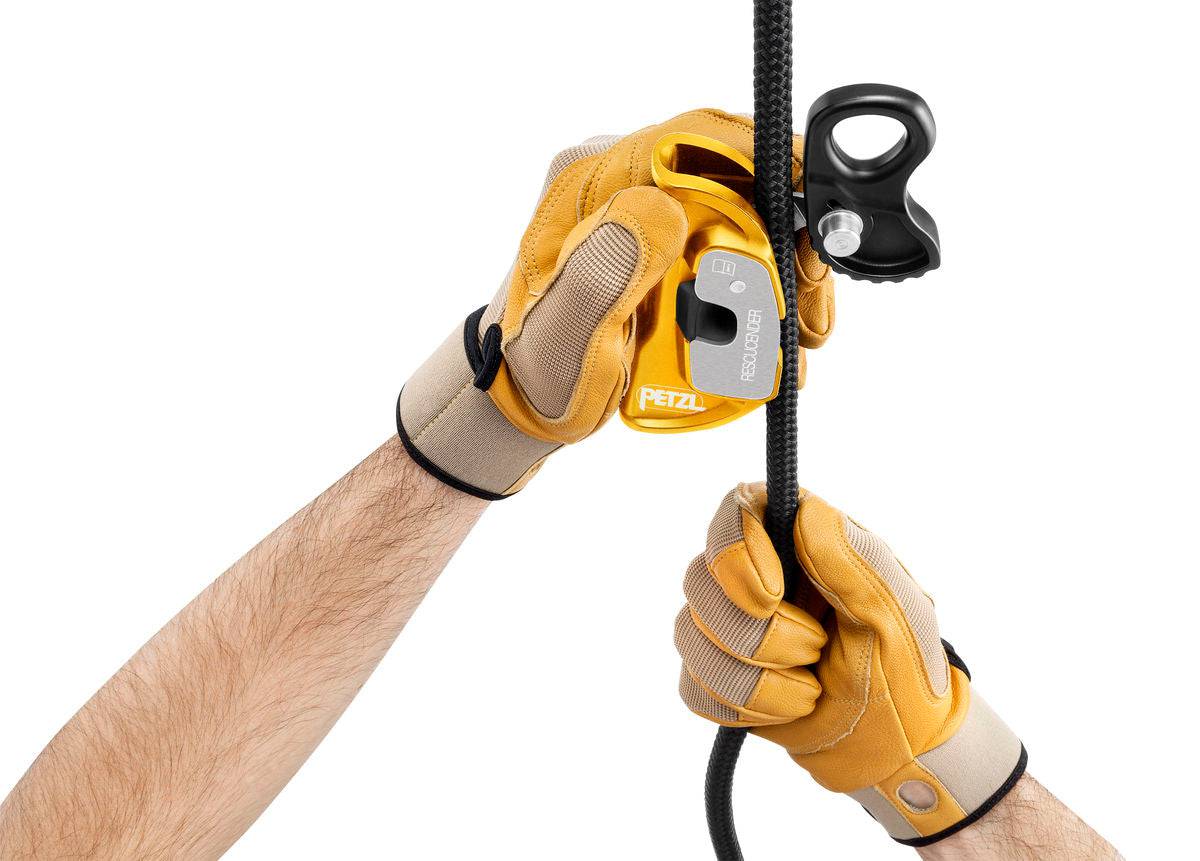
Petzl RESCUENDER Ergonomic Cam Loaded Openable Rope Clamp B50A - SecureHeightsPetzl RESCUENDER Ergonomic Cam Loaded Openable Rope Clamp B50A - SecureHeights
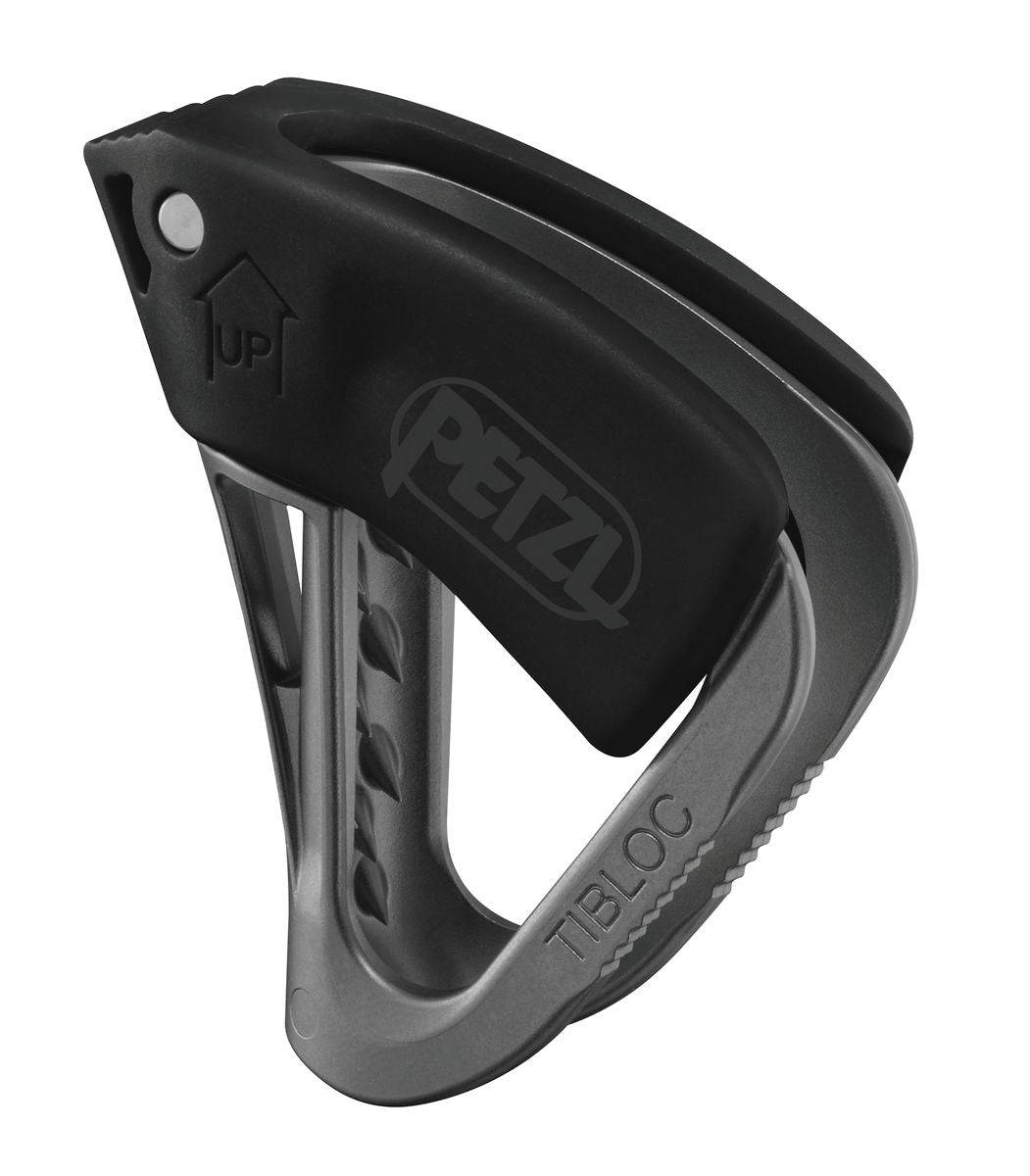
Petzl TIBLOC Compact Lightweight Stainless Steel Emergency Rope Clamp B01BN - SecureHeightsPetzl TIBLOC Compact Lightweight Stainless Steel Emergency Rope Clamp B01BN - SecureHeights
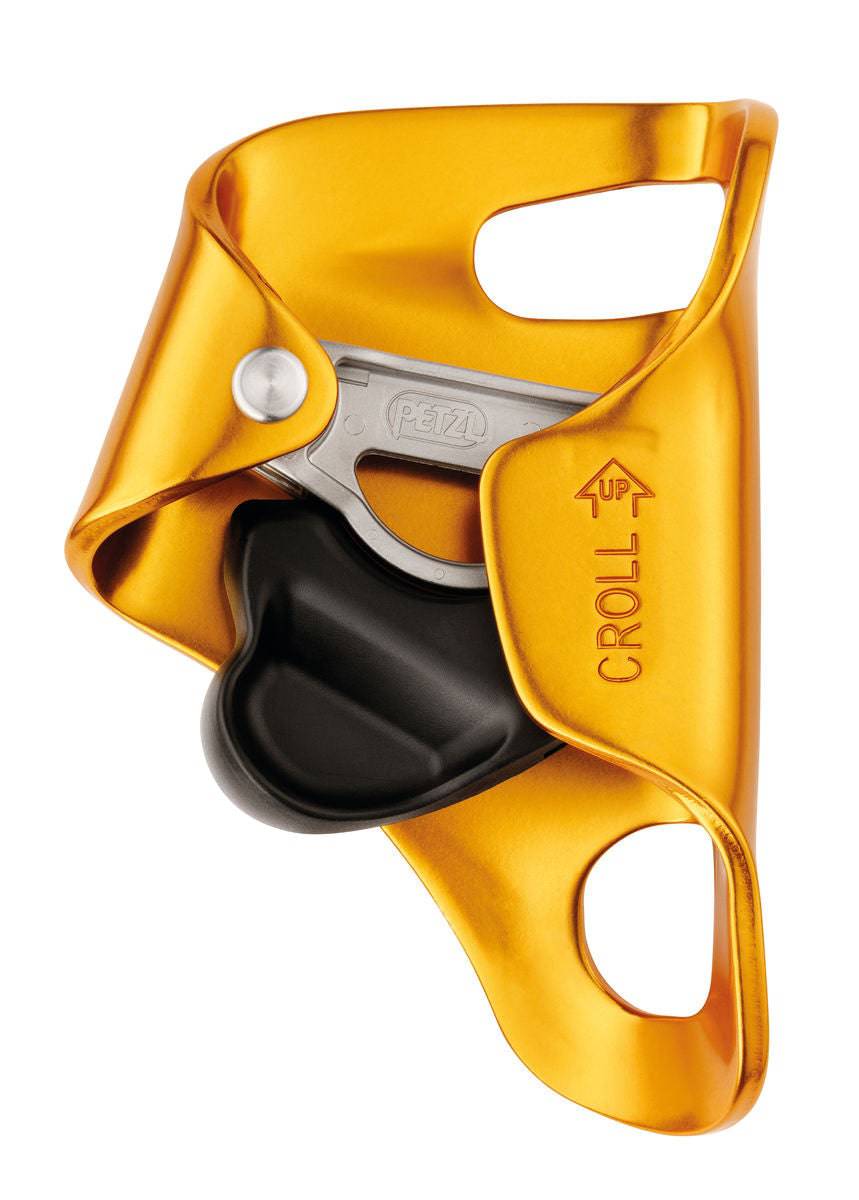
Petzl CROLL Chest Rope Ascent Rope Clamp - SecureHeightsPetzl CROLL Chest Rope Ascent Rope Clamp - SecureHeights
Sale price£56.95Inc.VAT

£47.46Exc.VAT
Petzl CROLL Chest Rope Ascent Rope ClampPetzl
Choose options
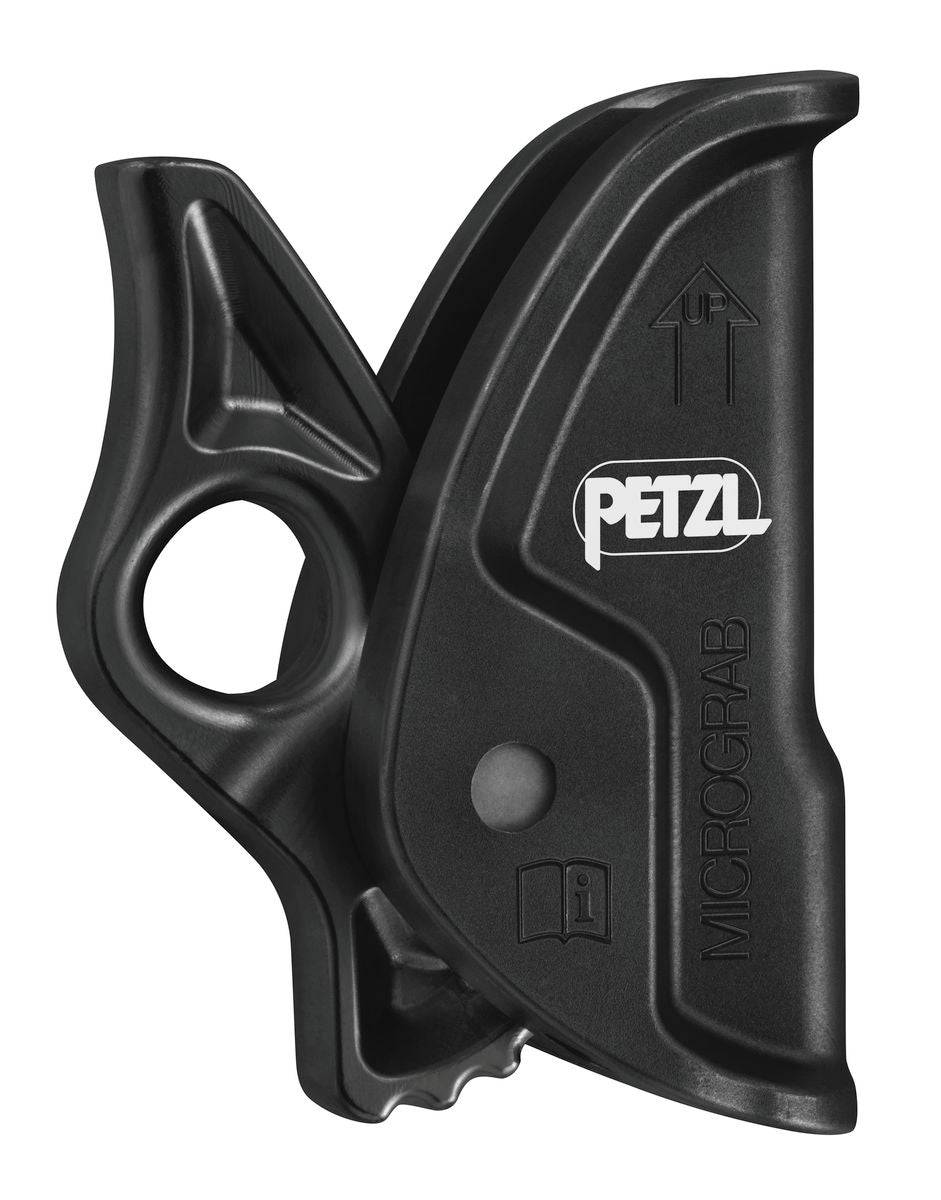
Petzl MICROGRAB Aluminium Replacement Cam Loaded Rope Grab B53A - SecureHeightsPetzl MICROGRAB Aluminium Replacement Cam Loaded Rope Grab B53A - SecureHeights

A correctly selected rope grab enhances mobility without compromising safety, making it a key element of a compliant fall protection setup.

Main Types of Rope Grabs

Type Description Lifeline Compatibility Typical Use
Mobile rope grab (fall arrester) Travels freely along the rope and locks automatically in the event of a fall Vertical rope lifeline General work at height, ladder access
Rope grab with energy absorber Integrated or connected to a shock absorber to reduce impact forces during a fall Vertical rope lifeline Higher fall risk environments, utilities, telecoms
Manual rope grab Requires user positioning and adjustment on the rope Rope lifeline Work positioning, controlled movement, maintenance
Openable rope grab Can be attached or removed at any point on the rope without threading Rope lifeline Inspection, temporary access, rescue standby

Reliable Performance on Rope Lifeline Systems

Used as part of a lifeline or rope access system, rope grabs travel smoothly along a compatible lifeline during ascent and descent, providing continuous fall protection without restricting movement. In the event of a fall, the device locks automatically onto the rope, helping reduce fall distance and limit impact forces on the user and anchor point.

Options for Different Working Methods

Our range includes single rope grabs suited to vertical access, ladders, and fixed lifelines, supporting straightforward inspection and maintenance tasks. Where fall risk cannot be eliminated, a fall arrest rope grab delivers rapid engagement to protect the user during ascent or descent.

Each rope grab fall arrester is designed to work with defined rope diameters and system components, ensuring compatibility, safety, and compliance when used in accordance with manufacturer guidance.

Expert Guidance You Can Trust

Selecting the correct rope grab depends on rope type, the type of work being undertaken, and site-specific risk assessment. Our specialists are available to help you choose equipment that integrates correctly with your harness, connectors, anchor points and ropes.

Choose the Right Rope Grab Today

Browse our full range of rope grabs at SecureHeights and build a safe, reliable fall protection setup. Order online for fast UK and worldwide delivery or contact our team for expert advice on selecting the right solution for your application.

Frequently Asked Questions

What is a rope grab fall arrester and how does it work?

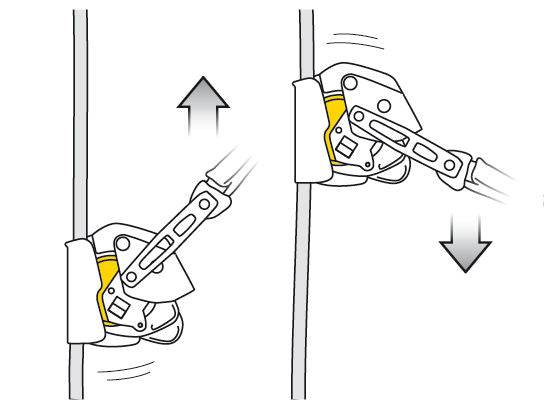
This type of equipment is designed to travel along a compatible lifeline while following the user's movement. Under normal conditions, it moves freely, allowing efficient progression along the rope. If sudden movement occurs, the mechanism engages and helps limit further travel. The specific operating characteristics depend on the design and intended application of the device.

When should I choose a self-locking rope grab instead of other rope-based equipment?

The choice depends on the working environment, access method, and level of mobility required. Devices with automatic engagement mechanisms can provide greater convenience during tasks that involve frequent movement along a vertical path. They are often selected where ease of use and continuous adjustment are important considerations. Equipment should always be compatible with the lifeline and broader system configuration being used.

What should I consider when selecting a rope grab with shock absorber?

Several factors should be reviewed, including the working height, available clearance, rope compatibility, and overall system design. Additional energy management components may be appropriate in certain applications where force reduction is an important consideration. Environmental conditions and frequency of use can also influence equipment selection. A full assessment of the work area helps determine the most suitable configuration.

How do rope grab devices differ from fixed-position systems?

Unlike equipment that remains in a single location, these devices are intended to move with the user as work progresses. This can provide greater flexibility when climbing, descending, or repositioning during tasks. The ability to travel along a lifeline may help improve efficiency while maintaining connection to the safety system. The most suitable option depends on the nature of the work and access requirements.

Are safety rope grabs suitable for all work-at-height applications?

Different products are designed for different working methods, so suitability varies depending on the task. Factors such as rope type, user movement, environmental conditions, and anchorage arrangements all play a role in equipment selection. Some applications may require alternative solutions or additional components as part of the overall system. Reviewing the specific hazards and operational requirements is essential before making a selection.

Recently viewed