
Ascenders / Descenders

12 products

Showing 1 - 12 of 12 products

Showing 1 - 12 of 12 products
View
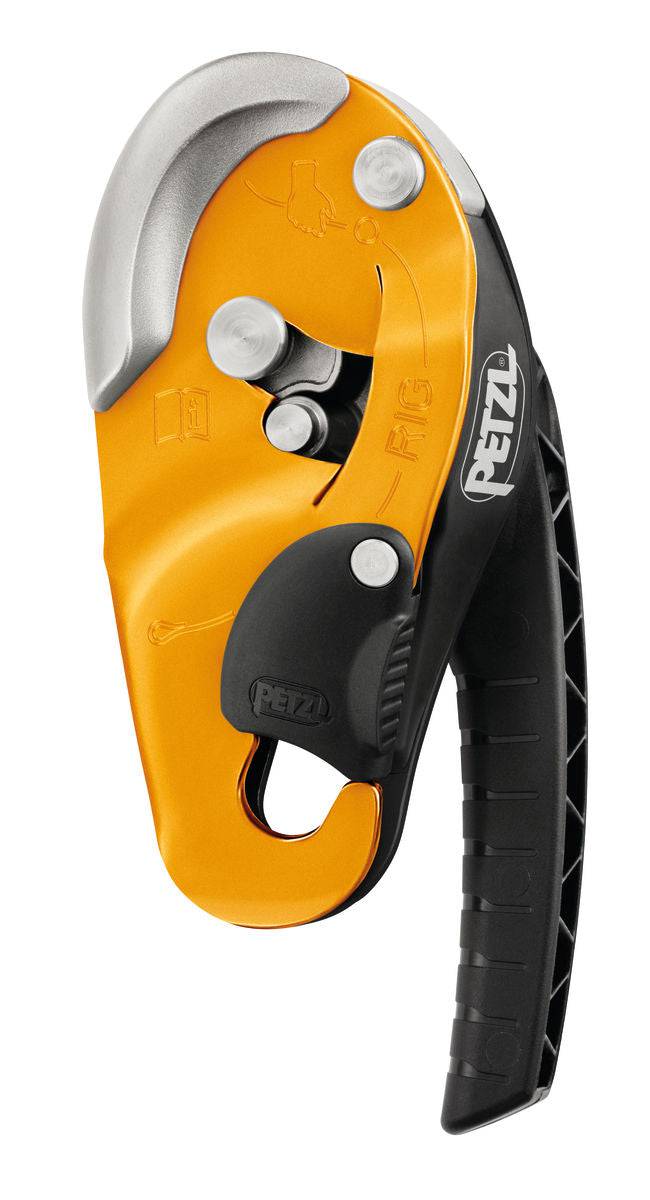
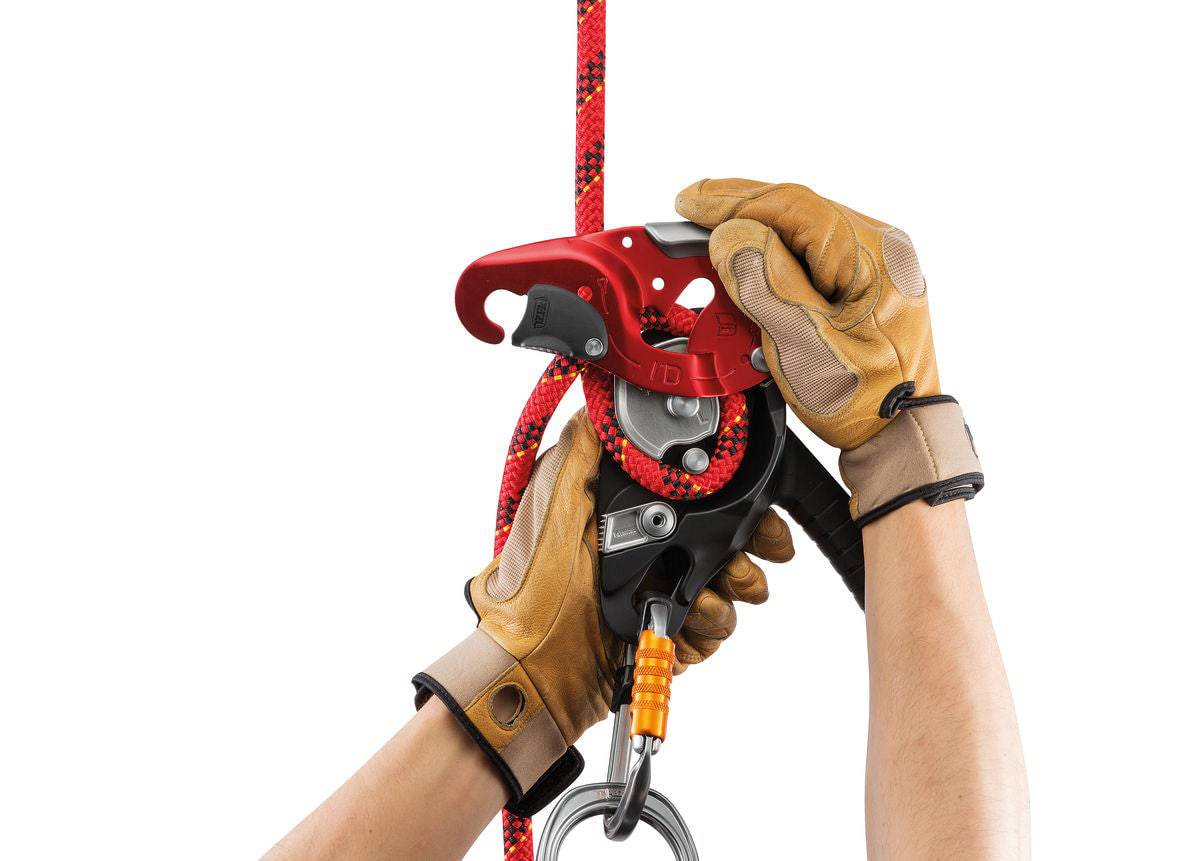
Petzl RIG Compact Rope Access Self Braking Descender - SecureHeightsPetzl RIG Compact Rope Access Self Braking Descender - SecureHeights
Sale priceFrom £169.00Inc.VAT

From £140.83Exc.VAT
Petzl RIG Compact Rope Access Self Braking DescenderPetzl
Choose options
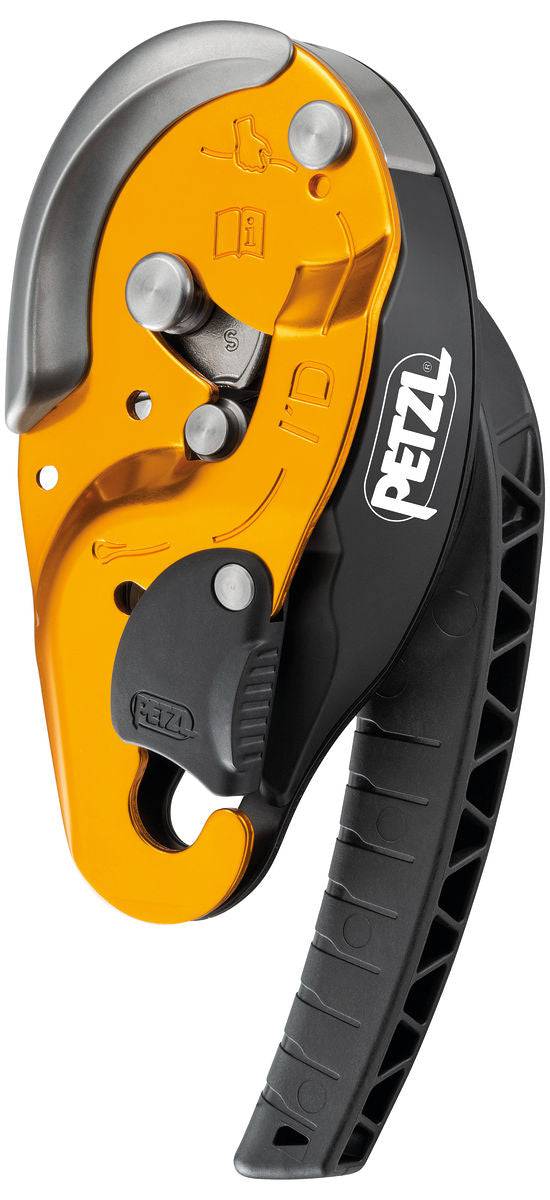
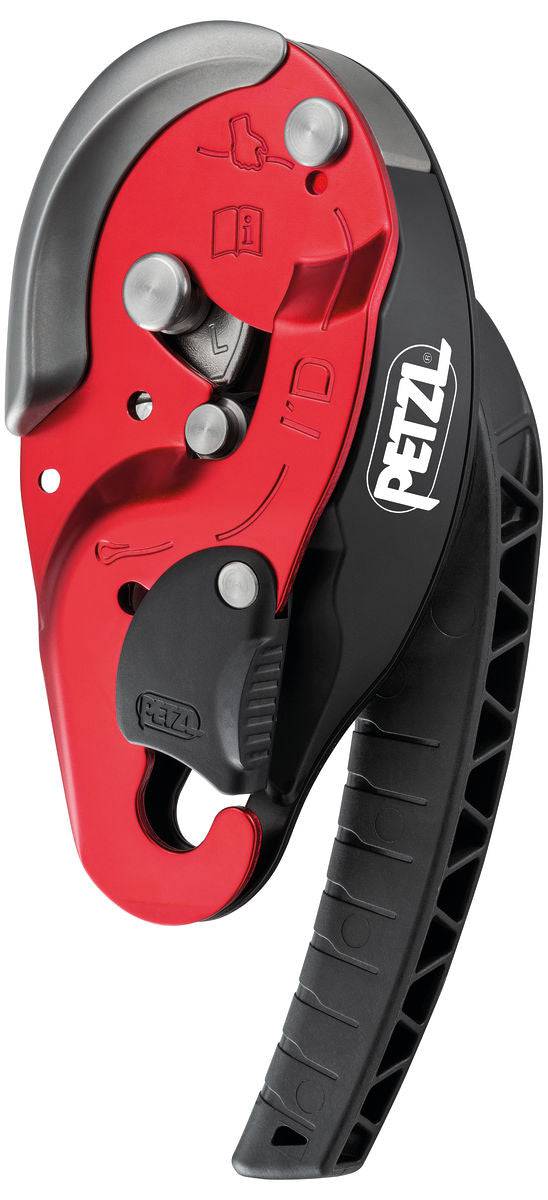
Petzl  I’D S Anti Panic Function Self Braking Rope Access Descender - SecureHeightsPetzl  I’D S Anti Panic Function Self Braking Rope Access Descender - SecureHeights
Sale priceFrom £219.00Inc.VAT

From £182.50Exc.VAT
Petzl I’D S Anti Panic Function Self Braking Rope Access DescenderPetzl
Choose options
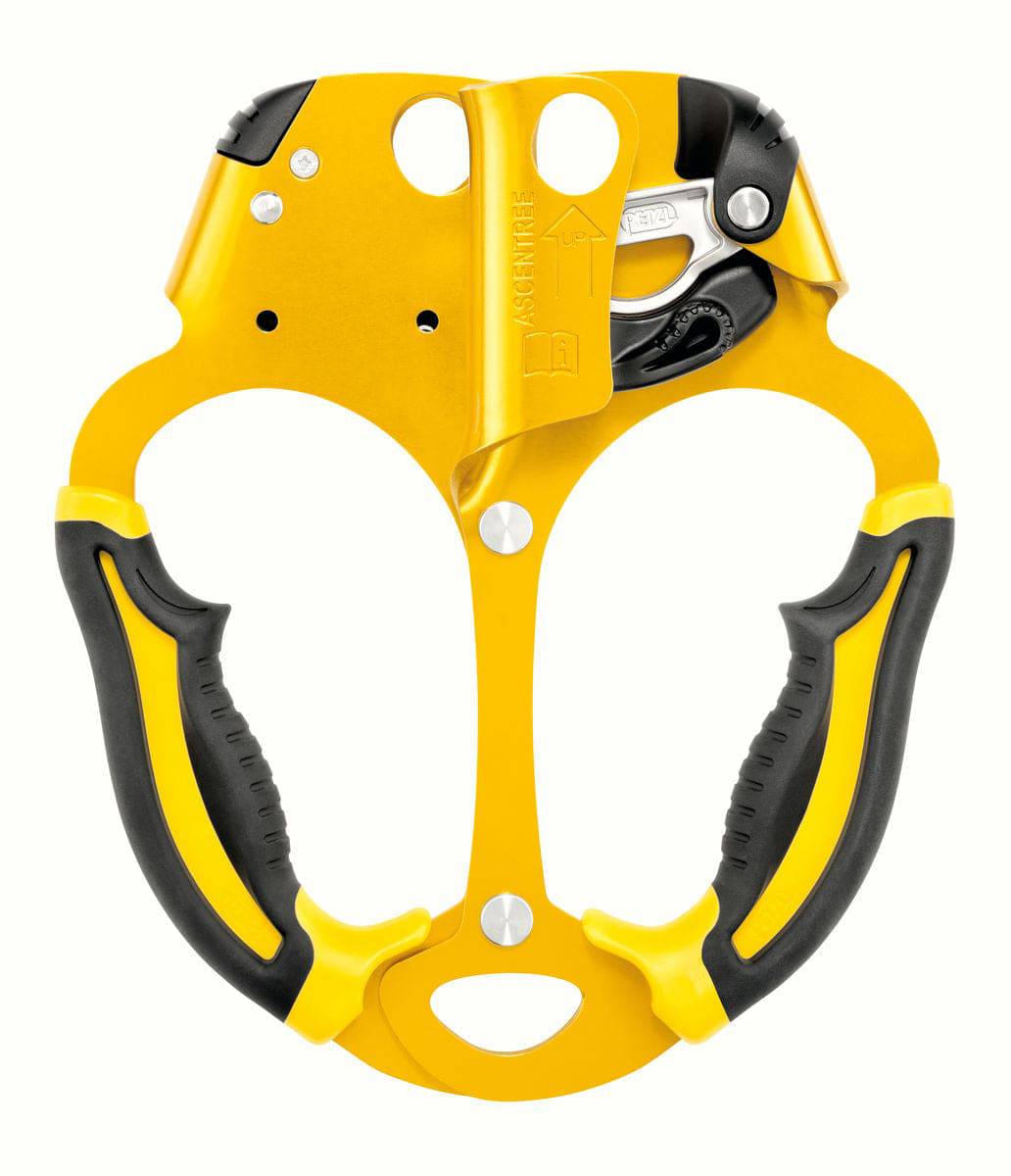
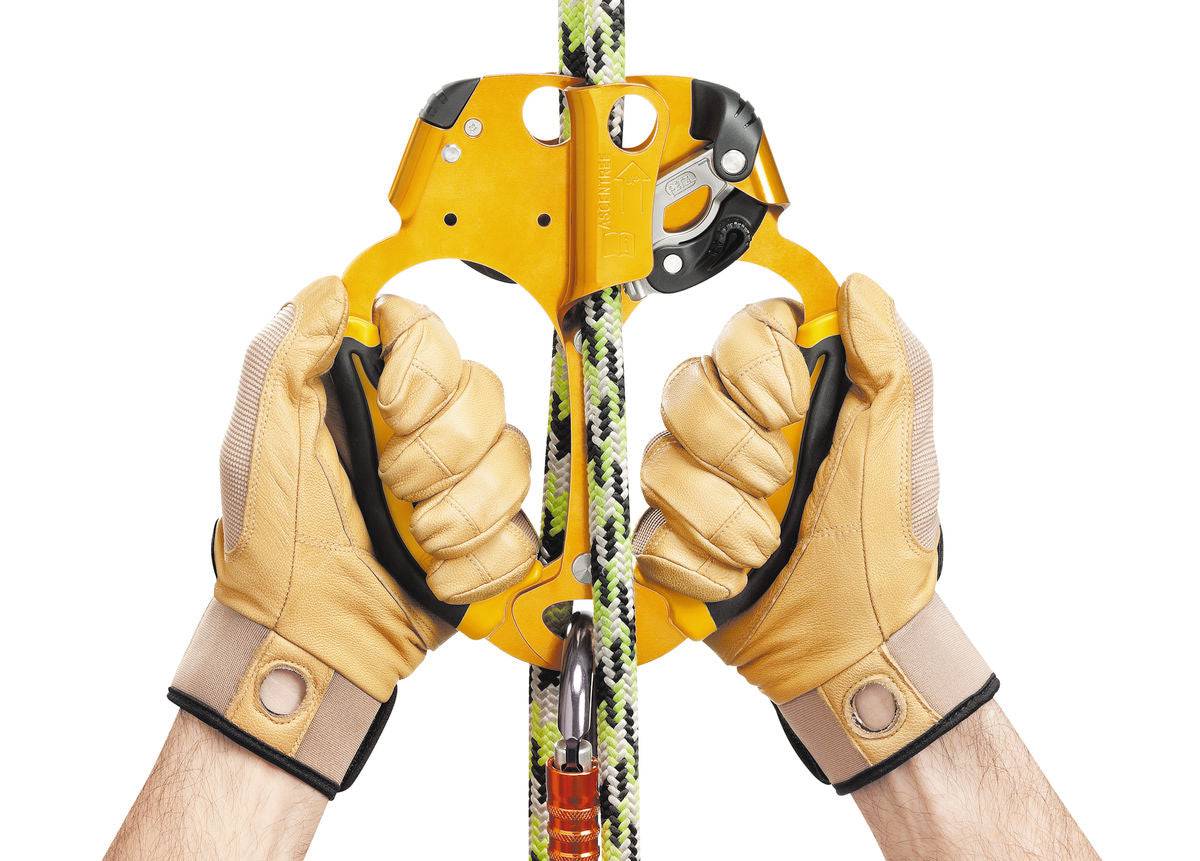
Petzl ASCENTREE Double Handled Rope Ascent Tree Care Rope Clamp B19AAA - SecureHeightsPetzl ASCENTREE Double Handled Rope Ascent Tree Care Rope Clamp B19AAA - SecureHeights
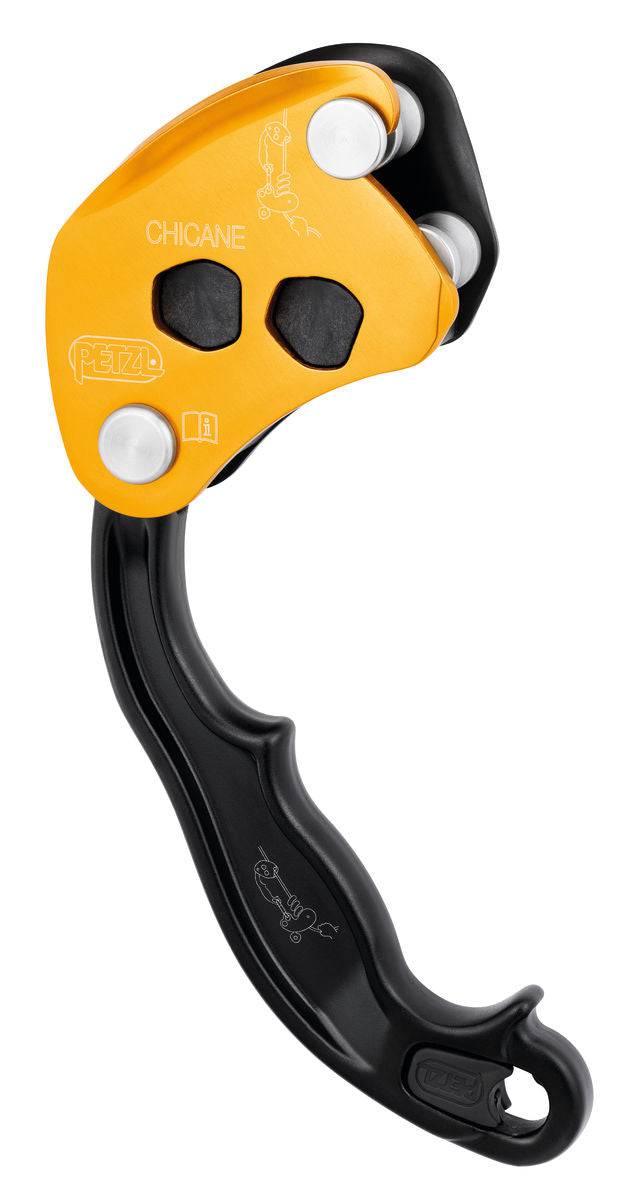
Petzl CHICANE Single Rope Tree Care Auxiliary Brake for Mechanical Prusiks D022CA00 - SecureHeightsPetzl CHICANE Single Rope Tree Care Auxiliary Brake for Mechanical Prusiks D022CA00 - SecureHeights
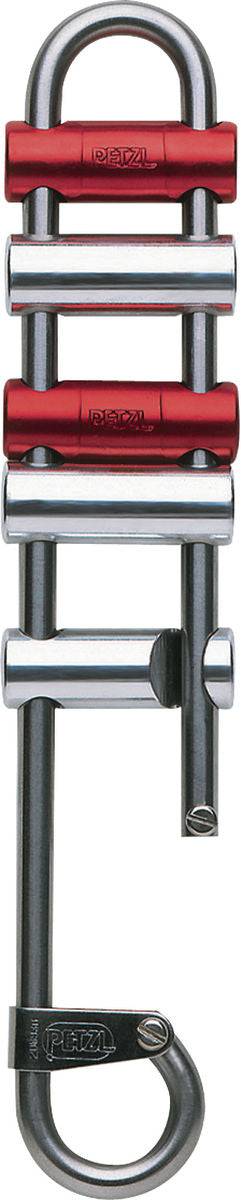
Petzl RACK Compact Lightweight Variable Friction Descender with Brake Bars D11 - SecureHeights
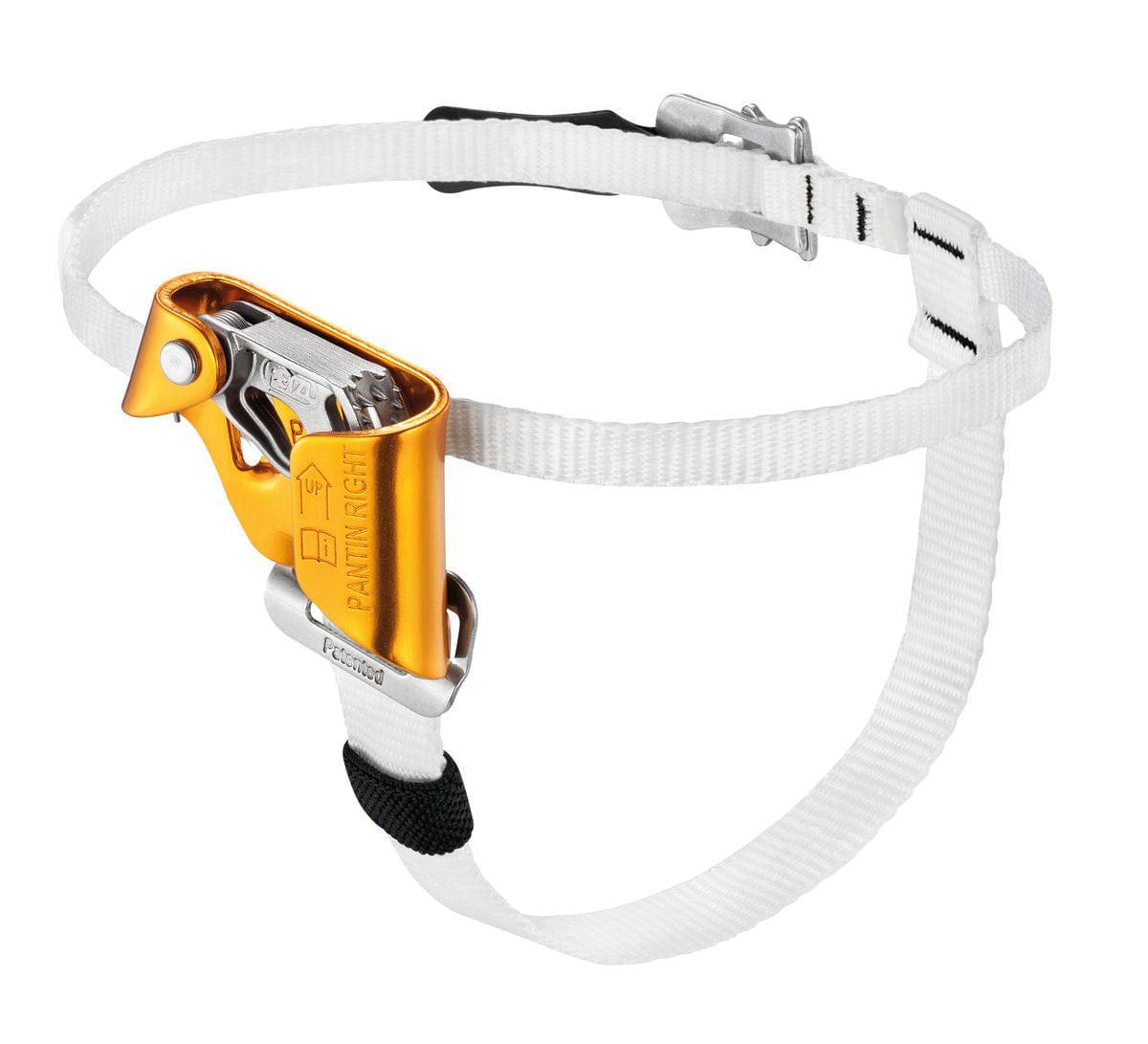
Petzl PANTIN Rope Ascent Foot Ascender - SecureHeightsPetzl PANTIN Rope Ascent Foot Ascender - SecureHeights
Sale price£59.00Inc.VAT

£49.17Exc.VAT
Petzl PANTIN Rope Ascent Foot AscenderPetzl
Choose options
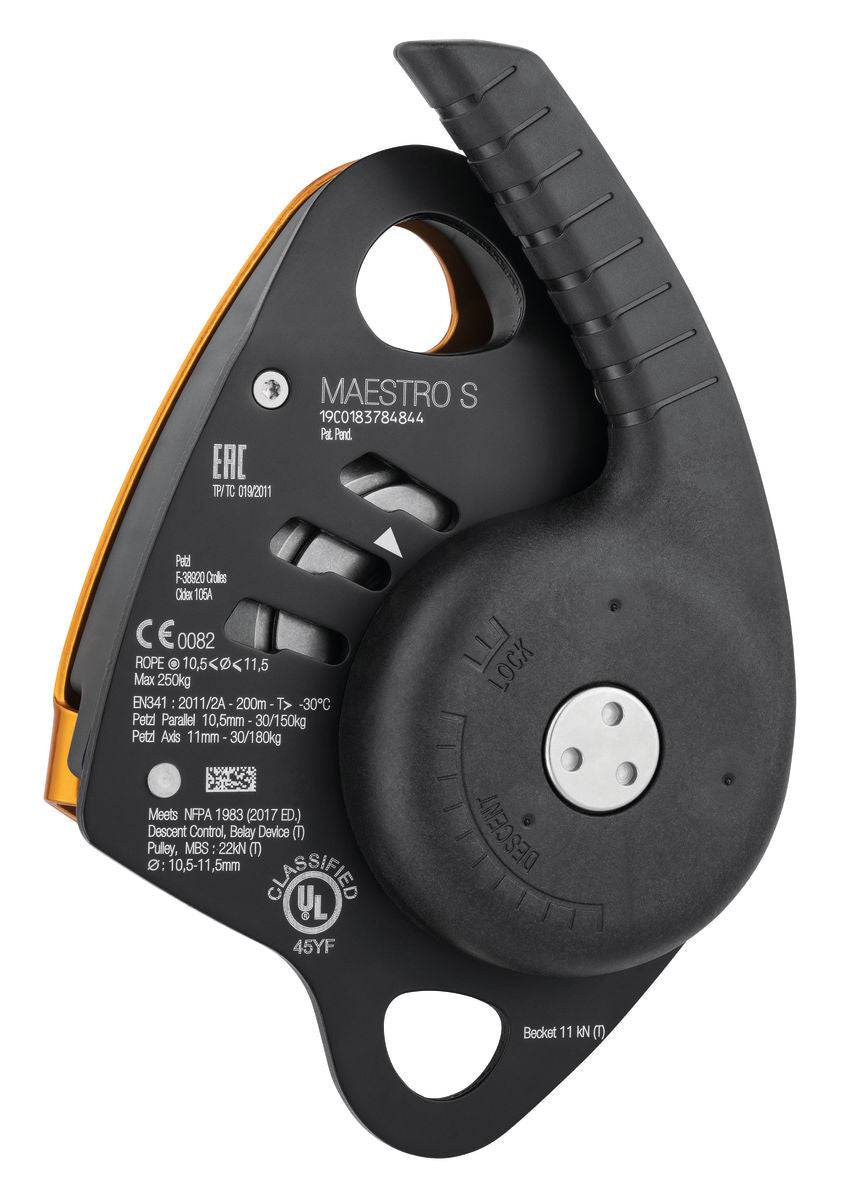
Petzl MAESTRO S Integrated Progress Capture Pulley Descender D024AA00 - SecureHeightsPetzl MAESTRO S Integrated Progress Capture Pulley Descender D024AA00 - SecureHeights
Petzl MAESTRO L Integrated Progress Capture Pulley Descender D024BA00 - SecureHeightsPetzl MAESTRO L Integrated Progress Capture Pulley Descender D024BA00 - SecureHeights
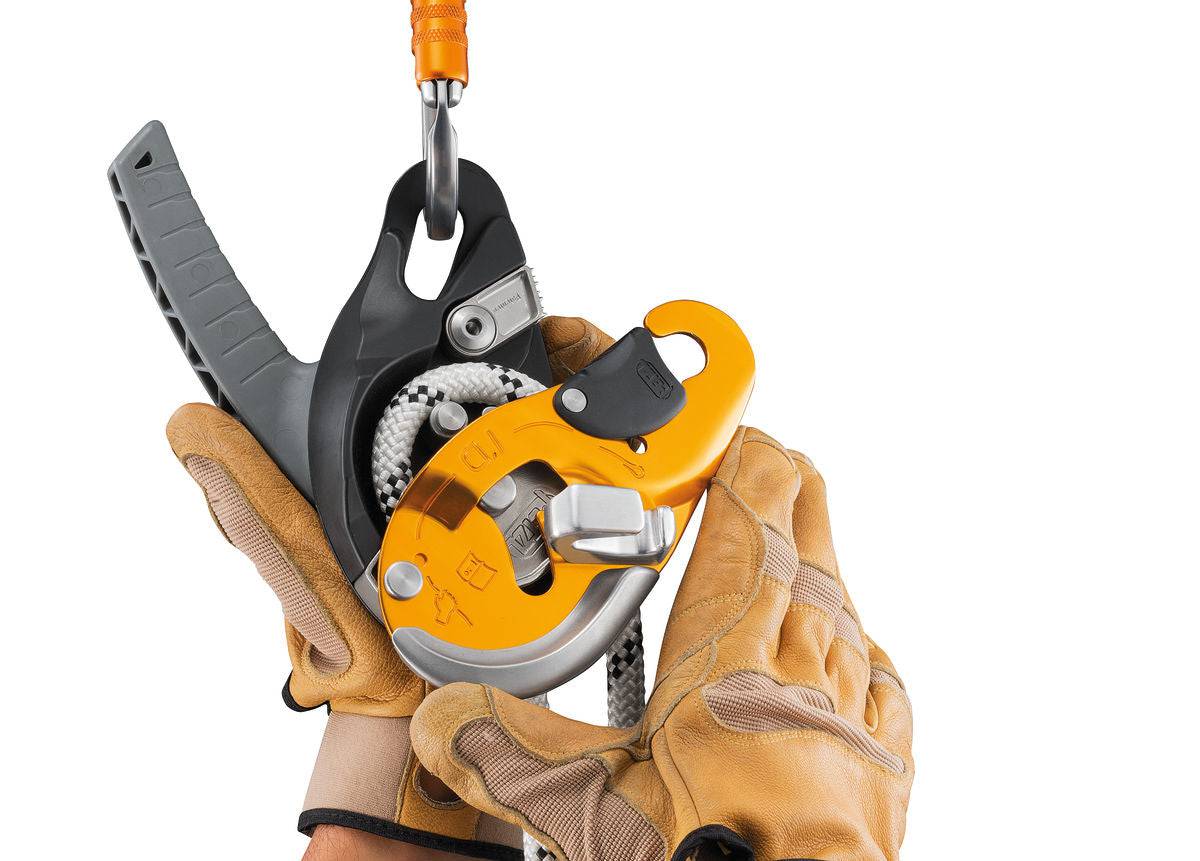
Petzl I’D L Technical Rescue Anti Panic Function Self Braking Descender - SecureHeightsPetzl I’D L Technical Rescue Anti Panic Function Self Braking Descender - SecureHeights
Sale priceFrom £225.00Inc.VAT

From £187.50Exc.VAT
Petzl I’D L Technical Rescue Anti Panic Function Self Braking DescenderPetzl
Choose options
Petzl I’D EVAC Anti Panic Function Self Braking Descender - SecureHeightsPetzl I’D EVAC Anti Panic Function Self Braking Descender - SecureHeights
Sale priceFrom £245.00Inc.VAT

From £204.17Exc.VAT
Petzl I’D EVAC Anti Panic Function Self Braking DescenderPetzl
Choose options
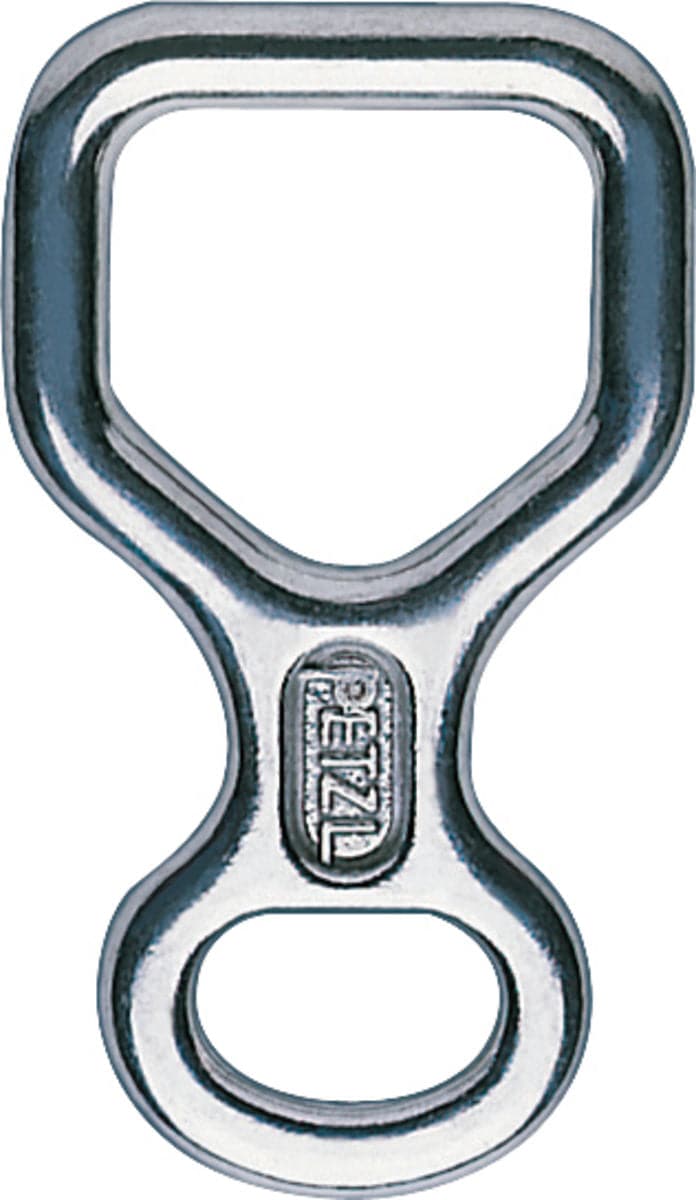
Petzl HUIT Aluminium Figure 8 Descender D02 - SecureHeights
Sale price£19.00Inc.VAT

£15.83Exc.VAT
Petzl HUIT Aluminium Figure 8 Descender D02Petzl

Ascenders & Descenders for Rope Access & Work at Height

At SecureHeights, our range of ascenders and descenders are selected specifically for work-at-height environments, where reliability, smooth operation, and compliance are critical.

Ascender & Descender Device Selection

Device Type Description Primary Function Typical Use Key Benefit
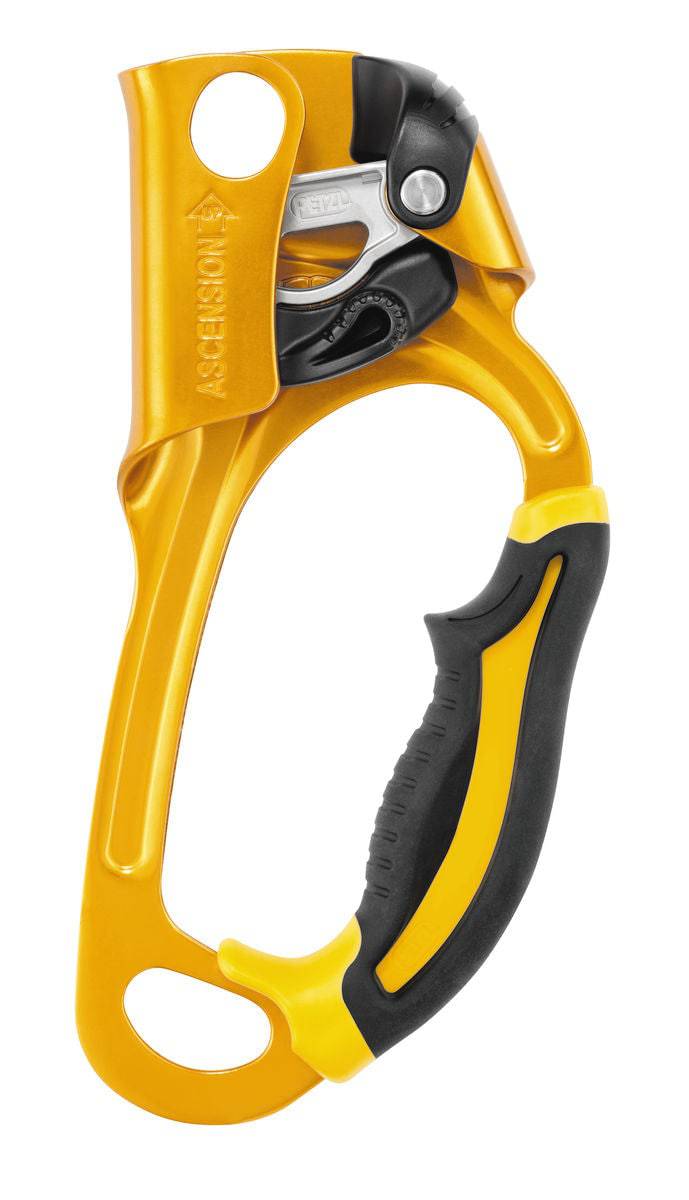
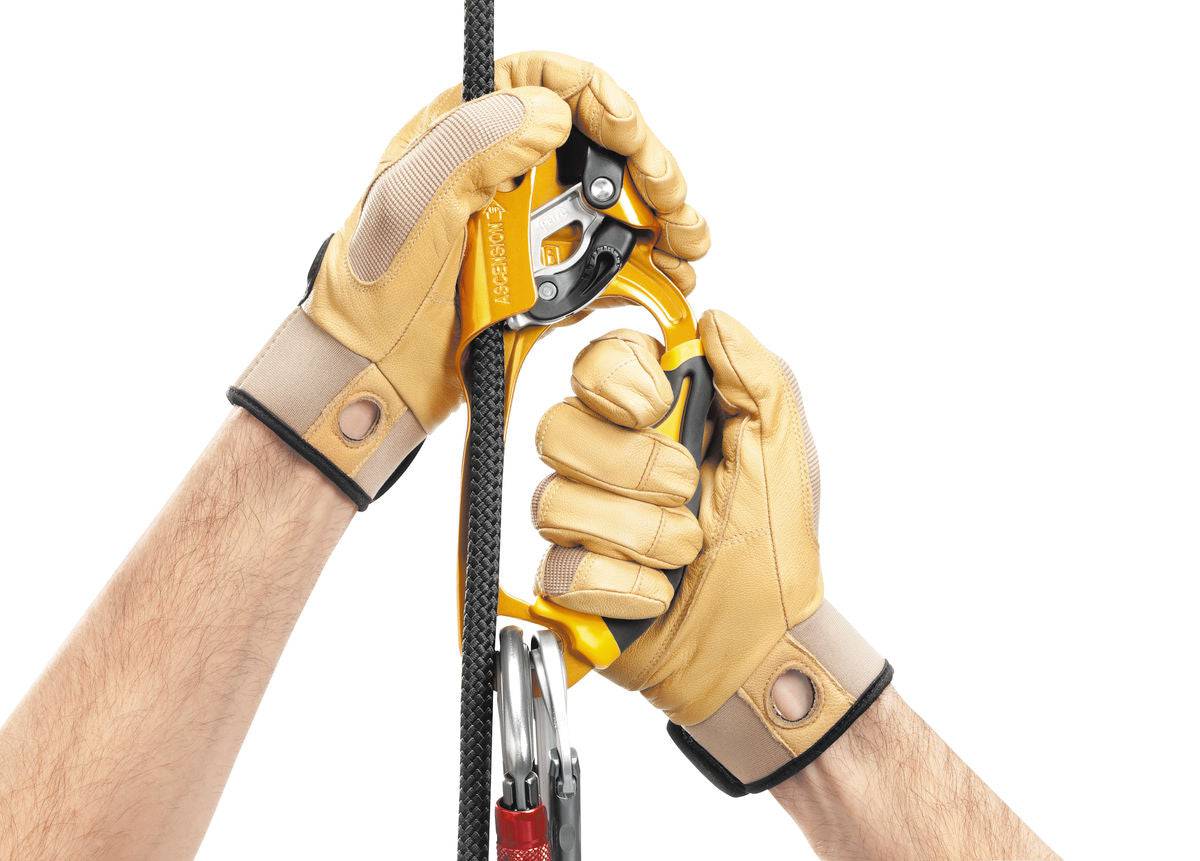
Hand ascenders Hand-operated rope clamps used for upward movement Rope ascent Rope access, climbing, inspection Secure grip and efficient climbing
Chest ascenders Chest-mounted devices used with a harness for vertical progression Rope ascent (hands-free support) Rope access systems, long ascents Improves climbing efficiency and posture
Foot ascenders Devices attached to the foot to assist rope climbing Assisted rope ascent Rope access, industrial climbing Reduces fatigue during ascent
Powered ascenders Motorised devices for mechanical rope ascent Assisted rope ascent Industrial access, towers, rescue Minimises physical effort
Figure 8 descenders Simple friction devices for controlled descent Rope descent Rescue, basic rope work Lightweight and easy to use
Self-braking descenders Advanced descenders with automatic braking mechanisms Controlled descent & positioning Rope access, maintenance, rescue Enhanced safety and control
Industrial descenders Heavy-duty descenders designed for repeated or high-load use Controlled descent Confined space, industrial environments Durable and reliable under load

Safe Ascent & Efficient Movement

Ascenders are designed to travel smoothly up a rope while locking instantly under load, enabling controlled upward movement without slippage. For high-frequency or physically demanding tasks, powered ascenders offer motor-assisted climbing, reducing fatigue and improving productivity on long or repetitive ascents.

These devices integrate seamlessly with harnesses, ropes, and anchors to form part of a complete rope access setup.

Controlled & Secure Descent

Descenders are equally critical, providing safe and precise downward movement. A rope access descender allows the user to regulate speed during descent, making it suitable for rescue, positioning, inspection, and maintenance tasks.

Our range includes controlled descent devices engineered to manage friction and load effectively, helping maintain stability even under varying weights or working conditions. Whether they are being used in heavy-duty or lighter applications, an industrial descender delivers durability and consistent performance in demanding environments.

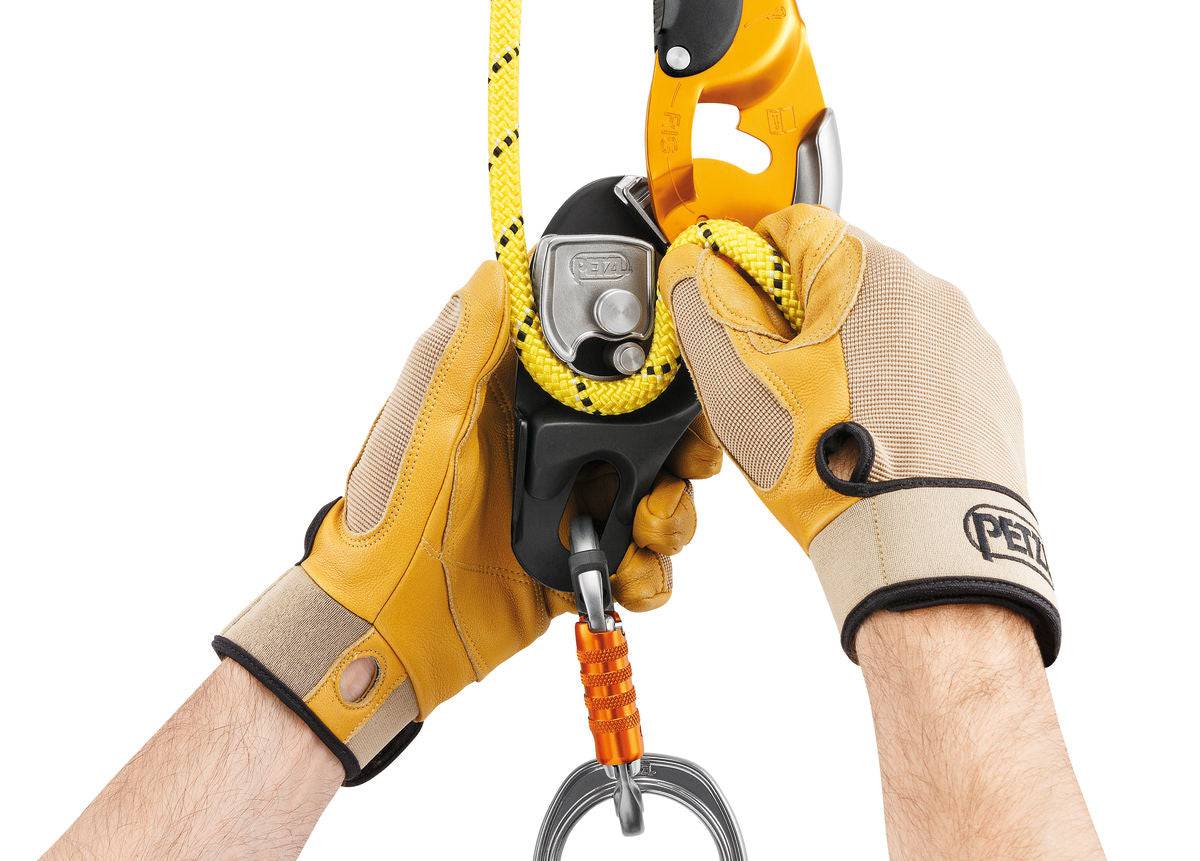
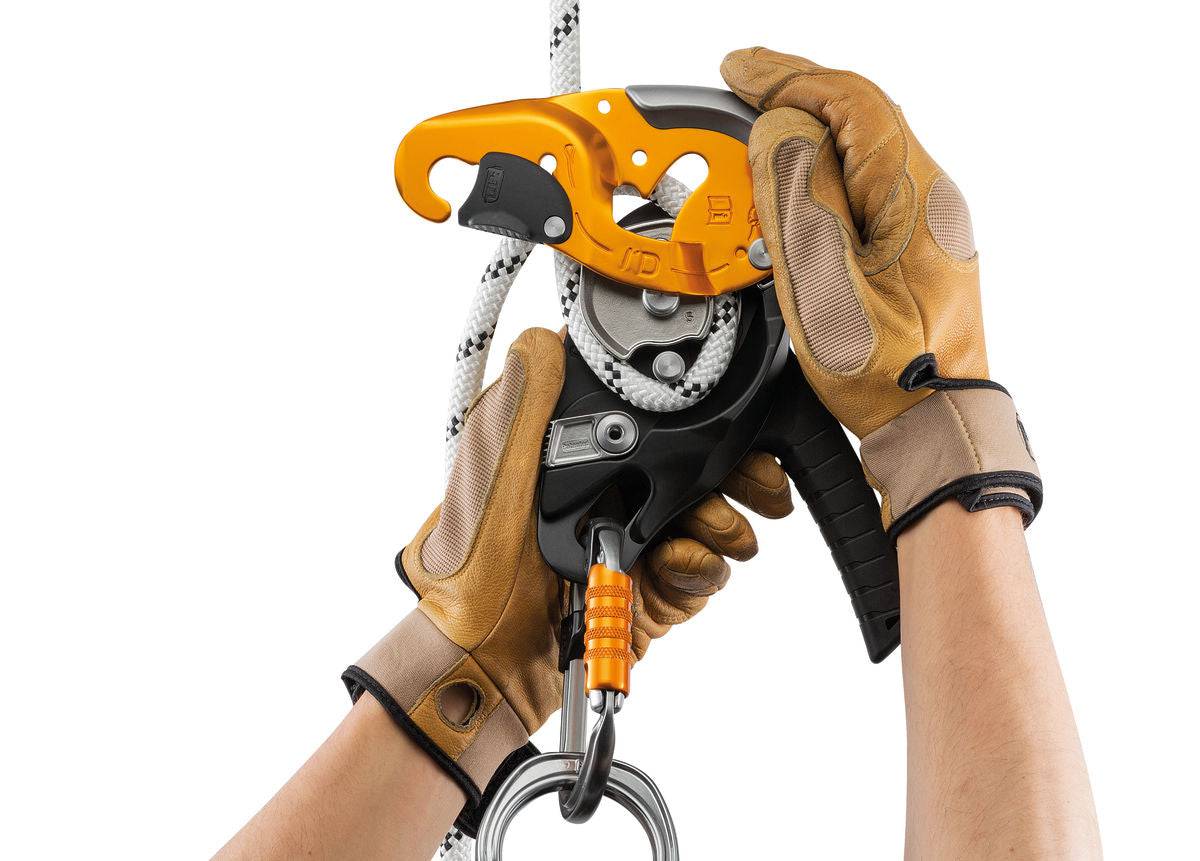
Many models feature a self-braking descender mechanism, which automatically engages when the handle is released, adding an extra layer of safety during descent and work positioning.

Expert Support from SecureHeights

Choosing the correct ascender or descender depends on the type of task being undertaken, the type of rope being used, a user’s weight, and other operational requirements. Our specialists are available to help you select equipment that aligns with your risk assessment and operational needs.

Upgrade Your Rope Access Setup Today

Explore our full range of ascenders and descenders at SecureHeights. Order online for fast UK and worldwide delivery or contact our team for expert advice on building a safe, compliant rope access setup.

Frequently Asked Questions

What are ascenders and descenders used for in industrial work at height?

These devices help workers move safely along ropes when carrying out tasks in challenging access environments. They are commonly used for inspection, maintenance, installation, and specialist access operations where conventional access methods may not be practical. Different configurations are available depending on whether the user needs to travel upward, downward, or both. Selecting the correct equipment depends on the work method, rope system, and level of user training.

How do I choose the right rope access descender for my application?

The most suitable device will depend on factors such as rope diameter, working environment, frequency of use, and the level of control required during operation. Some models are designed for routine access tasks, while others are better suited to rescue, positioning, or technical operations. Ease of handling and compatibility with other equipment should also be considered. Reviewing the requirements of the job before selecting a device can help improve efficiency and user confidence.

What factors affect descender price?

Cost can vary significantly depending on the design, materials, operational features, and intended application of the equipment. Products designed for frequent professional use often incorporate advanced mechanisms, enhanced durability, and additional safety functions. Manufacturing standards, testing requirements, and product lifespan may also influence overall value. When comparing options, it is important to consider long-term performance rather than focusing solely on the initial purchase cost.

When are powered ascenders a better choice than manual devices?

Motorised systems are often used when personnel or equipment need to be moved over significant vertical distances. They can help reduce physical effort and improve efficiency during repetitive or demanding operations. Such equipment is commonly found in specialist sectors where access requirements are particularly challenging. Operational requirements, load expectations, and site conditions should all be evaluated before deciding whether a powered solution is appropriate.

What should I look for when selecting controlled descent devices?

A good solution should provide smooth handling, predictable operation, and compatibility with the rope system being used. Factors such as ease of inspection, durability, environmental suitability, and user ergonomics can all influence performance in the field. The intended application is also important, as different devices are designed for different working methods. Choosing equipment that aligns with operational needs and user competence helps support safer and more effective rope-based work.

Recently viewed